The Longmont nonprofit has already cared for 5,121 injured, sick, and orphaned wild animals in 2025 — the highest number in its 43-year history, fueled by expanded facilities and growing community needs.
This month, the Greenwood Wildlife Rehabilitation Center reached a historic milestone in the number of wild animals that have been in its care within a single calendar year. The Longmont-based nonprofit wildlife rescue and rehabilitation center has treated 5,121 injured, sick, and orphaned wild animals as of November 5th — the highest intake number in its 43-year history.
Officials at Greenwood said that the figure shatters the previous record of 4,641animals treated, and “represents thousands of second chances for vulnerable local wildlife.” The nonprofit expects intake numbers to climb even higher before the end of 2025.
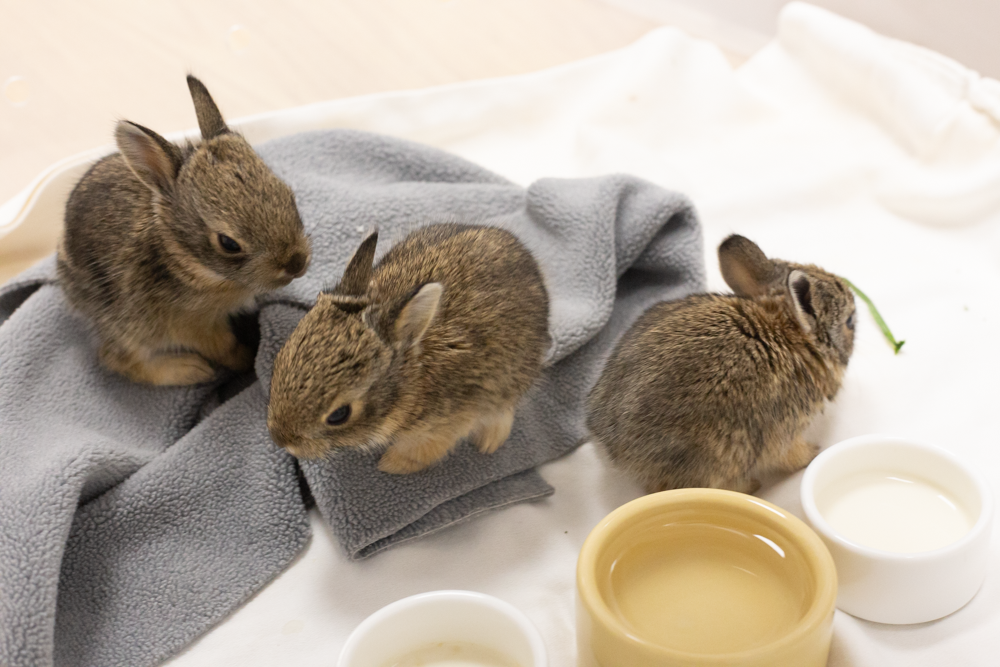
The past decade has seen “monumental growth” in the number of wildlife admitted for care, Greenwood officials said, with the 2025 surge driven by several key factors: Greenwood recently expanded its facilities, adding new outdoor enclosures for crows and the construction of the Lagomorph Building, which focuses on the care and rehabilitation of rabbits. Greenwood has also onboarded new licensed home rehabilitators to handle an increasing volume of “young and vulnerable critters requiring intensive or overnight care,” a critical effort as Colorado faces a shortage of rehabilitation facilities.
“There is a dramatic and growing need for professional wildlife care in our state,” said Mysti Tatro, Community Relations Manager at Greenwood Wildlife. “Every day, urban wildlife is impacted by human activity and requires the compassionate hands of trained professionals. We see hundreds of birds injured from window strikes, countless baby rabbits attacked by domestic pets, and many geese hit by vehicles. Our team is dedicated to ensuring these animals return to their rightful place in the wild.”
With the uptick in animals, volunteers at Greenwood have dedicated extra shifts to feeding baby squirrels, licensed home partners have taken on extra babies for overnight care, and Executive Director Amanda Lau has focused on securing increased monetary contributions to cover food and medical expenses. Tatro said that the center encourages community members to consider donating to help sustain the life-saving work done by Greenwood and to “alleviate the financial burden of such a marked increase.”
“I am incredibly proud of our team and supporters for meeting this surge head-on,” Lau said. “Providing compassionate care to an additional 800 patients this year requires tremendous dedication and resources. It is genuinely heartwarming to see our community rally to ensure every one of these creatures gets the top-notch treatment they deserve.”