Visiting Colorado offers unparalleled beauty, from majestic peaks to vibrant cities nestled in valleys.
Visiting Colorado offers unparalleled beauty, from majestic peaks to vibrant cities nestled in valleys.
Successfully navigating the high altitude, however, demands a systematic approach to preparation.
Understanding the unique geography provides the foundation for a trip free from altitude-related misery. Colorado Springs rests at an elevation of 6,035 feet above sea level, while Manitou Springs sits slightly higher at 6,412 feet. The thin mountain air presents a challenge to even the most seasoned travelers, a factor akin to the Denver Nuggets enjoying a high-altitude home game advantage.
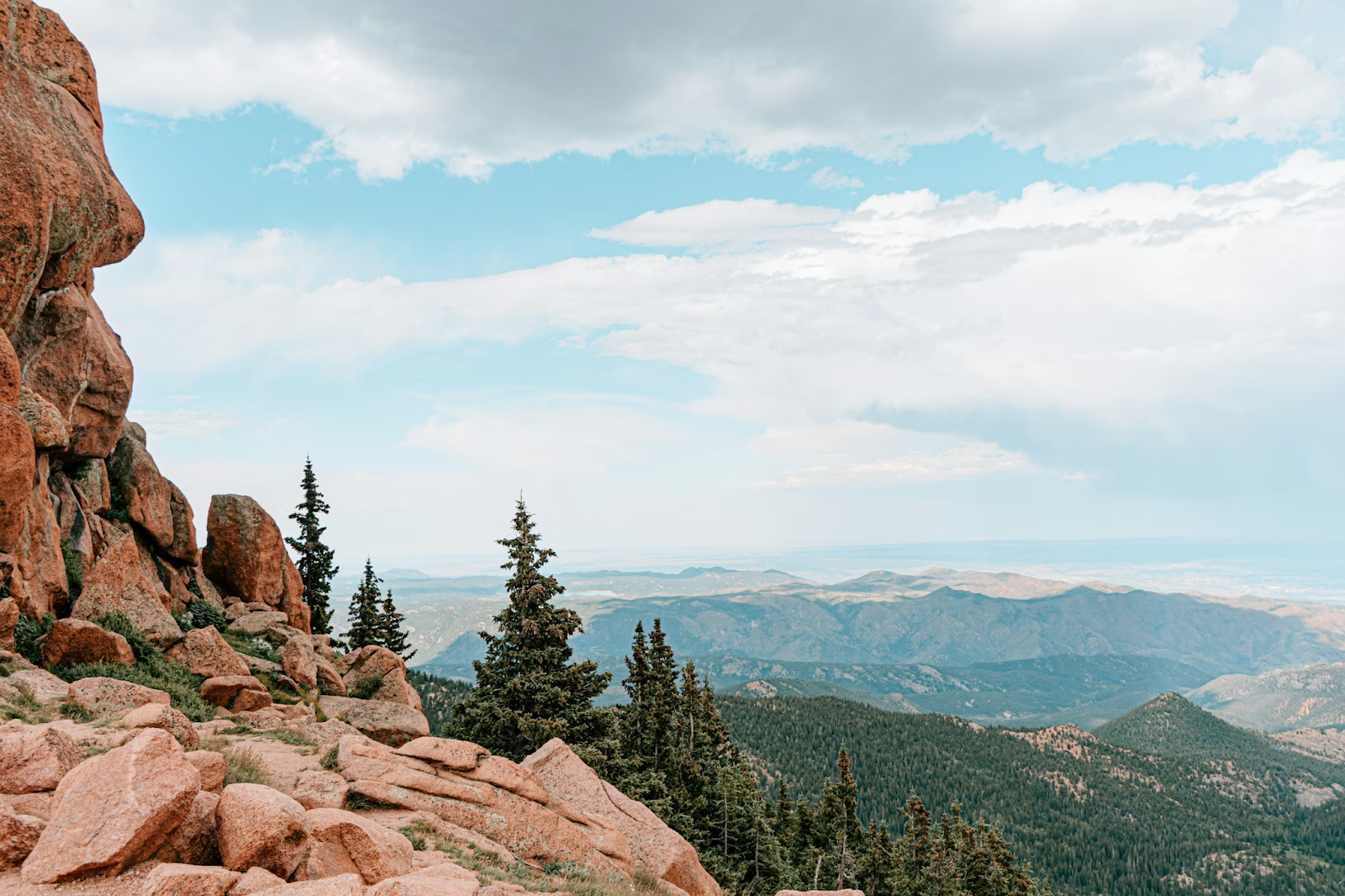
Summiting Pikes Peak? That means reaching an elevation of 14,115 feet, a significant shift requiring thoughtful planning.
Strategic preparation ensures enjoyment rather than mere survival.
Why Colorado Elevation Changes Hit Harder Than Expected
High altitude environments create lower air pressure, making it more difficult for the body to absorb oxygen efficiently.
Here's the physics: the fraction of oxygen in the atmosphere remains constant at 21% regardless of elevation, but barometric pressure decreases as altitude increases. This thinner air impacts the body's physiological functions significantly. Breathing feels different because it is different.
The high-altitude air in Colorado is much drier compared to lower elevations. Moisture evaporates quickly from the skin due to low humidity, leaving travelers dehydrated faster than they realize. Acute Mountain Sickness (AMS) finds its diagnosis through the standard Lake Louise Criteria system, a framework medical professionals use to assess symptoms.
Understanding these baseline physics forms the foundation of mountain sickness prevention.
Common Symptoms and Signs First-Time Visitors Miss
Acute Mountain Sickness (AMS) symptoms typically develop 6 to 12 hours after arrival at high altitude, though they can manifest within 2 to 12 hours. Many visitors overlook these initial signs, attributing them to general travel fatigue or the excitement of exploring the most beautiful places to visit in Colorado.
Here's the truth: physical fitness provides no protection against developing altitude sickness.
Individual genetics and the rate of ascent are primary risk factors. An Olympic athlete and a casual hiker face equal risk if they ascend too quickly.
Watch for these warning signs:
Headache - The most common symptom presents as a persistent throbbing sensation, often worse than typical headaches
Nausea - Feelings of sickness or an upset stomach often accompany the headache, sometimes progressing to vomiting
Fatigue - Unusual tiredness makes even simple tasks feel exhausting
Trouble Sleeping - Insomnia or restless nights are common at higher elevations, affecting overall recovery
Shortness of Breath - Difficulty breathing occurs even at rest as the body struggles to extract enough oxygen from thinner air
Preparation and Nutrition Strategies That Help
Photo by Merve Sehirli Nasir on Unsplash
Proactive nutrition strategies significantly impact successful acclimatization.
A diet consisting of 70% or more carbohydrates is recommended for high-altitude travel. Why? Carbohydrates allow the body to utilize oxygen more efficiently than fats or proteins. This dietary focus provides sustained energy in a demanding environment and supports the body's adaptation process.
Consistent hydration forms the absolute foundation of preparation. Travelers should drink twice as much water as they usually do, combating rapid moisture evaporation from the skin due to low humidity. Adequate fluid intake supports overall bodily function at elevation, from circulation to cognitive performance.
Start adjusting your diet several days before arrival:
Carbohydrate-Rich Foods - Pasta, rice, oatmeal, and whole grain breads should comprise 70% or more of your diet to enhance oxygen utilization
Iron-Rich Foods - Broccoli, spinach, and lean red meat help replenish essential energy reserves
Potassium-Rich Foods - Bananas, sweet potatoes, and avocados maintain electrolyte balance and support sustained energy
Think of it as fueling your body for a marathon. Because at altitude, even walking feels like one.
Smart Acclimatization Tips for the First Few Days
Gradual ascent forms the core of effective acclimatization.
Travelers should spend the first night of a trip below 7,000 feet, allowing the body to begin adapting at a moderate elevation. Ascending too quickly stands as the leading cause of altitude sickness, emphasizing the importance of a measured approach.
Slow and steady wins this race.
Strategic management of sleeping elevation prevents significant stress on the body. The golden rule: do not increase sleeping elevation by more than 500 meters per day above 3,000 meters, according to CDC guidelines for high-altitude travel.
UCHealth recommends waiting 24 to 48 hours for acclimatization before engaging in vigorous exercise. Rest serves as the recommended treatment for mild cases of altitude sickness. Fighting through symptoms rarely ends well.
If planning to explore Colorado's caves or volcanic formations, build in extra acclimatization time before strenuous activities.
Activities to Avoid Until Your Body Adjusts
Alcohol consumption should be avoided for the first 48 hours at high altitude.
The effects of alcohol are significantly stronger at high altitudes compared to sea level. That celebratory beer hits like three. Alcohol impairs judgment and physiological responses while contributing to dehydration, compounding altitude-related challenges.
Tobacco use interferes with oxygen delivery to body tissues, further hindering acclimatization. If there was ever a time to skip smoking, this is it.
Other surprising altitude effects to keep in mind:
Increased UV Exposure - UV rays in Colorado Springs are approximately 30% stronger than at sea level, demanding consistent sun protection throughout the day
Rapid Sunburn Risk - Sunburn can occur in as little as 15 minutes at high altitudes due to intense sun exposure
Golf Ball Distance - Golf balls travel approximately 10% further in the thin air of Colorado, a unique effect of reduced air resistance that affects game play and club selection
When Altitude Sickness Becomes a Serious Medical Concern
Most cases of altitude sickness resolve with rest and proper hydration.
Some don't.
High-Altitude Pulmonary Edema (HAPE) involves the accumulation of fluid in the lungs, manifesting as persistent cough and shortness of breath even while resting. Blue-colored lips or fingernails are a clear symptom of severe HAPE, demanding immediate attention. This condition can develop rapidly and become life-threatening without prompt treatment.
High-Altitude Cerebral Edema (HACE) means the brain swells with fluid, considered the end-stage of untreated AMS.
Watch for these emergency signs:
Confusion or altered mental state
Inability to walk in a straight line
Severe, persistent headache that doesn't respond to medication
Blue-tinged lips or fingernails
Shortness of breath at rest
These symptoms indicate a critical medical emergency.
Moving to a lower elevation stands as the most effective cure for altitude illness. Period. A medical center offers specialized treatment, including potential oxygen therapy, and medical professionals can provide medications like acetazolamide for prevention of AMS or dexamethasone for treatment of HACE.
Seek professional evaluation without delay for persistent or severe symptoms. Waiting to see if symptoms improve on their own can prove fatal with these serious conditions.
Practical Tips for Enjoying Colorado Without Feeling Miserable
Photo by Arturo Rivera on Unsplash
Consistent hydration provides the most vital defense against altitude effects.
Drink twice as much water as usual to combat the rapid moisture evaporation from the skin due to low humidity. Carry a water bottle everywhere and set reminders if necessary. If you think you're drinking enough water, drink more.
Simple remedies that actually work:
Over-the-Counter Pain Relievers - Ibuprofen or acetaminophen can provide relief from high-altitude headaches while the body continues to acclimatize
Ginger Root - A natural remedy for altitude-induced nausea, available as tea, capsules, or candied ginger
Electrolyte Supplements - Help maintain proper hydration and mineral balance
Proactive prevention keeps minor issues from becoming major concerns. Pikes Peak Regional Hospital sees approximately 15 to 20 altitude-related ER visits per month during peak season, underscoring the importance of a systematic approach to high-altitude travel. Many of these visits could be prevented with proper preparation and awareness of warning signs.
Medical attention becomes crucial when symptoms persist or worsen. Listen to your body. Don't push through severe discomfort in hopes of toughing it out.
Ready to Explore Colorado Safely?
Planning a trip to Colorado's breathtaking landscapes requires more than packing your bags and booking a hotel.
Take time now to prepare your body for the altitude challenge ahead. Start adjusting your diet to include more carbohydrates a few days before departure, increase your daily water intake, and plan a gradual ascent schedule that allows your body proper acclimatization time.
Before you go, complete this checklist:
Download a list of altitude sickness symptoms to your phone
Pack over-the-counter pain relievers and ginger supplements
Identify the nearest medical facilities at your destination
Share your itinerary with someone back home
Establish check-in times for accountability
These simple steps transform a potentially miserable experience into the adventure of a lifetime.
Respect the altitude, and enjoyment follows naturally.
Visiting Colorado offers unparalleled beauty, from majestic peaks to vibrant cities nestled in valleys.
Successfully navigating the high altitude, however, demands a systematic approach to preparation.
Understanding the unique geography provides the foundation for a trip free from altitude-related misery. Colorado Springs rests at an elevation of 6,035 feet above sea level, while Manitou Springs sits slightly higher at 6,412 feet. The thin mountain air presents a challenge to even the most seasoned travelers, a factor akin to the Denver Nuggets enjoying a high-altitude home game advantage.
Summiting Pikes Peak? That means reaching an elevation of 14,115 feet, a significant shift requiring thoughtful planning.
Strategic preparation ensures enjoyment rather than mere survival.
Why Colorado Elevation Changes Hit Harder Than Expected
High altitude environments create lower air pressure, making it more difficult for the body to absorb oxygen efficiently.
Here’s the physics: the fraction of oxygen in the atmosphere remains constant at 21% regardless of elevation, but barometric pressure decreases as altitude increases. This thinner air impacts the body’s physiological functions significantly. Breathing feels different because it is different.
The high-altitude air in Colorado is much drier compared to lower elevations. Moisture evaporates quickly from the skin due to low humidity, leaving travelers dehydrated faster than they realize. Acute Mountain Sickness (AMS) finds its diagnosis through the standard Lake Louise Criteria system, a framework medical professionals use to assess symptoms.
Understanding these baseline physics forms the foundation of mountain sickness prevention.
Common Symptoms and Signs First-Time Visitors Miss
Acute Mountain Sickness (AMS) symptoms typically develop 6 to 12 hours after arrival at high altitude, though they can manifest within 2 to 12 hours. Many visitors overlook these initial signs, attributing them to general travel fatigue or the excitement of exploring the most beautiful places to visit in Colorado.
Here’s the truth: physical fitness provides no protection against developing altitude sickness.
Individual genetics and the rate of ascent are primary risk factors. An Olympic athlete and a casual hiker face equal risk if they ascend too quickly.
Watch for these warning signs:
- Headache – The most common symptom presents as a persistent throbbing sensation, often worse than typical headaches
- Nausea – Feelings of sickness or an upset stomach often accompany the headache, sometimes progressing to vomiting
- Fatigue – Unusual tiredness makes even simple tasks feel exhausting
- Trouble Sleeping – Insomnia or restless nights are common at higher elevations, affecting overall recovery
- Shortness of Breath – Difficulty breathing occurs even at rest as the body struggles to extract enough oxygen from thinner air
Preparation and Nutrition Strategies That Help

Photo by Merve Sehirli Nasir on Unsplash
Proactive nutrition strategies significantly impact successful acclimatization.
A diet consisting of 70% or more carbohydrates is recommended for high-altitude travel. Why? Carbohydrates allow the body to utilize oxygen more efficiently than fats or proteins. This dietary focus provides sustained energy in a demanding environment and supports the body’s adaptation process.
Consistent hydration forms the absolute foundation of preparation. Travelers should drink twice as much water as they usually do, combating rapid moisture evaporation from the skin due to low humidity. Adequate fluid intake supports overall bodily function at elevation, from circulation to cognitive performance.
Start adjusting your diet several days before arrival:
- Carbohydrate-Rich Foods – Pasta, rice, oatmeal, and whole grain breads should comprise 70% or more of your diet to enhance oxygen utilization
- Iron-Rich Foods – Broccoli, spinach, and lean red meat help replenish essential energy reserves
- Potassium-Rich Foods – Bananas, sweet potatoes, and avocados maintain electrolyte balance and support sustained energy
Think of it as fueling your body for a marathon. Because at altitude, even walking feels like one.
Smart Acclimatization Tips for the First Few Days
Gradual ascent forms the core of effective acclimatization.
Travelers should spend the first night of a trip below 7,000 feet, allowing the body to begin adapting at a moderate elevation. Ascending too quickly stands as the leading cause of altitude sickness, emphasizing the importance of a measured approach.
Slow and steady wins this race.
Strategic management of sleeping elevation prevents significant stress on the body. The golden rule: do not increase sleeping elevation by more than 500 meters per day above 3,000 meters, according to CDC guidelines for high-altitude travel.
UCHealth recommends waiting 24 to 48 hours for acclimatization before engaging in vigorous exercise. Rest serves as the recommended treatment for mild cases of altitude sickness. Fighting through symptoms rarely ends well.
If planning to explore Colorado’s caves or volcanic formations, build in extra acclimatization time before strenuous activities.
Activities to Avoid Until Your Body Adjusts
Alcohol consumption should be avoided for the first 48 hours at high altitude.
The effects of alcohol are significantly stronger at high altitudes compared to sea level. That celebratory beer hits like three. Alcohol impairs judgment and physiological responses while contributing to dehydration, compounding altitude-related challenges.
Tobacco use interferes with oxygen delivery to body tissues, further hindering acclimatization. If there was ever a time to skip smoking, this is it.
Other surprising altitude effects to keep in mind:
- Increased UV Exposure – UV rays in Colorado Springs are approximately 30% stronger than at sea level, demanding consistent sun protection throughout the day
- Rapid Sunburn Risk – Sunburn can occur in as little as 15 minutes at high altitudes due to intense sun exposure
- Golf Ball Distance – Golf balls travel approximately 10% further in the thin air of Colorado, a unique effect of reduced air resistance that affects game play and club selection
When Altitude Sickness Becomes a Serious Medical Concern
Most cases of altitude sickness resolve with rest and proper hydration.
Some don’t.
High-Altitude Pulmonary Edema (HAPE) involves the accumulation of fluid in the lungs, manifesting as persistent cough and shortness of breath even while resting. Blue-colored lips or fingernails are a clear symptom of severe HAPE, demanding immediate attention. This condition can develop rapidly and become life-threatening without prompt treatment.
High-Altitude Cerebral Edema (HACE) means the brain swells with fluid, considered the end-stage of untreated AMS.
Watch for these emergency signs:
- Confusion or altered mental state
- Inability to walk in a straight line
- Severe, persistent headache that doesn’t respond to medication
- Blue-tinged lips or fingernails
- Shortness of breath at rest
These symptoms indicate a critical medical emergency.
Moving to a lower elevation stands as the most effective cure for altitude illness. Period. A medical center offers specialized treatment, including potential oxygen therapy, and medical professionals can provide medications like acetazolamide for prevention of AMS or dexamethasone for treatment of HACE.
Seek professional evaluation without delay for persistent or severe symptoms. Waiting to see if symptoms improve on their own can prove fatal with these serious conditions.
Practical Tips for Enjoying Colorado Without Feeling Miserable
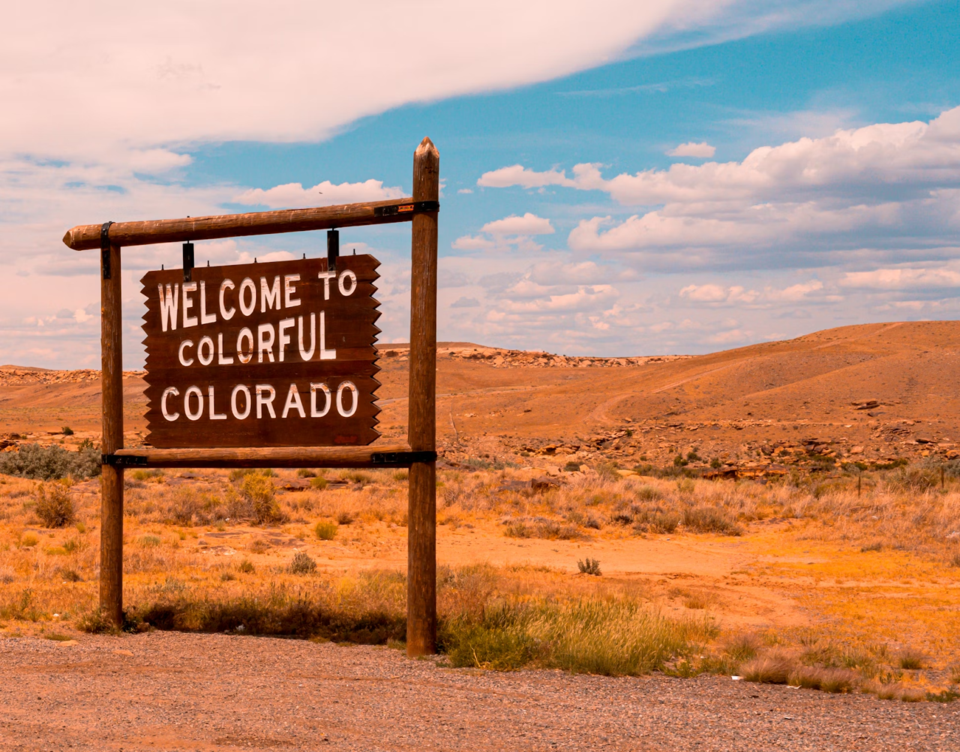
Photo by Arturo Rivera on Unsplash
Consistent hydration provides the most vital defense against altitude effects.
Drink twice as much water as usual to combat the rapid moisture evaporation from the skin due to low humidity. Carry a water bottle everywhere and set reminders if necessary. If you think you’re drinking enough water, drink more.
Simple remedies that actually work:
- Over-the-Counter Pain Relievers – Ibuprofen or acetaminophen can provide relief from high-altitude headaches while the body continues to acclimatize
- Ginger Root – A natural remedy for altitude-induced nausea, available as tea, capsules, or candied ginger
- Electrolyte Supplements – Help maintain proper hydration and mineral balance
Proactive prevention keeps minor issues from becoming major concerns. Pikes Peak Regional Hospital sees approximately 15 to 20 altitude-related ER visits per month during peak season, underscoring the importance of a systematic approach to high-altitude travel. Many of these visits could be prevented with proper preparation and awareness of warning signs.
Medical attention becomes crucial when symptoms persist or worsen. Listen to your body. Don’t push through severe discomfort in hopes of toughing it out.
Ready to Explore Colorado Safely?
Planning a trip to Colorado’s breathtaking landscapes requires more than packing your bags and booking a hotel.
Take time now to prepare your body for the altitude challenge ahead. Start adjusting your diet to include more carbohydrates a few days before departure, increase your daily water intake, and plan a gradual ascent schedule that allows your body proper acclimatization time.
Before you go, complete this checklist:
- Download a list of altitude sickness symptoms to your phone
- Pack over-the-counter pain relievers and ginger supplements
- Identify the nearest medical facilities at your destination
- Share your itinerary with someone back home
- Establish check-in times for accountability
These simple steps transform a potentially miserable experience into the adventure of a lifetime.
Respect the altitude, and enjoyment follows naturally.