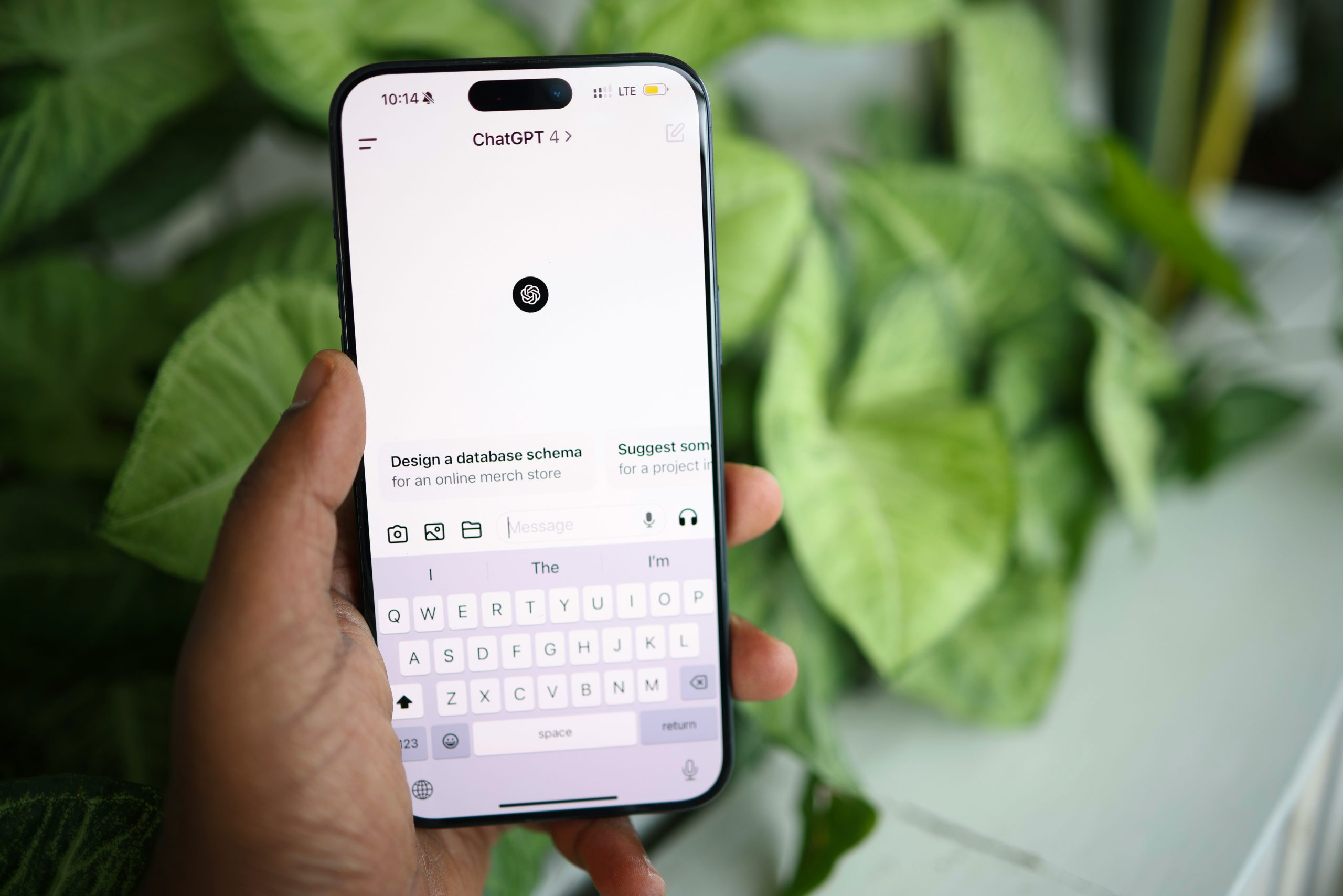
The bill would take effect on January 1 of 2027, and would implement rules for AI chatbots that interact with a user it suspects is under 18
A bill introduced to the Colorado House would require conversational AI models to institute safeguards to protect children from sexual content, suicide, emotional dependence and addiction. This includes AI chatbots as well as large language models like ChatGPT, Grok, and Claude. The bill’s language parallels a California law that took effect on January 1 and the AI companies are likely to conform their institutional safeguards to align with the strictest state policies to be implemented at a national level.
Colorado’s bill would take effect on January 1 of next year and would implement rules for AI chatbots that interact with a user that it reasonably suspects is under 18 years of age. AI models would be required to disclose that they are artificial intelligence at least once every three hours. They would be banned from providing points or rewards to encourage minors to spend more time interacting with the AI chatbot. Companies would need to implement “reasonable measures” to prevent the AI from “producing sexually explicit content or statements that stimulate emotional dependence.”
In addition to these safeguards, companies would need to provide tools to parents and guardians to be able to manage privacy and account settings for their children.
64% of teens have used AI chatbots according to Pew Research data while a Common Sense Media report found about one-third of teens have used AI chatbots for social interactions or relationships. About one-third have also chosen to discuss important matters with AI chatbots instead of real people.
OpenAI has faced lawsuits from multiple families who claim ChatGPT encouraged their family members to commit suicide, including a 40-year-old Colorado man and a 23-year-old recent Texas A&M graduate. All of the lawsuits that have made this allegation are still ongoing in the court system.
The Colorado bill requires companies to implement a protocol for responding to user prompts about self-harm or suicide and this protocol must be reported to the Attorney General’s office. If the bill passes, violators will be fined $1,000 per instance under the Colorado Consumer Protection Act as a deceptive trade practice.