From glassy alpine lakes to thrilling river rapids, paddle boarding in Colorado offers unforgettable experiences for every skill level.
Colorado has quietly become one of the best paddle boarding destinations in the country. With dozens of paddling spots spread across the state, from glassy alpine lakes to rushing whitewater parks, it's a playground for anyone who loves being on the water. And it's not hard to see why the sport has grown so fast here. The combination of stunning mountain scenery, accessible reservoirs near major cities, and genuine outdoor culture makes stand-up paddleboarding (SUP) feel right at home in the Rockies.
Whether it's a first time on a board or a seasoned outing, Colorado's outdoor scene has something for every level. Here's everything needed to plan the perfect Colorado paddleboarding adventure.
Why Colorado Is a Top Destination for Paddle Boarding
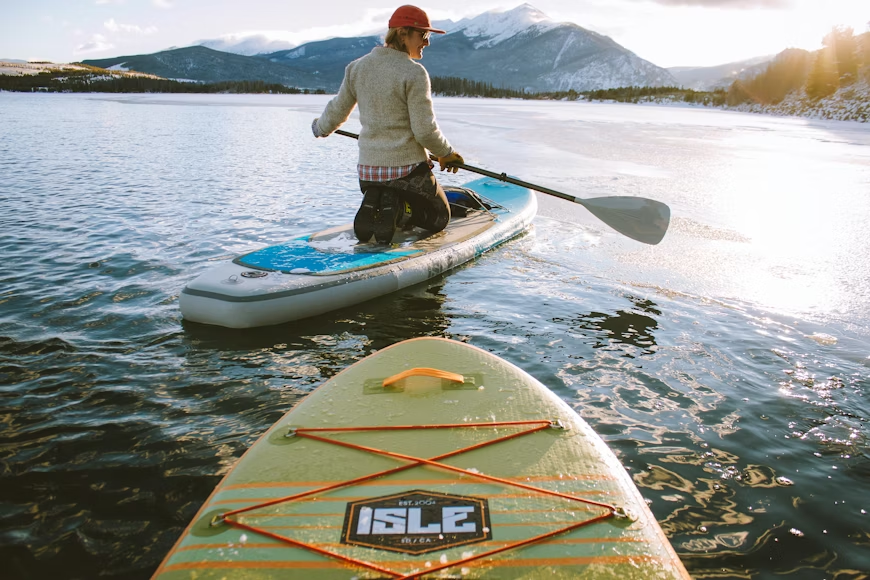
Photo by Daniel Forster on Unsplash
Stand-up paddleboarding is the fastest-growing paddle sport in the state. That's not just a fun fact — it reflects something real about how Coloradans approach the outdoors. The culture here prizes intentional recreation: people come to connect with nature, push their limits, and find moments of stillness away from the noise.
The geography helps too. Colorado offers a genuinely diverse water landscape:
Tranquil alpine lakes perfect for yoga, photography, and mellow paddles
Front Range urban reservoirs just minutes from Denver, Boulder, and Fort Collins
Urban whitewater runs and river corridors, from beginner-friendly city parks to challenging rapids for experienced paddlers
A full second metro area's worth of foothill reservoirs around Colorado Springs and Pikes Peak
Entire mountain-town paddling scenes in places like Aspen, Crested Butte, Gunnison, and Steamboat Springs
Remote mountain sites where solitude is practically guaranteed
Urban reservoirs offer convenience. Remote mountain sites offer something closer to magic. Many paddlers end up loving both.
Best Lakes for Paddle Boarding in Colorado
Union Reservoir
Union Reservoir sits right in Longmont, making it the most convenient put-in for local paddlers who don't want to drive an hour into the mountains for a workout on the water. It's a man-made lake offering consistent flatwater conditions, ideal for technique work or a casual evening paddle. The reservoir has a designated swim beach and a boat ramp on its south shore, and non-motorized craft including SUPs share the water with a small permitted fleet of sailboats and electric trollers, so conditions stay calm compared to gas-powered lakes closer to Denver.
A vehicle entrance fee applies at the gatehouse, and the park closes at sunset, so it's worth timing a session around the calmer morning or early-evening light. Anglers should note Union Reservoir is also stocked with warm-water species like largemouth bass and channel catfish, so it's common to see a rod holder clipped to the side of a board here.
Blue Mesa Reservoir
Blue Mesa is the biggest body of water in the state for mountain reservoir paddling, and the scale of it is genuinely humbling. The reservoir covers 9,180 acres and stretches along 96 miles of shoreline. There are quiet coves tucked away from motorized traffic, open water crossings for the adventurous, and constantly changing light that makes every trip feel different.
One word of caution: the sheer size of Blue Mesa means the weather can shift fast. Always check forecasts before heading out, and keep a close eye on the sky once on the water.
Dillon Reservoir
Dillon Reservoir sits about an hour from downtown Denver in Summit County, making it a natural weekend destination for Front Range paddlers. It features 26 miles of shoreline and water that stays extremely deep and cold throughout the summer. Cold water immersion is a real risk here, so proper safety gear — a wetsuit or drysuit — is strongly recommended regardless of the air temperature.
Frisco Bay Marina serves as the central hub for launches and local services. It's a solid starting point for both first-timers and regulars.
Chatfield Reservoir
Located in Littleton, Chatfield covers 1,423 acres of water surface and is one of the most accessible SUP spots near Denver. The best launch points are Eagle Cove and Roxborough Cove, both of which offer sheltered waters away from the wake of motorized boats. The $10 daily vehicle entrance fee helps maintain the park's facilities and trails. Chatfield gets busy on warm weekends, so arriving early pays off.
More Great Lakes to Explore
Colorado's lake options run deep. Here are more worth adding to the list:
Boulder Reservoir — 700 acres at 5,177 feet elevation, about 30 minutes from downtown Denver. Sandy beaches make for easy launches and relaxed afternoons. A daily entrance fee applies at the gatehouse.
Cherry Creek Reservoir — 880 acres inside Cherry Creek State Park at 5,551 feet. The Rocky Mountain views from the water are genuinely spectacular. A Colorado State Parks daily pass or annual pass is required for entry, and the swim beach near the marina makes a good, sheltered launch point.
Union Reservoir — A man-made lake in Longmont offering consistent flatwater conditions, ideal for technique work or a casual paddle.
Barr Lake State Park — The park spans 2,715 acres, with 1,950 acres designated for recreation. Birdwatching and paddling go exceptionally well together here. Only non-motorized craft are permitted, which keeps the water calm and makes it a favorite for beginner paddlers as well as birders.
Horsetooth Reservoir — Nestled in the foothills near Fort Collins, this one is a favorite for northern Colorado paddlers. The reservoir has four separate recreation areas with their own boat ramps, so it's worth checking which entrance is closest before making the drive.
McIntosh Lake — Accessed through Flanders Park, offers gorgeous views of Longs Peak and regular visits from ducks, geese, and egrets — another easy, low-key Longmont-area option for an early paddle before work.
Quail Lake — Quail Lake Park is the entry point here, with direct sightlines to the iconic Pikes Peak summit.
Sloan's Lake — The only lake in Denver that permits motorized boats, which means choppier conditions. Best suited for paddlers who are comfortable on moving water.
Colorado's shorelines are home to some genuinely fascinating wildlife. Moose, eagles, herons, and the occasional black bear are all part of the scenery — a reminder that paddling here means sharing space with weird and wonderful animals that deserve respect and a wide berth.
Paddle Boarding Near Colorado Springs and Pikes Peak
Colorado Springs is the state's second-largest metro area, and the Pikes Peak region has its own dense cluster of paddling spots that's easy to overlook if the trip planning stops at Denver. A stroll through downtown Colorado Springs pairs naturally with a morning on the water, since several of the best launch points sit within a short drive of the city center.
Rampart Reservoir
Tucked into Pike National Forest on the north side of Pikes Peak, is open roughly mid-May through October and is the area's go-to for a genuine mountain-lake feel. The reservoir covers more than 500 surface acres, and a day-use fee applies at the entrance; the access road is unpaved and can get rough in wet weather, so a vehicle with decent clearance helps.
Prospect Lake
Located centrally in Colorado Springs next to Memorial Park, has one of the area's only real swimming beaches along with mountain views toward Pikes Peak. Paddleboards require a permit here, with daily passes available at the boat launch kiosk and season passes sold separately — a detail worth knowing before loading the car.
Palmer Lake
It sits at the base of the Rampart Range near the town of the same name, with a regional recreation area that includes a picnic pavilion and access to the New Santa Fe Regional Trail for anyone who wants to stretch their legs after paddling.
Monument Lake
A roughly 30-acre reservoir north of the city in the town of Monument, offers free access for paddlers and calm, easy conditions that make it a good pick for beginners or families. It's also stocked with rainbow trout, catfish, perch, bluegill, and smallmouth bass, so it doubles as a solid SUP-fishing spot for anyone who wants to bring a rod along.
Colorado's Mountain-Town Paddling Scenes
Beyond the Front Range and Colorado Springs, several of Colorado's classic mountain towns have paddling scenes worth planning a whole trip around.
Aspen paddlers gravitate toward Ruedi Reservoir, about 20 minutes from downtown, where nearly 1,000 acres of water and a quiet, pine-lined shoreline make for an easy first outing at altitude. The glacial waters of Maroon Lake, inside the Maroon Bells-Snowmass Wilderness, are more iconic but come with limited, permitted access, so a little research before the drive pays off.
Crested Butte and Gunnison sit at the center of one of the state's most paddling-friendly valleys. Beyond Blue Mesa Reservoir, Lake Irwin near Crested Butte offers a quieter, high-alpine option, and the same Gunnison Valley mountain towns worth visiting in summer also cover the hiking and dining that pairs well with a day on the water. For those weighing where mountain living tends to concentrate at altitude, it's also worth a look at how Gunnison and Crested Butte rank among Colorado's highest elevation towns, since the thin air affects paddling stamina the same way it affects everyday life there.
Steamboat Springs paddlers often head to Pearl Lake for SUP or float the Yampa River for a mellower outing, then warm back up afterward — a pattern that lines up well with the Strawberry Park Hot Springs outside town, and with the broader case for visiting the region described in a look at Colorado's best winter vacation destinations, where Steamboat's hot springs and the San Juan Scenic Byway both get a mention.
Southwest Colorado's San Juan Mountains hold a few worthwhile detours too: Vallecito Reservoir near Durango, at about 7,800 feet, is one of the largest bodies of water at that elevation in the state, and Lake San Cristobal near Lake City is Colorado's second-largest natural lake, with cold, calm water that suits beginners. Both lakes are known for good trout fishing alongside the paddling, and paddlers near Westcliffe with a high-clearance vehicle can reach Balman Reservoir for a quieter, off-the-beaten-path session.
Top Rivers for Paddle Boarding Adventures
Photo by Michael Kirsh on Unsplash
Confluence Park
Right in downtown Denver, Confluence Park is where the South Platte River meets Cherry Creek, and its dam-controlled whitewater run makes it the most accessible urban river paddling in the state. The park's built rapid was specifically engineered to work for boaters of all ability levels, from beginners to expert kayakers and SUPers, and it's part of a broader lineup of outdoor activities in Denver worth combining into one city day. Confluence Kayaks, right next to the park, offers lessons and rentals for anyone who wants guidance before dropping in.
Glenwood Springs Whitewater Park
This is a historic spot. Glenwood Springs Whitewater Park was the very first whitewater park established on the Colorado River, and it remains one of the most exciting places in the state to practice river paddling. The park provides a controlled, wave-rich environment where paddlers can work on their skills before venturing into wilder stretches of the river.
For those who want guidance, the Glenwood Adventure Company offers expert-led tours through Colorado's whitewater parks. Having a knowledgeable guide on a first river run makes a real difference.
Lower Gunnison River
The Lower Gunnison is an intermediate-to-advanced experience, featuring Class 2 rapids that reward technical skill and good water-reading ability. Flow rates above 1,500 cubic feet per second (cfs) are generally considered too high for most paddlers, so monitoring the river gauge before launching is essential.
The canyon walls, the sound of moving water, and the sense of navigating something dynamic and alive — the Gunnison delivers all of it.
Best Times of Year to Go Paddle Boarding in Colorado
Late spring through early fall is the sweet spot for paddleboarding in Colorado, especially at alpine lakes where water temperatures are at their most manageable. The weather is most consistent during these months, and the scenery — wildflowers, green hillsides, dramatic cloud formations — is at its absolute peak.
A few timing tips worth keeping in mind:
Go early. Wind on Colorado alpine lakes typically picks up around noon and can get strong by afternoon. Morning sessions offer the calmest conditions and the best light.
Check the forecast. Mountain weather is unpredictable. A clear morning can become a stormy afternoon with surprising speed.
Plan for the drive. Some of the best spots are 30 to 90 minutes from major cities, so factor in travel time when planning a full-day outing.
Where to Rent Paddle Boards and Gear
Not everyone has a board strapped to their roof, and that's completely fine. Colorado has solid rental options across the state:
Frisco Bay Marina — Rentals available for Dillon Reservoir, right on site.
Rocky Mountain SUP at Grand Lake — Offers SUP Yoga classes for those looking to combine balance training with a beautiful alpine setting.
SUP Colorado Springs — Operates at both Prospect Lake and Quail Lake, covering the Pikes Peak region.
Outdoor Master — A good option for those ready to buy their own gear, offering free shipping on paddle boards.
Renting first is a smart move for beginners. It's a low-commitment way to figure out what board style and paddle length actually works before making a purchase.
Beginner Tips for Paddle Boarding at High Altitude
Photo by Holly Mandarich on Unsplash
Starting out? A few spots are particularly well-suited for learning the basics:
Big Soda Lake — Calm water and minimal motorized traffic make this an ideal learning environment.
Standley Lake — Similar conditions to Big Soda, with enough room to practice strokes without feeling crowded.
Jefferson Lake — A stunning alpine destination that sits above 10,000 feet in elevation. The thinner air at that altitude increases physical effort significantly, so shorter sessions and frequent water breaks are a good idea here.
High altitude brings specific challenges that are easy to underestimate. Watch for these signs that the body is struggling to adjust:
Headache or dizziness during physical activity
Rapid heart rate even while at rest
Shortness of breath that doesn't improve with a break
Extreme fatigue or muscle weakness
Nausea or loss of appetite
If any of these symptoms appear, getting off the water and resting at a lower elevation is the right move. Hydration is especially important at altitude — drink more water than usual, and start drinking before getting on the board.
Paddle Boarding Near Rocky Mountain National Park
Grand Lake, Shadow Mountain Lake, and Lake Granby, on the park's west side near the town of Grand Lake, form one continuous paddling area connected by boat channels, and all three welcome SUPs. Grand Lake itself is the largest and deepest natural lake in Colorado, which helps keep the surface calm in the early morning before wind picks up — the same window recommended in the complete Rocky Mountain National Park visitor guide for beating both crowds and afternoon storms.
Monarch Lake, reached via a scenic dirt road near the Indian Peaks Wilderness, bans motorized boats entirely, which keeps it quiet and ideal for canoes, kayaks, and SUPs alike.
On the park's east side near Estes Park, Sprague Lake permits paddleboarding as well, and it's an easy add-on to a day spent on the best Rocky Mountain National Park hiking trails, several of which start from trailheads a short drive from the lake.
Safety Tips for Paddle Boarding in Colorado Waters
Photo by Pascal Bernardon on Unsplash
Colorado's natural beauty comes with real wildlife. Moose are a common presence along alpine lake shorelines and deserve serious respect. Maintain a minimum distance of 100 yards from any moose at all times. A useful field check is the "thumb rule": if an outstretched thumb at arm's length can completely cover the animal, the distance is likely safe. If the animal is larger than a thumb, it's time to back away.
A few other safety essentials:
Chalk Lake prohibits all motorized watercraft, creating a peaceful, hazard-free zone for paddlers.
Bear Creek Lake Park in Lakewood offers 2,624 acres of protected water, making it a great spot for building skills in a controlled environment.
Big Soda Lake includes a swim beach and concessions, so it's easy to refuel after a morning on the water.
Always wear a personal flotation device (PFD), especially on cold-water reservoirs like Dillon, where hypothermia is a genuine risk.
Tell someone the plan. A quick note about where you're going and when to expect a return is good practice anytime you head onto open water.
Planning Your Perfect Colorado Paddle Boarding Trip
A little planning goes a long way. A few logistics worth knowing before heading out:
Cottonwood Lake requires a day-use vehicle fee and sits along the scenic Cottonwood Pass byway near Buena Vista. A high-elevation gem worth the drive.
Chatfield Reservoir charges a $10 daily vehicle entrance fee, which goes toward maintaining facilities and protecting the surrounding ecosystem.
Prospect Lake in Colorado Springs requires a separate paddleboard permit on top of any parking fee, and Union Reservoir in Longmont charges its own daily vehicle entrance fee — worth budgeting for alongside gas money.
Check current conditions. Water temperatures, wind forecasts, and local regulations can change. A few minutes of research before leaving the house prevents a lot of frustration once arriving at the launch.
Colorado is packed with breathtaking places to explore, and paddleboarding is one of the most rewarding ways to experience them. For those who find that time on the water only sharpens the appetite for bigger thrills, the state's bungee jumping spots are well worth a look when the next adventure calls.
Colorado has quietly become one of the best paddle boarding destinations in the country. With dozens of paddling spots spread across the state, from glassy alpine lakes to rushing whitewater parks, it’s a playground for anyone who loves being on the water. And it’s not hard to see why the sport has grown so fast here. The combination of stunning mountain scenery, accessible reservoirs near major cities, and genuine outdoor culture makes stand-up paddleboarding (SUP) feel right at home in the Rockies.
Whether it’s a first time on a board or a seasoned outing, Colorado’s outdoor scene has something for every level. Here’s everything needed to plan the perfect Colorado paddleboarding adventure.
Why Colorado Is a Top Destination for Paddle Boarding
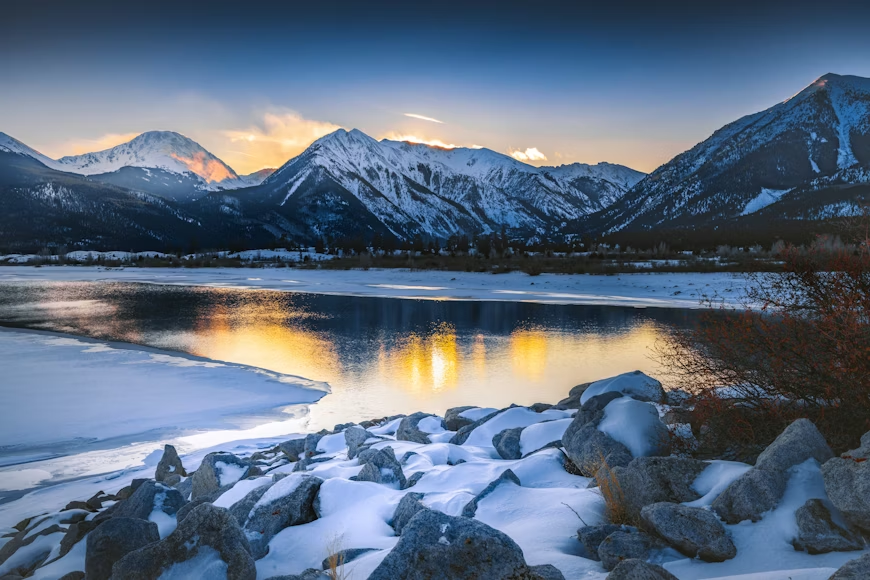
Photo by Daniel Forster on Unsplash
Stand-up paddleboarding is the fastest-growing paddle sport in the state. That’s not just a fun fact — it reflects something real about how Coloradans approach the outdoors. The culture here prizes intentional recreation: people come to connect with nature, push their limits, and find moments of stillness away from the noise.
The geography helps too. Colorado offers a genuinely diverse water landscape:
- Tranquil alpine lakes perfect for yoga, photography, and mellow paddles
- Front Range urban reservoirs just minutes from Denver, Boulder, and Fort Collins
- Urban whitewater runs and river corridors, from beginner-friendly city parks to challenging rapids for experienced paddlers
- A full second metro area’s worth of foothill reservoirs around Colorado Springs and Pikes Peak
- Entire mountain-town paddling scenes in places like Aspen, Crested Butte, Gunnison, and Steamboat Springs
- Remote mountain sites where solitude is practically guaranteed
Urban reservoirs offer convenience. Remote mountain sites offer something closer to magic. Many paddlers end up loving both.
Best Lakes for Paddle Boarding in Colorado
Union Reservoir
Union Reservoir sits right in Longmont, making it the most convenient put-in for local paddlers who don’t want to drive an hour into the mountains for a workout on the water. It’s a man-made lake offering consistent flatwater conditions, ideal for technique work or a casual evening paddle. The reservoir has a designated swim beach and a boat ramp on its south shore, and non-motorized craft including SUPs share the water with a small permitted fleet of sailboats and electric trollers, so conditions stay calm compared to gas-powered lakes closer to Denver.
A vehicle entrance fee applies at the gatehouse, and the park closes at sunset, so it’s worth timing a session around the calmer morning or early-evening light. Anglers should note Union Reservoir is also stocked with warm-water species like largemouth bass and channel catfish, so it’s common to see a rod holder clipped to the side of a board here.
Blue Mesa Reservoir
Blue Mesa is the biggest body of water in the state for mountain reservoir paddling, and the scale of it is genuinely humbling. The reservoir covers 9,180 acres and stretches along 96 miles of shoreline. There are quiet coves tucked away from motorized traffic, open water crossings for the adventurous, and constantly changing light that makes every trip feel different.
One word of caution: the sheer size of Blue Mesa means the weather can shift fast. Always check forecasts before heading out, and keep a close eye on the sky once on the water.
Dillon Reservoir
Dillon Reservoir sits about an hour from downtown Denver in Summit County, making it a natural weekend destination for Front Range paddlers. It features 26 miles of shoreline and water that stays extremely deep and cold throughout the summer. Cold water immersion is a real risk here, so proper safety gear — a wetsuit or drysuit — is strongly recommended regardless of the air temperature.
Frisco Bay Marina serves as the central hub for launches and local services. It’s a solid starting point for both first-timers and regulars.
Chatfield Reservoir
Located in Littleton, Chatfield covers 1,423 acres of water surface and is one of the most accessible SUP spots near Denver. The best launch points are Eagle Cove and Roxborough Cove, both of which offer sheltered waters away from the wake of motorized boats. The $10 daily vehicle entrance fee helps maintain the park’s facilities and trails. Chatfield gets busy on warm weekends, so arriving early pays off.
More Great Lakes to Explore
Colorado’s lake options run deep. Here are more worth adding to the list:
- Boulder Reservoir — 700 acres at 5,177 feet elevation, about 30 minutes from downtown Denver. Sandy beaches make for easy launches and relaxed afternoons. A daily entrance fee applies at the gatehouse.
- Cherry Creek Reservoir — 880 acres inside Cherry Creek State Park at 5,551 feet. The Rocky Mountain views from the water are genuinely spectacular. A Colorado State Parks daily pass or annual pass is required for entry, and the swim beach near the marina makes a good, sheltered launch point.
- Union Reservoir — A man-made lake in Longmont offering consistent flatwater conditions, ideal for technique work or a casual paddle.
- Barr Lake State Park — The park spans 2,715 acres, with 1,950 acres designated for recreation. Birdwatching and paddling go exceptionally well together here. Only non-motorized craft are permitted, which keeps the water calm and makes it a favorite for beginner paddlers as well as birders.
- Horsetooth Reservoir — Nestled in the foothills near Fort Collins, this one is a favorite for northern Colorado paddlers. The reservoir has four separate recreation areas with their own boat ramps, so it’s worth checking which entrance is closest before making the drive.
- McIntosh Lake — Accessed through Flanders Park, offers gorgeous views of Longs Peak and regular visits from ducks, geese, and egrets — another easy, low-key Longmont-area option for an early paddle before work.
- Quail Lake — Quail Lake Park is the entry point here, with direct sightlines to the iconic Pikes Peak summit.
- Sloan’s Lake — The only lake in Denver that permits motorized boats, which means choppier conditions. Best suited for paddlers who are comfortable on moving water.
Colorado’s shorelines are home to some genuinely fascinating wildlife. Moose, eagles, herons, and the occasional black bear are all part of the scenery — a reminder that paddling here means sharing space with weird and wonderful animals that deserve respect and a wide berth.
Paddle Boarding Near Colorado Springs and Pikes Peak
Colorado Springs is the state’s second-largest metro area, and the Pikes Peak region has its own dense cluster of paddling spots that’s easy to overlook if the trip planning stops at Denver. A stroll through downtown Colorado Springs pairs naturally with a morning on the water, since several of the best launch points sit within a short drive of the city center.
Rampart Reservoir
Tucked into Pike National Forest on the north side of Pikes Peak, is open roughly mid-May through October and is the area’s go-to for a genuine mountain-lake feel. The reservoir covers more than 500 surface acres, and a day-use fee applies at the entrance; the access road is unpaved and can get rough in wet weather, so a vehicle with decent clearance helps.
Prospect Lake
Located centrally in Colorado Springs next to Memorial Park, has one of the area’s only real swimming beaches along with mountain views toward Pikes Peak. Paddleboards require a permit here, with daily passes available at the boat launch kiosk and season passes sold separately — a detail worth knowing before loading the car.
Palmer Lake
It sits at the base of the Rampart Range near the town of the same name, with a regional recreation area that includes a picnic pavilion and access to the New Santa Fe Regional Trail for anyone who wants to stretch their legs after paddling.
Monument Lake
A roughly 30-acre reservoir north of the city in the town of Monument, offers free access for paddlers and calm, easy conditions that make it a good pick for beginners or families. It’s also stocked with rainbow trout, catfish, perch, bluegill, and smallmouth bass, so it doubles as a solid SUP-fishing spot for anyone who wants to bring a rod along.
Colorado’s Mountain-Town Paddling Scenes
Beyond the Front Range and Colorado Springs, several of Colorado’s classic mountain towns have paddling scenes worth planning a whole trip around.
Aspen paddlers gravitate toward Ruedi Reservoir, about 20 minutes from downtown, where nearly 1,000 acres of water and a quiet, pine-lined shoreline make for an easy first outing at altitude. The glacial waters of Maroon Lake, inside the Maroon Bells-Snowmass Wilderness, are more iconic but come with limited, permitted access, so a little research before the drive pays off.
Crested Butte and Gunnison sit at the center of one of the state’s most paddling-friendly valleys. Beyond Blue Mesa Reservoir, Lake Irwin near Crested Butte offers a quieter, high-alpine option, and the same Gunnison Valley mountain towns worth visiting in summer also cover the hiking and dining that pairs well with a day on the water. For those weighing where mountain living tends to concentrate at altitude, it’s also worth a look at how Gunnison and Crested Butte rank among Colorado’s highest elevation towns, since the thin air affects paddling stamina the same way it affects everyday life there.
Steamboat Springs paddlers often head to Pearl Lake for SUP or float the Yampa River for a mellower outing, then warm back up afterward — a pattern that lines up well with the Strawberry Park Hot Springs outside town, and with the broader case for visiting the region described in a look at Colorado’s best winter vacation destinations, where Steamboat’s hot springs and the San Juan Scenic Byway both get a mention.
Southwest Colorado’s San Juan Mountains hold a few worthwhile detours too: Vallecito Reservoir near Durango, at about 7,800 feet, is one of the largest bodies of water at that elevation in the state, and Lake San Cristobal near Lake City is Colorado’s second-largest natural lake, with cold, calm water that suits beginners. Both lakes are known for good trout fishing alongside the paddling, and paddlers near Westcliffe with a high-clearance vehicle can reach Balman Reservoir for a quieter, off-the-beaten-path session.
Top Rivers for Paddle Boarding Adventures
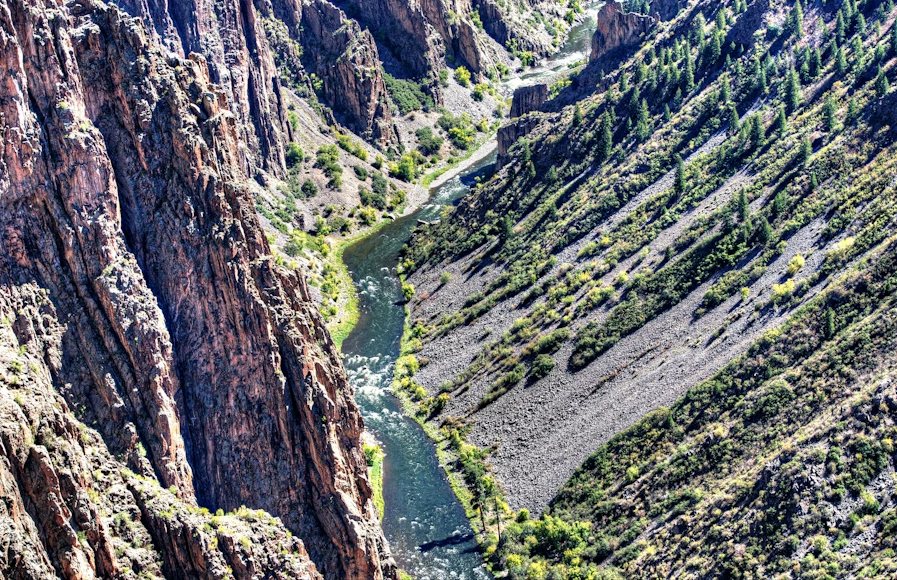
Photo by Michael Kirsh on Unsplash
Confluence Park
Right in downtown Denver, Confluence Park is where the South Platte River meets Cherry Creek, and its dam-controlled whitewater run makes it the most accessible urban river paddling in the state. The park’s built rapid was specifically engineered to work for boaters of all ability levels, from beginners to expert kayakers and SUPers, and it’s part of a broader lineup of outdoor activities in Denver worth combining into one city day. Confluence Kayaks, right next to the park, offers lessons and rentals for anyone who wants guidance before dropping in.
Glenwood Springs Whitewater Park
This is a historic spot. Glenwood Springs Whitewater Park was the very first whitewater park established on the Colorado River, and it remains one of the most exciting places in the state to practice river paddling. The park provides a controlled, wave-rich environment where paddlers can work on their skills before venturing into wilder stretches of the river.
For those who want guidance, the Glenwood Adventure Company offers expert-led tours through Colorado’s whitewater parks. Having a knowledgeable guide on a first river run makes a real difference.
Lower Gunnison River
The Lower Gunnison is an intermediate-to-advanced experience, featuring Class 2 rapids that reward technical skill and good water-reading ability. Flow rates above 1,500 cubic feet per second (cfs) are generally considered too high for most paddlers, so monitoring the river gauge before launching is essential.
The canyon walls, the sound of moving water, and the sense of navigating something dynamic and alive — the Gunnison delivers all of it.
Best Times of Year to Go Paddle Boarding in Colorado
Late spring through early fall is the sweet spot for paddleboarding in Colorado, especially at alpine lakes where water temperatures are at their most manageable. The weather is most consistent during these months, and the scenery — wildflowers, green hillsides, dramatic cloud formations — is at its absolute peak.
A few timing tips worth keeping in mind:
- Go early. Wind on Colorado alpine lakes typically picks up around noon and can get strong by afternoon. Morning sessions offer the calmest conditions and the best light.
- Check the forecast. Mountain weather is unpredictable. A clear morning can become a stormy afternoon with surprising speed.
- Plan for the drive. Some of the best spots are 30 to 90 minutes from major cities, so factor in travel time when planning a full-day outing.
Where to Rent Paddle Boards and Gear
Not everyone has a board strapped to their roof, and that’s completely fine. Colorado has solid rental options across the state:
- Frisco Bay Marina — Rentals available for Dillon Reservoir, right on site.
- Rocky Mountain SUP at Grand Lake — Offers SUP Yoga classes for those looking to combine balance training with a beautiful alpine setting.
- SUP Colorado Springs — Operates at both Prospect Lake and Quail Lake, covering the Pikes Peak region.
- Outdoor Master — A good option for those ready to buy their own gear, offering free shipping on paddle boards.
Renting first is a smart move for beginners. It’s a low-commitment way to figure out what board style and paddle length actually works before making a purchase.
Beginner Tips for Paddle Boarding at High Altitude
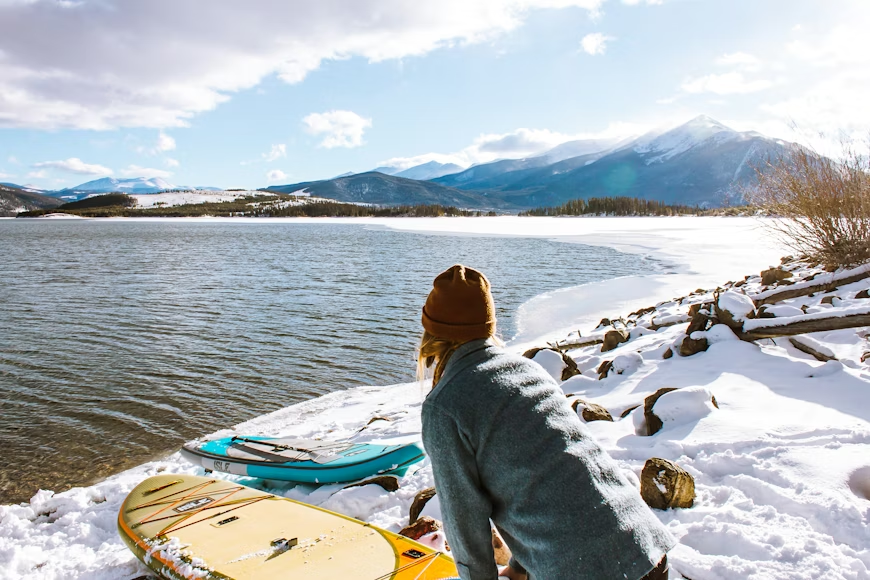
Photo by Holly Mandarich on Unsplash
Starting out? A few spots are particularly well-suited for learning the basics:
- Big Soda Lake — Calm water and minimal motorized traffic make this an ideal learning environment.
- Standley Lake — Similar conditions to Big Soda, with enough room to practice strokes without feeling crowded.
- Jefferson Lake — A stunning alpine destination that sits above 10,000 feet in elevation. The thinner air at that altitude increases physical effort significantly, so shorter sessions and frequent water breaks are a good idea here.
High altitude brings specific challenges that are easy to underestimate. Watch for these signs that the body is struggling to adjust:
- Headache or dizziness during physical activity
- Rapid heart rate even while at rest
- Shortness of breath that doesn’t improve with a break
- Extreme fatigue or muscle weakness
- Nausea or loss of appetite
If any of these symptoms appear, getting off the water and resting at a lower elevation is the right move. Hydration is especially important at altitude — drink more water than usual, and start drinking before getting on the board.
Paddle Boarding Near Rocky Mountain National Park
Grand Lake, Shadow Mountain Lake, and Lake Granby, on the park’s west side near the town of Grand Lake, form one continuous paddling area connected by boat channels, and all three welcome SUPs. Grand Lake itself is the largest and deepest natural lake in Colorado, which helps keep the surface calm in the early morning before wind picks up — the same window recommended in the complete Rocky Mountain National Park visitor guide for beating both crowds and afternoon storms.
Monarch Lake, reached via a scenic dirt road near the Indian Peaks Wilderness, bans motorized boats entirely, which keeps it quiet and ideal for canoes, kayaks, and SUPs alike.
On the park’s east side near Estes Park, Sprague Lake permits paddleboarding as well, and it’s an easy add-on to a day spent on the best Rocky Mountain National Park hiking trails, several of which start from trailheads a short drive from the lake.
Safety Tips for Paddle Boarding in Colorado Waters
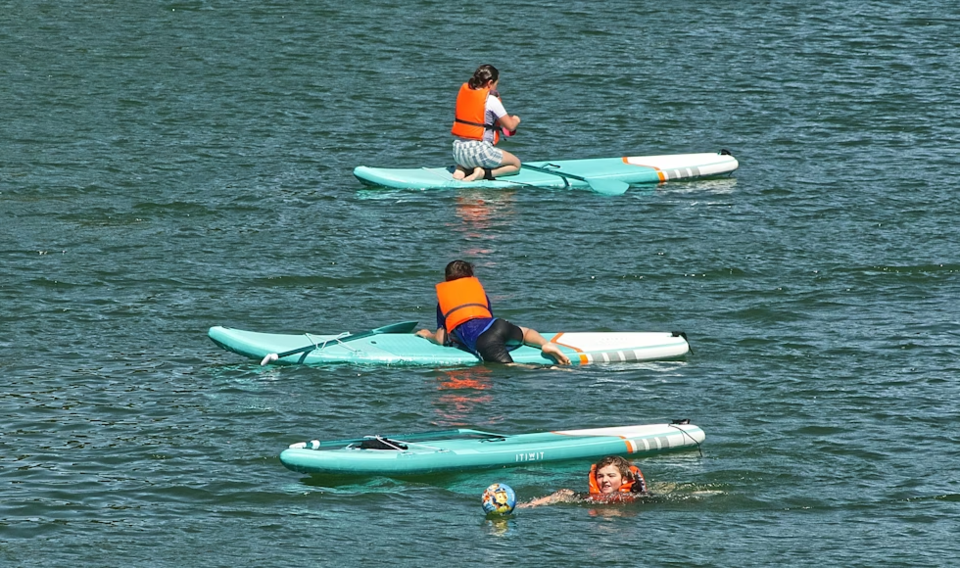
Photo by Pascal Bernardon on Unsplash
Colorado’s natural beauty comes with real wildlife. Moose are a common presence along alpine lake shorelines and deserve serious respect. Maintain a minimum distance of 100 yards from any moose at all times. A useful field check is the “thumb rule”: if an outstretched thumb at arm’s length can completely cover the animal, the distance is likely safe. If the animal is larger than a thumb, it’s time to back away.
A few other safety essentials:
- Chalk Lake prohibits all motorized watercraft, creating a peaceful, hazard-free zone for paddlers.
- Bear Creek Lake Park in Lakewood offers 2,624 acres of protected water, making it a great spot for building skills in a controlled environment.
- Big Soda Lake includes a swim beach and concessions, so it’s easy to refuel after a morning on the water.
- Always wear a personal flotation device (PFD), especially on cold-water reservoirs like Dillon, where hypothermia is a genuine risk.
- Tell someone the plan. A quick note about where you’re going and when to expect a return is good practice anytime you head onto open water.
Planning Your Perfect Colorado Paddle Boarding Trip
A little planning goes a long way. A few logistics worth knowing before heading out:
- Cottonwood Lake requires a day-use vehicle fee and sits along the scenic Cottonwood Pass byway near Buena Vista. A high-elevation gem worth the drive.
- Chatfield Reservoir charges a $10 daily vehicle entrance fee, which goes toward maintaining facilities and protecting the surrounding ecosystem.
- Prospect Lake in Colorado Springs requires a separate paddleboard permit on top of any parking fee, and Union Reservoir in Longmont charges its own daily vehicle entrance fee — worth budgeting for alongside gas money.
- Check current conditions. Water temperatures, wind forecasts, and local regulations can change. A few minutes of research before leaving the house prevents a lot of frustration once arriving at the launch.
Colorado is packed with breathtaking places to explore, and paddleboarding is one of the most rewarding ways to experience them. For those who find that time on the water only sharpens the appetite for bigger thrills, the state’s bungee jumping spots are well worth a look when the next adventure calls.