Living in Broomfield puts you halfway between Denver and Boulder, with top-notch schools, open space, and a thriving job market.
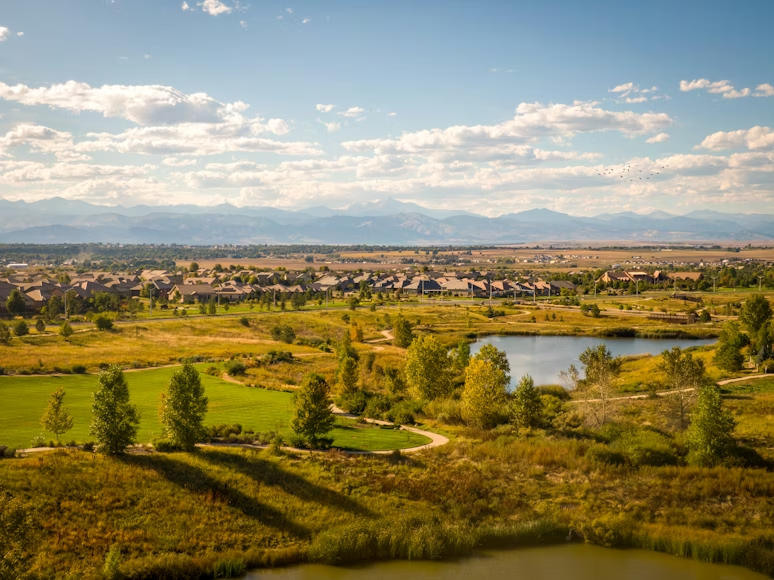
Broomfield has a personality all its own. Set between Denver and Boulder along Colorado's dynamic Front Range, this consolidated city-county offers something genuinely rare: a suburban lifestyle with big-city proximity, stunning mountain views, and a community that takes both its outdoor spaces and its business climate seriously.
Whether someone is weighing a relocation, comparing Front Range cities, or just curious about what daily life here actually looks like, this guide covers everything worth knowing, from housing costs and neighborhood vibes to the job market, schools, and weekend adventures.
Why People Choose Broomfield
Location is the single biggest draw.
Broomfield sits between Denver and Boulder, giving residents access to both cities without having to live in either urban core. Downtown Denver is usually around a 25- to 30-minute drive in normal traffic, while Boulder is also within easy reach along US 36.
For professionals who want regional access, or families who want suburban space with nearby job centers, that location is one of Broomfield’s biggest draws.
Then there's the altitude. The city sits at 5,420 feet above sea level, delivering those sweeping panoramic views of the Front Range that Colorado is famous for. The semi-arid climate means low humidity, abundant sunshine, and four distinct seasons that support an active outdoor lifestyle year-round.
Broomfield also occupies a unique legal status: it functions as both a city and a county, a consolidated government structure that simplifies administration and streamlines services. That may sound like a bureaucratic detail, but it translates into efficient local governance and a community that tends to run smoothly.
The city spans about 33 square miles and has roughly 78,000 residents, based on recent Census estimates. It is large enough to feel active, but still small enough to keep a suburban community feel.
The Feel of the Place: Suburban, Active, and Professionally Oriented
Broomfield skews suburban in the best sense of the word. The pace is calmer than Denver's urban core, the neighborhoods are well-maintained, and the community is genuinely invested in quality of life. Residents here tend to be educated professionals, young families, and outdoor enthusiasts who want proximity to nature without sacrificing career opportunities.
The entrepreneurial energy is real, too. Broomfield has positioned itself as a resource for solopreneurs, founders, and growing companies, and the presence of major employers reinforces that professional culture. It's a place where ambition and outdoor recreation coexist without much friction.
That said, Broomfield is distinctly car-dependent. With a Walk Score of 33 and a Transit Score of 10, daily errands almost always require a vehicle. Public transportation options are minimal. Anyone who prioritizes walkability or relies on transit should factor that in carefully.
Broomfield's Climate: Sunshine, Snow, and Everything Between
Photo by Matthew McBrayer on Unsplash
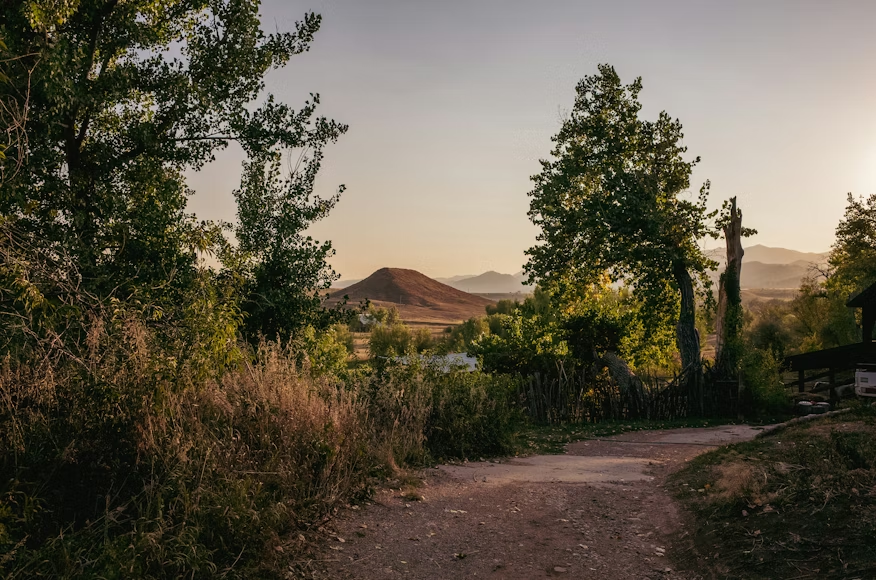
Colorado's climate is a major lifestyle feature, and Broomfield delivers the full experience. Summers are warm and dry, with temperatures typically climbing into the mid-80s°F. The low humidity makes even hot days feel manageable. Afternoon thunderstorms roll through regularly from June through August, which keeps things interesting.
Winters bring cold temperatures and occasional snow, though Broomfield typically sees less snowfall than mountain communities. The city averages around 60 inches of snow annually, but sunny days are frequent even in winter, and accumulations tend to melt off quickly. Spring and fall are mild and genuinely beautiful, with the mountains shifting colors in the background.
The high-altitude sun is intense year-round. Sunscreen, sunglasses, and staying hydrated are non-negotiable habits for long-term residents.
Neighborhoods in Broomfield
The city's neighborhoods each have a distinct character. Here's a closer look at the most notable ones.
The Meadows
A master-planned community built around connectivity. The Meadows features an integrated network of parks and trails woven directly into the neighborhood layout, making it ideal for active residents who want outdoor access right outside the front door. It attracts young families and professionals who prioritize green space and community feel.
Westlake Village
Westlake Village is an established residential area in Broomfield with practical access to schools, parks, shopping, and commuter routes. It works well for residents who want a quieter neighborhood feel without being far from daily essentials.
Anthem
A newer master-planned community in north Broomfield, Anthem is one of the city's most sought-after neighborhoods for families. It features resort-style amenities including a community pool, fitness center, parks, and miles of trails — all organized around a strong HOA structure that keeps the neighborhood immaculate. Anthem's mix of spacious single-family homes and access to top-rated schools within the Adams 12 Five Star Schools district make it a natural fit for households putting down long-term roots.
Broadlands
Broadlands strikes a balance between established suburban comfort and active outdoor living. Built around a scenic golf course, the neighborhood offers a mix of townhomes and single-family residences across a well-landscaped setting. Residents enjoy easy access to nearby open space trails, and the community's family-friendly atmosphere has made it consistently popular with professionals relocating from Denver or Boulder.
McKay Landing
McKay Landing is a tight-knit community centered on a beautiful lake and extensive trail connections. The neighborhood draws residents who value a quieter, more nature-integrated lifestyle without sacrificing convenience — grocery stores, dining, and major highways are all within a short drive. Its mix of price points also makes it one of the more accessible entry points into Broomfield's housing market.
Broomfield Heights
One of Broomfield's older and more established areas, Broomfield Heights has a character that newer master-planned communities can't replicate. The neighborhood features mature trees, larger lots, and a mix of mid-century and updated homes that appeal to buyers who prefer authenticity over uniformity. Its central location puts residents close to city services, parks, and the broader trail network that runs throughout Broomfield.
Northmoor
Northmoor is another established Broomfield neighborhood with older homes, mature trees, and convenient access to parks and local services.
Ironhorse Golf Course
Views and modern construction make Ironhorse a draw for recreational enthusiasts. Homes here often feature upscale finishes, and the proximity to high-end amenities reflects the neighborhood's professional demographic.
Cost of Living in Broomfield
Living in Broomfield costs significantly more than the national average, with housing as the primary factor driving higher expenses.
Housing
Housing is the biggest cost driver in Broomfield. Census data shows a median owner-occupied home value of about $664,500 and median gross rent of about $2,126 for 2020–2024, though current market prices can shift by neighborhood and season.
Household Income
The good news is that incomes here are strong. Median household income exceeds $120,000 annually, which helps residents absorb the higher cost of housing and services. The economic environment skews solidly middle-to-upper-class.
Other Costs
Groceries, utilities, and everyday expenses track somewhat above national averages, which is typical across Colorado's major cities. Transportation costs are relatively predictable for car owners, though gas prices fluctuate with national trends. Anyone moving from a lower cost-of-living area should budget carefully, particularly for housing.
Safety in Broomfield
Broomfield is generally considered a safe place to live. The city's crime rates are low relative to many comparable suburban communities along the Front Range, and the consolidated city-county structure supports coordinated public safety efforts.
Property crime is more common than violent crime, as is typical in suburban areas. Neighborhoods like The Meadows, Westlake, and Ironhorse tend to be among the more stable from a safety standpoint. Broomfield holds up well when stacked against the safest cities in Colorado. Crime rates in Broomfield are generally lower than those in many larger metro areas in Colorado, contributing to its reputation as a family-friendly suburban community.
Schools and Education
Broomfield families should check school boundaries carefully before choosing a home, because the city is served by several public school districts.
The City and County of Broomfield lists Adams 12 Five Star Schools, Boulder Valley School District, Brighton School District, Fort Lupton School District, Jefferson County School District R-1, and St. Vrain Valley School District among the districts connected to Broomfield.
Adams 12 and Boulder Valley serve major portions of the city, but district lines can change from one neighborhood to another. Parents should verify the assigned schools for a specific address before buying or renting.
Private, parochial, special needs, vocational, and higher education options are also available in or near the broader Broomfield area.
Job Market and Commuting
Broomfield's local economy punches above its size.
The Interlocken Business Park is the city's primary employment hub, hosting thousands of professionals across technology, healthcare, and engineering. Major employers include Oracle, SCL Health, and Ball Corporation, all of which provide stable, well-compensated career opportunities. Broomfield hosts a strong local employment base, which reduces the pressure on residents to commute far for work.
For those who commute, access is excellent. Interstate 25 and US 36 both run through or near the city, connecting residents to Denver and Boulder with relative ease. Average commute times run about 25 minutes, which is notably efficient for a metro area of this size.
Remote workers will find Broomfield equally accommodating. The professional demographic, quality housing stock, and proximity to coffee shops, coworking spaces, and amenities make it a natural fit for location-flexible employees.
Outdoor Recreation and Local Attractions
Photo by Yusheng Deng on Unsplash
Outdoor access is one of Broomfield’s strongest lifestyle perks.
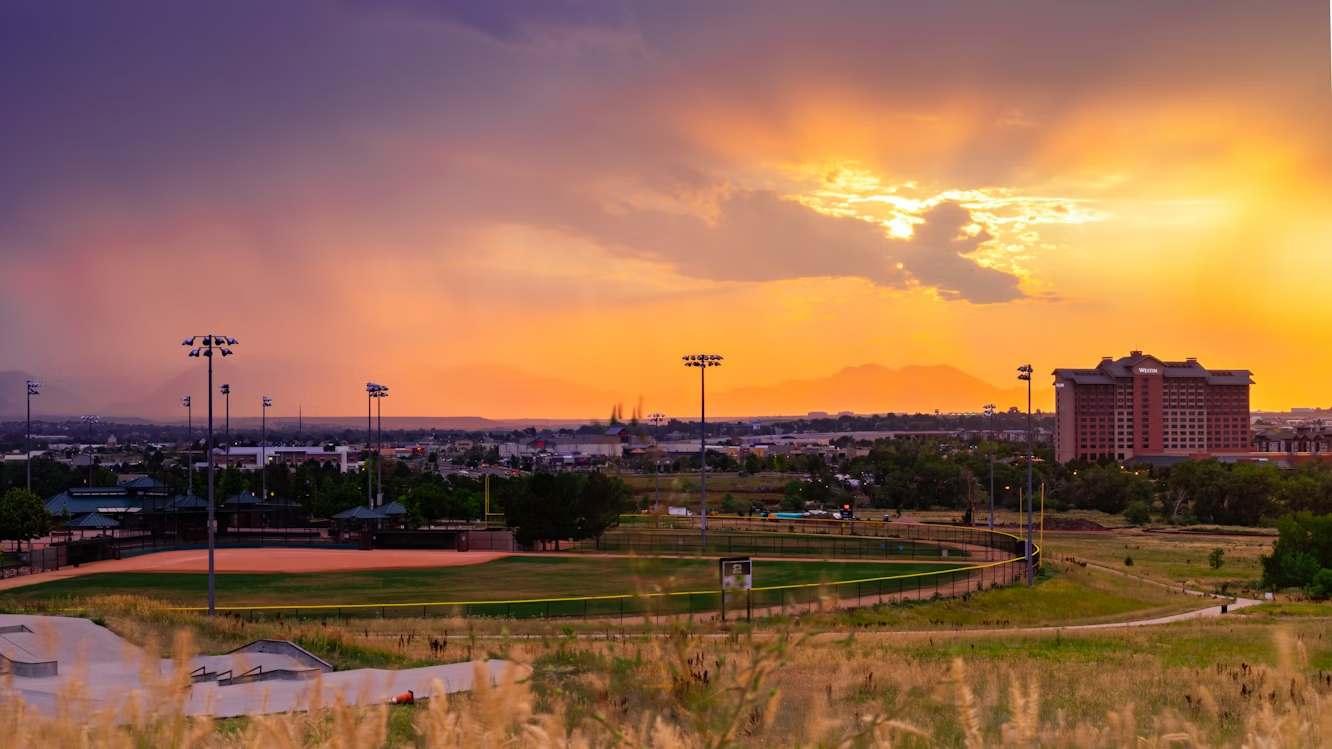
Broomfield offers expansive open space alongside a well-developed network of trails, creating an interconnected system that links neighborhoods to parks, lakes, and natural areas. There are dozens of parks distributed across the city. For a suburban community, that's a remarkable commitment to preserving the outdoors.
Top recreation highlights:
Standley Lake Regional Park and Wildlife Refuge — A nearby Westminster recreation area that many northwest metro residents use for boating, fishing, camping, wildlife viewing, and nature programs. It should be framed as a regional attraction near Broomfield, not as a park inside Broomfield city limits.
Trail network — an extensive system of walking, running, and cycling routes used for both recreation and daily movement.
Day trips from Broomfield open up quickly. Rocky Mountain National Park, the Flatirons in Boulder, and a string of hiking and skiing destinations sit within an hour or two, several of which rank among Colorado's most iconic landmarks worth adding to a weekend itinerary.
Shopping, Dining, and Entertainment
Daily conveniences are well-covered in Broomfield.
FlatIron Crossing is the city’s main retail anchor, with a large mix of stores, restaurants, and AMC Theatres. It serves Broomfield and the broader north Denver metro area, drawing shoppers from nearby communities as well.
Beyond the mall, the city supports hundreds of restaurants, bars, and coffee shops. International cuisines, local craft breweries, and neighborhood coffee spots are all well-represented, covering everything residents need without requiring a drive into the city.
Pros and Cons of Living in Broomfield
Pros:
Exceptional location halfway between Denver and Boulder, with direct highway access to both
Strong open space, parks, recreation, and trail planning across the city
Strong job market with major employers concentrated within city limits
High median household income exceeding $120,000 annually
Safe, well-maintained neighborhoods with a strong community culture
Low humidity and abundant sunshine support year-round outdoor activity
Solid public school options across multiple districts
A diverse range of neighborhoods — from newer master-planned communities like Anthem and Broadlands to established areas like Broomfield Heights — giving buyers and renters genuine options at different price points
Cons:
The cost-of-living index is notably above the national average
Competitive housing market with a median sale price of $631,600
Car-dependency is real: A Walk Score of 33 and a Transit Score of 10 mean a vehicle is essential
Minimal public transit options for commuters
Higher pricing premiums compared to more affordable neighboring communities
Is Broomfield the Right Fit?
Broomfield is a strong choice for professionals, families, and outdoor enthusiasts who want a high quality of life in one of Colorado's most dynamic communities. The tradeoffs are real, particularly around cost and car-dependency, but for those who value proximity to both Denver and Boulder, abundant open space, good schools, and a safe suburban atmosphere, Broomfield delivers consistently.
The best way to know if it's the right fit is to experience it firsthand. Walk The Meadows trail system on a weekday morning. Drive through established neighborhoods like Westlake Village, Northmoor, or Broomfield Heights. Explore the Interlocken area to get a sense of Broomfield’s business-oriented atmosphere. Spend an afternoon exploring McKay Landing's lakeside trails or touring a home in Broadlands to get a sense of how the community lives day to day.
Ready to take the next step? Start by narrowing down which Broomfield neighborhood matches the lifestyle, then schedule a visit to experience the community in person. The Front Range has a lot to offer, and Broomfield is one of its most well-rounded options.
Broomfield has a personality all its own. Set between Denver and Boulder along Colorado‘s dynamic Front Range, this consolidated city-county offers something genuinely rare: a suburban lifestyle with big-city proximity, stunning mountain views, and a community that takes both its outdoor spaces and its business climate seriously.
Whether someone is weighing a relocation, comparing Front Range cities, or just curious about what daily life here actually looks like, this guide covers everything worth knowing, from housing costs and neighborhood vibes to the job market, schools, and weekend adventures.
Why People Choose Broomfield
Location is the single biggest draw.
Broomfield sits between Denver and Boulder, giving residents access to both cities without having to live in either urban core. Downtown Denver is usually around a 25- to 30-minute drive in normal traffic, while Boulder is also within easy reach along US 36.
For professionals who want regional access, or families who want suburban space with nearby job centers, that location is one of Broomfield’s biggest draws.
Then there’s the altitude. The city sits at 5,420 feet above sea level, delivering those sweeping panoramic views of the Front Range that Colorado is famous for. The semi-arid climate means low humidity, abundant sunshine, and four distinct seasons that support an active outdoor lifestyle year-round.
Broomfield also occupies a unique legal status: it functions as both a city and a county, a consolidated government structure that simplifies administration and streamlines services. That may sound like a bureaucratic detail, but it translates into efficient local governance and a community that tends to run smoothly.
The city spans about 33 square miles and has roughly 78,000 residents, based on recent Census estimates. It is large enough to feel active, but still small enough to keep a suburban community feel.
The Feel of the Place: Suburban, Active, and Professionally Oriented
Broomfield skews suburban in the best sense of the word. The pace is calmer than Denver’s urban core, the neighborhoods are well-maintained, and the community is genuinely invested in quality of life. Residents here tend to be educated professionals, young families, and outdoor enthusiasts who want proximity to nature without sacrificing career opportunities.
The entrepreneurial energy is real, too. Broomfield has positioned itself as a resource for solopreneurs, founders, and growing companies, and the presence of major employers reinforces that professional culture. It’s a place where ambition and outdoor recreation coexist without much friction.
That said, Broomfield is distinctly car-dependent. With a Walk Score of 33 and a Transit Score of 10, daily errands almost always require a vehicle. Public transportation options are minimal. Anyone who prioritizes walkability or relies on transit should factor that in carefully.
Broomfield’s Climate: Sunshine, Snow, and Everything Between
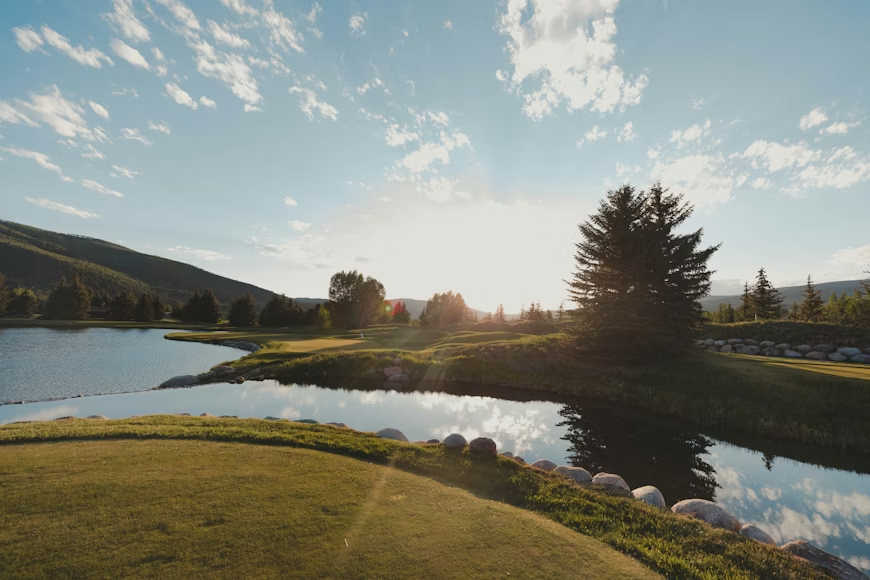
Photo by Matthew McBrayer on Unsplash
Colorado’s climate is a major lifestyle feature, and Broomfield delivers the full experience. Summers are warm and dry, with temperatures typically climbing into the mid-80s°F. The low humidity makes even hot days feel manageable. Afternoon thunderstorms roll through regularly from June through August, which keeps things interesting.
Winters bring cold temperatures and occasional snow, though Broomfield typically sees less snowfall than mountain communities. The city averages around 60 inches of snow annually, but sunny days are frequent even in winter, and accumulations tend to melt off quickly. Spring and fall are mild and genuinely beautiful, with the mountains shifting colors in the background.
The high-altitude sun is intense year-round. Sunscreen, sunglasses, and staying hydrated are non-negotiable habits for long-term residents.
Neighborhoods in Broomfield
The city’s neighborhoods each have a distinct character. Here’s a closer look at the most notable ones.
The Meadows
A master-planned community built around connectivity. The Meadows features an integrated network of parks and trails woven directly into the neighborhood layout, making it ideal for active residents who want outdoor access right outside the front door. It attracts young families and professionals who prioritize green space and community feel.
Westlake Village
Westlake Village is an established residential area in Broomfield with practical access to schools, parks, shopping, and commuter routes. It works well for residents who want a quieter neighborhood feel without being far from daily essentials.
Anthem
A newer master-planned community in north Broomfield, Anthem is one of the city’s most sought-after neighborhoods for families. It features resort-style amenities including a community pool, fitness center, parks, and miles of trails — all organized around a strong HOA structure that keeps the neighborhood immaculate. Anthem’s mix of spacious single-family homes and access to top-rated schools within the Adams 12 Five Star Schools district make it a natural fit for households putting down long-term roots.
Broadlands
Broadlands strikes a balance between established suburban comfort and active outdoor living. Built around a scenic golf course, the neighborhood offers a mix of townhomes and single-family residences across a well-landscaped setting. Residents enjoy easy access to nearby open space trails, and the community’s family-friendly atmosphere has made it consistently popular with professionals relocating from Denver or Boulder.
McKay Landing
McKay Landing is a tight-knit community centered on a beautiful lake and extensive trail connections. The neighborhood draws residents who value a quieter, more nature-integrated lifestyle without sacrificing convenience — grocery stores, dining, and major highways are all within a short drive. Its mix of price points also makes it one of the more accessible entry points into Broomfield’s housing market.
Broomfield Heights
One of Broomfield’s older and more established areas, Broomfield Heights has a character that newer master-planned communities can’t replicate. The neighborhood features mature trees, larger lots, and a mix of mid-century and updated homes that appeal to buyers who prefer authenticity over uniformity. Its central location puts residents close to city services, parks, and the broader trail network that runs throughout Broomfield.
Northmoor
Northmoor is another established Broomfield neighborhood with older homes, mature trees, and convenient access to parks and local services.
Ironhorse Golf Course
Views and modern construction make Ironhorse a draw for recreational enthusiasts. Homes here often feature upscale finishes, and the proximity to high-end amenities reflects the neighborhood’s professional demographic.
Cost of Living in Broomfield
Living in Broomfield costs significantly more than the national average, with housing as the primary factor driving higher expenses.
Housing
Housing is the biggest cost driver in Broomfield. Census data shows a median owner-occupied home value of about $664,500 and median gross rent of about $2,126 for 2020–2024, though current market prices can shift by neighborhood and season.
Household Income
The good news is that incomes here are strong. Median household income exceeds $120,000 annually, which helps residents absorb the higher cost of housing and services. The economic environment skews solidly middle-to-upper-class.
Other Costs
Groceries, utilities, and everyday expenses track somewhat above national averages, which is typical across Colorado’s major cities. Transportation costs are relatively predictable for car owners, though gas prices fluctuate with national trends. Anyone moving from a lower cost-of-living area should budget carefully, particularly for housing.
Safety in Broomfield
Broomfield is generally considered a safe place to live. The city’s crime rates are low relative to many comparable suburban communities along the Front Range, and the consolidated city-county structure supports coordinated public safety efforts.
Property crime is more common than violent crime, as is typical in suburban areas. Neighborhoods like The Meadows, Westlake, and Ironhorse tend to be among the more stable from a safety standpoint. Broomfield holds up well when stacked against the safest cities in Colorado. Crime rates in Broomfield are generally lower than those in many larger metro areas in Colorado, contributing to its reputation as a family-friendly suburban community.
Schools and Education
Broomfield families should check school boundaries carefully before choosing a home, because the city is served by several public school districts.
The City and County of Broomfield lists Adams 12 Five Star Schools, Boulder Valley School District, Brighton School District, Fort Lupton School District, Jefferson County School District R-1, and St. Vrain Valley School District among the districts connected to Broomfield.
Adams 12 and Boulder Valley serve major portions of the city, but district lines can change from one neighborhood to another. Parents should verify the assigned schools for a specific address before buying or renting.
Private, parochial, special needs, vocational, and higher education options are also available in or near the broader Broomfield area.
Job Market and Commuting
Broomfield’s local economy punches above its size.
The Interlocken Business Park is the city’s primary employment hub, hosting thousands of professionals across technology, healthcare, and engineering. Major employers include Oracle, SCL Health, and Ball Corporation, all of which provide stable, well-compensated career opportunities. Broomfield hosts a strong local employment base, which reduces the pressure on residents to commute far for work.
For those who commute, access is excellent. Interstate 25 and US 36 both run through or near the city, connecting residents to Denver and Boulder with relative ease. Average commute times run about 25 minutes, which is notably efficient for a metro area of this size.
Remote workers will find Broomfield equally accommodating. The professional demographic, quality housing stock, and proximity to coffee shops, coworking spaces, and amenities make it a natural fit for location-flexible employees.
Outdoor Recreation and Local Attractions
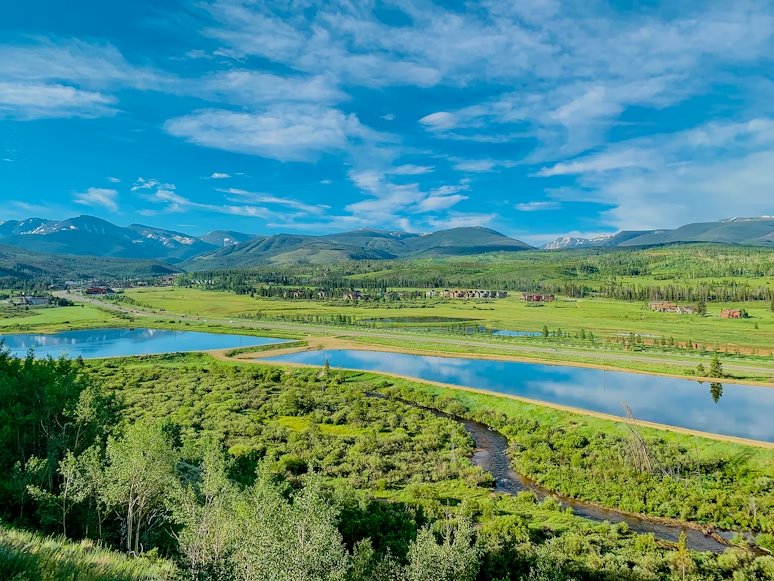
Photo by Yusheng Deng on Unsplash
Outdoor access is one of Broomfield’s strongest lifestyle perks.
Broomfield offers expansive open space alongside a well-developed network of trails, creating an interconnected system that links neighborhoods to parks, lakes, and natural areas. There are dozens of parks distributed across the city. For a suburban community, that’s a remarkable commitment to preserving the outdoors.
Top recreation highlights:
- Standley Lake Regional Park and Wildlife Refuge — A nearby Westminster recreation area that many northwest metro residents use for boating, fishing, camping, wildlife viewing, and nature programs. It should be framed as a regional attraction near Broomfield, not as a park inside Broomfield city limits.
- Trail network — an extensive system of walking, running, and cycling routes used for both recreation and daily movement.
Day trips from Broomfield open up quickly. Rocky Mountain National Park, the Flatirons in Boulder, and a string of hiking and skiing destinations sit within an hour or two, several of which rank among Colorado’s most iconic landmarks worth adding to a weekend itinerary.
Shopping, Dining, and Entertainment
Daily conveniences are well-covered in Broomfield.
FlatIron Crossing is the city’s main retail anchor, with a large mix of stores, restaurants, and AMC Theatres. It serves Broomfield and the broader north Denver metro area, drawing shoppers from nearby communities as well.
Beyond the mall, the city supports hundreds of restaurants, bars, and coffee shops. International cuisines, local craft breweries, and neighborhood coffee spots are all well-represented, covering everything residents need without requiring a drive into the city.
Pros and Cons of Living in Broomfield
Pros:
- Exceptional location halfway between Denver and Boulder, with direct highway access to both
- Strong open space, parks, recreation, and trail planning across the city
- Strong job market with major employers concentrated within city limits
- High median household income exceeding $120,000 annually
- Safe, well-maintained neighborhoods with a strong community culture
- Low humidity and abundant sunshine support year-round outdoor activity
- Solid public school options across multiple districts
- A diverse range of neighborhoods — from newer master-planned communities like Anthem and Broadlands to established areas like Broomfield Heights — giving buyers and renters genuine options at different price points
Cons:
- The cost-of-living index is notably above the national average
- Competitive housing market with a median sale price of $631,600
- Car-dependency is real: A Walk Score of 33 and a Transit Score of 10 mean a vehicle is essential
- Minimal public transit options for commuters
- Higher pricing premiums compared to more affordable neighboring communities
Is Broomfield the Right Fit?
Broomfield is a strong choice for professionals, families, and outdoor enthusiasts who want a high quality of life in one of Colorado’s most dynamic communities. The tradeoffs are real, particularly around cost and car-dependency, but for those who value proximity to both Denver and Boulder, abundant open space, good schools, and a safe suburban atmosphere, Broomfield delivers consistently.
The best way to know if it’s the right fit is to experience it firsthand. Walk The Meadows trail system on a weekday morning. Drive through established neighborhoods like Westlake Village, Northmoor, or Broomfield Heights. Explore the Interlocken area to get a sense of Broomfield’s business-oriented atmosphere. Spend an afternoon exploring McKay Landing’s lakeside trails or touring a home in Broadlands to get a sense of how the community lives day to day.
Ready to take the next step? Start by narrowing down which Broomfield neighborhood matches the lifestyle, then schedule a visit to experience the community in person. The Front Range has a lot to offer, and Broomfield is one of its most well-rounded options.