Colorado Advocates Urge Congress to Support Newborn Supply Kits, Maternal Health Bills
Colorado child advocates traveled to Washington, D.C., this month to press members of Congress to support federal policies aimed at improving maternal and newborn health
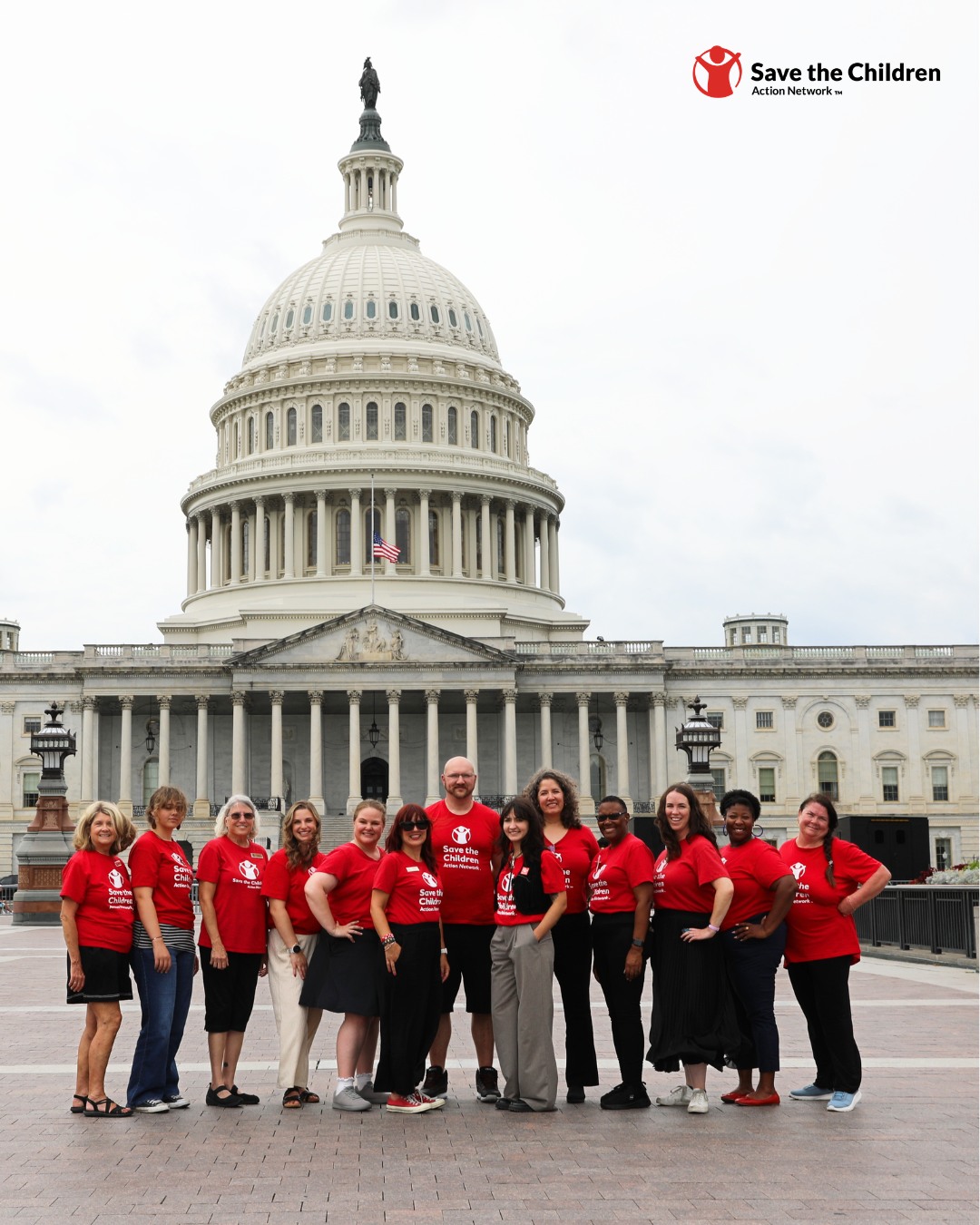
Five Save the Children Action Network advocates from Colorado joined advocates from nine other states July 20 and 21 for meetings with congressional offices. The group urged lawmakers to support the Newborns Essentials Support Toolkit Act, or NEST Act, which would authorize funding for newborn supply kits for new mothers.
Kiki McGough, a Colorado advocate, early childhood educator and grandmother, said the trip was focused on both training advocates and making a direct appeal to lawmakers.
“Colorado advocates traveled to D.C. to connect with peers from nine other states, develop new advocacy skills to become more effective in our communities, and meet with seven congressional offices,” McGough said. “Our goal is to urge lawmakers to support mothers and babies both in the U.S. and around the world.”
The NEST Act would authorize an existing pilot program within the U.S. Department of Health and Human Services to provide newborn supply kits in areas of need. The kits can include diapers, wipes, breastfeeding supplies, and postpartum health resources.
McGough said Save the Children Action Network supports the proposal because assistance for children and families should begin immediately after birth.
“SCAN is supporting it because we support children, and that means ensuring their needs are met on day one,” McGough said. “This kit offers an abundance of both material and informational support to vulnerable mothers and has the potential to make a profoundly positive impact on infant health and wellbeing in rural America.”
The legislation was introduced in the House by U.S. Reps. Julia Letlow, R-La., and Kim Schrier, D-Wash.
McGough said supplies for mothers can include nursing pads, witch hazel wipes, and postpartum pads. Supplies for newborns can include a thermometer, nasal aspirator, vitamin D3, diapers, wipes, blankets, shampoo, lotion and other essentials.
“Given that NEST supports mom and babies, it fits in perfectly,” McGough said.
The Department of Health and Human Services released evaluation data on the newborn supply kit program in November 2025. McGough pointed to those results, which found 98.5% of recipients were satisfied or extremely satisfied, 99% would recommend the kit to other new parents, 72% said the kit helped reduce financial stress and 75.7% said it helped reduce anxiety.
Advocates say the proposal could have a particular impact in rural areas and communities with limited access to maternal health care.
“The NEST Act would help expand the reach into Colorado,” McGough said. “Currently the program operates with both public and private partnership funds, but still the reach is not meeting what is needed by families.”
McGough said the pilot program is currently operating in 15 states, but those states often run out of kits quickly. Mothers giving birth on Medicaid qualify, and federally qualified health centers distribute the kits in hospitals at birth, she said.
The bill prioritizes rural communities and areas with high maternal mortality rates. McGough said those issues are visible in Colorado, where rural families can face higher poverty rates and more limited prenatal care access.
Using the federal Health Resources and Services Administration’s Federal Office of Rural Health Policy definition of rural, McGough said 13% of Colorado’s rural children experience childhood poverty, compared with 10% of Colorado’s metro children.
She also said one-third of babies born in Colorado in 2024 were born to mothers who did not receive adequate prenatal care, either because care started late or because mothers did not receive the recommended number of visits.
In four rural counties, she said, at least half of babies were born to women who did not receive adequate care: Kit Carson County at 57%, Custer County at 56%, Baca County at 53% and Clear Creek County at 50%.
“According to one estimate by the Colorado Department of Public Health and Environment, about three in four women live in a community where there are only enough providers to serve less than 20% of the need,” McGough said.
Save the Children Action Network via Instagram
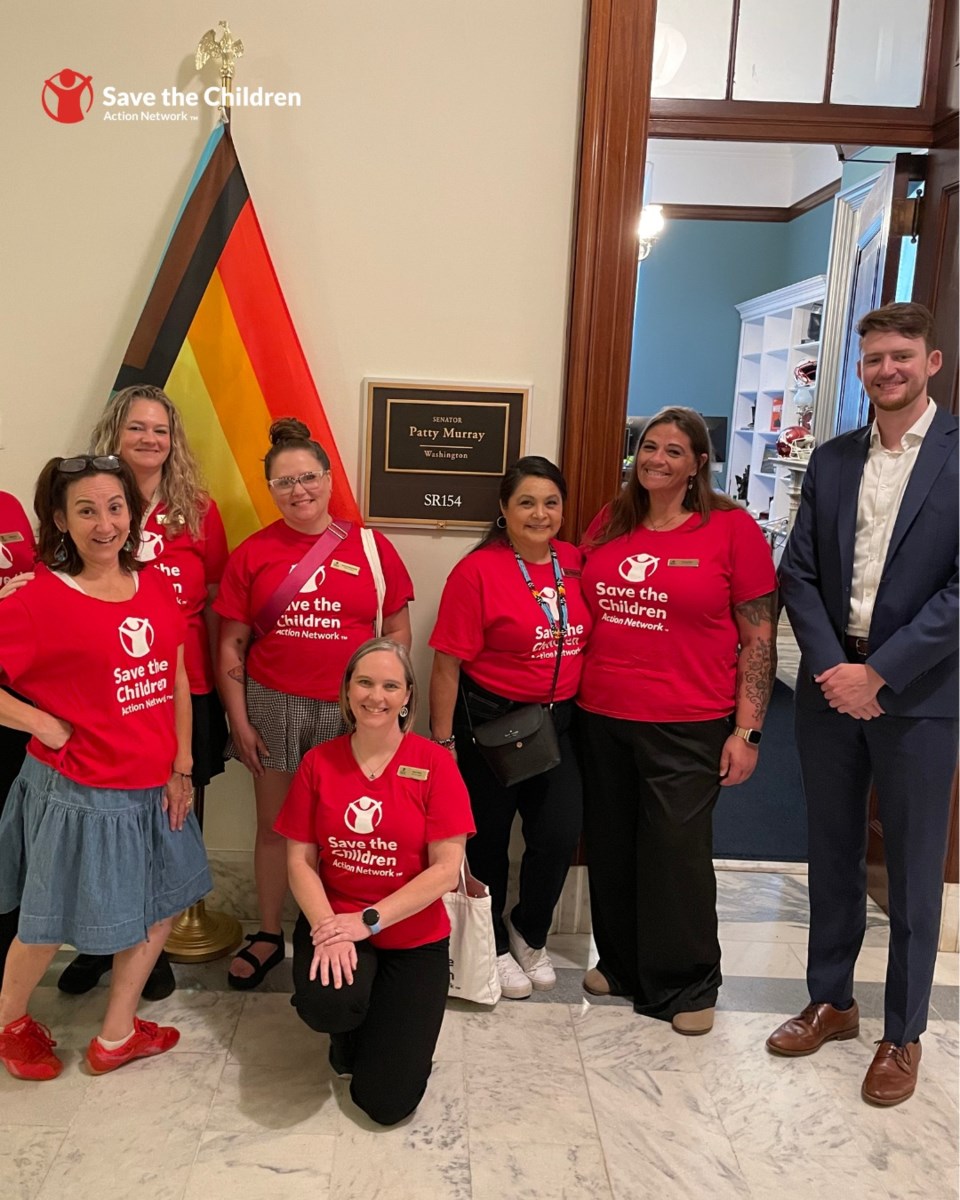
During the trip, Colorado advocates met with the offices of U.S. Reps. Brittany Pettersen, Jason Crow, Joe Neguse, Gabe Evans and Diana DeGette, as well as the offices of U.S. Sens. Michael Bennet and John Hickenlooper.
In addition to the NEST Act, advocates asked lawmakers to cosponsor the Healthy Mothers, Healthy Babies Act, also known as H.R. 9583. McGough said the bipartisan bill is aimed at preventing maternal and child deaths by increasing global access to multiple micronutrient prenatal supplements.
“A combination of 15 vitamins and minerals, MMS is the most cost-effective way to reduce maternal anemia, reduce low birthweight and preterm birth, and improve nutrition,” McGough said.
She said the bill would also require a five-year maternal and child health strategy and detailed financial tracking.
“As part of comprehensive prenatal care, MMS helped cut maternal deaths by 40% from 2000 to 2023,” McGough said. “The bill also mandates the development of a five-year maternal and child health strategy to make sure that MMS is situated in a structure of lifesaving care for moms and babies.”
Advocates are also asking Congress to continue funding the Maternal and Child Health subaccount at $915 million in fiscal year 2027 appropriations bills.
McGough said maternal and newborn health can draw bipartisan support because families across the political spectrum understand the importance of support after birth.
“Supporting families is a value that transcends political affiliation, and the NEST Act is a clear example of that shared commitment,” McGough said.
She said conversations with both Republican and Democratic lawmakers and staff often revealed personal connections to newborns who needed additional medical support.
“These stories highlight the universal importance of maternal and newborn health, creating common ground and fostering bipartisan action,” McGough said.
About the Author:
Alex Delia
Alex Delia is the managing editor of The Longmont Leader, where he oversees daily news coverage across Longmont and Boulder County, shaping editorial strategy, assigning...