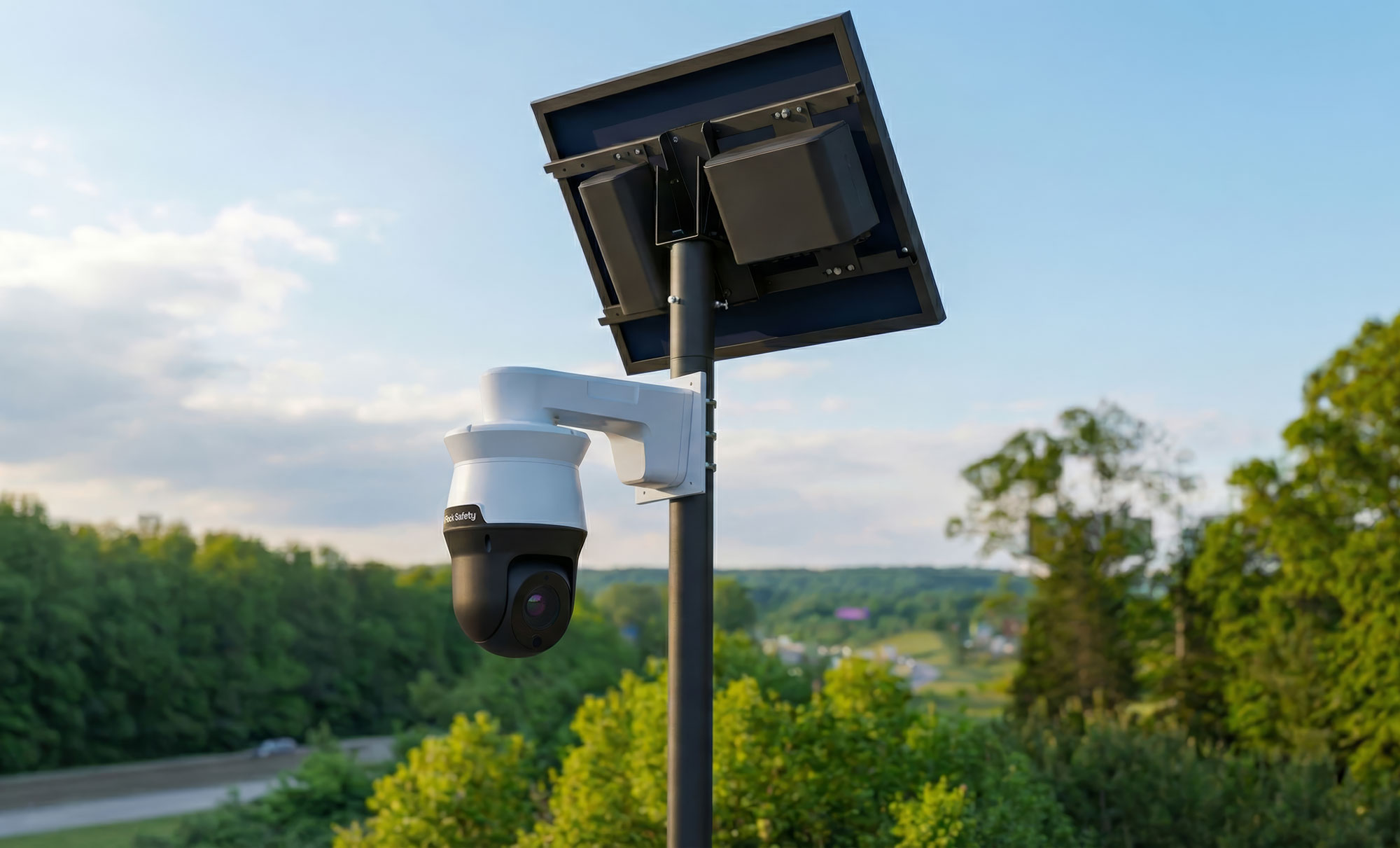
The license plate-reading cameras have been widely criticized across the country for violating constitutional rights
The City of Boulder has delayed its decision regarding the continued use of Flock cameras or the option to choose a different vendor as a replacement. The city renewed its contract with Flock in March on a temporary basis while it requested proposals from competitors in response to community pushback. Now, Boulder Reporting Lab reports that City Manager Nuria Rivera-Vandermyde said that a vendor will not be chosen in September as the city originally projected. A new date has not been disclosed, but Rivera-Vandermyde told Boulder Reporting Lab that more details will be provided by the end of the month and they are taking their time to make the best choice for transparency, operational efficiency, and effectiveness.
The license plate-reading cameras have been widely criticized across the country for violating constitutional rights. Cities across the country have had their Flock cameras vandalized. On Thursday, the Salida Police Department announced it will be terminating its Flock contract and cited community concerns about privacy, data retention, access to information, and inappropriate use of the technology with the Flock system. The department said the cameras have been helpful law enforcement tools, but that “use of technology in public safety must be balanced with the privacy, civil liberties, and concerns of the people we serve.”
The ACLU of Colorado criticized the Flock technology and the City of Boulder for the process it is using to choose the next vendor. “This mass surveillance infrastructure has the power to track where you go, who you are with and what you do, with almost no legal guardrails,” wrote Olivia Mendoza, executive director of the ACLU of Colorado. “These technologies are not being used in isolation. Corporations implementing mass surveillance systems may offer several tools, including drones, body cameras and automatic license plate readers, or ALPRs. Data from these systems can be integrated and, depending on an agency’s policies and settings, shared across jurisdictions.”
Mendoza called out the City of Boulder for a lack of transparency and declining to name the bidders, and also for not providing an opportunity for Boulder community members to provide comments regarding the upcoming contract decision.
The Boulder Police Department is also facing a class-action lawsuit alleging there are inadequate safeguards or restrictions governing officers' access to information collected through the system. The suit alleges an officer with the Thornton Police Department ran 19,194 Flock searches from October 2023 to December 2025 and only 29 were connected to a specific case number, but that claim has been refuted by the Thornton Police Department Police Chief Jim Baird.
“The actual data revealed this officer performed 10,318 searches in the system during this timeframe, not the 19,194 searches alleged in the complaint,” Chief Baird said. Our review confirmed the officer’s access to the system was consistent with the governing TPD ALPR policy at the time. His system use was supported by legitimate law enforcement and public safety objectives. There was no evidence to support any allegation of misuse.
Chief Baird said the officer referenced in the suit is dedicated to public safety objectives. Specifically, the officer was reviewing the state’s Auto Theft Intelligence Coordination Center (ATICC) list of active stolen vehicles to “identify and prioritize vehicles on this list associated with violent crime.”
While the Thornton Police Department denies any misuse of Flock data by police officers, there are several other high profile cases across the country as reported by the Washington Post and USA Today. A Georgia Police Chief was facing charges of using Flock data to stalk and harass, but he committed suicide before the trial took place.
“Boulder should establish binding rules, mandatory impact assessments, meaningful public input, independent oversight with real authority and enforceable vendor accountability before making its procurement decision,” Mendoza wrote. “Every contract signed without adequate safeguards sends a clear message: Coloradans’ civil liberties are not a priority. Networked surveillance represents one of the most significant expansions of government power in the history of the United States, and Boulder should treat it accordingly. Just because this technology exists doesn’t mean the Constitution no longer does.”
The City of Boulder has delayed its decision regarding the continued use of Flock cameras or the option to choose a different vendor as a replacement. The city renewed its contract with Flock in March on a temporary basis while it requested proposals from competitors in response to community pushback. Now, Boulder Reporting Lab reports that City Manager Nuria Rivera-Vandermyde said that a vendor will not be chosen in September as the city originally projected. A new date has not been disclosed, but Rivera-Vandermyde told Boulder Reporting Lab that more details will be provided by the end of the month and they are taking their time to make the best choice for transparency, operational efficiency, and effectiveness.
The license plate-reading cameras have been widely criticized across the country for violating constitutional rights. Cities across the country have had their Flock cameras vandalized. On Thursday, the Salida Police Department announced it will be terminating its Flock contract and cited community concerns about privacy, data retention, access to information, and inappropriate use of the technology with the Flock system. The department said the cameras have been helpful law enforcement tools, but that “use of technology in public safety must be balanced with the privacy, civil liberties, and concerns of the people we serve.”
The ACLU of Colorado criticized the Flock technology and the City of Boulder for the process it is using to choose the next vendor. “This mass surveillance infrastructure has the power to track where you go, who you are with and what you do, with almost no legal guardrails,” wrote Olivia Mendoza, executive director of the ACLU of Colorado. “These technologies are not being used in isolation. Corporations implementing mass surveillance systems may offer several tools, including drones, body cameras and automatic license plate readers, or ALPRs. Data from these systems can be integrated and, depending on an agency’s policies and settings, shared across jurisdictions.”
Mendoza called out the City of Boulder for a lack of transparency and declining to name the bidders, and also for not providing an opportunity for Boulder community members to provide comments regarding the upcoming contract decision.
The Boulder Police Department is also facing a class-action lawsuit alleging there are inadequate safeguards or restrictions governing officers’ access to information collected through the system. The suit alleges an officer with the Thornton Police Department ran 19,194 Flock searches from October 2023 to December 2025 and only 29 were connected to a specific case number, but that claim has been refuted by the Thornton Police Department Police Chief Jim Baird.
“The actual data revealed this officer performed 10,318 searches in the system during this timeframe, not the 19,194 searches alleged in the complaint,” Chief Baird said. Our review confirmed the officer’s access to the system was consistent with the governing TPD ALPR policy at the time. His system use was supported by legitimate law enforcement and public safety objectives. There was no evidence to support any allegation of misuse.
Chief Baird said the officer referenced in the suit is dedicated to public safety objectives. Specifically, the officer was reviewing the state’s Auto Theft Intelligence Coordination Center (ATICC) list of active stolen vehicles to “identify and prioritize vehicles on this list associated with violent crime.”
While the Thornton Police Department denies any misuse of Flock data by police officers, there are several other high profile cases across the country as reported by the Washington Post and USA Today. A Georgia Police Chief was facing charges of using Flock data to stalk and harass, but he committed suicide before the trial took place.
“Boulder should establish binding rules, mandatory impact assessments, meaningful public input, independent oversight with real authority and enforceable vendor accountability before making its procurement decision,” Mendoza wrote. “Every contract signed without adequate safeguards sends a clear message: Coloradans’ civil liberties are not a priority. Networked surveillance represents one of the most significant expansions of government power in the history of the United States, and Boulder should treat it accordingly. Just because this technology exists doesn’t mean the Constitution no longer does.”