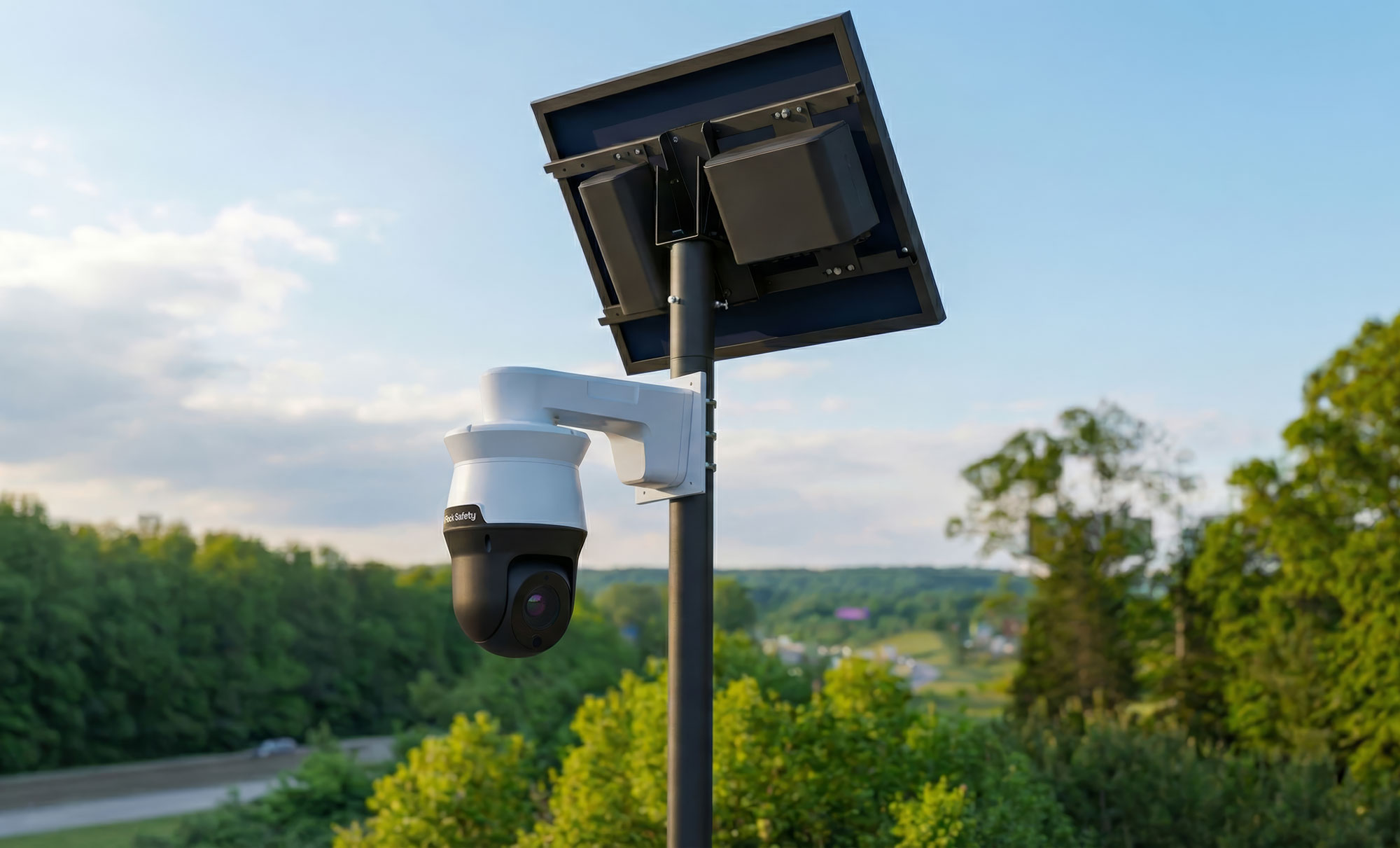
Senate Bill 70 sought to establish 'common-sense guardrails' on the use and storage of data collected by automated license plate readers
Colorado lawmakers have decided not to advance Senate Bill 70, which aimed to impose stricter regulations on the use of automated license plate readers by law enforcement agencies, according to The Colorado Sun.
The bill's withdrawal follows significant opposition from law enforcement officials who argued that the proposed restrictions would hinder criminal investigations. The decision underscores the ongoing debate between enhancing public safety and protecting individual privacy rights.
Senate Bill 70, introduced by Senator Judy Amabile, a Democrat from Boulder, and Senator Lynda Zamora Wilson, a Republican from El Paso County, sought to establish 'common-sense guardrails' on the use and storage of data collected by automated license plate readers (ALPRs). The legislation aimed to protect the privacy rights of Coloradans by requiring law enforcement agencies to obtain a warrant before accessing ALPR data older than 72 hours and limiting data retention to 30 days.
However, the bill faced overwhelming opposition from law enforcement agencies across the state. Officers testified that the proposed data retention limits did not align with the realities of investigative timelines. They emphasized that ALPR technology is instrumental in identifying suspects involved in violent crimes, especially in cases where traditional investigative methods yield limited evidence.
Senator Amabile expressed her concerns about the rapid proliferation of surveillance technologies and their potential impact on privacy. 'These camera technologies are spreading very quickly, and quietly reshaping our communities in real time,' she stated. Without clear safeguards, she feared that residents' privacy and freedom could be eroded.
Despite these concerns, the bill was laid over until July 4, effectively halting its progress for the current legislative session, which concludes on May 14. This decision was influenced by the strong opposition from law enforcement and indications that Governor Jared Polis intended to veto the bill due to its warrant requirement.
Senator Zamora Wilson acknowledged the setback but remained optimistic about future efforts to address the issue. 'The good news is we've started the discussion,' she said. 'I think it's really critical that we got the ball rolling.'
The debate over the use of ALPRs and other surveillance technologies continues to be a contentious issue in Colorado, reflecting broader national conversations about balancing public safety and individual privacy rights.
Colorado lawmakers have decided not to advance Senate Bill 70, which aimed to impose stricter regulations on the use of automated license plate readers by law enforcement agencies, according to The Colorado Sun.
The bill’s withdrawal follows significant opposition from law enforcement officials who argued that the proposed restrictions would hinder criminal investigations. The decision underscores the ongoing debate between enhancing public safety and protecting individual privacy rights.
Senate Bill 70, introduced by Senator Judy Amabile, a Democrat from Boulder, and Senator Lynda Zamora Wilson, a Republican from El Paso County, sought to establish ‘common-sense guardrails’ on the use and storage of data collected by automated license plate readers (ALPRs). The legislation aimed to protect the privacy rights of Coloradans by requiring law enforcement agencies to obtain a warrant before accessing ALPR data older than 72 hours and limiting data retention to 30 days.
However, the bill faced overwhelming opposition from law enforcement agencies across the state. Officers testified that the proposed data retention limits did not align with the realities of investigative timelines. They emphasized that ALPR technology is instrumental in identifying suspects involved in violent crimes, especially in cases where traditional investigative methods yield limited evidence.
Senator Amabile expressed her concerns about the rapid proliferation of surveillance technologies and their potential impact on privacy. ‘These camera technologies are spreading very quickly, and quietly reshaping our communities in real time,’ she stated. Without clear safeguards, she feared that residents’ privacy and freedom could be eroded.
Despite these concerns, the bill was laid over until July 4, effectively halting its progress for the current legislative session, which concludes on May 14. This decision was influenced by the strong opposition from law enforcement and indications that Governor Jared Polis intended to veto the bill due to its warrant requirement.
Senator Zamora Wilson acknowledged the setback but remained optimistic about future efforts to address the issue. ‘The good news is we’ve started the discussion,’ she said. ‘I think it’s really critical that we got the ball rolling.’
The debate over the use of ALPRs and other surveillance technologies continues to be a contentious issue in Colorado, reflecting broader national conversations about balancing public safety and individual privacy rights.