County planners are considering changes that could allow additional forms of housing for agricultural workers in unincorporated areas
A farm can have enough land to grow vegetables, graze livestock or produce hay and still lack one thing its workers need: somewhere nearby to live.
Boulder County is examining whether its zoning rules make that problem harder than it needs to be.
County planners are considering changes that could allow additional forms of housing for agricultural workers in unincorporated areas, potentially including recreational vehicles, tiny homes, manufactured or modular units and other small-scale options.
The review began after Boulder County commissioners directed planning staff to explore whether the county's Land Use Code could better support safe and practical agricultural worker housing.
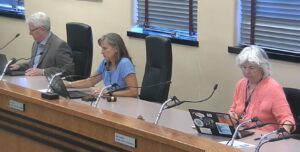
A public meeting on the proposal was held in July as part of that process.
The issue sits at the intersection of two challenges Boulder County has wrestled with for years: preserving agricultural land and dealing with a housing market that makes it difficult for many workers to live near their jobs.
Farm labor can also be seasonal.
A producer may need additional workers during planting, harvesting or other labor-intensive periods without needing the same staffing level year-round. Traditional housing development is not always designed for that pattern.
Boulder County's Land Use Code governs development in unincorporated parts of the county rather than inside cities such as Longmont, Boulder or Louisville. The code establishes where housing can be built and what approvals are required.
The county describes the code as a tool for managing development while protecting public health, safety and the character of unincorporated areas.
Agricultural worker housing forces several of those goals to compete.
Allow too little housing and farms may struggle to recruit workers who cannot afford nearby rents. Allow housing without adequate standards and the county could create problems involving septic systems, drinking water, wildfire access, overcrowding or development that no longer serves an agricultural purpose.
That is why a tiny home is not simply a tiny-home question.
County planners must consider where a unit can be placed, how many workers can live there, whether it is temporary or permanent and how basic services such as water, wastewater and emergency access will be provided.
The agricultural worker housing review is one of several housing-related land-use discussions underway in Boulder County. Officials are also examining broader changes involving accessory dwelling units and other forms of residential development.
The county's Land Use Code amendment page lists agricultural worker housing among the proposals currently under review.
Any final rule will have to find a narrow balance.
Boulder County wants to make it easier for people who work on farms to live near them without unintentionally turning agricultural properties into conventional residential developments.
That distinction matters in a county where farmland is valuable not just for its market price, but for what it produces.
If the rules change, the goal will be relatively simple to describe and much harder to design: create realistic housing for farmworkers while keeping agricultural land in agriculture.
A farm can have enough land to grow vegetables, graze livestock or produce hay and still lack one thing its workers need: somewhere nearby to live.
Boulder County is examining whether its zoning rules make that problem harder than it needs to be.
County planners are considering changes that could allow additional forms of housing for agricultural workers in unincorporated areas, potentially including recreational vehicles, tiny homes, manufactured or modular units and other small-scale options.
The review began after Boulder County commissioners directed planning staff to explore whether the county’s Land Use Code could better support safe and practical agricultural worker housing.
A public meeting on the proposal was held in July as part of that process.
The issue sits at the intersection of two challenges Boulder County has wrestled with for years: preserving agricultural land and dealing with a housing market that makes it difficult for many workers to live near their jobs.
Farm labor can also be seasonal.
A producer may need additional workers during planting, harvesting or other labor-intensive periods without needing the same staffing level year-round. Traditional housing development is not always designed for that pattern.
Boulder County’s Land Use Code governs development in unincorporated parts of the county rather than inside cities such as Longmont, Boulder or Louisville. The code establishes where housing can be built and what approvals are required.
The county describes the code as a tool for managing development while protecting public health, safety and the character of unincorporated areas.
Agricultural worker housing forces several of those goals to compete.
Allow too little housing and farms may struggle to recruit workers who cannot afford nearby rents. Allow housing without adequate standards and the county could create problems involving septic systems, drinking water, wildfire access, overcrowding or development that no longer serves an agricultural purpose.
That is why a tiny home is not simply a tiny-home question.
County planners must consider where a unit can be placed, how many workers can live there, whether it is temporary or permanent and how basic services such as water, wastewater and emergency access will be provided.
The agricultural worker housing review is one of several housing-related land-use discussions underway in Boulder County. Officials are also examining broader changes involving accessory dwelling units and other forms of residential development.
The county’s Land Use Code amendment page lists agricultural worker housing among the proposals currently under review.
Any final rule will have to find a narrow balance.
Boulder County wants to make it easier for people who work on farms to live near them without unintentionally turning agricultural properties into conventional residential developments.
That distinction matters in a county where farmland is valuable not just for its market price, but for what it produces.
If the rules change, the goal will be relatively simple to describe and much harder to design: create realistic housing for farmworkers while keeping agricultural land in agriculture.