Colorado Senate Bill 70 would limit when police can access location data, including license plate reader records
The bill would require warrants in many cases, restrict data sharing, and force agencies to delete most tracking data within four days
Supporters say it protects privacy, while law enforcement warns it could slow investigations and limit crime-solving tools
A bill moving through the Colorado legislature could change how Longmont and other local law enforcement agencies use surveillance tools like license plate readers by limiting access to location data that is more than 24 hours old.
Senate Bill 26-070 would prohibit government agencies from accessing databases that track where people or vehicles were located more than a day earlier, unless specific exceptions apply. The measure also would restrict how long that data can be stored, how it can be shared and require new oversight and transparency rules.
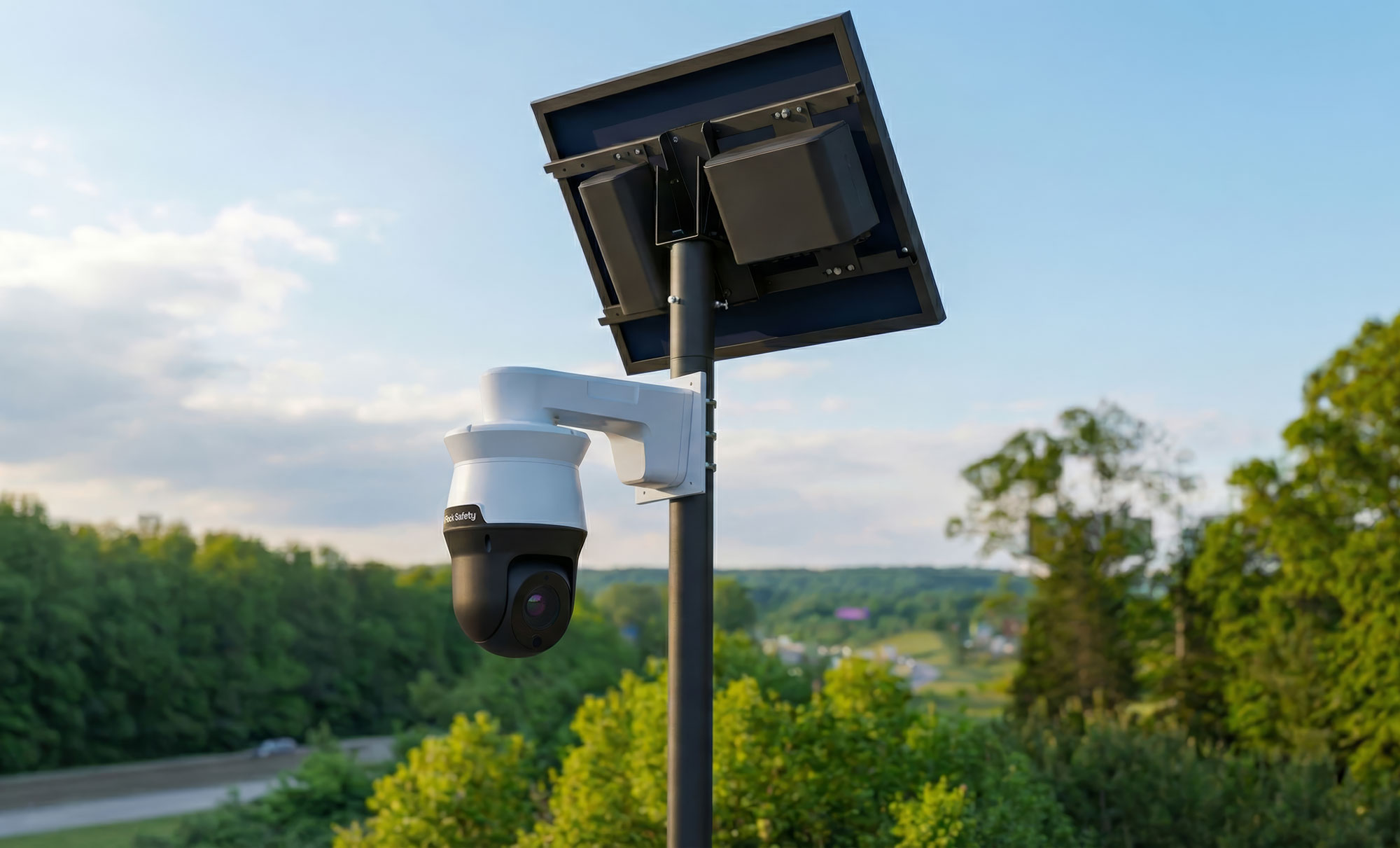
The proposal, called the “Protecting Everyone from Excessive Police Surveillance Act,” comes as surveillance technology has expanded rapidly across Colorado, including the growing use of automated license plate readers that log vehicle movements across cities and counties.
The bill defines “historical location information” as data that reveals where a person or vehicle was located more than 24 hours before it is accessed. That threshold is central to the legislation because it determines when stricter legal protections apply.
Under the bill, law enforcement agencies generally would not be allowed to search those databases unless one of several exceptions is met. Those include obtaining a judicial warrant, receiving consent, responding to an emergency where a warrant is not practical, or using the data for limited purposes such as traffic enforcement, parking enforcement, or toll collection.
The bill explicitly states that a subpoena would not be sufficient to access the data.
In practice, the measure targets how agencies query and use stored surveillance data rather than banning the technology itself. License plate readers and other systems could still collect information, but accessing older data would face new legal limits.
The legislation also places strict limits on data retention. In most cases, agencies would be required to delete location data within four days of collection unless it is tied to an active investigation, authorized by a warrant or retained with a person’s consent.
It also restricts data sharing. Agencies would not be allowed to share historical location data outside their jurisdiction or sell it to third parties, including through public records requests, except in narrowly defined situations such as court orders or technical maintenance by vendors.
The bill would also require agencies to adopt formal policies governing how the data is used. Those policies must include supervisor approval before access, logging each instance of access and conducting audits at least every 90 days. Agencies also would be required to publish annual reports detailing how often the data is accessed and what surveillance technologies they operate.
The Colorado Sun reported the bill has sparked debate at the Capitol, with privacy advocates arguing that modern surveillance systems can reveal sensitive details about people’s daily lives, including where they live, work, or seek medical care.
Law enforcement groups and local governments have raised concerns that the restrictions could slow investigations, particularly in cases where officers rely on quickly searching past vehicle movements to identify suspects or track stolen cars.
The bill is sponsored by Sen. Judy Amabile, a Boulder Democrat, and Sen. Lynda Zamora Wilson, a Colorado Springs Republican, reflecting a bipartisan effort to address growing concerns about surveillance and privacy.
If approved, the measure would apply statewide, including to local agencies in Boulder County and Weld County.
The bill does not ban license plate readers or other surveillance systems, but it would establish one of the most detailed statewide frameworks governing how that data can be accessed, stored, and shared once collected.
Local journalism depends on readers who believe their community deserves clear, reliable information. consider supporting the Longmont Leader.
- Colorado Senate Bill 70 would limit when police can access location data, including license plate reader records
- The bill would require warrants in many cases, restrict data sharing, and force agencies to delete most tracking data within four days
- Supporters say it protects privacy, while law enforcement warns it could slow investigations and limit crime-solving tools
A bill moving through the Colorado legislature could change how Longmont and other local law enforcement agencies use surveillance tools like license plate readers by limiting access to location data that is more than 24 hours old.
Senate Bill 26-070 would prohibit government agencies from accessing databases that track where people or vehicles were located more than a day earlier, unless specific exceptions apply. The measure also would restrict how long that data can be stored, how it can be shared and require new oversight and transparency rules.
The proposal, called the “Protecting Everyone from Excessive Police Surveillance Act,” comes as surveillance technology has expanded rapidly across Colorado, including the growing use of automated license plate readers that log vehicle movements across cities and counties.
The bill defines “historical location information” as data that reveals where a person or vehicle was located more than 24 hours before it is accessed. That threshold is central to the legislation because it determines when stricter legal protections apply.
Under the bill, law enforcement agencies generally would not be allowed to search those databases unless one of several exceptions is met. Those include obtaining a judicial warrant, receiving consent, responding to an emergency where a warrant is not practical, or using the data for limited purposes such as traffic enforcement, parking enforcement, or toll collection.
The bill explicitly states that a subpoena would not be sufficient to access the data.
In practice, the measure targets how agencies query and use stored surveillance data rather than banning the technology itself. License plate readers and other systems could still collect information, but accessing older data would face new legal limits.
The legislation also places strict limits on data retention. In most cases, agencies would be required to delete location data within four days of collection unless it is tied to an active investigation, authorized by a warrant or retained with a person’s consent.
It also restricts data sharing. Agencies would not be allowed to share historical location data outside their jurisdiction or sell it to third parties, including through public records requests, except in narrowly defined situations such as court orders or technical maintenance by vendors.
The bill would also require agencies to adopt formal policies governing how the data is used. Those policies must include supervisor approval before access, logging each instance of access and conducting audits at least every 90 days. Agencies also would be required to publish annual reports detailing how often the data is accessed and what surveillance technologies they operate.
The Colorado Sun reported the bill has sparked debate at the Capitol, with privacy advocates arguing that modern surveillance systems can reveal sensitive details about people’s daily lives, including where they live, work, or seek medical care.
Law enforcement groups and local governments have raised concerns that the restrictions could slow investigations, particularly in cases where officers rely on quickly searching past vehicle movements to identify suspects or track stolen cars.
The bill is sponsored by Sen. Judy Amabile, a Boulder Democrat, and Sen. Lynda Zamora Wilson, a Colorado Springs Republican, reflecting a bipartisan effort to address growing concerns about surveillance and privacy.
If approved, the measure would apply statewide, including to local agencies in Boulder County and Weld County.
The bill does not ban license plate readers or other surveillance systems, but it would establish one of the most detailed statewide frameworks governing how that data can be accessed, stored, and shared once collected.
Local journalism depends on readers who believe their community deserves clear, reliable information. consider supporting the Longmont Leader.