Discover what to do in Colorado in spring, from late-season skiing and wildflower hikes to natural hot springs, with fewer crowds and better prices.
Colorado is one of those places that genuinely rewards the traveler who shows up between seasons. With an average of 300 days of sunshine annually and Colorado's famous blue skies, the Centennial State transitions from winter to spring across mid-March through June in ways that feel almost theatrical: snow-capped peaks above, wildflowers blooming below, and ski lifts still spinning in between.
That elevation difference is the key to everything. High-altitude areas hold onto winter well into late spring, while lower valleys thaw out early and burst into color. Springtime in Colorado offers a unique crossover season where winter sports and summer adventures can be enjoyed simultaneously. A single Colorado road trip can take visitors from slushy ski runs in the morning to sunny trail hikes in the afternoon. That kind of range is rare, and it makes spring one of the most genuinely exciting times to visit, with vibrant spring festivals and events adding to the excitement.
Spring weather in Colorado can be unpredictable, with quick changes common—so visitors should dress in layers to be prepared.
Why Spring Is a Unique Time to Visit Colorado
Here’s something most travelers overlook: March is historically Colorado’s snowiest month. That peak snowfall is what fuels the dramatic spring that follows, with heavy snow accumulation giving way to powerful snowmelt by April.
That snowmelt triggers what locals lovingly (and sometimes reluctantly) call “Mud Season.” Wet trails, quieter mountain towns, and bargain accommodation prices define late spring in the high country. For savvy visitors, that’s actually great news. Popular destinations like Aspen, which draws enormous crowds in peak winter, become far more approachable. High-end lodges drop their rates. Restaurants have open tables. Parking isn’t a battle.
There’s also something genuinely magical about watching a mountain town wake up from winter. Spring in Colorado has a specific energy to it, and local events and festivals bring life to these towns as they emerge from the quiet of winter. Colorado is full of experiences that are best appreciated during this shoulder season, especially when you discover fun things to do that are unique to spring.
Photo by Morgan Pfaelzer on Unsplash
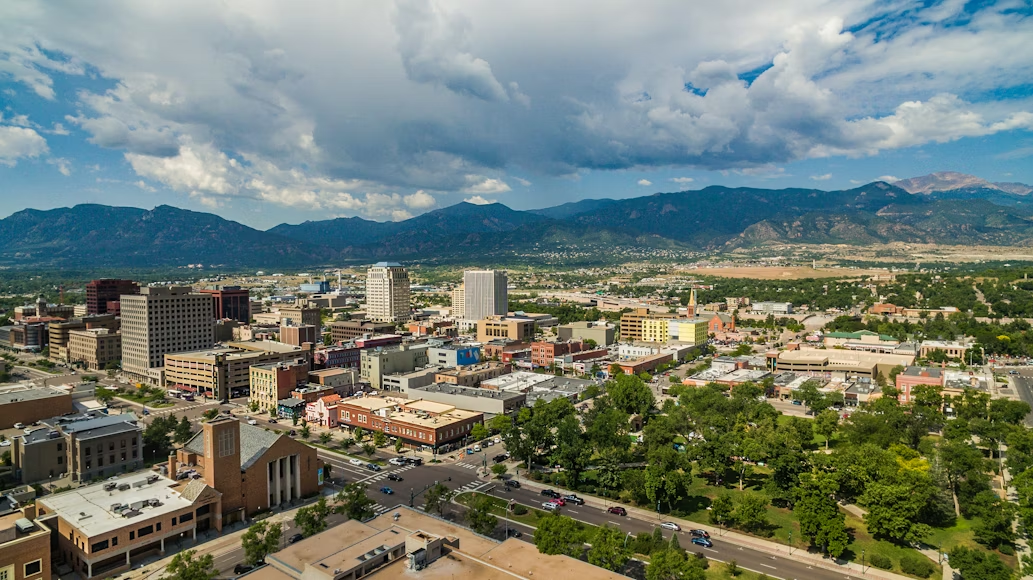
Spring hiking in Colorado starts early at lower elevations. Foothill trails around Boulder and Colorado Springs shake off snow weeks before the high peaks, giving hikers a proper head start on the season.
Mueller State Park is one of the most rewarding early-season options, containing examples of nearly every biome found across the state. Whether the goal is spotting early wildflowers or getting a technical look at local flora and fauna, the diversity here is hard to beat.
Down in Colorado Springs, the Garden of the Gods delivers one of the most visually dramatic hikes in the country. Designated as a National Natural Landmark, it is known for its towering red rock formations and beautiful, pristine scenery. Wildflower blooms begin to carpet the grassy areas in late spring, framing the park’s iconic needle-like red sandstone formations in streaks of color. The easy Perkins Central Garden Trail covers 1.5 miles through the heart of the park and is accessible to most fitness levels. For those wanting to explore further, there is a network of 15 different hiking routes across the grounds, allowing visitors to walk among the formations, catch spectacular views, and experience the best of Colorado’s nature.
Top spring trails worth knowing:
Perkins Central Garden Trail — An easy 1.5-mile route through red sandstone formations in Colorado Springs
Herman Gulch — A high-altitude spring destination near Dillon with striking mountain scenery
Nymph Lake Trail — A gateway path leading to multiple lakes in Rocky Mountain National Park
West Maroon Pass — A route to Aspen featuring sharp rock pinnacles and sweeping views
Roxborough State Park & Rabbit Valley Recreation Area — Trails here are perfect for walking and catching early wildflower blooms in a pristine natural setting
For wildflower viewing without the elevation gain, the Denver Botanic Gardens at 1007 York St is open daily from 9:00 AM to 7:00 PM during spring. The Boettcher Memorial Tropical Conservatory inside houses exotic plants and towering palms, providing a lush contrast to the alpine environments found just an hour or two up the road.
Paint Mines Interpretive Park, located about 50 minutes from Colorado Springs in the middle of the remote plains near Calhan, is known for its colorful hoodoo rock formations and pristine environment. This significant archaeological site features evidence of human activity dating back 9,000 years. Walking through the park’s network of trails lets visitors catch pictures of the unique formations and experience the quiet beauty of nature surrounded by windmills and open landscape.
Hiking in Colorado during spring is all about walking through nature, catching sight of blooming wildflowers, and snapping pictures of breathtaking landscapes. Whether you’re exploring a network of trails in a state park or strolling through a botanic garden, spring offers pristine scenery and endless opportunities to connect with the outdoors.
Enjoy Late-Season Skiing and Snowboarding
Photo by Mason Hassoun on Unsplash
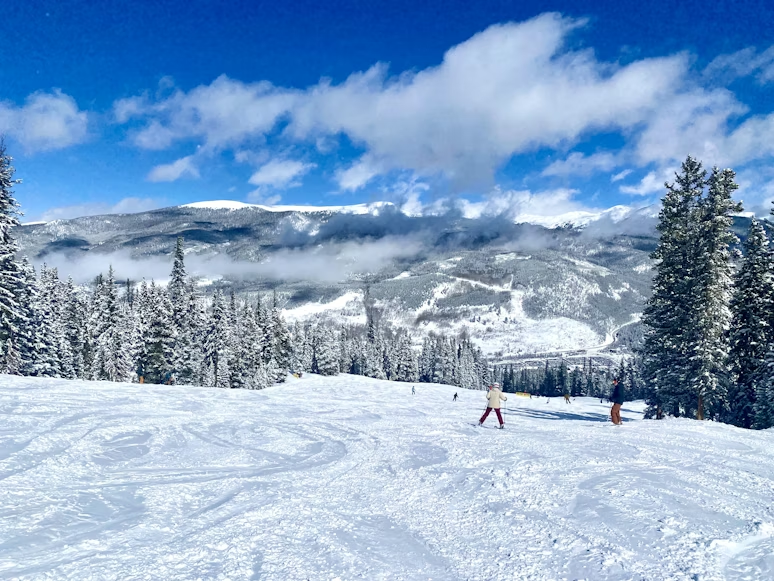
Spring skiing has its own distinct personality. Warmer temperatures mean softer snow, longer daylight hours post-equinox, and significantly fewer layers of gear to wrestle into. Springtime skiing offers a unique experience, especially for those trying it for the first time, as the relaxed atmosphere and milder weather make it memorable and approachable.
Colorado’s high-altitude resorts are uniquely positioned to keep their doors open well into the season. Arapahoe Basin and Loveland Ski Area regularly operate through June, drawing skiers and snowboarders who want to stretch the season as far as it will go. Aspen and Vail, meanwhile, continue operations across their expansive terrain through the seasonal transition, with Vail’s famous back bowls particularly well-suited to the spring snowpack that March delivers.
Where to ski in spring:
Arapahoe Basin — Known for late-season snowboarding, often open until June or beyond
Loveland Ski Area — High-elevation runs that maintain winter conditions deep into spring
Aspen — Multiple peaks with continued operations through the shoulder season
Vail — Expansive back bowls that benefit from peak March snowfall
While many ski resorts in Colorado close in April, some like Arapahoe Basin often stay open into mid-June, making springtime a great opportunity for extended skiing and snowboarding.
For couples planning a Colorado getaway, spring skiing pairs beautifully with Denver’s vibrant city scene. There are plenty of exciting date ideas in Denver for every couple that complements a mountain ski day perfectly.
Experience Colorado's Stunning National Parks in Spring
Photo by Colin Lloyd on Unsplash
Colorado’s national parks offer some of the most geologically and historically significant landscapes in North America, and spring is one of the best times to visit before summer crowds arrive. Spring is also the peak season for catching sight of sandhill cranes in Monte Vista and for identifying migrating species on the Colorado Birding Trail.
Great Sand Dunes National Park and Preserve is anchored by Star Dune, which stands 750 feet tall, making it the tallest sand dune on the continent. Spring is ideal for visiting because snowmelt from the Sangre de Cristo Mountains feeds Medano Creek along the dune’s base, creating a rare ephemeral stream where visitors can wade through shallow flowing water. Medano Creek experiences a unique 'surge flow' that usually peaks in late May, offering a spectacular natural phenomenon for visitors to catch.
In the southwest corner of the state, Mesa Verde National Park holds more than 600 ancient cliff dwellings, including the extraordinary Cliff Palace. The site is a UNESCO World Heritage Site, and for good reason. The Chapin Mesa Archaeological Museum provides context for the artifacts and architecture built by the Ancestral Puebloans, who used natural resources to create pigments for paint, adding to the rich history of the area. The Mesa Top Loop Road offers panoramic canyon views that communicate the sheer scale of these ancient settlements.
Rocky Mountain National Park is a different experience entirely. Trail Ridge Road, the highest continuous paved road in the United States, typically begins to open in late spring, allowing spectacular tundra views as it connects the park’s east and west sides at elevations that hold snow long after valley floors have thawed. Checking road opening dates before visiting is essential for anyone hoping to reach the high-alpine tundra, where the views and the stillness feel genuinely other-worldly.
Among Colorado’s iconic destinations, the history of Pikes Peak stands out. This legendary summit has played a central role in native heritage, the Gold Rush era, and the region’s development, making it a must-see for those interested in both adventure and the cultural legacy of the state.
Take a Scenic Drive Through Mountain Passes
Some of Colorado’s best spring experiences happen from the driver’s seat.
The Mount Evans Scenic Byway climbs above 14,000 feet to earn its title as the highest paved road in North America. The views across the Front Range from the summit are expansive in a way that photographs rarely capture accurately. Having a car, especially a rental or a 4x4, allows you to access remote mountain passes and attractions that are otherwise difficult to reach.
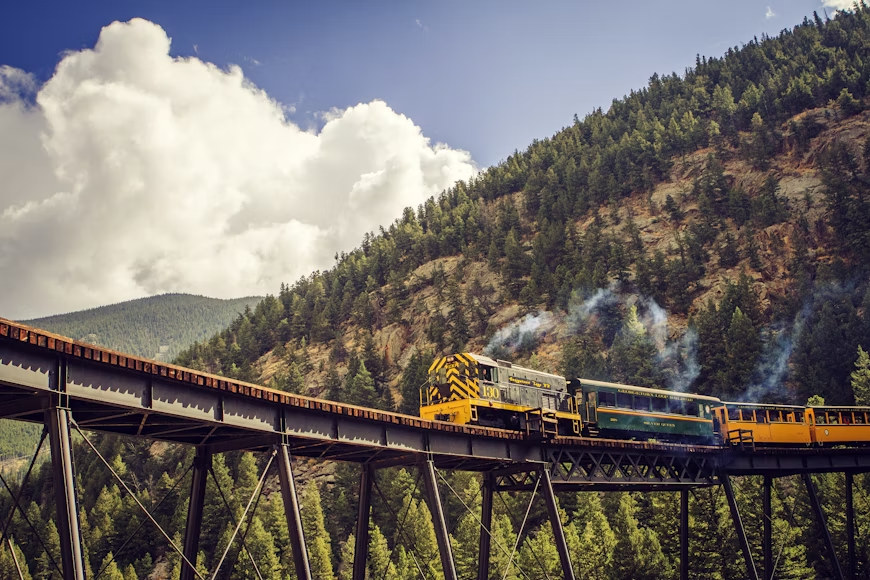
For something more historical, the Durango & Silverton Narrow Gauge Railroad covers 45 miles through the San Juan National Forest, following the Animas River through landscapes that simply cannot be reached by conventional vehicles. The train runs in spring and offers a genuinely different perspective on the Colorado backcountry.
Back in Denver, the Colorado State Capitol is worth a stop on any scenic driving itinerary. The dome is covered in real gold leaf, and there’s a specific step outside that marks exactly one mile above sea level. Visitors will find several parking lot options nearby, making access to the Capitol convenient whether you’re driving your own car or a rental. It’s a small detail, but it captures something essential about how Coloradans relate to elevation: they measure it, celebrate it, and build monuments to it.
Discover Waterfalls at Their Peak Flow
Photo by Steve O on Unsplash
Spring snowmelt does something spectacular to Colorado’s waterways. Rivers swell, waterfalls intensify, and the state’s whitewater becomes some of the most thrilling on the continent, filling the air with the sounds of rushing water.
The Arkansas River receives substantial snowmelt flow each spring, creating the high-volume conditions that make white water rafting beneath the Royal Gorge Bridge one of Colorado’s most sought-after adventures. The Royal Gorge features America's highest zip line, offering 360-degree views of the Arkansas River from 1,000 feet above. Whitewater rafting on the Arkansas River provides adventure for all levels, from fun family floats to advanced rapids, making it suitable for families and thrill-seekers alike. In late April and May, snowmelt makes rivers like the Arkansas and Animas run fast and exciting, perfect for those seeking an adrenaline rush or a memorable family outing. The Royal Gorge Bridge ranks among the highest suspension bridges in the world, and seeing it from the water below is a perspective worth seeking out.
Must-see water features in spring:
Treasure Falls — A 105-foot-tall waterfall accessible via a short quarter-mile hike, ideal for a family rest stop and fun pictures
Hanging Lake — Features distinctive aqua-colored water formed by travertine mineral deposition; conservation rules apply, so plan accordingly
Geyser Spring Trail — Ends at a natural geyser that bubbles predictably every hour, offering a unique adventure and a place to catch your breath
Arkansas River — Delivers professional-grade rafting conditions through late spring and offers gold-medal waters where you can fish for rainbow trout and kokanee salmon
Hanging Lake’s aqua color comes from travertine deposition, where minerals gradually settle out of the water to build delicate geological formations. It’s a fragile and genuinely beautiful place, which is exactly why the conservation guidelines there are taken seriously. Don’t forget to catch the sounds of cascading water and snap pictures of breathtaking waterfalls like Treasure Falls and Hanging Lake—these sights are perfect for making memories with your family and taking a moment to rest and enjoy the scenery.
Denver also has wonderful lakeside options closer to the city. Sloan’s Lake Park offers a peaceful contrast to the roaring rivers, with calm waterside scenery that feels like a different Colorado altogether.
Relax in Natural Hot Springs and Wellness Retreats
After days of skiing, hiking, and river adventures, Colorado’s natural hot springs feel less like a luxury and more like a necessity.
Iron Mountain Hot Springs in Glenwood Springs features 16 naturally shaped geothermal pools ranging in temperature from 98 to 108 degrees. The water contains 14 different minerals with known therapeutic benefits, making a long soak here feel genuinely restorative after a day on the trails or the slopes. Choosing between pool temperatures based on personal preference adds a nice, low-stakes element of decision-making to the experience.
Springtime is ideal for rest and wellness retreats, as the fresh mountain air enhances relaxation and rejuvenation. Visitors can create a relaxing experience by combining soaks in mineral-rich pools with moments to rest and take in the scenery. Spring in Colorado also offers a unique transition where you can create an itinerary that includes both world-class skiing and blooming desert landscapes in the same weekend.
Further north, Strawberry Park Hot Springs in Steamboat Springs offers a more secluded setting. Tucked into the surrounding landscape rather than developed into a large facility, it feels like a true escape. Both locations are popular, so securing reservations in advance is strongly recommended.
Spring is an excellent time to plan a hot springs visit, and the season has a way of stretching pleasantly towards exciting things to experience in Colorado in June, when longer days and warming temperatures open up even more of the state.
Start Planning Your Colorado Spring Trip
Colorado in spring rewards the curious traveler with fewer crowds, lower prices, and a landscape in genuine transition. Discover the best things to do in Colorado in spring, from wildflowers blooming at lower elevations to ski runs still open above. Waterfalls are at full force. The hot springs are warm. The trails are waking up.
Whether the plan is a long weekend in Denver, a mountain escape to Aspen, or a road trip through the national parks, spring offers the kind of Colorado experience that feels both adventurous and unhurried. Create your own adventure as you explore, start researching destinations, check those road opening dates, and lock in those hot springs reservations. Spring in the Rockies has a way of filling up faster than it looks like it will.
Colorado is one of those places that genuinely rewards the traveler who shows up between seasons. With an average of 300 days of sunshine annually and Colorado’s famous blue skies, the Centennial State transitions from winter to spring across mid-March through June in ways that feel almost theatrical: snow-capped peaks above, wildflowers blooming below, and ski lifts still spinning in between.
That elevation difference is the key to everything. High-altitude areas hold onto winter well into late spring, while lower valleys thaw out early and burst into color. Springtime in Colorado offers a unique crossover season where winter sports and summer adventures can be enjoyed simultaneously. A single Colorado road trip can take visitors from slushy ski runs in the morning to sunny trail hikes in the afternoon. That kind of range is rare, and it makes spring one of the most genuinely exciting times to visit, with vibrant spring festivals and events adding to the excitement.
Spring weather in Colorado can be unpredictable, with quick changes common—so visitors should dress in layers to be prepared.
Why Spring Is a Unique Time to Visit Colorado
Here’s something most travelers overlook: March is historically Colorado’s snowiest month. That peak snowfall is what fuels the dramatic spring that follows, with heavy snow accumulation giving way to powerful snowmelt by April.
That snowmelt triggers what locals lovingly (and sometimes reluctantly) call “Mud Season.” Wet trails, quieter mountain towns, and bargain accommodation prices define late spring in the high country. For savvy visitors, that’s actually great news. Popular destinations like Aspen, which draws enormous crowds in peak winter, become far more approachable. High-end lodges drop their rates. Restaurants have open tables. Parking isn’t a battle.
There’s also something genuinely magical about watching a mountain town wake up from winter. Spring in Colorado has a specific energy to it, and local events and festivals bring life to these towns as they emerge from the quiet of winter. Colorado is full of experiences that are best appreciated during this shoulder season, especially when you discover fun things to do that are unique to spring.
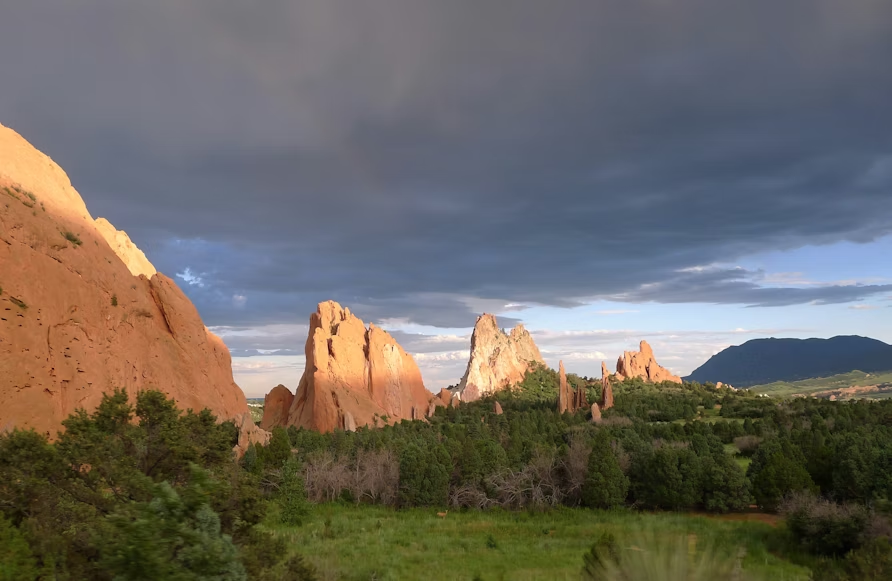
Photo by Morgan Pfaelzer on Unsplash
Spring hiking in Colorado starts early at lower elevations. Foothill trails around Boulder and Colorado Springs shake off snow weeks before the high peaks, giving hikers a proper head start on the season.
Mueller State Park is one of the most rewarding early-season options, containing examples of nearly every biome found across the state. Whether the goal is spotting early wildflowers or getting a technical look at local flora and fauna, the diversity here is hard to beat.
Down in Colorado Springs, the Garden of the Gods delivers one of the most visually dramatic hikes in the country. Designated as a National Natural Landmark, it is known for its towering red rock formations and beautiful, pristine scenery. Wildflower blooms begin to carpet the grassy areas in late spring, framing the park’s iconic needle-like red sandstone formations in streaks of color. The easy Perkins Central Garden Trail covers 1.5 miles through the heart of the park and is accessible to most fitness levels. For those wanting to explore further, there is a network of 15 different hiking routes across the grounds, allowing visitors to walk among the formations, catch spectacular views, and experience the best of Colorado’s nature.
Top spring trails worth knowing:
- Perkins Central Garden Trail — An easy 1.5-mile route through red sandstone formations in Colorado Springs
- Herman Gulch — A high-altitude spring destination near Dillon with striking mountain scenery
- Nymph Lake Trail — A gateway path leading to multiple lakes in Rocky Mountain National Park
- West Maroon Pass — A route to Aspen featuring sharp rock pinnacles and sweeping views
- Roxborough State Park & Rabbit Valley Recreation Area — Trails here are perfect for walking and catching early wildflower blooms in a pristine natural setting
For wildflower viewing without the elevation gain, the Denver Botanic Gardens at 1007 York St is open daily from 9:00 AM to 7:00 PM during spring. The Boettcher Memorial Tropical Conservatory inside houses exotic plants and towering palms, providing a lush contrast to the alpine environments found just an hour or two up the road.
Paint Mines Interpretive Park, located about 50 minutes from Colorado Springs in the middle of the remote plains near Calhan, is known for its colorful hoodoo rock formations and pristine environment. This significant archaeological site features evidence of human activity dating back 9,000 years. Walking through the park’s network of trails lets visitors catch pictures of the unique formations and experience the quiet beauty of nature surrounded by windmills and open landscape.
Hiking in Colorado during spring is all about walking through nature, catching sight of blooming wildflowers, and snapping pictures of breathtaking landscapes. Whether you’re exploring a network of trails in a state park or strolling through a botanic garden, spring offers pristine scenery and endless opportunities to connect with the outdoors.
Enjoy Late-Season Skiing and Snowboarding
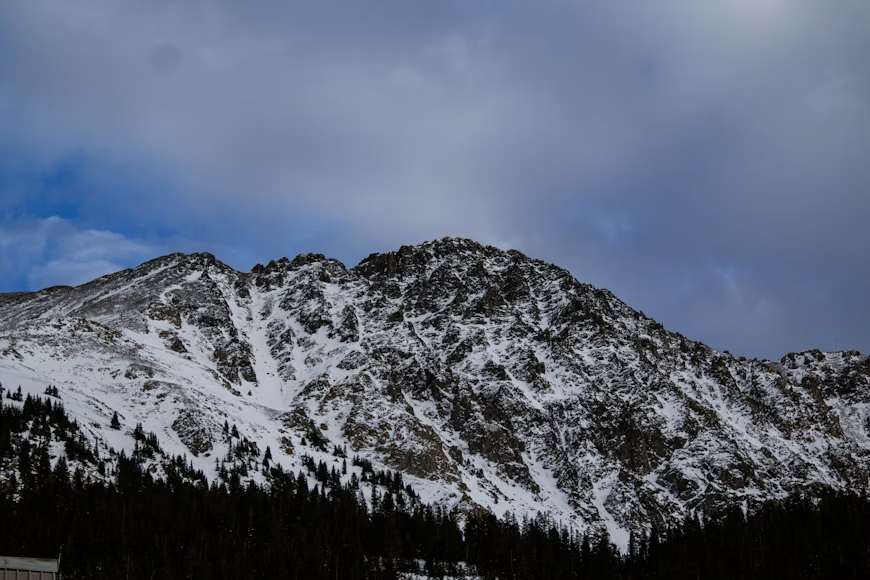
Photo by Mason Hassoun on Unsplash
Spring skiing has its own distinct personality. Warmer temperatures mean softer snow, longer daylight hours post-equinox, and significantly fewer layers of gear to wrestle into. Springtime skiing offers a unique experience, especially for those trying it for the first time, as the relaxed atmosphere and milder weather make it memorable and approachable.
Colorado’s high-altitude resorts are uniquely positioned to keep their doors open well into the season. Arapahoe Basin and Loveland Ski Area regularly operate through June, drawing skiers and snowboarders who want to stretch the season as far as it will go. Aspen and Vail, meanwhile, continue operations across their expansive terrain through the seasonal transition, with Vail’s famous back bowls particularly well-suited to the spring snowpack that March delivers.
Where to ski in spring:
- Arapahoe Basin — Known for late-season snowboarding, often open until June or beyond
- Loveland Ski Area — High-elevation runs that maintain winter conditions deep into spring
- Aspen — Multiple peaks with continued operations through the shoulder season
- Vail — Expansive back bowls that benefit from peak March snowfall
While many ski resorts in Colorado close in April, some like Arapahoe Basin often stay open into mid-June, making springtime a great opportunity for extended skiing and snowboarding.
For couples planning a Colorado getaway, spring skiing pairs beautifully with Denver’s vibrant city scene. There are plenty of exciting date ideas in Denver for every couple that complements a mountain ski day perfectly.
Experience Colorado’s Stunning National Parks in Spring
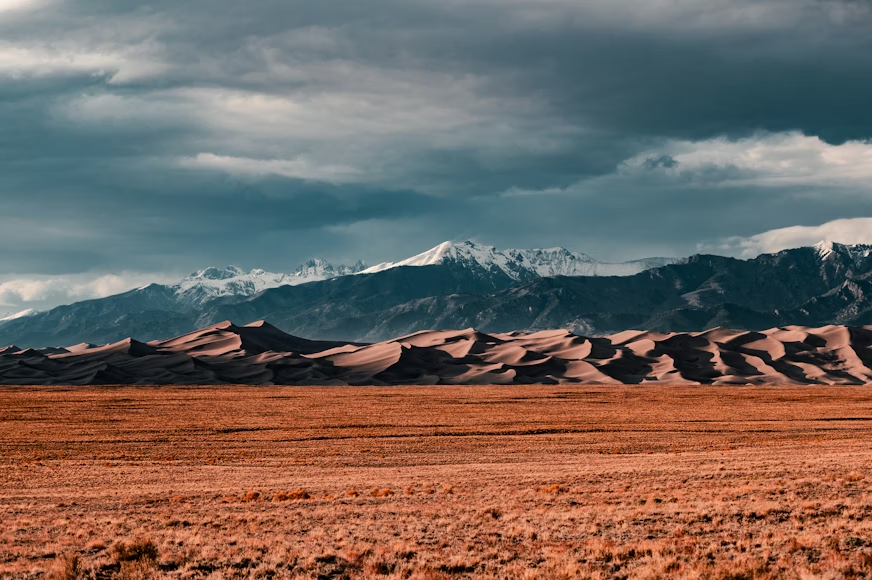
Photo by Colin Lloyd on Unsplash
Colorado’s national parks offer some of the most geologically and historically significant landscapes in North America, and spring is one of the best times to visit before summer crowds arrive. Spring is also the peak season for catching sight of sandhill cranes in Monte Vista and for identifying migrating species on the Colorado Birding Trail.
Great Sand Dunes National Park and Preserve is anchored by Star Dune, which stands 750 feet tall, making it the tallest sand dune on the continent. Spring is ideal for visiting because snowmelt from the Sangre de Cristo Mountains feeds Medano Creek along the dune’s base, creating a rare ephemeral stream where visitors can wade through shallow flowing water. Medano Creek experiences a unique ‘surge flow’ that usually peaks in late May, offering a spectacular natural phenomenon for visitors to catch.
In the southwest corner of the state, Mesa Verde National Park holds more than 600 ancient cliff dwellings, including the extraordinary Cliff Palace. The site is a UNESCO World Heritage Site, and for good reason. The Chapin Mesa Archaeological Museum provides context for the artifacts and architecture built by the Ancestral Puebloans, who used natural resources to create pigments for paint, adding to the rich history of the area. The Mesa Top Loop Road offers panoramic canyon views that communicate the sheer scale of these ancient settlements.
Rocky Mountain National Park is a different experience entirely. Trail Ridge Road, the highest continuous paved road in the United States, typically begins to open in late spring, allowing spectacular tundra views as it connects the park’s east and west sides at elevations that hold snow long after valley floors have thawed. Checking road opening dates before visiting is essential for anyone hoping to reach the high-alpine tundra, where the views and the stillness feel genuinely other-worldly.
Among Colorado’s iconic destinations, the history of Pikes Peak stands out. This legendary summit has played a central role in native heritage, the Gold Rush era, and the region’s development, making it a must-see for those interested in both adventure and the cultural legacy of the state.
Take a Scenic Drive Through Mountain Passes
Some of Colorado’s best spring experiences happen from the driver’s seat.
The Mount Evans Scenic Byway climbs above 14,000 feet to earn its title as the highest paved road in North America. The views across the Front Range from the summit are expansive in a way that photographs rarely capture accurately. Having a car, especially a rental or a 4×4, allows you to access remote mountain passes and attractions that are otherwise difficult to reach.
For something more historical, the Durango & Silverton Narrow Gauge Railroad covers 45 miles through the San Juan National Forest, following the Animas River through landscapes that simply cannot be reached by conventional vehicles. The train runs in spring and offers a genuinely different perspective on the Colorado backcountry.
Back in Denver, the Colorado State Capitol is worth a stop on any scenic driving itinerary. The dome is covered in real gold leaf, and there’s a specific step outside that marks exactly one mile above sea level. Visitors will find several parking lot options nearby, making access to the Capitol convenient whether you’re driving your own car or a rental. It’s a small detail, but it captures something essential about how Coloradans relate to elevation: they measure it, celebrate it, and build monuments to it.
Discover Waterfalls at Their Peak Flow
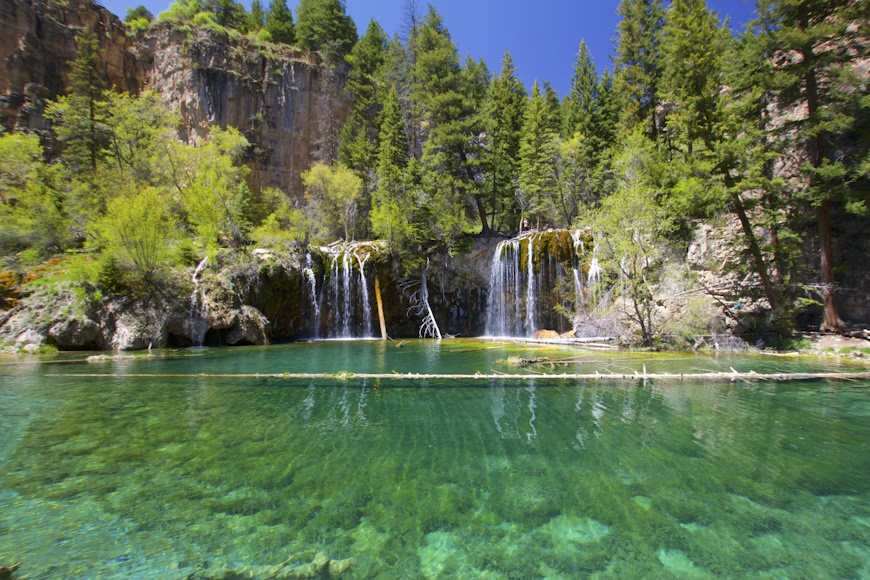
Photo by Steve O on Unsplash
Spring snowmelt does something spectacular to Colorado’s waterways. Rivers swell, waterfalls intensify, and the state’s whitewater becomes some of the most thrilling on the continent, filling the air with the sounds of rushing water.
The Arkansas River receives substantial snowmelt flow each spring, creating the high-volume conditions that make white water rafting beneath the Royal Gorge Bridge one of Colorado’s most sought-after adventures. The Royal Gorge features America’s highest zip line, offering 360-degree views of the Arkansas River from 1,000 feet above. Whitewater rafting on the Arkansas River provides adventure for all levels, from fun family floats to advanced rapids, making it suitable for families and thrill-seekers alike. In late April and May, snowmelt makes rivers like the Arkansas and Animas run fast and exciting, perfect for those seeking an adrenaline rush or a memorable family outing. The Royal Gorge Bridge ranks among the highest suspension bridges in the world, and seeing it from the water below is a perspective worth seeking out.
Must-see water features in spring:
- Treasure Falls — A 105-foot-tall waterfall accessible via a short quarter-mile hike, ideal for a family rest stop and fun pictures
- Hanging Lake — Features distinctive aqua-colored water formed by travertine mineral deposition; conservation rules apply, so plan accordingly
- Geyser Spring Trail — Ends at a natural geyser that bubbles predictably every hour, offering a unique adventure and a place to catch your breath
- Arkansas River — Delivers professional-grade rafting conditions through late spring and offers gold-medal waters where you can fish for rainbow trout and kokanee salmon
Hanging Lake’s aqua color comes from travertine deposition, where minerals gradually settle out of the water to build delicate geological formations. It’s a fragile and genuinely beautiful place, which is exactly why the conservation guidelines there are taken seriously. Don’t forget to catch the sounds of cascading water and snap pictures of breathtaking waterfalls like Treasure Falls and Hanging Lake—these sights are perfect for making memories with your family and taking a moment to rest and enjoy the scenery.
Denver also has wonderful lakeside options closer to the city. Sloan’s Lake Park offers a peaceful contrast to the roaring rivers, with calm waterside scenery that feels like a different Colorado altogether.
Relax in Natural Hot Springs and Wellness Retreats
After days of skiing, hiking, and river adventures, Colorado’s natural hot springs feel less like a luxury and more like a necessity.
Iron Mountain Hot Springs in Glenwood Springs features 16 naturally shaped geothermal pools ranging in temperature from 98 to 108 degrees. The water contains 14 different minerals with known therapeutic benefits, making a long soak here feel genuinely restorative after a day on the trails or the slopes. Choosing between pool temperatures based on personal preference adds a nice, low-stakes element of decision-making to the experience.
Springtime is ideal for rest and wellness retreats, as the fresh mountain air enhances relaxation and rejuvenation. Visitors can create a relaxing experience by combining soaks in mineral-rich pools with moments to rest and take in the scenery. Spring in Colorado also offers a unique transition where you can create an itinerary that includes both world-class skiing and blooming desert landscapes in the same weekend.
Further north, Strawberry Park Hot Springs in Steamboat Springs offers a more secluded setting. Tucked into the surrounding landscape rather than developed into a large facility, it feels like a true escape. Both locations are popular, so securing reservations in advance is strongly recommended.
Spring is an excellent time to plan a hot springs visit, and the season has a way of stretching pleasantly towards exciting things to experience in Colorado in June, when longer days and warming temperatures open up even more of the state.
Start Planning Your Colorado Spring Trip
Colorado in spring rewards the curious traveler with fewer crowds, lower prices, and a landscape in genuine transition. Discover the best things to do in Colorado in spring, from wildflowers blooming at lower elevations to ski runs still open above. Waterfalls are at full force. The hot springs are warm. The trails are waking up.
Whether the plan is a long weekend in Denver, a mountain escape to Aspen, or a road trip through the national parks, spring offers the kind of Colorado experience that feels both adventurous and unhurried. Create your own adventure as you explore, start researching destinations, check those road opening dates, and lock in those hot springs reservations. Spring in the Rockies has a way of filling up faster than it looks like it will.