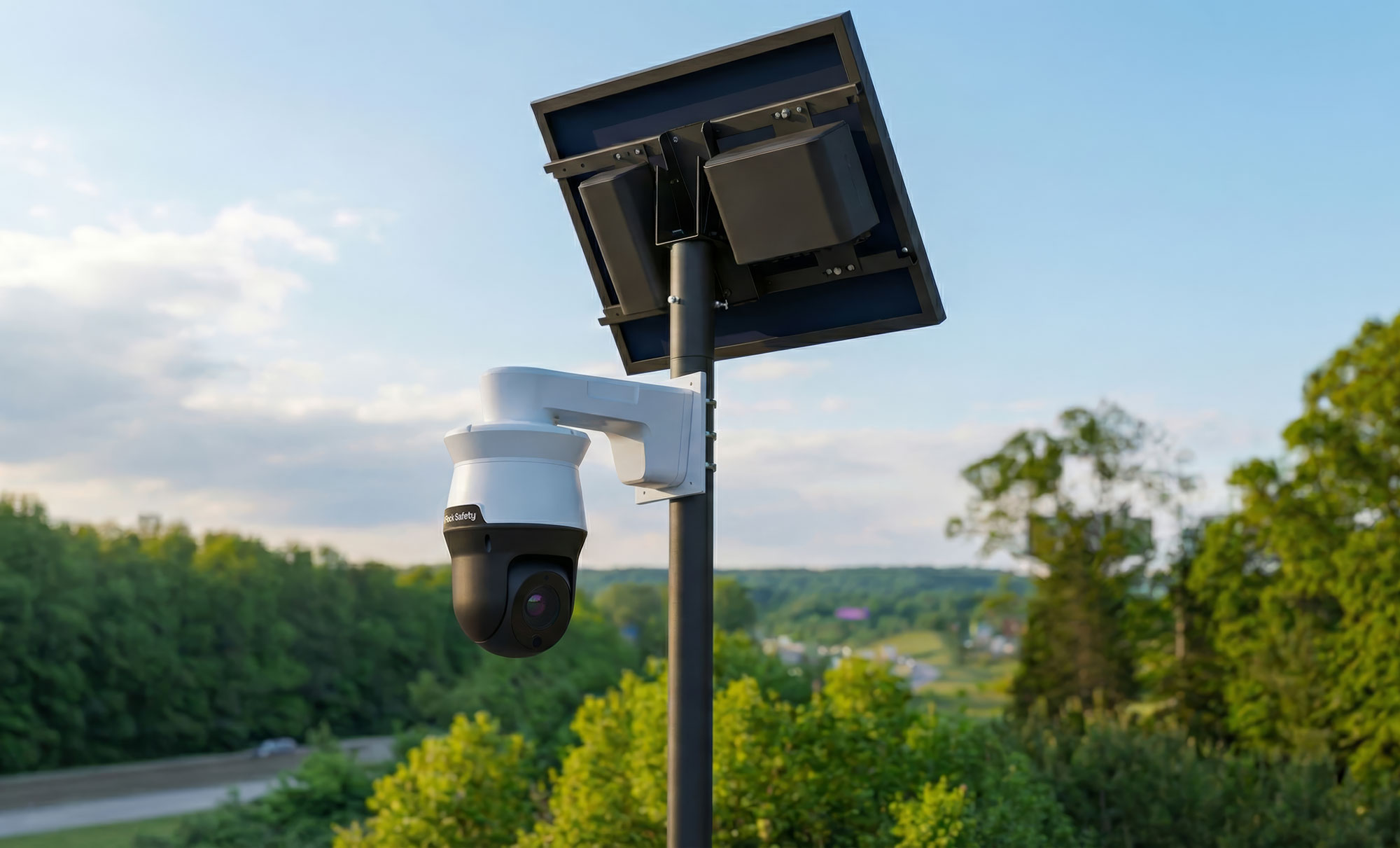
The Boulder Police Department is facing a class action lawsuit for its use of Flock camera technology
The Boulder Police Department is facing a class action lawsuit for its use of Flock camera technology that collects license plate information for passing cars and for declining open records request information related to the collected data. Police Chief Stephen Redfearn is named as a defendant as well as City of Boulder Records and Information Services Supervisor Dawn Vanackeren.
The lawsuit states that Chief Redfearn has “blanketed Boulder with a network of Flock automated license plate reader cameras that photograph and track every vehicle on Boulder’s public roads twenty-four hours a day, seven days a week.” The plaintiffs allege that there are no meaningful safeguards or restrictions for officer access to data collected by Flock.
The plaintiffs state there is no warrant that authorizes this level of surveillance for the 99.5% of individuals who are not connected to any crime but are having their information captured by the Flock Safety cameras. The lawsuit points to examples across the country of officers stalking ex girlfriends by conducting hundreds of tracking searches on the Flock database.
One officer in the Thornton Police Department ran 19,194 Flock searches between October 2023 and December 2025 and only 29 of those searches were connected to a specific case number. Denver utilized the Flock database over 1,400 times for immigration-related searches, which is against Colorado’s law that prohibits local cooperation with federal immigration officers.
In March, the City of Boulder temporarily renewed its contract with Flock while it considers alternative providers and the latest contract has a provision that allows the city to exit the contract with at least 30 days notice. No courts have ruled against Flock on the basis that it is a Fourth Amendment violation as “unreasonable search and seizure” without a warrant. The cameras are deployed on public roads and individuals have no reasonable expectation of privacy on public roads. License plates must be visible on vehicles and can be seen by anyone when a car is on a public roadway.
The plaintiffs also argued that Boulder is violating the Colorado Criminal Justice Records Act (CCJRA) by denying open records requests and outsourcing the storage of records to Flock. The plaintiff received a denial stating the search could not be conducted because it would “violate our department policy and contractual obligations.”