Unless a federal judge intervenes, the new public charge policy is scheduled to take effect September 18
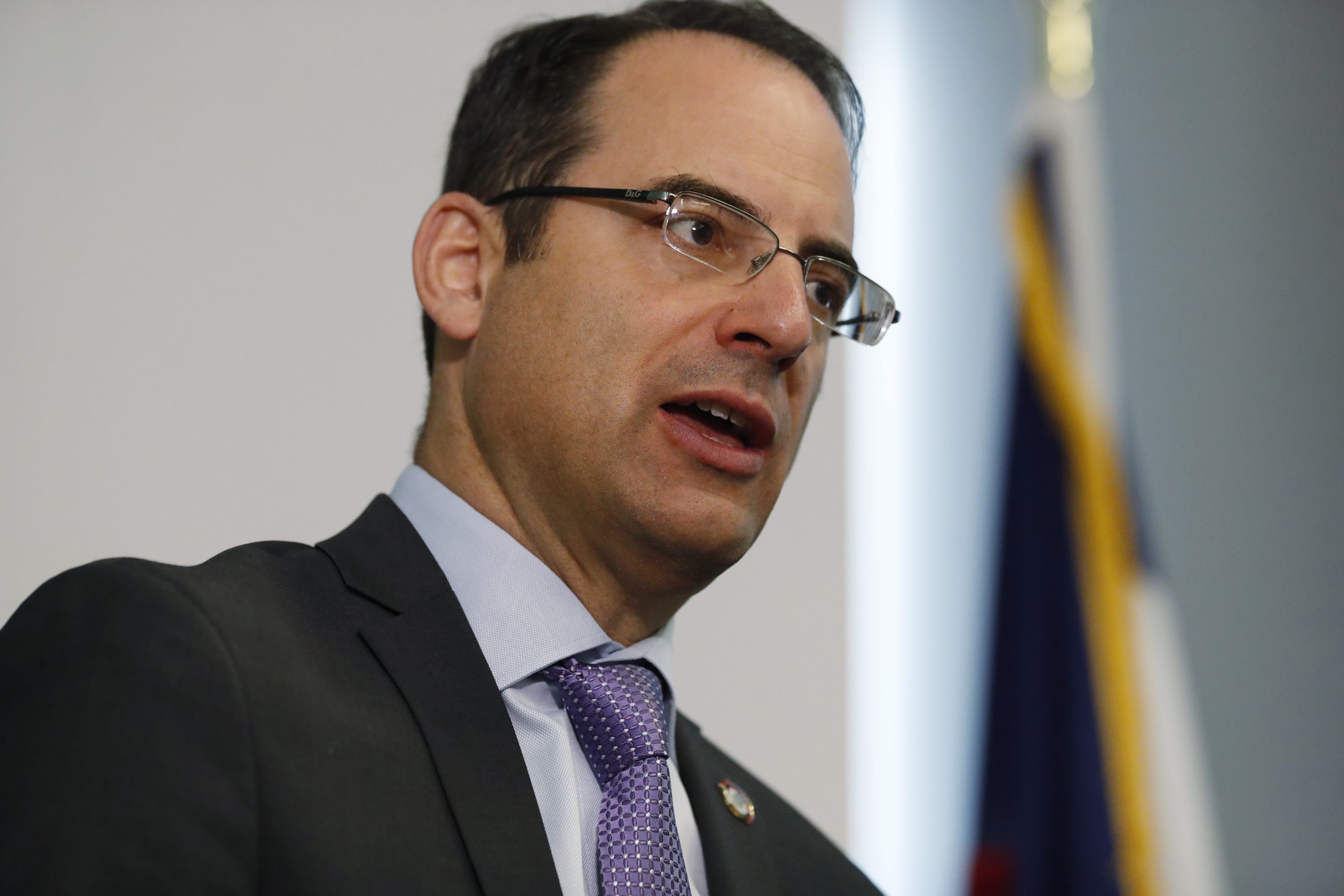
Colorado Attorney General Phil Weiser has joined a multistate lawsuit seeking to block a new Trump administration immigration rule that would give federal officers broader discretion to consider an immigrant's use of public benefits when deciding whether that person should receive a green card.
Colorado joined 21 other states and the District of Columbia in the lawsuit filed Monday in the U.S. District Court for the Southern District of New York. The states are asking a judge to stop the policy from taking effect Friday, September 18, arguing that it unlawfully expands the federal government's "public charge" standard and could discourage immigrant families from using benefits for which they are legally eligible.
The new Department of Homeland Security rule rescinds a narrower policy adopted in 2022 and restores broader discretion to immigration officers reviewing whether an applicant is likely to become primarily dependent on the government.
Under the new rule, officers may consider use of programs including Medicaid and the Supplemental Nutrition Assistance Program alongside factors such as age, health, employment, education, family status, assets and financial resources.
DHS says no single factor automatically makes someone a public charge. The agency describes the process as a "totality of the circumstances" review and says receiving Medicaid or SNAP would not by itself determine the outcome of an immigration application.
Colorado and the other states argue that the broader standard is too vague and could cause families to avoid health care, nutrition assistance and other programs even when they are legally entitled to receive them.
In announcing Colorado's participation in the case, Weiser's office said the rule could create confusion among immigrant families and increase costs for states, hospitals and community health centers if people delay medical care or stop using public programs.
"The administration's unlawful rule weaponizes the public charge test to harm legal immigrant children and families and cause fear, confusion and uncertainty about accessing benefits they are legally entitled to receive," Weiser said.
The Trump administration disputes those claims.
A Department of Homeland Security spokesperson told Reuters that the rule is intended to ensure immigrants seeking permanent residency are able to support themselves rather than depend on government assistance.
The dispute revives a long-running legal fight over how broadly the public charge provision of federal immigration law should be interpreted.
During President Donald Trump's first term, DHS adopted a rule in 2019 allowing officials to consider programs including Medicaid, SNAP and housing assistance in immigration decisions. That policy faced multiple lawsuits before the Biden administration stopped defending it in court.
The Biden administration later adopted a narrower rule in 2022 that focused primarily on cash assistance and government-funded long-term institutional care.
The new 2026 policy removes that framework and gives immigration officers more discretion to consider public benefit use.
The rule does not apply equally to every immigrant. Refugees, asylum recipients and several other humanitarian immigration categories are generally exempt from the public charge ground of inadmissibility, and U.S. citizens are not subject to the test.
State officials are also concerned about a broader "chilling effect" in mixed-status households, where eligible family members may stop using public programs because they fear immigration consequences for another member of the household.
The lawsuit alleges DHS violated federal administrative law and exceeded its authority by eliminating the 2022 standards without providing sufficiently clear replacement rules.
Unless a federal judge intervenes, the new public charge policy is scheduled to take effect September 18.
Colorado Attorney General Phil Weiser has joined a multistate lawsuit seeking to block a new Trump administration immigration rule that would give federal officers broader discretion to consider an immigrant’s use of public benefits when deciding whether that person should receive a green card.
Colorado joined 21 other states and the District of Columbia in the lawsuit filed Monday in the U.S. District Court for the Southern District of New York. The states are asking a judge to stop the policy from taking effect Friday, September 18, arguing that it unlawfully expands the federal government’s “public charge” standard and could discourage immigrant families from using benefits for which they are legally eligible.
The new Department of Homeland Security rule rescinds a narrower policy adopted in 2022 and restores broader discretion to immigration officers reviewing whether an applicant is likely to become primarily dependent on the government.
Under the new rule, officers may consider use of programs including Medicaid and the Supplemental Nutrition Assistance Program alongside factors such as age, health, employment, education, family status, assets and financial resources.
DHS says no single factor automatically makes someone a public charge. The agency describes the process as a “totality of the circumstances” review and says receiving Medicaid or SNAP would not by itself determine the outcome of an immigration application.
Colorado and the other states argue that the broader standard is too vague and could cause families to avoid health care, nutrition assistance and other programs even when they are legally entitled to receive them.
In announcing Colorado’s participation in the case, Weiser’s office said the rule could create confusion among immigrant families and increase costs for states, hospitals and community health centers if people delay medical care or stop using public programs.
“The administration’s unlawful rule weaponizes the public charge test to harm legal immigrant children and families and cause fear, confusion and uncertainty about accessing benefits they are legally entitled to receive,” Weiser said.
The Trump administration disputes those claims.
A Department of Homeland Security spokesperson told Reuters that the rule is intended to ensure immigrants seeking permanent residency are able to support themselves rather than depend on government assistance.
The dispute revives a long-running legal fight over how broadly the public charge provision of federal immigration law should be interpreted.
During President Donald Trump’s first term, DHS adopted a rule in 2019 allowing officials to consider programs including Medicaid, SNAP and housing assistance in immigration decisions. That policy faced multiple lawsuits before the Biden administration stopped defending it in court.
The Biden administration later adopted a narrower rule in 2022 that focused primarily on cash assistance and government-funded long-term institutional care.
The new 2026 policy removes that framework and gives immigration officers more discretion to consider public benefit use.
The rule does not apply equally to every immigrant. Refugees, asylum recipients and several other humanitarian immigration categories are generally exempt from the public charge ground of inadmissibility, and U.S. citizens are not subject to the test.
State officials are also concerned about a broader “chilling effect” in mixed-status households, where eligible family members may stop using public programs because they fear immigration consequences for another member of the household.
The lawsuit alleges DHS violated federal administrative law and exceeded its authority by eliminating the 2022 standards without providing sufficiently clear replacement rules.
Unless a federal judge intervenes, the new public charge policy is scheduled to take effect September 18.