What Is the Snowiest Month in Colorado? A Look at Historic Snowfall
Knowing when snowstorms are most likely to hit can help locals and visitors plan for winter activities like skiing and snowboarding. Why March is the Snowiest Month in Colorado March is the snowiest month in the state, known for its heavy snowfalls and intense storms. The mix of changing seasons and unique weather patterns makes […]
Knowing when snowstorms are most likely to hit can help locals and visitors plan for winter activities like skiing and snowboarding.
Why March is the Snowiest Month in Colorado
March is the snowiest month in the state, known for its heavy snowfalls and intense storms. The mix of changing seasons and unique weather patterns makes it the prime month for snow in Colorado.
When Does It Snow in Colorado?
So, when does it snow in Colorado? The snow season typically begins in October and extends through April, though mountain areas can see snow as early as September and as late as May. The heaviest and most consistent snowfall occurs from December through March, with March historically producing the most accumulation statewide. Higher elevations like the Rocky Mountains receive snow throughout the winter, while lower areas like Denver experience more variable snowfall patterns. Understanding Colorado's snow timeline helps visitors and residents alike prepare for winter conditions and plan outdoor activities accordingly.
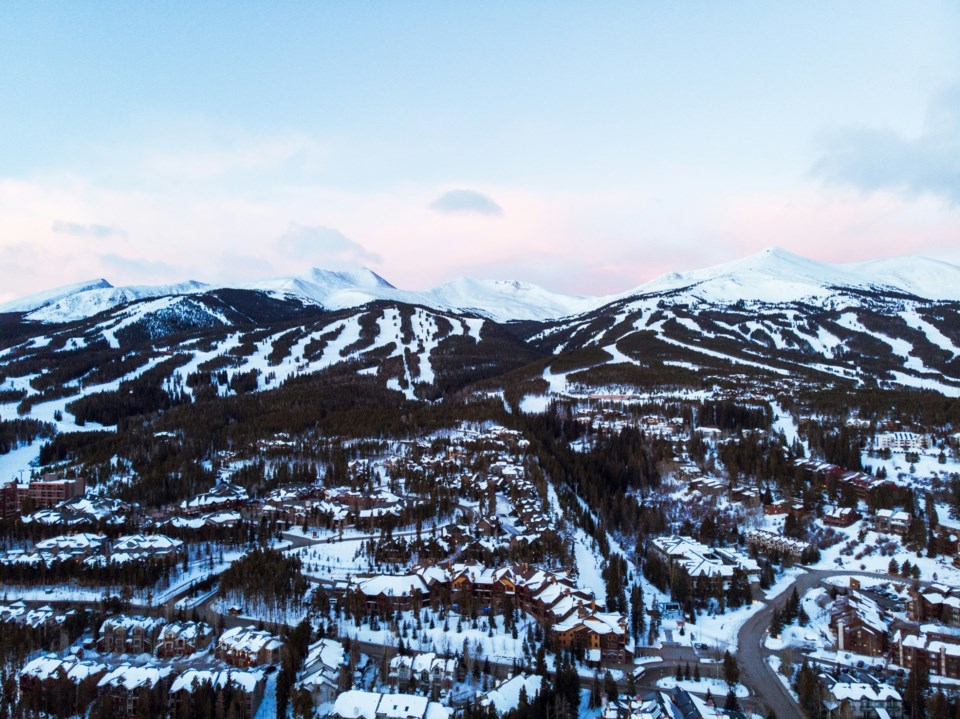
Drone shot of Breckenridge in the morning. Photo by Ethan Walsweer on Unsplash
Influence of Seasonal Transitions
As winter shifts to spring, unstable air masses from the north and south create perfect conditions for snowstorms. The colder air from the north combines with moisture from the south, causing heavier snow. Mountain ranges also intensify these storms, especially at higher elevations.
This transition period causes frequent, intense snowstorms that bring heavy snowfalls, making March the snowiest month in Colorado. The added moisture in the air helps create larger storms, leading to significant snow accumulation.
Impact of Storm Systems and Weather Patterns
March snowstorms are fueled by storm systems from the Pacific or Gulf of Mexico, which bring both moisture and cold air. These systems can create powerful snowstorms with strong winds, making travel dangerous. Unstable weather patterns in March often lead to unpredictable snowstorms that dump large amounts of snow.
The frequent low-pressure systems in March make storms more intense, contributing to Colorado's record snowfall during this month. These unpredictable patterns ensure that March remains the snowiest month. This is also why March tends to be among the coldest months in Colorado, as cold fronts continue pushing through the region.
Average Snowfall in March
March sees more snowfall than any other month in Colorado, with cities like Denver averaging up to 10 inches. Mountain regions can experience several feet of snow, thanks to the combination of intense storms and moisture-rich air.
Mountain resorts like Breckenridge and Aspen often get over 30 inches in a single storm. This consistent snowfall ensures that March is a peak month for snow across the state.
How Snowfall Affects Colorado’s Ski Resorts
The snow in March creates some of the best skiing conditions in Colorado. Resorts see a surge in visitors, making it a busy and exciting time to hit the slopes.
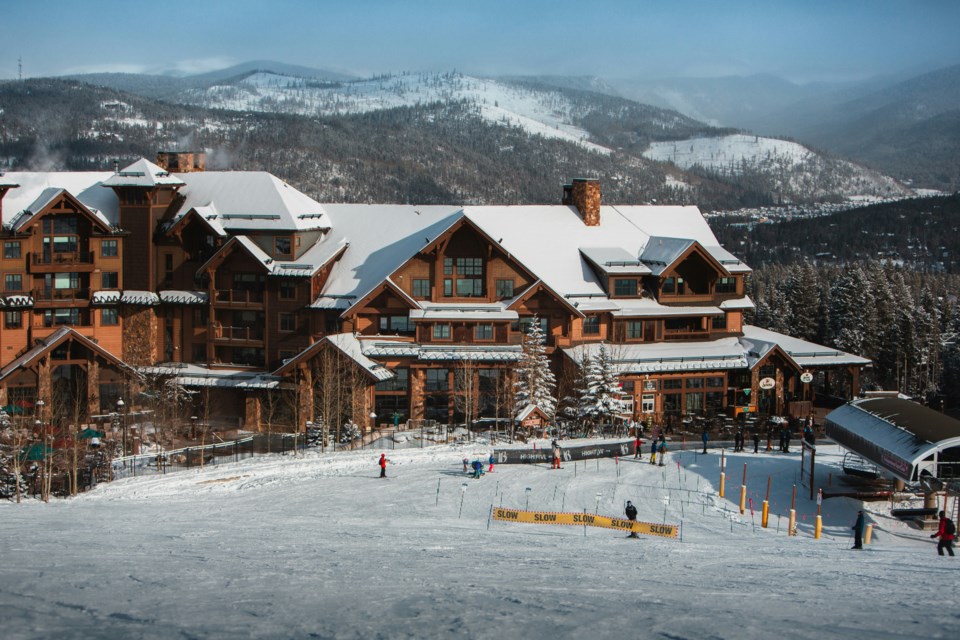
Ski village at Breckenridge Resort, Colorado. Photo by Nick Rickert on Unsplash
Peak Skiing Conditions in March
March offers excellent skiing, with deep snow and milder temperatures. The snow is often heavier and wetter, providing excellent powder conditions. The days also get longer, which makes skiing more enjoyable, as the sun shines brighter during the day.
These conditions make March an ideal month for skiing, offering the best snow and pleasant weather for outdoor activities. Ski resorts extend their hours, maximizing the ski season. For those looking to extend their skiing into the evening hours, several resorts offer night skiing in Colorado, providing a unique experience under the lights.
Best Ski Resorts for March Snowfall
Top resorts like Vail, Breckenridge, and Keystone experience their heaviest snowfall in March. These areas have a reliable snow base, with higher elevations ensuring great skiing conditions. Resorts in mountain towns such as Steamboat Springs also enjoy March's heavy snowfalls, making them a top choice for visitors.
The combination of great snow and spring events makes March the prime time to ski in Colorado. Budget-conscious skiers can also find great deals at some of the cheapest ski resorts in Colorado, which still receive excellent March snowfall.
Economic Boost from March Snow
March snow boosts Colorado’s economy, especially in tourism and skiing. More visitors flock to ski resorts during spring break, contributing to an increase in local revenue. Businesses like hotels, restaurants, and stores also see a significant uptick in sales.
The snow helps extend the ski season, offering sustained economic benefits for Colorado through the spring months.
Comparing Snowfall in Other Months of the Year
While March is the snowiest month, it's interesting to see how other months compare. Snowfall patterns vary greatly from December through April.
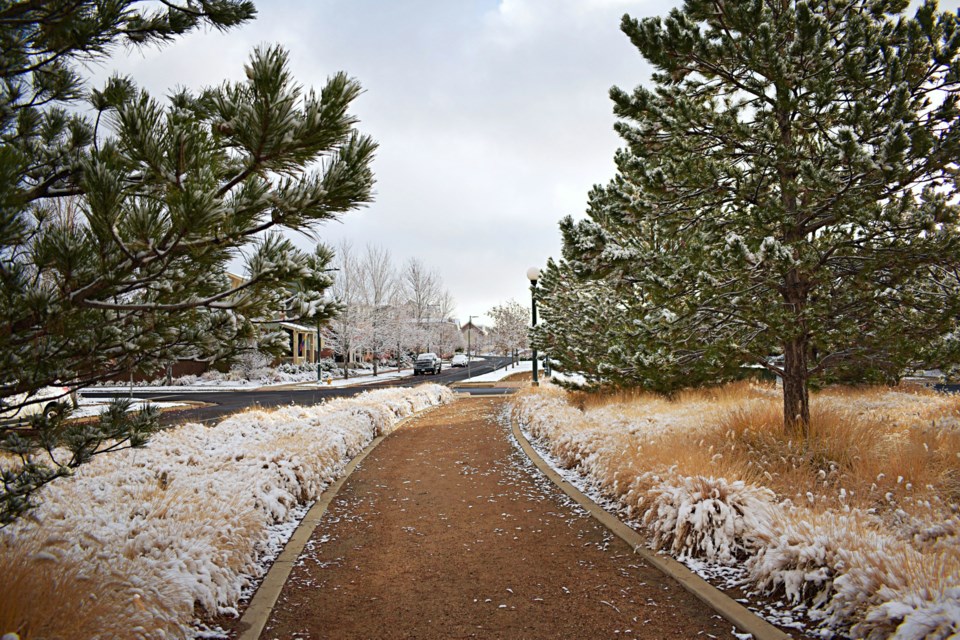
Central Park, Denver, CO, USA. Photo by Doni Rath on Unsplash
December vs. March: Early Winter vs. Late Winter Snow
December marks the beginning of the snow season, but it typically sees lighter snow in Colorado compared to March. Early winter snow tends to be drier, while March snow is heavier and wetter due to the warmer air mixing with cold fronts.
The snow in March is also more consistent, leading to better skiing conditions than in December.
Snowfall in January and February
January and February are known for frequent snowstorms, but the snow can be drier and windblown. January sees more intense snowstorms, while February's snow can be more sporadic.
In comparison, March offers heavier, wetter snow and more consistent storms, making it the best month for skiing conditions.
March vs. April: When Does Snow Start to Melt?
Snowfall in March is heavy and frequent, while April marks the beginning of snow melting in lower elevations. In April, snowstorms are less frequent and tend to be lighter, signaling the start of warmer temperatures.
Higher-elevation areas like Vail still see snowstorms in early April, but by mid-month, the snow begins to melt, signaling the end of the peak ski season.
What to Expect During a March Snowstorm in Colorado
March snowstorms in Colorado can be intense, with heavy snow and strong winds. It’s important to stay prepared for sudden changes in weather and possible travel disruptions.
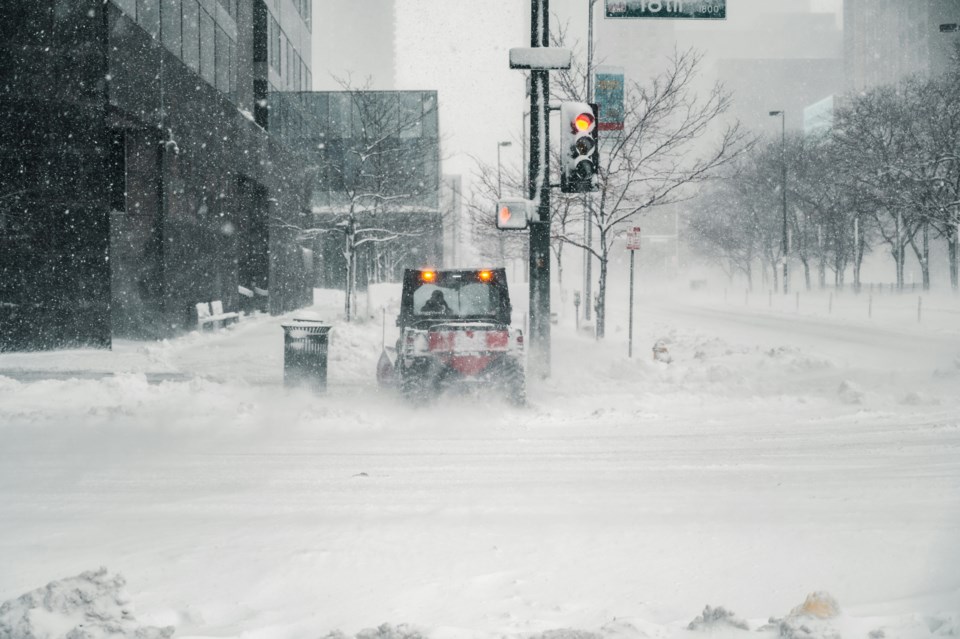
Denver, CO, USA. Photo by Colin Lloyd on Unsplash
Preparing for Heavy Snow and Travel Disruptions
March snowstorms can cause dangerous road conditions, making travel difficult. Travelers should prepare by checking road conditions and ensuring vehicles are equipped for snow. Allow extra travel time and pack emergency supplies in case of delays.
Mountain passes and highways can become impassable quickly, so always plan ahead during snowstorms.
Safety Tips During March Snowstorms
Safety is key during March snowstorms, as roads can be slippery and visibility poor. Drivers should reduce speed, keep a safe distance, and avoid sudden movements to maintain control. It’s also wise to carry a survival kit, including blankets, food, and water.
In severe snowstorms, it’s safest to stay off the roads and wait until conditions improve. Always check weather forecasts before heading out.
March Snowstorm Records in Colorado
Colorado has experienced some of its most intense snowstorms in March. These storms have dropped up to 20 inches of snow in a single day, creating memorable snow events for residents. The March blizzard of 2003, for example, brought massive snowfalls that disrupted daily life.
These records highlight how March can bring some of the heaviest snowstorms of the year, reinforcing its status as the snowiest month in Colorado.
Conclusion: Embracing the Snowiest Month in Colorado
March stands as the snowiest month in Colorado, bringing heavy snowstorms and excellent skiing conditions to the state. Whether you're a skier or simply someone who enjoys the beauty of a snowy landscape, March offers a unique experience with its impressive snowfall and thrilling weather patterns. Be prepared for its intense storms and make the most of this winter wonderland before the warmer months begin. Now that you know when it snows in Colorado and what to expect, you can plan your winter adventures with confidence.
Knowing when snowstorms are most likely to hit can help locals and visitors plan for winter activities like skiing and snowboarding.
Why March is the Snowiest Month in Colorado
March is the snowiest month in the state, known for its heavy snowfalls and intense storms. The mix of changing seasons and unique weather patterns makes it the prime month for snow in Colorado.
When Does It Snow in Colorado?
So, when does it snow in Colorado? The snow season typically begins in October and extends through April, though mountain areas can see snow as early as September and as late as May. The heaviest and most consistent snowfall occurs from December through March, with March historically producing the most accumulation statewide. Higher elevations like the Rocky Mountains receive snow throughout the winter, while lower areas like Denver experience more variable snowfall patterns. Understanding Colorado’s snow timeline helps visitors and residents alike prepare for winter conditions and plan outdoor activities accordingly.
Drone shot of Breckenridge in the morning. Photo by Ethan Walsweer on Unsplash
Influence of Seasonal Transitions
As winter shifts to spring, unstable air masses from the north and south create perfect conditions for snowstorms. The colder air from the north combines with moisture from the south, causing heavier snow. Mountain ranges also intensify these storms, especially at higher elevations.
This transition period causes frequent, intense snowstorms that bring heavy snowfalls, making March the snowiest month in Colorado. The added moisture in the air helps create larger storms, leading to significant snow accumulation.
Impact of Storm Systems and Weather Patterns
March snowstorms are fueled by storm systems from the Pacific or Gulf of Mexico, which bring both moisture and cold air. These systems can create powerful snowstorms with strong winds, making travel dangerous. Unstable weather patterns in March often lead to unpredictable snowstorms that dump large amounts of snow.
The frequent low-pressure systems in March make storms more intense, contributing to Colorado’s record snowfall during this month. These unpredictable patterns ensure that March remains the snowiest month. This is also why March tends to be among the coldest months in Colorado, as cold fronts continue pushing through the region.
Average Snowfall in March
March sees more snowfall than any other month in Colorado, with cities like Denver averaging up to 10 inches. Mountain regions can experience several feet of snow, thanks to the combination of intense storms and moisture-rich air.
Mountain resorts like Breckenridge and Aspen often get over 30 inches in a single storm. This consistent snowfall ensures that March is a peak month for snow across the state.
How Snowfall Affects Colorado’s Ski Resorts
The snow in March creates some of the best skiing conditions in Colorado. Resorts see a surge in visitors, making it a busy and exciting time to hit the slopes.
Ski village at Breckenridge Resort, Colorado. Photo by Nick Rickert on Unsplash
Peak Skiing Conditions in March
March offers excellent skiing, with deep snow and milder temperatures. The snow is often heavier and wetter, providing excellent powder conditions. The days also get longer, which makes skiing more enjoyable, as the sun shines brighter during the day.
These conditions make March an ideal month for skiing, offering the best snow and pleasant weather for outdoor activities. Ski resorts extend their hours, maximizing the ski season. For those looking to extend their skiing into the evening hours, several resorts offer night skiing in Colorado, providing a unique experience under the lights.
Best Ski Resorts for March Snowfall
Top resorts like Vail, Breckenridge, and Keystone experience their heaviest snowfall in March. These areas have a reliable snow base, with higher elevations ensuring great skiing conditions. Resorts in mountain towns such as Steamboat Springs also enjoy March’s heavy snowfalls, making them a top choice for visitors.
The combination of great snow and spring events makes March the prime time to ski in Colorado. Budget-conscious skiers can also find great deals at some of the cheapest ski resorts in Colorado, which still receive excellent March snowfall.
Economic Boost from March Snow
March snow boosts Colorado’s economy, especially in tourism and skiing. More visitors flock to ski resorts during spring break, contributing to an increase in local revenue. Businesses like hotels, restaurants, and stores also see a significant uptick in sales.
The snow helps extend the ski season, offering sustained economic benefits for Colorado through the spring months.
Comparing Snowfall in Other Months of the Year
While March is the snowiest month, it’s interesting to see how other months compare. Snowfall patterns vary greatly from December through April.
Central Park, Denver, CO, USA. Photo by Doni Rath on Unsplash
December vs. March: Early Winter vs. Late Winter Snow
December marks the beginning of the snow season, but it typically sees lighter snow in Colorado compared to March. Early winter snow tends to be drier, while March snow is heavier and wetter due to the warmer air mixing with cold fronts.
The snow in March is also more consistent, leading to better skiing conditions than in December.
Snowfall in January and February
January and February are known for frequent snowstorms, but the snow can be drier and windblown. January sees more intense snowstorms, while February’s snow can be more sporadic.
In comparison, March offers heavier, wetter snow and more consistent storms, making it the best month for skiing conditions.
March vs. April: When Does Snow Start to Melt?
Snowfall in March is heavy and frequent, while April marks the beginning of snow melting in lower elevations. In April, snowstorms are less frequent and tend to be lighter, signaling the start of warmer temperatures.
Higher-elevation areas like Vail still see snowstorms in early April, but by mid-month, the snow begins to melt, signaling the end of the peak ski season.
What to Expect During a March Snowstorm in Colorado
March snowstorms in Colorado can be intense, with heavy snow and strong winds. It’s important to stay prepared for sudden changes in weather and possible travel disruptions.
Denver, CO, USA. Photo by Colin Lloyd on Unsplash
Preparing for Heavy Snow and Travel Disruptions
March snowstorms can cause dangerous road conditions, making travel difficult. Travelers should prepare by checking road conditions and ensuring vehicles are equipped for snow. Allow extra travel time and pack emergency supplies in case of delays.
Mountain passes and highways can become impassable quickly, so always plan ahead during snowstorms.
Safety Tips During March Snowstorms
Safety is key during March snowstorms, as roads can be slippery and visibility poor. Drivers should reduce speed, keep a safe distance, and avoid sudden movements to maintain control. It’s also wise to carry a survival kit, including blankets, food, and water.
In severe snowstorms, it’s safest to stay off the roads and wait until conditions improve. Always check weather forecasts before heading out.
March Snowstorm Records in Colorado
Colorado has experienced some of its most intense snowstorms in March. These storms have dropped up to 20 inches of snow in a single day, creating memorable snow events for residents. The March blizzard of 2003, for example, brought massive snowfalls that disrupted daily life.
These records highlight how March can bring some of the heaviest snowstorms of the year, reinforcing its status as the snowiest month in Colorado.
Conclusion: Embracing the Snowiest Month in Colorado
March stands as the snowiest month in Colorado, bringing heavy snowstorms and excellent skiing conditions to the state. Whether you’re a skier or simply someone who enjoys the beauty of a snowy landscape, March offers a unique experience with its impressive snowfall and thrilling weather patterns. Be prepared for its intense storms and make the most of this winter wonderland before the warmer months begin. Now that you know when it snows in Colorado and what to expect, you can plan your winter adventures with confidence.
About the Author:
Andrea Ano
Hi, I'm Andrea, a writer passionate about sharing Colorado’s stories. From breaking news to local highlights, I bring the heart of Colorado to the forefront....