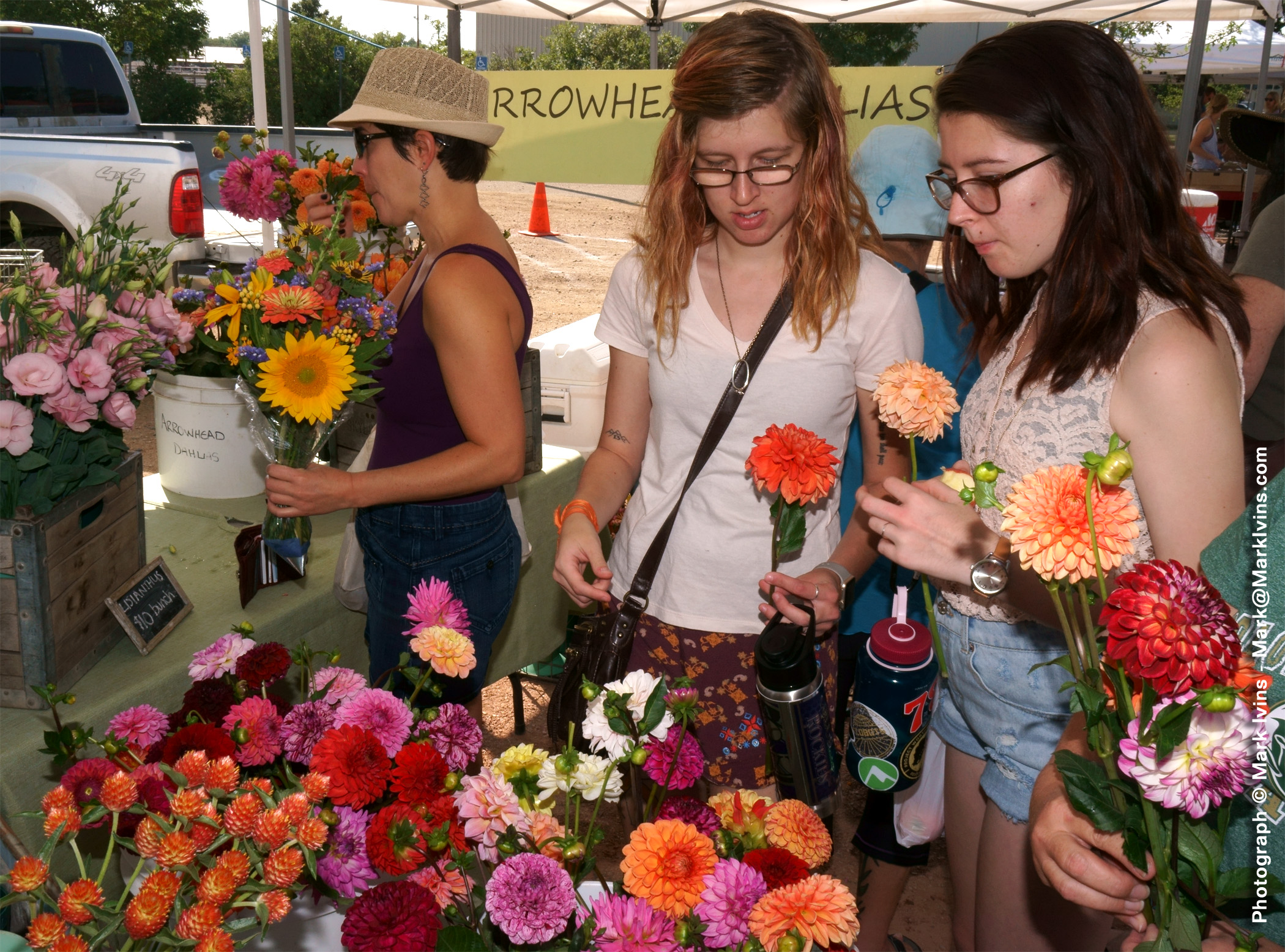
Spring is an incredible season in Longmont. The flowers adding long-lost color to what through the winter were dull lawns, the trees blossom in profusion, the bees are out dancing about... the world comes alive again.
This content was originally published by the Longmont Observer and is licensed under a Creative Commons license.
By Pamela Curtis
Spring is an incredible season in Longmont. The flowers adding
long-lost color to what through the winter were dull lawns, the trees blossom
in profusion, the bees are out dancing about... the world comes alive again.
Only this year, it seems more precious. With the stay-at-home order and now the
safer-at-home order, the world outside reminds us that life still goes on. No
one told the flowers they couldn’t bloom, no one tells the birds they cannot
sing. In what seems like defiance of the tragedy we’re enduring, the beauty of
the seasons continues.
Yet a danger still lurks: we must continue to guard against the
virus, and now there is the real threat of catastrophic fallout from the
measures we have taken. The UN has warned of “famines of Biblical proportions.”
Russia, one of the largest breadbaskets of the world, is setting export limits
on wheat and may halt them altogether next month. India’s exports remain
suspended, just in time to halt shipments of mangos and other seasonal harvests
to the rest of the world.
Gardening in Longmont
In response to news such as this, wisely, many Longmonters have
started gardens, some for the first time. “Grow an extra row!” has become the
new motto, and even apartment dwellers are getting into the mix with balcony
and indoor gardens (https://www.ambius.com/blog/ultimate-guide-to-indoor-vegetable-gardens/).
Seedling exchanges have started up among neighbors, and gardening advice is
flowing over social media.
The good news is our state understands that garden supplies are
“essential business,” so local garden and nursery supply stores are still
operational. Many stores are taking phone orders and parking-lot pick-up and
others allowing in-store shopping as normal, so long as masks are worn and
social distancing is practiced. Visit your retailers online or call ahead to
see what restrictions apply.
Colorado also has several laws allowing for the sale of produce
and goods produced at home. Raw, uncut produce can be sold in Colorado without
licensing or registration. The FDA’s “Good Agriculture Practices” provides
recommendations for safe practices to assure produce is safe for consumption
(http://www.fda.gov/food/ resourceforyou/consumers/ ucm114299). There is also
the “Cottage Foods Act” which allows for sale of eggs and other home-made items
(more information available at https://www.colorado.gov/pacific/sites/default/files/Reg_DEHS_CottageFoodsAct_Brochure.pdf
and http://cofarmtomarket.com).
Nurturing plants is also great for mental health, as helping
things grow has proven good for the soul (https://www.psychologytoday.com/us/blog/think-act-be/201906/10-mental-health-benefits-gardening).
It will be exciting to see the results come harvest time! Plus, with each of us
doing our small part, we can lessen the strain on our farmers and help ease
global food demands, perhaps avoiding the catastrophe of famine and starvation
for millions.
So let’s get growing, Longmont!
This content was originally published by the Longmont Observer and is licensed under a Creative Commons license.
By Pamela Curtis
Spring is an incredible season in Longmont. The flowers adding
long-lost color to what through the winter were dull lawns, the trees blossom
in profusion, the bees are out dancing about… the world comes alive again.
Only this year, it seems more precious. With the stay-at-home order and now the
safer-at-home order, the world outside reminds us that life still goes on. No
one told the flowers they couldn’t bloom, no one tells the birds they cannot
sing. In what seems like defiance of the tragedy we’re enduring, the beauty of
the seasons continues.
Yet a danger still lurks: we must continue to guard against the
virus, and now there is the real threat of catastrophic fallout from the
measures we have taken. The UN has warned of “famines of Biblical proportions.”
Russia, one of the largest breadbaskets of the world, is setting export limits
on wheat and may halt them altogether next month. India’s exports remain
suspended, just in time to halt shipments of mangos and other seasonal harvests
to the rest of the world.
Gardening in Longmont
In response to news such as this, wisely, many Longmonters have
started gardens, some for the first time. “Grow an extra row!” has become the
new motto, and even apartment dwellers are getting into the mix with balcony
and indoor gardens (https://www.ambius.com/blog/ultimate-guide-to-indoor-vegetable-gardens/).
Seedling exchanges have started up among neighbors, and gardening advice is
flowing over social media.
The good news is our state understands that garden supplies are
“essential business,” so local garden and nursery supply stores are still
operational. Many stores are taking phone orders and parking-lot pick-up and
others allowing in-store shopping as normal, so long as masks are worn and
social distancing is practiced. Visit your retailers online or call ahead to
see what restrictions apply.
Colorado also has several laws allowing for the sale of produce
and goods produced at home. Raw, uncut produce can be sold in Colorado without
licensing or registration. The FDA’s “Good Agriculture Practices” provides
recommendations for safe practices to assure produce is safe for consumption
(http://www.fda.gov/food/ resourceforyou/consumers/ ucm114299). There is also
the “Cottage Foods Act” which allows for sale of eggs and other home-made items
(more information available at https://www.colorado.gov/pacific/sites/default/files/Reg_DEHS_CottageFoodsAct_Brochure.pdf
and http://cofarmtomarket.com).
Nurturing plants is also great for mental health, as helping
things grow has proven good for the soul (https://www.psychologytoday.com/us/blog/think-act-be/201906/10-mental-health-benefits-gardening).
It will be exciting to see the results come harvest time! Plus, with each of us
doing our small part, we can lessen the strain on our farmers and help ease
global food demands, perhaps avoiding the catastrophe of famine and starvation
for millions.