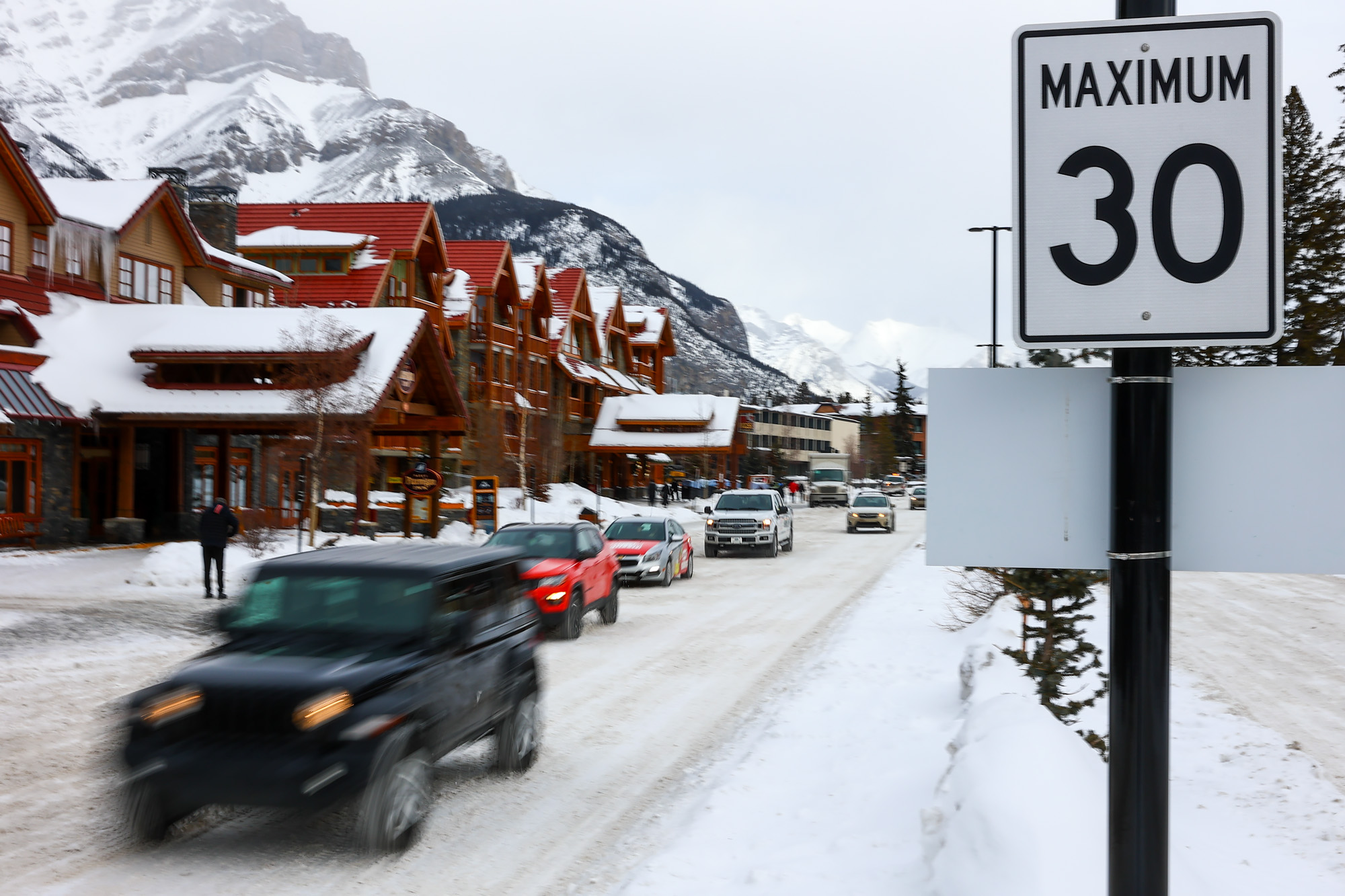
Drivers in Boulder County accounted for one of the highest numbers of citations in Colorado last year.
Drivers in Boulder County accounted for one of the highest numbers of citations in Colorado last year for speeding through school and construction zones as statewide enforcement efforts increase, authorities say.
Colorado State Patrol troopers issued 1,326 tickets statewide in 2025 for motorists caught exceeding posted limits in designated low-speed zones, which include school areas and work sites, according to state patrol figures released Tuesday. Boulder County ranked third among all counties with 167 citations, a roughly 12.5% increase over the previous year.
State Patrol officials emphasized that slower speeds are critical in areas with children, pedestrians and road workers, and said enforcement is part of a broader safety campaign. “Kids, neighbors and road workers count on all of us to care when we drive through these well-marked, obvious spaces,” said Col. Matthew C. Packard, Colorado State Patrol chief. “Too many motorists are failing these vulnerable populations.”
Officials noted that 46 of Colorado’s 64 counties had at least one low-speed-zone speeding citation last year. Eagle and Adams counties led the state with 224 and 171 citations, respectively. El Paso and Douglas counties also placed in the top five.
In Boulder County, the data reflects ongoing concerns about traffic safety in areas where children walk to school and neighborhoods intersect with heavy commuter traffic. Local school districts and law enforcement agencies have repeatedly urged drivers to slow down as students return to classes during morning and afternoon hours.
Boulder-area residents have also seen increased automation of speed enforcement in recent years. Speed cameras and automated enforcement systems have been deployed along key corridors to curb speeding, including Highway 119 between Boulder and Longmont, where cameras have begun issuing automated $75 fines to drivers clocked at 10 mph or more over the posted limit in a work zone.
The Colorado Department of Transportation, which oversees the automated systems, said the technology helps capture speed data in areas where traditional patrols are difficult or unsafe. CDOT and local officials have signaled plans to extend automated enforcement to additional high-risk areas, including school zones, as part of statewide efforts to reduce crashes and fatalities.
Statewide, enforcement increases coincide with a broader public safety push. The Colorado State Patrol launched its “Stop Speeding” campaign in early 2026, stressing that speeding is a leading factor in serious crashes and urging drivers to obey posted limits.
Authorities said that while citations are meant to deter dangerous driving, the ultimate goal is reducing injuries and saving lives. Packard noted that residents should put away distractions, obey hands-free laws and leave extra space around crosswalks, bicyclists and parked cars.
No additional breakdown of Boulder County crash outcomes tied to speeding was released alongside the citation figures. Law enforcement leaders said more detailed data may be provided later this year.