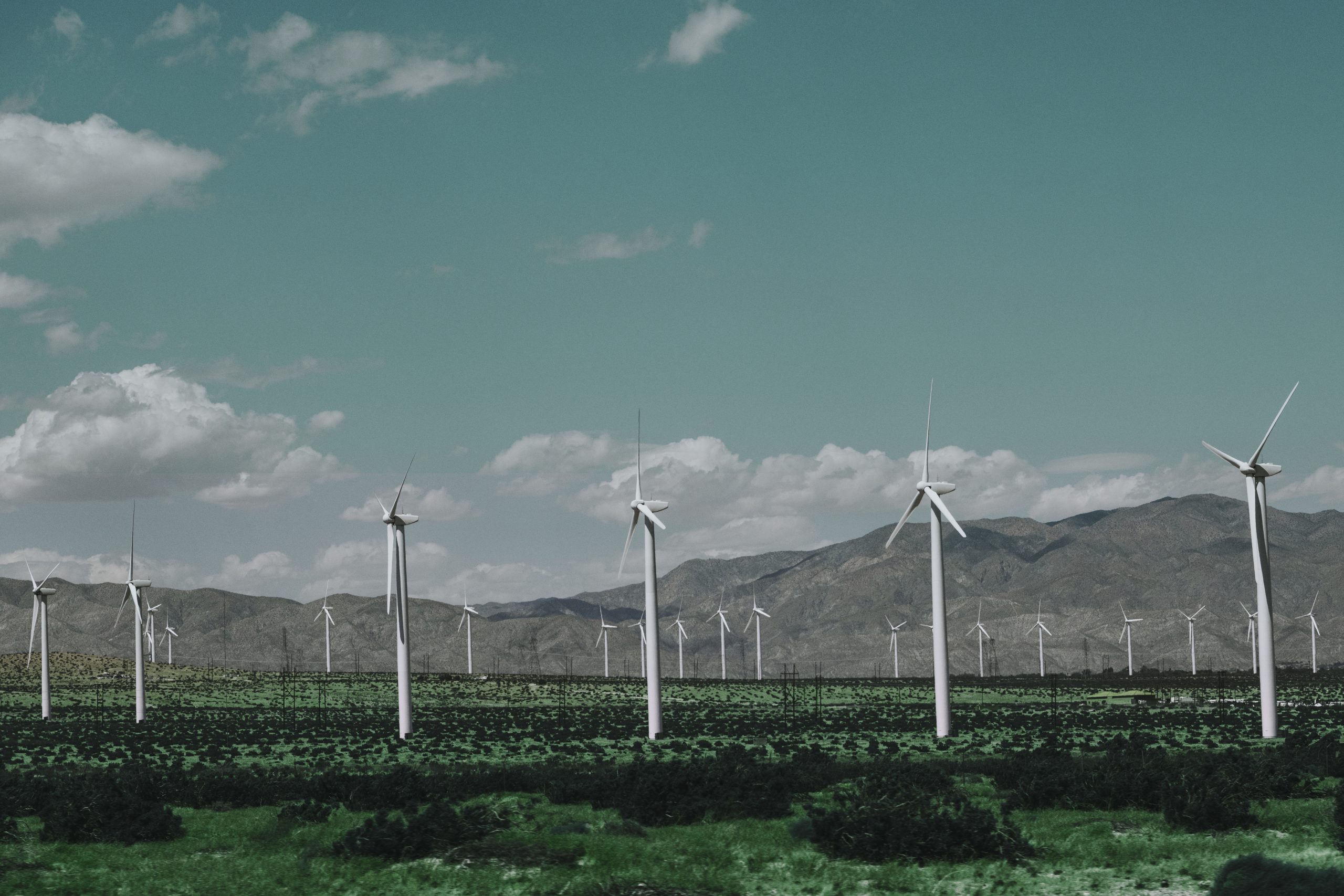
Across all career categories evaluated, Colorado faces an expected gap of 13,000 FTE (full time equivalent) employees by 2030.
A new 111-page report released by the Colorado Energy Office last month details the occupations that will be most in demand in order for Colorado to reach net-zero emissions by 2050.
By 2030, the report says that Colorado will need an additional 2,750 electricians above the expected baseline, 1,710 construction laborers, and 1,110 wind turbine service technicians. These are the three career fields that have the largest gaps. Across all career categories evaluated, Colorado faces an expected gap of 13,000 FTE (full time equivalent) employees by 2030. The report was a collaboration between the Colorado Energy Office, the Colorado Workforce Development Council (CWDC), and the Colorado Department of Transportation (CDOT), funded by a federal Climate Pollution Reduction Grant and state funding.
“The simple truth is that clean energy creates good jobs and economic growth,” Governor Jared Polis said. “These innovative technologies are protecting air quality and the environment, while creating new opportunities for our state’s workforce. We’re proud to be a leader in clean energy action, and support a strong workforce needed to drive innovation and achieve our climate goals.”
The report indicates there will be a significantly increased demand for automotive service technicians and mechanics in between 2030 and 2035. The shortfall in 2030 is 650, but that jumps to 2,140 by 2035, making it the occupation with the second largest expected gap in 2035 behind electricians. More specifically, the state will need more electric vehicle technicians.
In addition to those occupations, the state will need more people to work as construction managers, solar panel installers, HVAC technicians, mechanical engineering technologists/technicians, operating engineers, and electrical engineers.
The report identifies challenges such as geographic and language barriers connected to the concentration of training centers on the front range near Denver and Fort Collins. There is limited awareness around these career options for K-12 students, uncertainty with federal funding and grants, as well as trainer shortages that are considered obstacles to getting enough trained employees for the needed occupations. The report lays out several steps that will help address these challenges, including education and outreach programs.
“Achieving Colorado’s ambitious climate goals depends on our ability to rapidly train a skilled, diverse pipeline of talent across our state,” said CWDC Managing Director Lee Wheeler-Berliner. “The Colorado Climate Workforce Analysis & Plan provides a framework to focus the collective actions required to reach our climate and workforce goals. We must move to action collaboratively. The CWDC looks forward to working with the Energy Office to scale proven workforce strategies as well as innovate new opportunities to close gaps and seize this generational opportunity for the benefit of Coloradans, our environment, and our economy.”