The TSA has announced it will now accept myColorado mobile dirver's licenses for digital identity verification at DIA and more than 250 participating airports across the country
The Transportation Security Administration (TSA) has announced it will now accept myColorado mobile driver's licenses (mDL) for digital identity verification at Denver International Airport and more than 250 participating airports across the country.
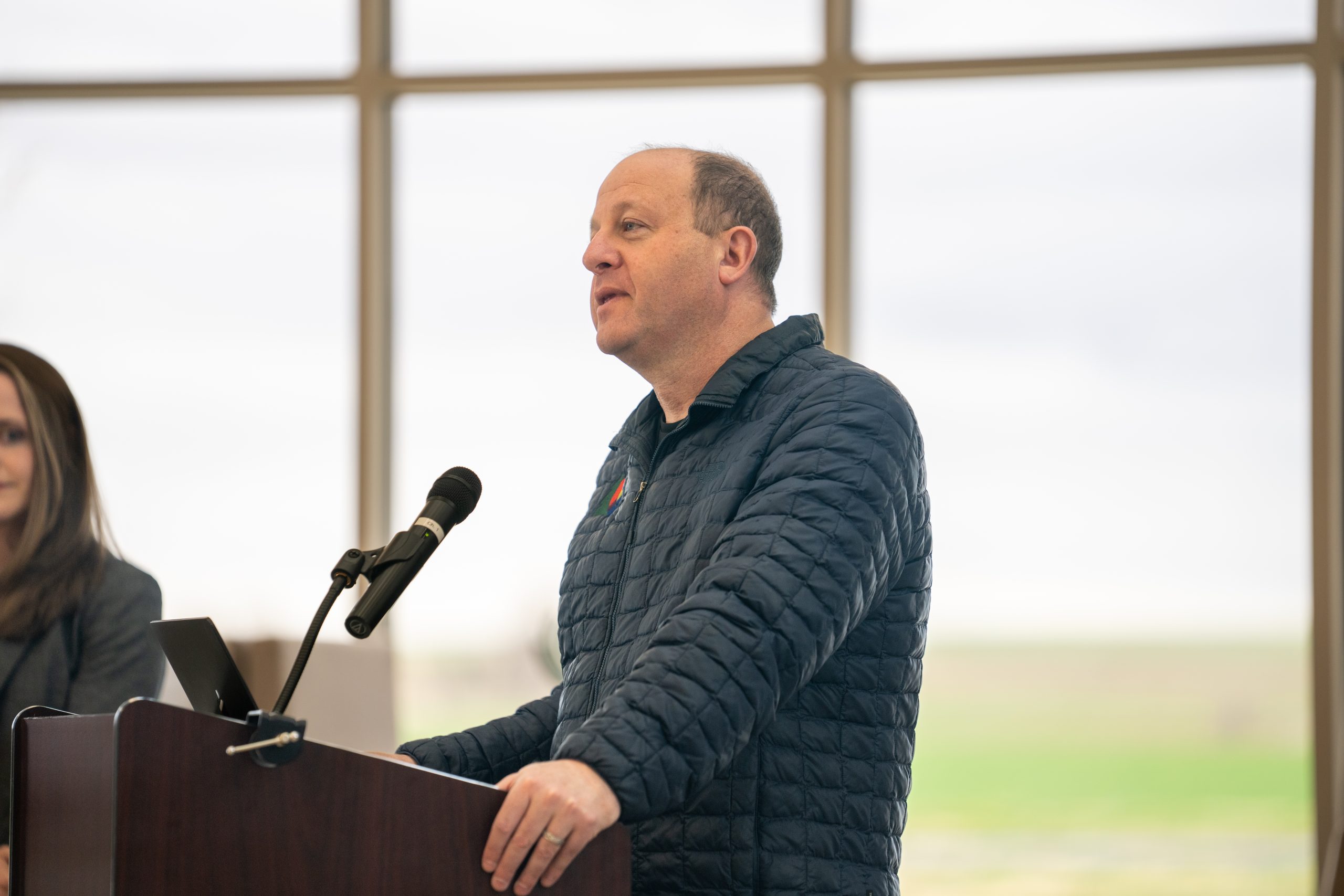
Governor Jared Polis celebrated the change as a convenient option for residents when presenting ID at the airport. “Finally! Your digital ID on myColorado.gov can be used to fly at the airport,” Polis wrote. “We have been working on this for years, and now the federal government will accept myColorado at airport security. I have prioritized delivering modern, digital government services for our residents and the myColorado app that saves people time and makes life easier for Coloradans. Airport travel can be stressful, but we are making it easier and more convenient to get through TSA at more than 250 airports across the country using the myColorado app. More than 2 million Coloradans already use the app to access digital IDs, hunting and fishing licenses, vehicle registrations, age verification, and more; now we can use it for more convenient travel.”
Aviation security officers are trained to process the mDL at airport checkpoints with second-generation Credential Authentication Technology. Travelers will present a QR code or tap a phone. The system matches the credentialed photo to a live image, confirm same-day ticketing and note PreCheck status. The live photo is optional. TSA still recommends carrying a physical ID.
The older Colorado Digital ID is for in-state use only while the newer mDL listed in the app wallet with an airplane icon is accepted by TSA. Users can scan a valid plastic license or state ID into the app to utilize the new Digital ID at participating airports.
Civil-liberties advocates have long criticized digital IDs like the Colorado mDL for potential privacy concerns in the future and potential cultural implications if places begin to require digital IDs.
Jay Stanley, Senior Policy Analyst at the ACLU, gave a presentation to the United States House Committee on Oversight Subcommittee on Government Operations on July 15, 2026. He said, “Digital IDs pose a real danger of turning into a true national identity card system of the kind that Americans have long opposed — a “super ID” that is used to track and control us, traps Americans in a regimented, bureaucratic system, shifts power from ordinary people to companies and government, and basically functions as an electronic ankle bracelet monitor that we cannot escape. And the more a digital ID becomes a legal or practical requirement for everyday life, the more it will shut out people who are less likely to have a smartphone or the easy ability to navigate technology, like seniors.”
Stanley further explains concerns related to privacy and tracking to merge offline and online identities as technology moves forward. He said that digital ID will become an “exclusionary ‘super ID’ unless it is constructed with great care.”
Civil-liberties advocates have not mounted a large campaign against Monday’s announcement specifically, but they have long criticized state digital licenses. Jay Stanley, a senior policy analyst at the ACLU, has told Congress that mobile driver’s licenses are “not being done right” if they can log every presentation, become expected rather than optional, or be revoked in ways that cut people off from travel and services. The Electronic Frontier Foundation has flagged similar risks and cited Colorado’s split between the state app and wallet IDs as confusing. University of Denver law professor Ian Farrell has warned that handing a phone to an officer to “show ID” can blur into a device search.
Those concerns rest on how digital IDs work, not only on this rollout. A 2025 fraud case in Denver involved a man accused of building a look-alike app and presenting forged digital IDs for store credit; officials said the real myColorado app was not breached. Many local police departments still do not accept the in-state Digital ID at traffic stops, and state law still requires a physical license while driving.
Travelers who want to use the feature should add the mDL before flying and keep a backup card. Details are at mycolorado.gov and tsa.gov/digital-id.
The Transportation Security Administration (TSA) has announced it will now accept myColorado mobile driver’s licenses (mDL) for digital identity verification at Denver International Airport and more than 250 participating airports across the country.
Governor Jared Polis celebrated the change as a convenient option for residents when presenting ID at the airport. “Finally! Your digital ID on myColorado.gov can be used to fly at the airport,” Polis wrote. “We have been working on this for years, and now the federal government will accept myColorado at airport security. I have prioritized delivering modern, digital government services for our residents and the myColorado app that saves people time and makes life easier for Coloradans. Airport travel can be stressful, but we are making it easier and more convenient to get through TSA at more than 250 airports across the country using the myColorado app. More than 2 million Coloradans already use the app to access digital IDs, hunting and fishing licenses, vehicle registrations, age verification, and more; now we can use it for more convenient travel.”
Aviation security officers are trained to process the mDL at airport checkpoints with second-generation Credential Authentication Technology. Travelers will present a QR code or tap a phone. The system matches the credentialed photo to a live image, confirm same-day ticketing and note PreCheck status. The live photo is optional. TSA still recommends carrying a physical ID.
The older Colorado Digital ID is for in-state use only while the newer mDL listed in the app wallet with an airplane icon is accepted by TSA. Users can scan a valid plastic license or state ID into the app to utilize the new Digital ID at participating airports.
Civil-liberties advocates have long criticized digital IDs like the Colorado mDL for potential privacy concerns in the future and potential cultural implications if places begin to require digital IDs.
Jay Stanley, Senior Policy Analyst at the ACLU, gave a presentation to the United States House Committee on Oversight Subcommittee on Government Operations on July 15, 2026. He said, “Digital IDs pose a real danger of turning into a true national identity card system of the kind that Americans have long opposed — a “super ID” that is used to track and control us, traps Americans in a regimented, bureaucratic system, shifts power from ordinary people to companies and government, and basically functions as an electronic ankle bracelet monitor that we cannot escape. And the more a digital ID becomes a legal or practical requirement for everyday life, the more it will shut out people who are less likely to have a smartphone or the easy ability to navigate technology, like seniors.”
Stanley further explains concerns related to privacy and tracking to merge offline and online identities as technology moves forward. He said that digital ID will become an “exclusionary ‘super ID’ unless it is constructed with great care.”
Civil-liberties advocates have not mounted a large campaign against Monday’s announcement specifically, but they have long criticized state digital licenses. Jay Stanley, a senior policy analyst at the ACLU, has told Congress that mobile driver’s licenses are “not being done right” if they can log every presentation, become expected rather than optional, or be revoked in ways that cut people off from travel and services. The Electronic Frontier Foundation has flagged similar risks and cited Colorado’s split between the state app and wallet IDs as confusing. University of Denver law professor Ian Farrell has warned that handing a phone to an officer to “show ID” can blur into a device search.
Those concerns rest on how digital IDs work, not only on this rollout. A 2025 fraud case in Denver involved a man accused of building a look-alike app and presenting forged digital IDs for store credit; officials said the real myColorado app was not breached. Many local police departments still do not accept the in-state Digital ID at traffic stops, and state law still requires a physical license while driving.
Travelers who want to use the feature should add the mDL before flying and keep a backup card. Details are at mycolorado.gov and tsa.gov/digital-id.