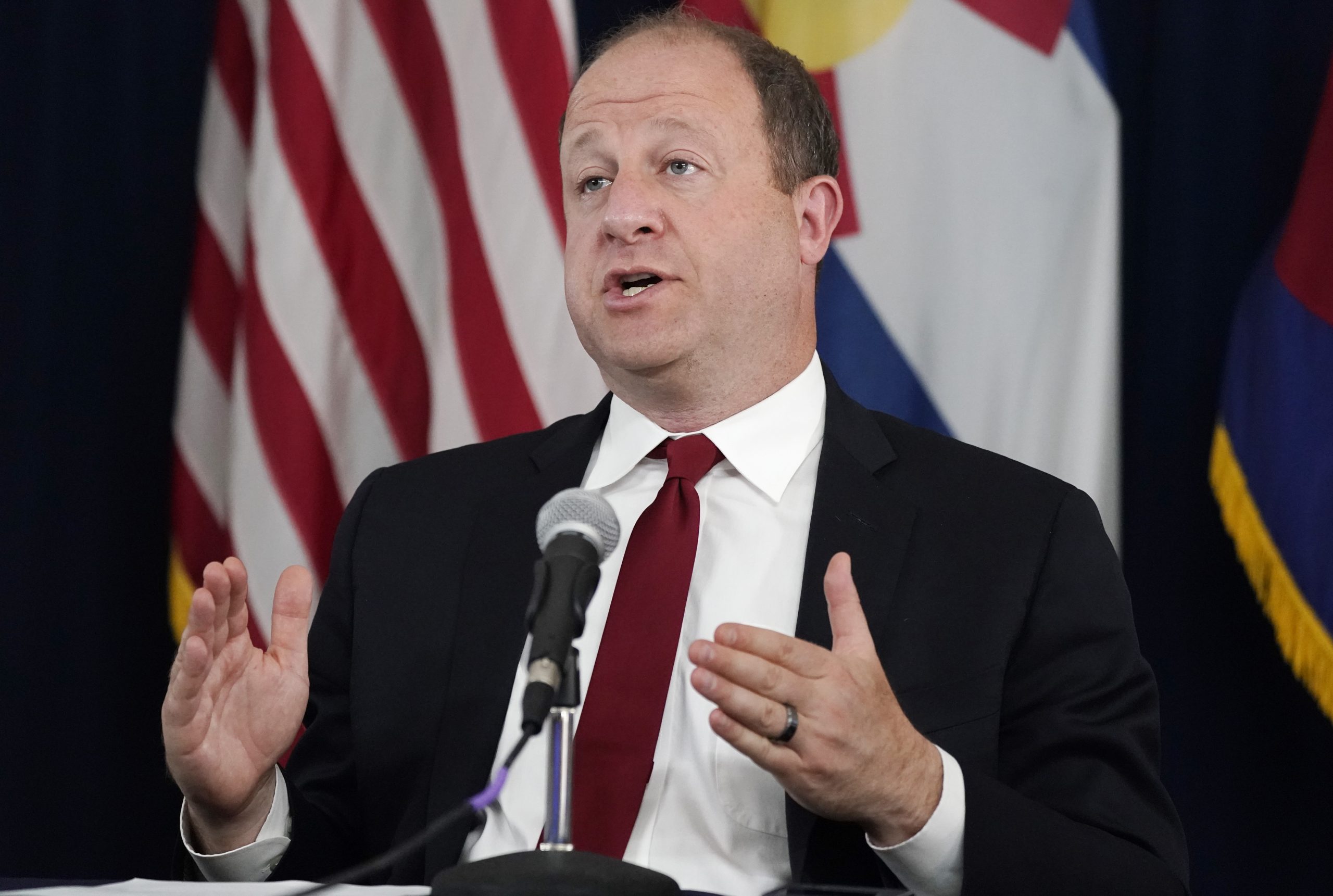
Polis has activated Phase 3 under the recommendations of the task force and the Water Conditions Monitoring Committee as every single county in the state faces worsening drought conditions
Governor Jared Polis activated phase 3 of Colorado’s Drought Response Plan on Thursday and declared a statewide drought emergency. Phase 3 allows the state to use emergency funding for unmet response needs, call for reductions in outdoor water usage at state facilities, and potentially request a federal disaster declaration. The statewide Drought Task Force was convened in March when Governor Polis activated phase 2 of the Drought Response Plan. Polis has activated Phase 3 under the recommendations of the task force and the Water Conditions Monitoring Committee as every single county in the state faces worsening drought conditions.
“Today I am issuing a statewide drought emergency to support Coloradans, our economy, farmers and ranchers, and outdoor enthusiasts in the face of one of the most severe droughts in Colorado’s recorded history,” Governor Polis said. “With every county in the state experiencing drought conditions, activating Phase 3 of our Drought Response Plan allows us to better coordinate agencies, prepare for worsening conditions, and support Colorado communities, agriculture, water users, and our environment. State agencies will do their part to reduce water usage at state facilities and I encourage every Coloradan to use water wisely.”
As part of the emergency declaration state agencies will work to increase efficiency in outdoor water use while preserving the trees, shrubs, and functional greenspace on-site. State employees are encouraged to complete the Office of Sustainability’s online Water Efficient Landscape training. The Drought Task Force wil continue to monitor conditions and evaluate the need for the continuation of working groups.
93% of the state is experiencing moderate to exceptional drought according to data released by the U.S. Drought Monitor on June 4, 2026. The state experienced its lowest snowpack accumulation season on record and the current water year that started in October 2025 is the warmest on record. These conditions have caused extremely low river flows, diminished soil moisture conditions, and increased wildfire risk statewide.
There is a 61% likelihood that El Nino conditions will come later this summer and bring rain showers to help counter the existing drought conditions, but there will continue to be increased wildfire risk in the meantime. BoulderCAST warned in April that the monsoon season typically starts with dry lightning and not a lot of rain. That could potentially cause more wildfires before the rain begins to improve the ongoing drought conditions.
Cities and regional water authorities have been placing restrictions on water allocation since spring.
“While our ongoing conditions are challenging, state agencies, water managers, and local partners across Colorado have been working closely together for months to prepare, coordinate resources, and respond proactively,” said Dan Gibbs, Executive Director of the Department of Natural Resources. “Activating Phase 3 is a message to Coloradans that our drought conditions are serious and gives the state additional flexibility to address unmet needs and continue supporting communities as conditions evolve.”