Colorado Senators Hickenlooper and Bennett both supported the removal of the hemp provision.
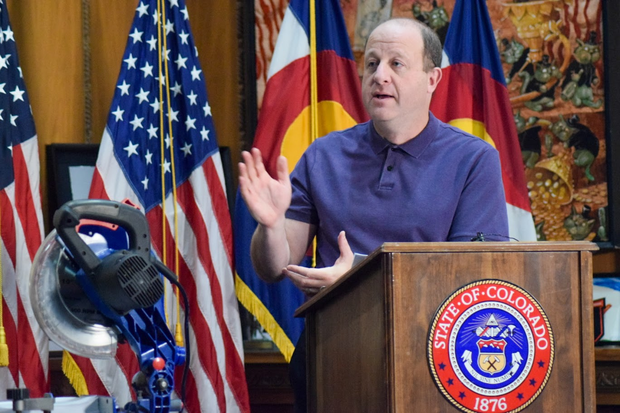
In a statement published on November 13, Governor Jared Polis said that it is “disappointing” that the continuing resolution to reopen the government included a provision that will restrict hemp products nationwide. Hemp cultivation was illegal in the United States alongside marijuana until the 2018 Farm Bill legalized the cultivation of hemp for industrial purposes and CBD pain relief. The provision took aim at a “loophole” that has allowed the unregulated sale of consumable hemp products with intoxicating levels of hemp-derived synthetic THC, but industry experts say non-intoxicating CBD products used for pain-relief are also in jeopardy.
“Hemp is a symbol of the American spirit, George Washington grew hemp and Betsy Ross sewed some of the first American flags out of Hemp fiber,” Governor Polis said. “It's disappointing to see the federal government leading with fear rather than a vision for the future, and cutting off access to a variety of hemp-based products. Here in Colorado, we are proud of the community of farmers who were the first in the nation to begin growing hemp, and for their positive impact on our economy.”
Senator Rand Paul attempted to remove the provision that was added by Senator Mitch McConnell, but the Senate voted to keep the provision 76-24. Colorado Senators Hickenlooper and Bennett both supported the removal of the hemp provision.
The US Hemp Roundtable (USHR) responded to the passage of the CR with the hemp provision included. “U.S. Senators were promised that this bill protects non-intoxicating CBD products, which is manifestly untrue – the large majority of non-intoxicating CBD products on the marketplace feature more than 0.4 mg of THC per container,” USHR said in a statement. “They were assured that this would crack down on fully synthetic products and copycat, high THC products that are marketed to kids – but prohibition without regulation will shift these products to the black markets.”
Colorado was part of the Farm Bill pilot program in 2014 and is the state with the fourth highest amount of hemp produced in 2024 with 275,000 pounds. The nationwide hemp industry is valued at $28 billion just seven years after the “green rush” occurred with the passage of the 2018 Farm Bill. The provisions don’t take effect for a year, which may give time for the industry to strike up a deal with Congress that allows the industry to continue cultivating and selling hemp products while removing the intoxicating loophole. USHR said it will do everything it can to work a deal with Congress before the provision goes into effect and it is optimistic that they can reach a resolution to regulate hemp rather than ban it.
“From including it in the 2014 Farm Bill to flying a hemp flag over the United States Capitol on the 4th of July, all the way to the State’s groundbreaking Colorado Hemp Advancement & Management Plan, Colorado has been defining progress in the hemp industry and taking steps to regulate hemp responsibly,” Governor Polis added in his statement. “For a party that claims to support business and job growth, they have a funny way of showing it with their continued attempts to stifle growth and innovation.”
Senator Ted Cruz was the only Republican Senator to join Rand Paul in attempting to remove the hemp provision. Representatives Thomas Massie and Gregory Steube were the only Republicans to vote against the continuing resolution in the House.
In a statement published on November 13, Governor Jared Polis said that it is “disappointing” that the continuing resolution to reopen the government included a provision that will restrict hemp products nationwide. Hemp cultivation was illegal in the United States alongside marijuana until the 2018 Farm Bill legalized the cultivation of hemp for industrial purposes and CBD pain relief. The provision took aim at a “loophole” that has allowed the unregulated sale of consumable hemp products with intoxicating levels of hemp-derived synthetic THC, but industry experts say non-intoxicating CBD products used for pain-relief are also in jeopardy.
“Hemp is a symbol of the American spirit, George Washington grew hemp and Betsy Ross sewed some of the first American flags out of Hemp fiber,” Governor Polis said. “It’s disappointing to see the federal government leading with fear rather than a vision for the future, and cutting off access to a variety of hemp-based products. Here in Colorado, we are proud of the community of farmers who were the first in the nation to begin growing hemp, and for their positive impact on our economy.”
Senator Rand Paul attempted to remove the provision that was added by Senator Mitch McConnell, but the Senate voted to keep the provision 76-24. Colorado Senators Hickenlooper and Bennett both supported the removal of the hemp provision.
The US Hemp Roundtable (USHR) responded to the passage of the CR with the hemp provision included. “U.S. Senators were promised that this bill protects non-intoxicating CBD products, which is manifestly untrue – the large majority of non-intoxicating CBD products on the marketplace feature more than 0.4 mg of THC per container,” USHR said in a statement. “They were assured that this would crack down on fully synthetic products and copycat, high THC products that are marketed to kids – but prohibition without regulation will shift these products to the black markets.”
Colorado was part of the Farm Bill pilot program in 2014 and is the state with the fourth highest amount of hemp produced in 2024 with 275,000 pounds. The nationwide hemp industry is valued at $28 billion just seven years after the “green rush” occurred with the passage of the 2018 Farm Bill. The provisions don’t take effect for a year, which may give time for the industry to strike up a deal with Congress that allows the industry to continue cultivating and selling hemp products while removing the intoxicating loophole. USHR said it will do everything it can to work a deal with Congress before the provision goes into effect and it is optimistic that they can reach a resolution to regulate hemp rather than ban it.
“From including it in the 2014 Farm Bill to flying a hemp flag over the United States Capitol on the 4th of July, all the way to the State’s groundbreaking Colorado Hemp Advancement & Management Plan, Colorado has been defining progress in the hemp industry and taking steps to regulate hemp responsibly,” Governor Polis added in his statement. “For a party that claims to support business and job growth, they have a funny way of showing it with their continued attempts to stifle growth and innovation.”
Senator Ted Cruz was the only Republican Senator to join Rand Paul in attempting to remove the hemp provision. Representatives Thomas Massie and Gregory Steube were the only Republicans to vote against the continuing resolution in the House.