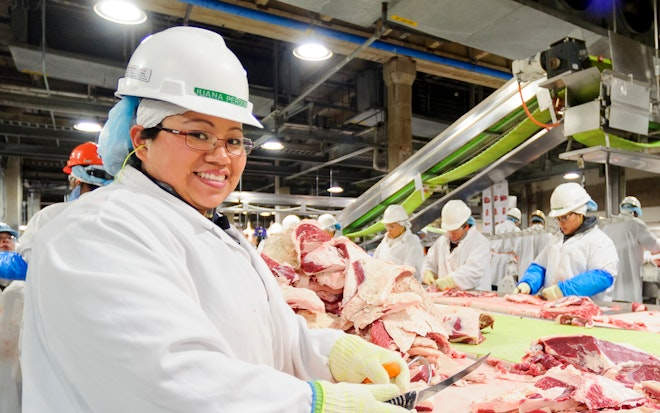
JBS has already stopped production at the plant this week and is routing cattle to other processing sites that it says can handle the extra volume
JBS has halted processing at its Greeley beef plant and begun redirecting cattle to other facilities as workers prepare for a possible strike next week, setting up a labor fight with potentially broad consequences for Weld County’s economy and the regional beef supply chain.
Workers at the plant announced this week that they plan to walk off the job starting Monday after months of negotiations over a new contract. The agreement that has held those talks together effectively ends March 15.
The Greeley facility is a major force in northern Colorado’s economy. The plant is the largest employer in Weld County and normally slaughters thousands of cattle each day, making any disruption significant not only for plant workers but also for ranchers, feedlots, truckers and other businesses tied to the beef industry.
JBS has already stopped production at the plant this week and is routing cattle to other processing sites that it says can handle the extra volume. That has raised concern among cattle producers, who often work within tight market windows when livestock are ready for processing.
JBS has said it is focused on minimizing disruptions from the stoppage in Greeley and has maintained that its contract offer is fair and consistent with agreements accepted last year at other major processing facilities.
A prolonged shutdown or strike could affect more than the employees directly involved. It could alter shipping schedules, put pressure on ranchers who need timely processing space and create uncertainty across one of the region’s most important industries.
It was not immediately clear Thursday how many workers would participate in the strike if it proceeds, whether additional talks could still avert a walkout, or how long any labor action might last.