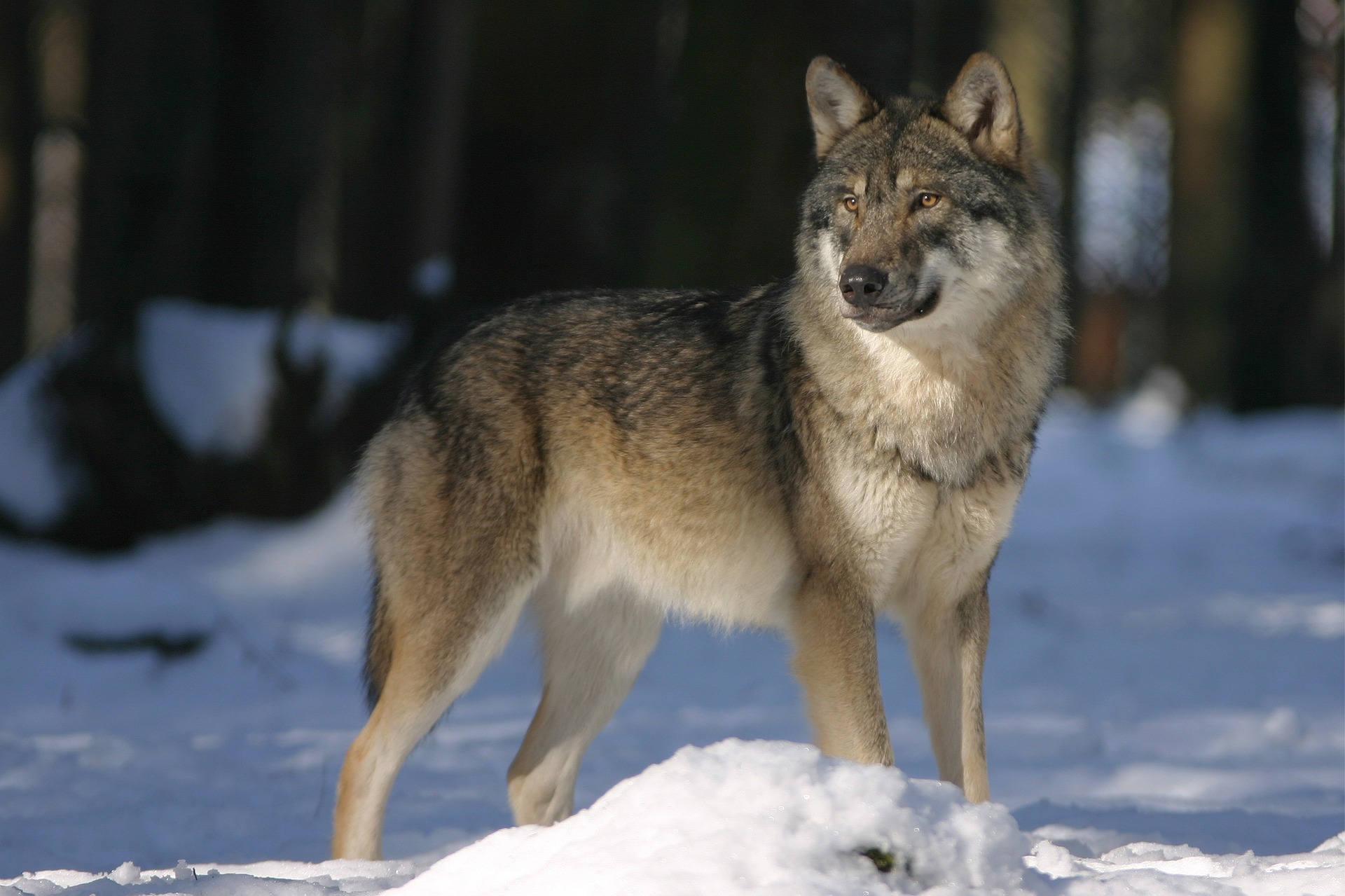
Proposition 114 passed in 2020 as a controversial bill to reintroduce wolves into Colorado
Colorado Parks and Wildlife (CPW) announced Wednesday the formation of a new gray wolf pack in Eagle County, dubbed the Piney Ridge Pack. This brings the state’s total to four confirmed breeding packs this year. Proposition 114 passed in 2020 as a controversial bill to reintroduce wolves into Colorado. The front range population largely supported the measure despite opposition from rural area farmers and ranchers across the state. The first wolves were released in the state in December, 2023.
CPW officials described the latest phase of the program as “a moment of great success” by noting that wolves in packs tend to survive longer and exhibit more predictable behavior. They hope this will allow better tracking of the wolf packs across the state to prevent conflict with livestock.
As of March 2026, CPW had documented a minimum of 32 collared wolves, with roughly half relocated from other states and the rest born in Colorado. One wolf has since died, leaving 31 known collared animals. The agency estimates an unknown number of uncollared wolves are also present. This spring, pups were confirmed in multiple packs, including the new Piney Ridge group, with typical litters averaging four to six pups.
The other established packs include One Ear in Jackson County, Three Creeks in Rio Blanco County, and Copper Creek in Pitkin County. CPW killed one wolf that was originally in the Copper Creek pack after it was involved in 10 separate attacks on livestock that took the lives of 22 sheep. The state has a Wolf Depredation Compensation Fund to provide 100% of fair market value to ranchers who have livestock killed by wolves. In 2025, there are $700,000 in claims that have been approved, which is double the amount the state budgeted for the program.
While CPW says wolf packs are good for predicting behavior and minimizing conflicts, one rancher told Axios that adult wolves will teach their pups to hunt and they often turn to easier prey like livestock.