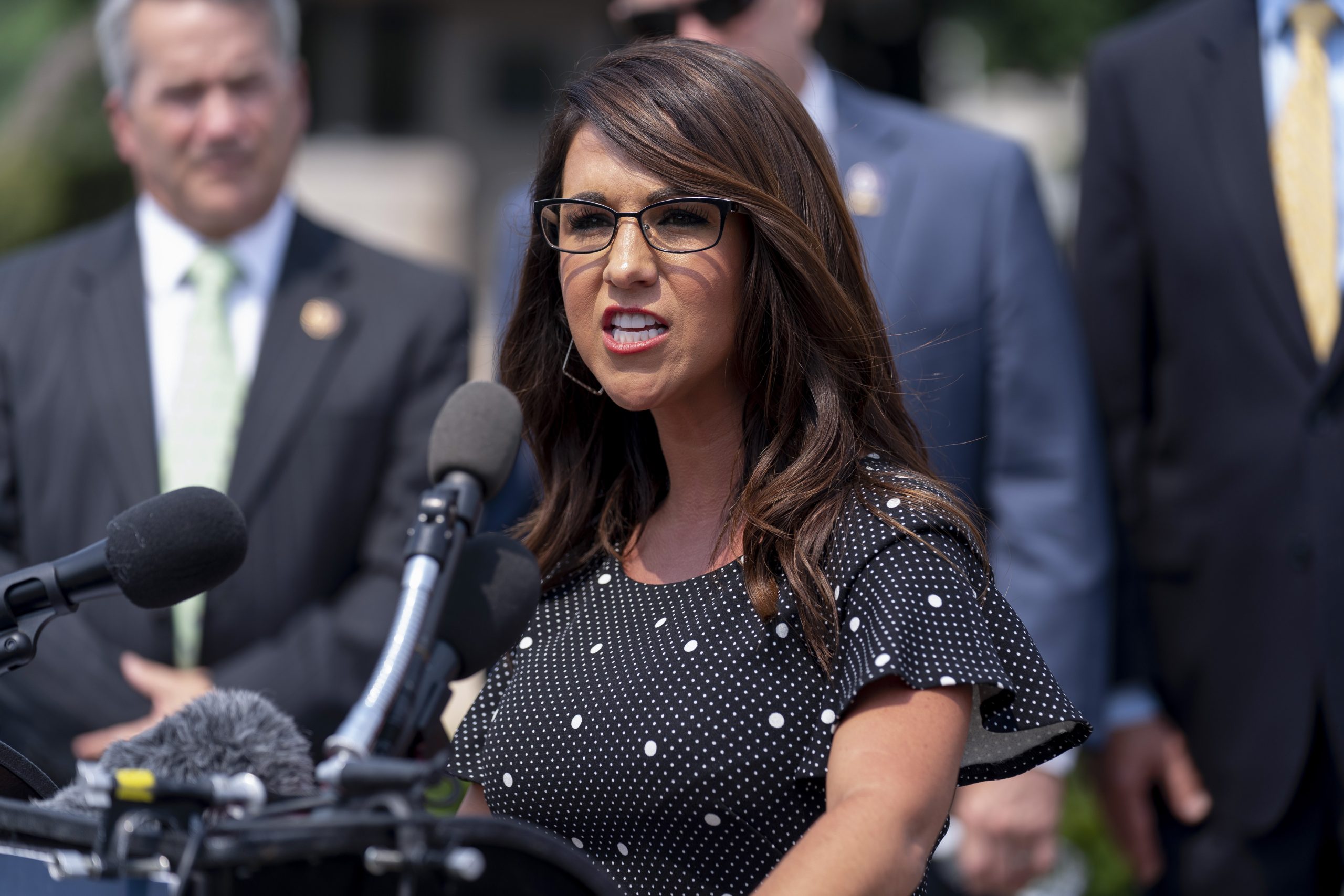
President Donald Trump vetoed the Arkansas Valley Conduit Act, which was introduced by Colorado House Representatives Lauren Boebert and Jeff Hurd in January.
President Donald Trump vetoed the Arkansas Valley Conduit Act, which was introduced by Colorado House Representatives Lauren Boebert and Jeff Hurd in January. The act was passed unanimously and would have modified the repayment terms after the completion of the water pipeline to bring clean water access to 39 communities between Pueblo and Lamar. The project was originally approved in 1962 under the Fryingpan-Arkansas Project that was signed into law by President Kennedy.
In his veto statement, Trump described the history of the project including the Omnibus Public Land Management Act of 2009 signed by former President Barack Obama that decreased the repayment obligation from 100% down to 35%. The original terms of the plan signed by President Kennedy called for local users to repay 100% over a 50-year-period from the completion of construction with interest. Trump objected to the new terms proposed by Representatives Boebert and Hurd that would extend the repayment plan to 75 years and cut the interest rate in half.
“More than $249 million has already been spent on the AVC, and total costs are estimated to be $1.3 billion,” President Trump wrote. “H.R. 131 would continue the failed policies of the past by forcing Federal taxpayers to bear even more of the massive costs of a local water project — a local water project that, as initially conceived, was supposed to be paid for by the localities using it.”
“Enough is enough,” he continued. “My Administration is committed to preventing American taxpayers from funding expensive and unreliable policies. Ending the massive cost of taxpayer handouts and restoring fiscal sanity is vital to economic growth and the fiscal health of the Nation.”
Representative Hurd said he was “deeply disappointed” in the president’s veto to “uphold a long-standing federal commitment.” Representative Boebert shared the president’s veto message on social media and said, “This isn’t over.” She also provided a statement to media outlets criticising President Trump for “denying clean drinking water to 50,000 people” and implied the veto is hypocritical for a president who has an “America First” agenda.
“I must have missed the rally where he stood in Colorado and promised to personally derail critical water infrastructure projects,” Boebert said. “My bad, I thought the campaign was about lowering costs and cutting red tape. But hey, if this administration wants to make its legacy blocking projects that deliver water to rural Americans; that’s on them. I’m going to continue fighting for Colorado and standing up for our rural communities, our farmers, and every family that deserves safe, reliable drinking water without decades more delay.”
Colorado Governor Jared Polis also criticized the veto of a “bipartisan and non-controversial bill” that was passed unanimously by both Congressional chambers. Governor Polis said the Arkansas Valley Conduit is a “much-needed supply of clean water for rural southeastern Colorado.”