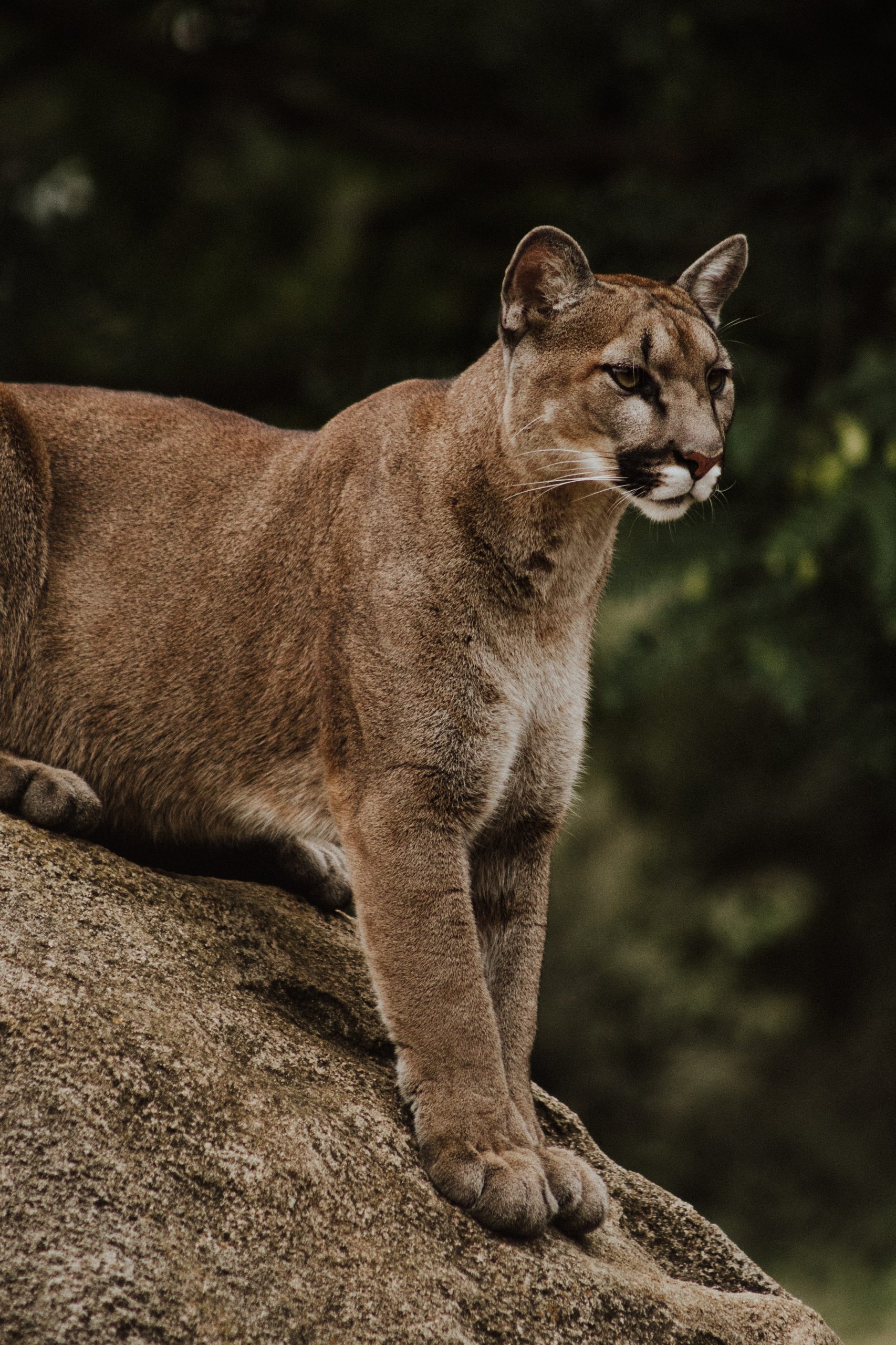
This was the fourth confirmed fatality that was caused by a mountain lion (cougar) since 1990 and the first fatality since 1999. While mountain lion attacks are rare, there have been five reported incidents in the Glen Haven area since the end of October.
46-year-old Kristen Kovatch was identified as the woman who was killed by a mountain lion in Larimer County on New Year’s Day. The coroner’s office determined the cause of death to be asphyxia due to external neck compression. Colorado Parks and Wildlife (CPW) investigation found three mountain lions in the vicinity of the Crosier Mountain Trail where the woman was found deceased, and the agency believes that a mountain lion family was involved in the attack.
“Our hearts go out to the victim’s family,” said Mark Leslie, Regional Manager for CPW’s Northeast Region. “This is a terrible tragedy. This hiker did what many people did on New Year’s Day. She went out in nature on the first day of a new year, and the fact that she did not return to her family and friends is nothing short of heartbreaking. We encourage the public to have compassion and empathy for her and her loved ones.”
CPW shot a male mountain lion after it approached the area of the incident. The lion ran off, but was later contacted by CPW and euthanized. A female lion was also seen in the area and was euthanized by CPW. The male lion had human DNA on all four paws while the female lion did not have any traces of human DNA. A third lion was seen in the area and CPW attempted to track down the lion for 72 hours, but announced it has ended the search and the trail is now reopened to the public.
“It is very unlikely that these lions were in such close proximity to the scene by coincidence,” said Leslie. “This is not a decision we take lightly. CPW is charged with protecting human safety. Given the gravity of this situation and the rarity of this type of behavior, this was a necessary, if unfortunate action.”
Kovatch is the fourth confirmed fatality that was caused by a mountain lion (cougar) since 1990 and the first fatality since 1999. There is an estimated statewide population of 3,800 to 4,400 cougars in Colorado. While mountain lion attacks are rare, there have been five reported incidents in the Glen Haven area since the end of October. In three of the incidents, dogs were attacked by cougars and there were two incidents of people successfully hazing or scaring off the cougars by throwing rocks, screaming, and/or using a tree branch.
CPW states that there is a high density of mountain lions in Larimer County due to high deer and elk populations. They suggest hiking in groups with children in between adults, dogs on leashes, and to avoid wearing earbuds so you can be aware of your surroundings. If you do see a mountain lion, back away slowly, but don’t turn your back. Raise your arms to look big and throw objects at the lion to scare them away.