Penny Hot Springs sits on the banks of the Crystal River, where steaming geothermal water meets ice-cold snowmelt beneath towering granite walls.
Penny Hot Springs sits on the banks of the Crystal River, where steaming geothermal water meets ice-cold snowmelt beneath towering granite walls. Open year-round and completely free, this primitive soaking spot has drawn everyone from Ute tribes to 1960s counterculture enthusiasts to modern-day road trippers exploring Colorado's western slope.
The setting alone makes the trip worthwhile. Granite cliffs known as "Hell's Gate" rise dramatically on both sides of the river, framing the pools in a natural amphitheater that feels worlds away from civilization. The highway runs just yards away, but once settled into the warm water with canyon walls overhead and the Crystal River rushing past, that detail fades quickly.
Fair warning: Penny Hot Springs operates without changing rooms, developed restrooms beyond a porta-potty, or any of the polished amenities associated with resort-style soaking. Visitors who arrive prepared and open-minded tend to love the experience. Those expecting spa-level comfort may want to explore other hot springs across the state.
Where Penny Hot Springs Is Located
The springs occupy the east side of Highway 133, positioned just north of mile marker 55. Travelers coming from the south will find the turnout approximately 3.2 miles north of the main entrance to Redstone. Those approaching from the Carbondale direction should measure 14.1 miles from the junction of CO-82 and CO-133.
The location sits at the mouth of the Narrows, a granite section of the Crystal River canyon that creates the distinctive scenery defining the soaking experience. Canyon walls rise sharpl on both sides, amplifying the sense of seclusion despite the highway's proximity. Wind and river sounds echo off the rock in ways that make the pools feel surprisingly remote.
A Colorful History Worth Knowing
The name honors Dan Penny, who operated a small hotel on the railroad line upstream during the late 1800s. Long before European settlement, Ute tribes recognized these geothermal waters for their therapeutic properties. Local legend even holds that Doc Holliday himself visited the springs during his time in Colorado, though historical documentation remains scarce. True or not, the story fits the rugged, slightly rebellious character of the place.
The 1960s brought a new chapter when a counterculture movement established itself here, popularizing nudity and unconventional behavior that clashed dramatically with local sensibilities. The resulting conflict grew so intense that frustrated community members bulldozed the bathhouse that once stood on the property. That tension between free-spirited use and community standards has shaped management decisions ever since.
Pitkin County acquired Penny Hot Springs in 1991 and now manages the site as a public recreation area. Posted rules aim to prevent history from repeating itself, though the "hippie dip" nickname locals still use suggests the countercultural spirit never fully disappeared.
Photo by airbr3ak3r.zh on Unsplash
What to Expect When You Visit
Primitive is the operative word here. The pools remain exactly as nature and previous visitors left them, with extremely limited amenities and a relaxed atmosphere that encourages conversation among strangers. Regulars and first-timers share the space easily, trading tips on water temperature and swapping stories about other soaking spots around the state.
The springs accommodate approximately 10 to 12 people comfortably. Swimsuits remain the standard, though occasional nudity occurs despite posted rules. Arriving with an open mind and a willingness to share space with fellow soakers makes for the best experience. Those who appreciate simplicity and natural settings over manicured convenience will find plenty to love.
Pool Layout and Water Temperatures
Here's where things get interesting. The source temperature of the geothermal water reaches up to 133°F, hot enough to cause serious burns if visitors enter unprepared. The pools measure approximately 20 feet across and 2 feet deep, with large rocks sectioning off the spring water from the frigid Crystal River flow.
The magic happens when visitors shift those stones. Moving rocks allows cold river water to mix with the hot spring water, producing whatever temperature feels right. Previous visitors' rock arrangements mean water temperature varies significantly between pools. Testing before entering remains essential, and those who take time to reconfigure the barriers can customize their soaking temperature with surprising precision. Part of the fun involves engineering the perfect blend.
Best Times to Visit
The optimal visiting window spans mid-summer through fall and winter. Spring snowmelt runoff frequently floods the pools, making them inaccessible or dangerously cold. Anyone planning trips between late April and early June should verify conditions before making the drive.
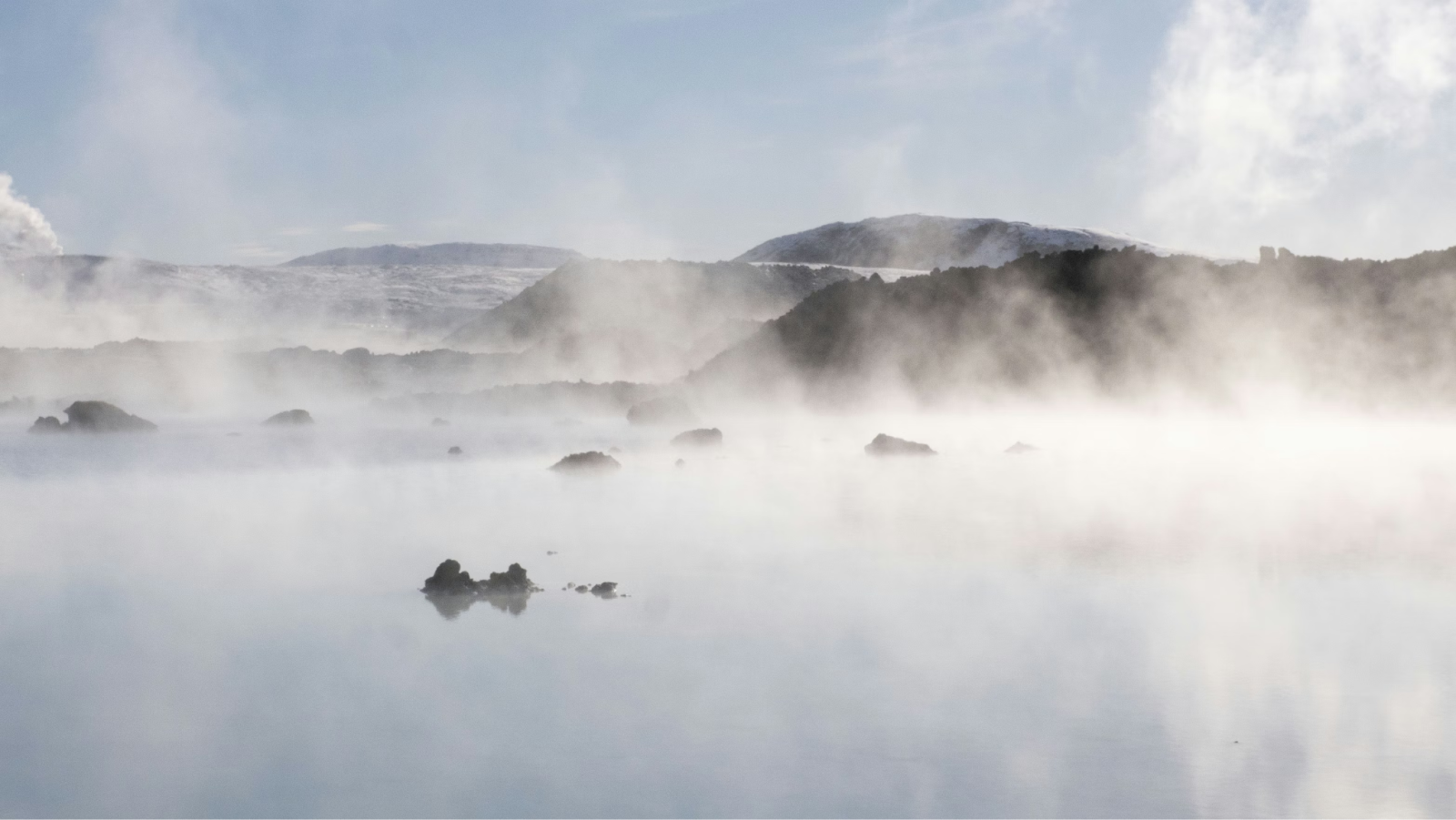
Winter visits hold special appeal for hardy soakers. The contrast between frigid mountain air and steaming water creates an unforgettable experience, particularly on clear mornings when mist rises off the pools against snow-dusted canyon walls. Few sensations compare to watching your breath freeze while the rest of you stays perfectly warm.
Timing matters for crowd management too. Early evenings and weekends draw the largest crowds regardless of season. Arriving early in the morning offers the best chance at finding an open pool, a parking spot, and maybe even a few moments of solitude before other visitors trickle in.
Nearby Attractions and Outdoor Activities
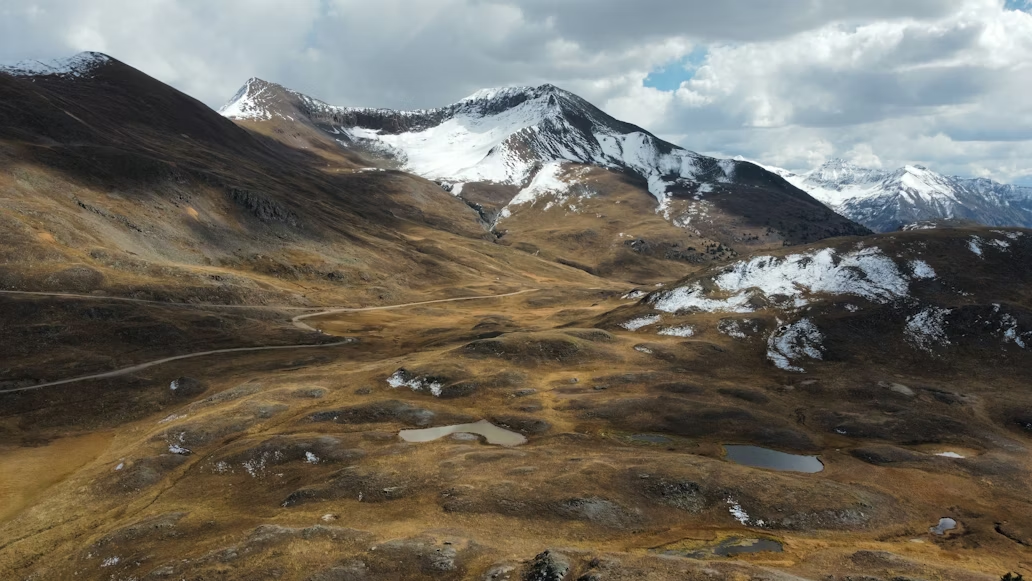
The soak itself provides views of Mount Sopris and the surrounding canyon walls, but the area offers plenty more for those building a full day in the Crystal River Valley. The springs sit directly opposite the Filoha Meadows Nature Preserve, which offers hiking opportunities and wildlife viewing throughout the year. Birdsong and river sounds echo off the granite cliffs, creating natural acoustics that enhance the meditative quality of a good soak.
Redstone lies just minutes to the south, providing dining, shopping, and historical attractions worth exploring. The historic Redstone Castle and the charming boulevard of galleries and restaurants make for an excellent complement to a morning in the pools. For those planning a broader geothermal tour, a guide to the top hot springs to visit in Colorado can help map out additional destinations across the state.
Parking, Access, and What to Bring
A roadside turnout provides parking for approximately 20 vehicles. During peak times, competition for spots can be fierce, making early arrival worthwhile and late arrival frustrating.
Access requires climbing down steep rocks on the riverbank side, and the path from parking area to pools can be slippery, especially when wet or icy. Water shoes rank among the most important items to pack. Sharp and slippery river rocks line both the approach and the pool bottoms, and bare feet make for a miserable experience. Highway 133 remains well-maintained throughout the year, ensuring reliable vehicle access even in winter conditions.
Photo by Josh Hild on Unsplash
Where to Stay and Eat Nearby
Camping at Penny Hot Springs is strictly prohibited. The county designates the property as a day-use-only area, and enforcement has increased in recent years. Planning an overnight stay means looking elsewhere.
Redstone Campground sits approximately four minutes south of the springs and offers a convenient base for extended visits. The town of Redstone provides additional lodging options ranging from historic inns with genuine character to modern vacation rentals. Several restaurants serve visitors looking for a meal before or after soaking, with options spanning casual cafes to upscale dining that pairs nicely with a relaxing day on the river.
Safety Notes and Leave No Trace Reminders
Responsible use keeps Penny Hot Springs accessible for future visitors. The site survives as a free public resource because people respect a few simple guidelines:
Pack in, pack out. No waste containers exist on site, so everything brought in leaves with its owner.
Glass containers are prohibited to prevent injuries in the riverbed. Broken glass and bare feet in rocky pools make for a dangerous combination.
Dogs are banned from the springs area to prevent waste contamination and conflicts with other visitors.
A porta-potty is available near the parking area.
Usage of the springs is entirely at the visitor's own risk.
Those who abuse the site risk its closure, and the primitive character that makes Penny Hot Springs special depends on collective stewardship from everyone who visits. Budget-conscious travelers looking for similar experiences can find more options in this roundup of free hot springs in Colorado.
Time to Plan That Soak
Few soaking spots anywhere offer the combination of accessibility, natural beauty, and authentic character found at Penny Hot Springs. The drive through the Crystal River Valley alone justifies the trip, winding past dramatic canyon walls and historic mining towns before arriving at this geothermal gem tucked against the granite cliffs of Hell's Gate.
Pack water shoes, bring a towel, and leave expectations of polish at home. The rewards here come from simplicity: hot water, cold river, stunning scenery, and the kind of relaxation that only a primitive soak can provide. More than a century after Dan Penny first welcomed travelers to these steaming waters, the springs continue earning new devotees one visit at a time.
Explore the Crystal River Valley
Penny Hot Springs makes an ideal starting point for a longer adventure through one of Colorado's most scenic corridors. Spend the morning soaking beneath Hell's Gate, then head south to wander Redstone's historic boulevard and peek inside the famous castle. Grab lunch at a local cafe before hiking the trails at Filoha Meadows or continuing up McClure Pass for sweeping alpine views.
For those who catch the hot springs bug, the state holds dozens more geothermal treasures waiting to be discovered. Start mapping out your next soak, bookmark a few backup options for crowded weekends, and consider turning a simple day trip into a full Colorado hot springs road trip.
The Crystal River Valley rewards those who take their time. So grab your water shoes, pack a sense of adventure, and see what else this corner of Colorado has to offer.
Penny Hot Springs sits on the banks of the Crystal River, where steaming geothermal water meets ice-cold snowmelt beneath towering granite walls. Open year-round and completely free, this primitive soaking spot has drawn everyone from Ute tribes to 1960s counterculture enthusiasts to modern-day road trippers exploring Colorado’s western slope.
The setting alone makes the trip worthwhile. Granite cliffs known as “Hell’s Gate” rise dramatically on both sides of the river, framing the pools in a natural amphitheater that feels worlds away from civilization. The highway runs just yards away, but once settled into the warm water with canyon walls overhead and the Crystal River rushing past, that detail fades quickly.
Fair warning: Penny Hot Springs operates without changing rooms, developed restrooms beyond a porta-potty, or any of the polished amenities associated with resort-style soaking. Visitors who arrive prepared and open-minded tend to love the experience. Those expecting spa-level comfort may want to explore other hot springs across the state.
Where Penny Hot Springs Is Located
The springs occupy the east side of Highway 133, positioned just north of mile marker 55. Travelers coming from the south will find the turnout approximately 3.2 miles north of the main entrance to Redstone. Those approaching from the Carbondale direction should measure 14.1 miles from the junction of CO-82 and CO-133.
The location sits at the mouth of the Narrows, a granite section of the Crystal River canyon that creates the distinctive scenery defining the soaking experience. Canyon walls rise sharpl on both sides, amplifying the sense of seclusion despite the highway’s proximity. Wind and river sounds echo off the rock in ways that make the pools feel surprisingly remote.
A Colorful History Worth Knowing
The name honors Dan Penny, who operated a small hotel on the railroad line upstream during the late 1800s. Long before European settlement, Ute tribes recognized these geothermal waters for their therapeutic properties. Local legend even holds that Doc Holliday himself visited the springs during his time in Colorado, though historical documentation remains scarce. True or not, the story fits the rugged, slightly rebellious character of the place.
The 1960s brought a new chapter when a counterculture movement established itself here, popularizing nudity and unconventional behavior that clashed dramatically with local sensibilities. The resulting conflict grew so intense that frustrated community members bulldozed the bathhouse that once stood on the property. That tension between free-spirited use and community standards has shaped management decisions ever since.
Pitkin County acquired Penny Hot Springs in 1991 and now manages the site as a public recreation area. Posted rules aim to prevent history from repeating itself, though the “hippie dip” nickname locals still use suggests the countercultural spirit never fully disappeared.
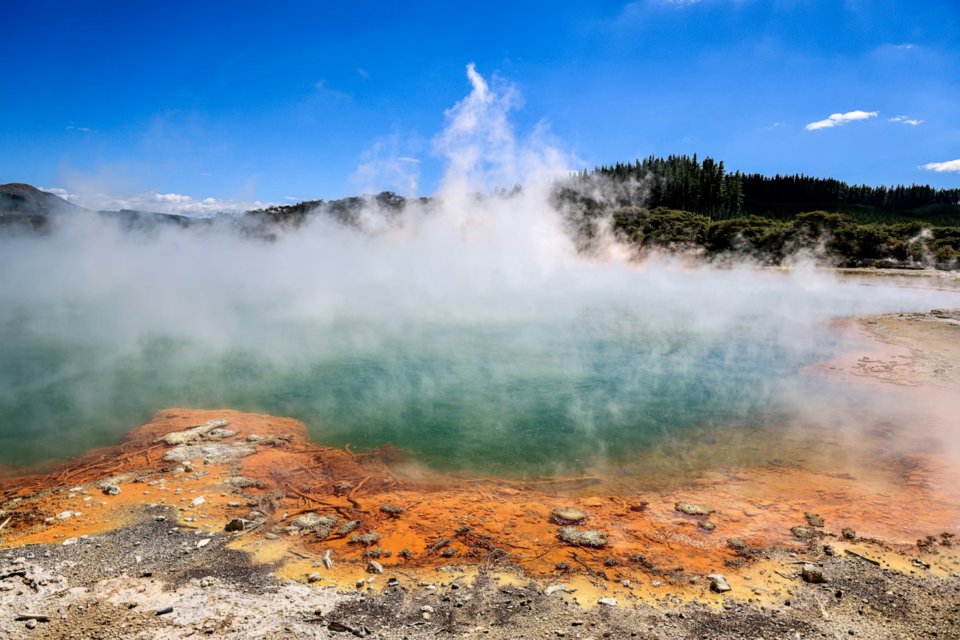
Photo by airbr3ak3r.zh on Unsplash
What to Expect When You Visit
Primitive is the operative word here. The pools remain exactly as nature and previous visitors left them, with extremely limited amenities and a relaxed atmosphere that encourages conversation among strangers. Regulars and first-timers share the space easily, trading tips on water temperature and swapping stories about other soaking spots around the state.
The springs accommodate approximately 10 to 12 people comfortably. Swimsuits remain the standard, though occasional nudity occurs despite posted rules. Arriving with an open mind and a willingness to share space with fellow soakers makes for the best experience. Those who appreciate simplicity and natural settings over manicured convenience will find plenty to love.
Pool Layout and Water Temperatures
Here’s where things get interesting. The source temperature of the geothermal water reaches up to 133°F, hot enough to cause serious burns if visitors enter unprepared. The pools measure approximately 20 feet across and 2 feet deep, with large rocks sectioning off the spring water from the frigid Crystal River flow.
The magic happens when visitors shift those stones. Moving rocks allows cold river water to mix with the hot spring water, producing whatever temperature feels right. Previous visitors’ rock arrangements mean water temperature varies significantly between pools. Testing before entering remains essential, and those who take time to reconfigure the barriers can customize their soaking temperature with surprising precision. Part of the fun involves engineering the perfect blend.
Best Times to Visit
The optimal visiting window spans mid-summer through fall and winter. Spring snowmelt runoff frequently floods the pools, making them inaccessible or dangerously cold. Anyone planning trips between late April and early June should verify conditions before making the drive.
Winter visits hold special appeal for hardy soakers. The contrast between frigid mountain air and steaming water creates an unforgettable experience, particularly on clear mornings when mist rises off the pools against snow-dusted canyon walls. Few sensations compare to watching your breath freeze while the rest of you stays perfectly warm.
Timing matters for crowd management too. Early evenings and weekends draw the largest crowds regardless of season. Arriving early in the morning offers the best chance at finding an open pool, a parking spot, and maybe even a few moments of solitude before other visitors trickle in.
Nearby Attractions and Outdoor Activities
The soak itself provides views of Mount Sopris and the surrounding canyon walls, but the area offers plenty more for those building a full day in the Crystal River Valley. The springs sit directly opposite the Filoha Meadows Nature Preserve, which offers hiking opportunities and wildlife viewing throughout the year. Birdsong and river sounds echo off the granite cliffs, creating natural acoustics that enhance the meditative quality of a good soak.
Redstone lies just minutes to the south, providing dining, shopping, and historical attractions worth exploring. The historic Redstone Castle and the charming boulevard of galleries and restaurants make for an excellent complement to a morning in the pools. For those planning a broader geothermal tour, a guide to the top hot springs to visit in Colorado can help map out additional destinations across the state.
Parking, Access, and What to Bring
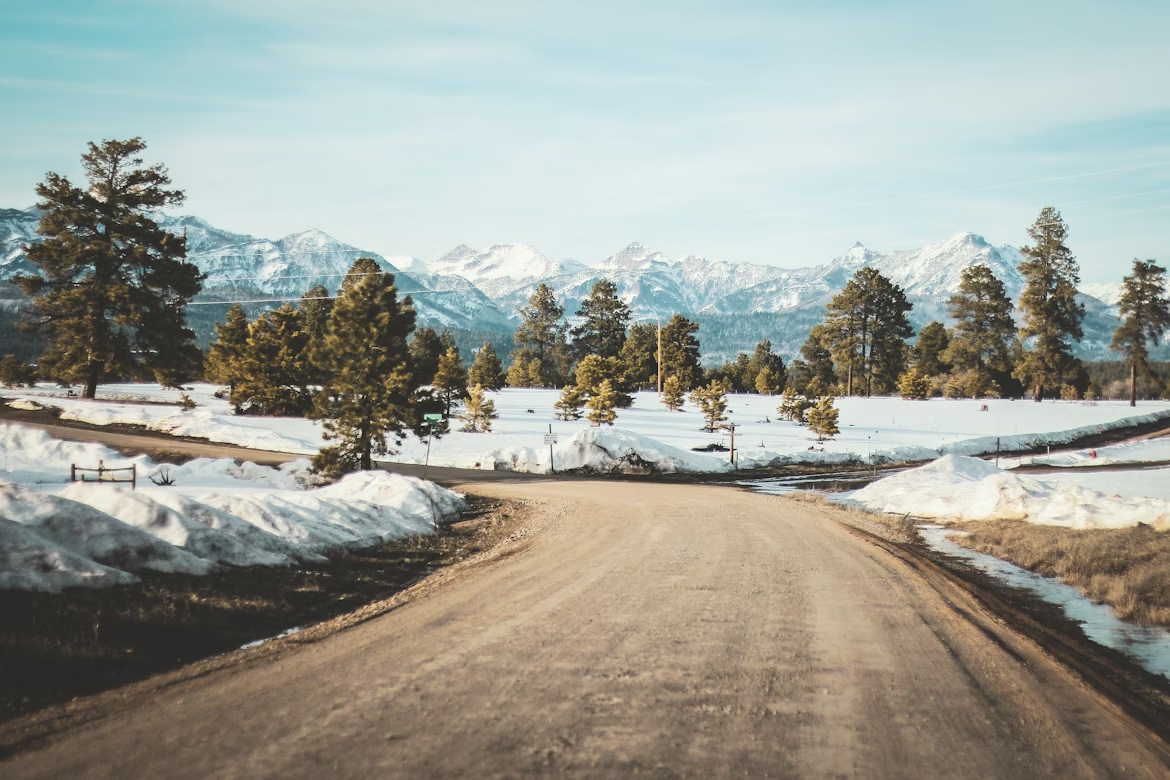
A roadside turnout provides parking for approximately 20 vehicles. During peak times, competition for spots can be fierce, making early arrival worthwhile and late arrival frustrating.
Access requires climbing down steep rocks on the riverbank side, and the path from parking area to pools can be slippery, especially when wet or icy. Water shoes rank among the most important items to pack. Sharp and slippery river rocks line both the approach and the pool bottoms, and bare feet make for a miserable experience. Highway 133 remains well-maintained throughout the year, ensuring reliable vehicle access even in winter conditions.
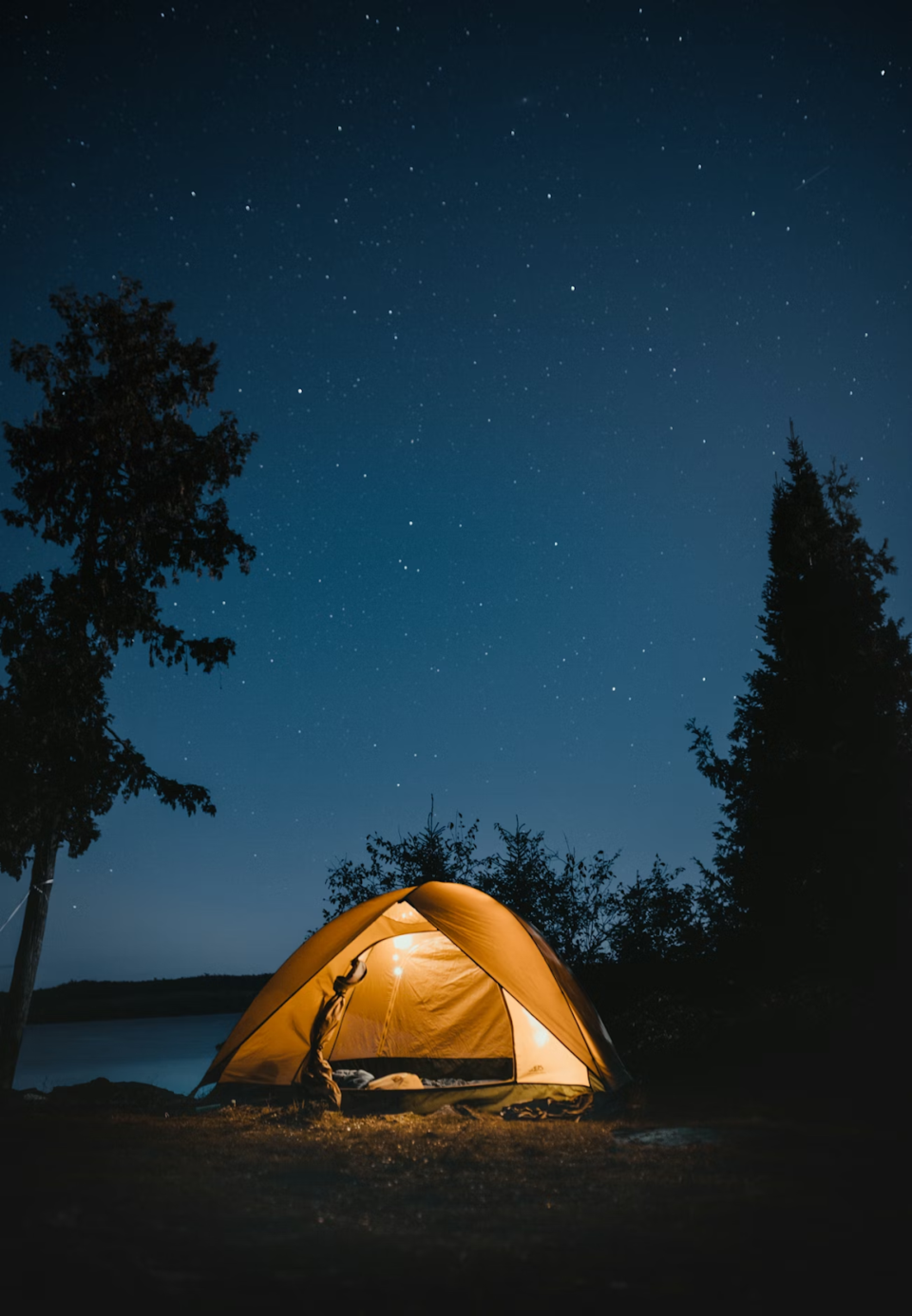
Photo by Josh Hild on Unsplash
Where to Stay and Eat Nearby
Camping at Penny Hot Springs is strictly prohibited. The county designates the property as a day-use-only area, and enforcement has increased in recent years. Planning an overnight stay means looking elsewhere.
Redstone Campground sits approximately four minutes south of the springs and offers a convenient base for extended visits. The town of Redstone provides additional lodging options ranging from historic inns with genuine character to modern vacation rentals. Several restaurants serve visitors looking for a meal before or after soaking, with options spanning casual cafes to upscale dining that pairs nicely with a relaxing day on the river.
Safety Notes and Leave No Trace Reminders
Responsible use keeps Penny Hot Springs accessible for future visitors. The site survives as a free public resource because people respect a few simple guidelines:
- Pack in, pack out. No waste containers exist on site, so everything brought in leaves with its owner.
- Glass containers are prohibited to prevent injuries in the riverbed. Broken glass and bare feet in rocky pools make for a dangerous combination.
- Dogs are banned from the springs area to prevent waste contamination and conflicts with other visitors.
- A porta-potty is available near the parking area.
- Usage of the springs is entirely at the visitor’s own risk.
Those who abuse the site risk its closure, and the primitive character that makes Penny Hot Springs special depends on collective stewardship from everyone who visits. Budget-conscious travelers looking for similar experiences can find more options in this roundup of free hot springs in Colorado.
Time to Plan That Soak
Few soaking spots anywhere offer the combination of accessibility, natural beauty, and authentic character found at Penny Hot Springs. The drive through the Crystal River Valley alone justifies the trip, winding past dramatic canyon walls and historic mining towns before arriving at this geothermal gem tucked against the granite cliffs of Hell’s Gate.
Pack water shoes, bring a towel, and leave expectations of polish at home. The rewards here come from simplicity: hot water, cold river, stunning scenery, and the kind of relaxation that only a primitive soak can provide. More than a century after Dan Penny first welcomed travelers to these steaming waters, the springs continue earning new devotees one visit at a time.
Explore the Crystal River Valley
Penny Hot Springs makes an ideal starting point for a longer adventure through one of Colorado’s most scenic corridors. Spend the morning soaking beneath Hell’s Gate, then head south to wander Redstone’s historic boulevard and peek inside the famous castle. Grab lunch at a local cafe before hiking the trails at Filoha Meadows or continuing up McClure Pass for sweeping alpine views.
For those who catch the hot springs bug, the state holds dozens more geothermal treasures waiting to be discovered. Start mapping out your next soak, bookmark a few backup options for crowded weekends, and consider turning a simple day trip into a full Colorado hot springs road trip.
The Crystal River Valley rewards those who take their time. So grab your water shoes, pack a sense of adventure, and see what else this corner of Colorado has to offer.