Living in Boulder, Colorado, immediately places you at the base of the iconic Flatirons, a geological formation that shapes the city's identity and greets you every single morning.
Living in Boulder, Colorado, immediately places you at the base of the iconic Flatirons, a geological formation that shapes the city's identity and greets you every single morning. The city sits nestled between rugged mountains and open plains, creating a landscape that feels both dramatic and intimate. This location defines everything about daily life here.
You find an undeniable hub for happiness and overall well-being in Boulder, deeply rooted in its unparalleled access to nature and outdoor activities. The city consistently ranks among the healthiest and happiest places in the country, and spending even a few days here makes that reputation feel earned.
What Boulder Feels Like Day to Day
Daily life in Boulder pulsates with energy around health, wellness, and outdoor activity. You see it everywhere: runners on the trails at dawn, cyclists commuting to work, yoga practitioners in the parks, rock climbers heading toward Eldorado Canyon. The culture here celebrates movement and time spent outside.
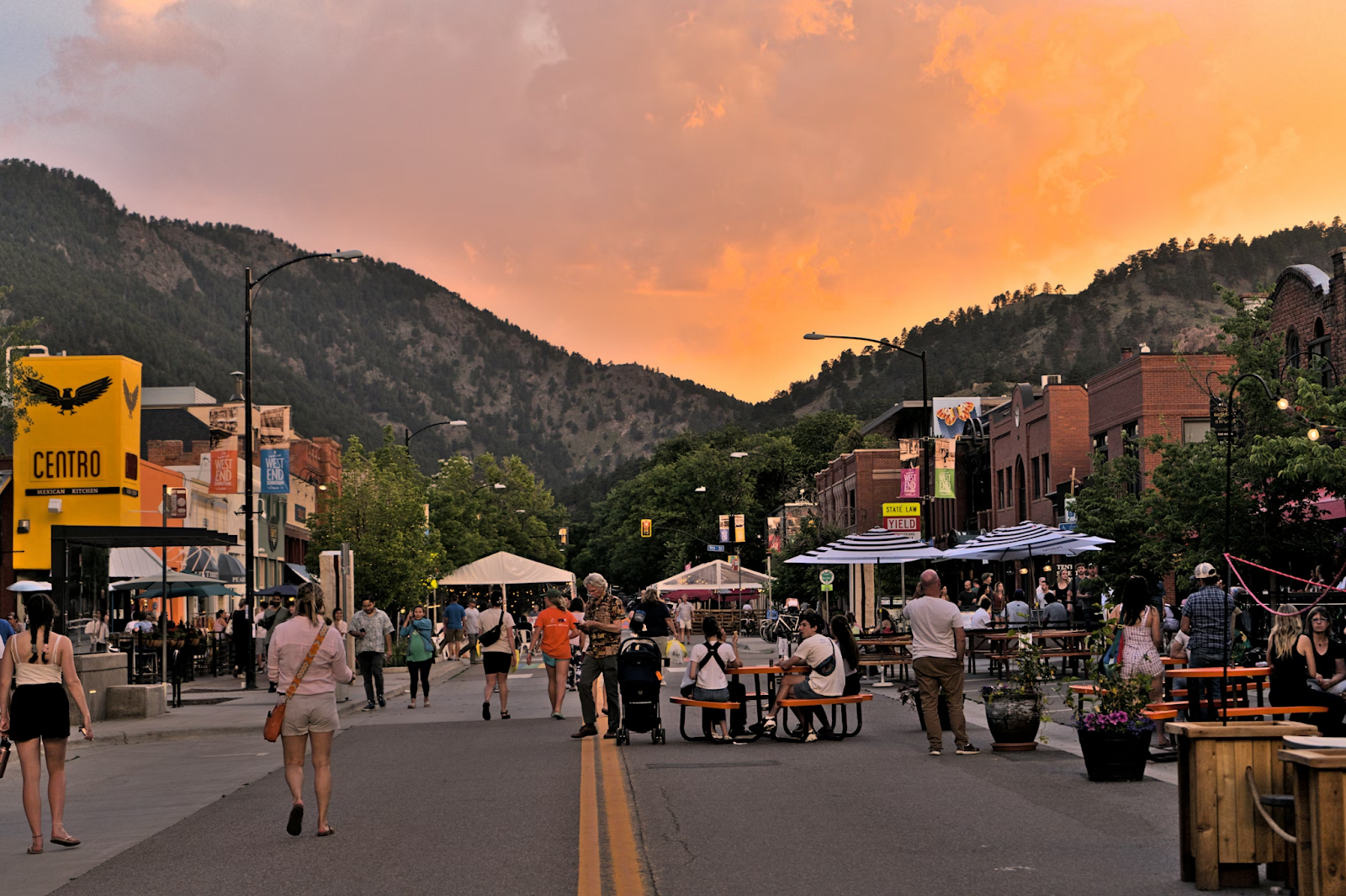
Pearl Street Mall acts as the city's vibrant, beating heart. This brick-paved, pedestrian-only thoroughfare fills with distinctive shops, acclaimed restaurants, and engaging street performers throughout the year. The mall pulls the community together, serving as the place where students, families, professionals, and visitors all converge. You grab coffee here, meet friends for dinner, catch live music on summer evenings, and simply watch the energy of the city flow past.
The University of Colorado Boulder campus anchors the eastern edge of the city, contributing a youthful, intellectual atmosphere that permeates local culture. You feel the university's presence in the coffee shops filled with students, the lectures open to the public, the research initiatives that draw talent from around the world. The school shapes Boulder's identity as much as the mountains do.
If you're exploring what life looks like across the state, our guide to Colorado offers broader context on communities throughout the region.
Cost of Living and How Prices Compare to Colorado
Boulder carries a premium price tag, and you should understand exactly what that means before planning a move. If you’ve ever wondered “Is Boulder expensive?”, the short answer is yes. The cost of living in Boulder, CO sits well above both the state and national averages, driven mostly by housing.
Housing costs represent the biggest expense. The median home price in Boulder hovers around $1.1 million to $1.3 million, placing it among the most expensive markets in Colorado. Rental prices reflect this reality: a one-bedroom apartment in the city center typically runs between $1,800 and $2,400 per month, while two-bedroom units often exceed $2,800. Housing costs here run roughly 80 to 100 percent higher than the national average and significantly above the Colorado state average.
Groceries and dining also skew higher than typical Colorado cities. The emphasis on organic, local, and health-conscious food options means your weekly grocery bill likely lands 10 to 15 percent above what you'd pay in Denver or Colorado Springs. Dining out at Boulder's acclaimed restaurants adds up quickly, though the quality often justifies the spend.
Utilities remain relatively standard for Colorado, averaging around $150 to $200 monthly for a typical apartment. Transportation costs vary dramatically depending on your lifestyle: if you embrace cycling and use the bus system, you can keep these expenses minimal. Owning and operating a car adds the typical costs of insurance, fuel, and parking.
Overall, the cost of living in Boulder sits roughly 40 to 0 percent above the national average. You’re paying for a premium lifestyle, and the thriving, high-end local businesses reflect that. For those seeking more affordable options in the state, our guide to the cheapest places to live in Colorado provides helpful alternatives.
Photo by Intricate Explorer on Unsplash
Neighborhoods and Housing Options Across Boulder
Boulder's neighborhoods each carry distinct personalities, and choosing the right one depends on your priorities and budget.
Downtown and Pearl Street Area
The core of Boulder life centers here. You find walkability to restaurants, shops, entertainment, and the energy of urban living. Condos and apartments dominate the housing stock, with prices reflecting the convenience and desirability. Young professionals and those who prioritize being in the middle of the action gravitate here.
Chautauqua and South Boulder
The area around Chautauqua Park, with its historic auditorium and charming cottages, serves as your gateway to the mountains. You get immediate access to incredible trails, including the iconic Flatirons hikes, right from your doorstep. Housing here tends toward single-family homes with larger lots, attracting families and outdoor enthusiasts willing to pay premium prices for proximity to nature.
North Boulder
This area offers a slightly more residential, family-oriented feel while maintaining easy access to trails and open space. You find a mix of older homes with character and newer developments. The neighborhood attracts families with children, retirees, and professionals who want a quieter pace without sacrificing Boulder's amenities.
University Hill (The Hill)
Adjacent to the CU campus, this neighborhood pulses with student energy. Rental properties dominate, and the atmosphere skews young and transient. Housing costs here can be more accessible, though you trade quiet evenings for proximity to college life.
Gunbarrel and East Boulder
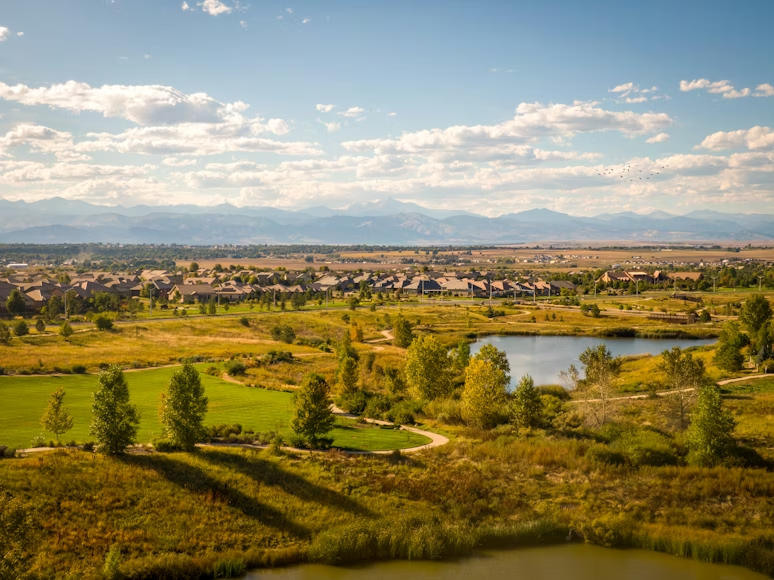
These areas on the city's eastern edge offer more affordable options relative to central Boulder. You find newer construction, more suburban layouts, and easier access to major employers along the US-36 corridor. Families seeking more space for their dollar often land here.
Safety and Crime Trends in Boulder
Boulder maintains a reputation as a safe city, and crime statistics generally support that perception. The city's violent crime rate falls below national averages, and residents typically feel comfortable walking around at night, especially in the downtown and residential neighborhoods.
Property crime represents the more common concern. Bicycle theft, car break-ins, and package theft occur with enough regularity that residents learn to lock everything and avoid leaving valuables visible. The university area sees higher rates of these crimes, partly due to the transient student population.
The Boulder Police Department maintains an active presence downtown and in residential areas. Community policing initiatives and neighborhood watch programs contribute to the overall sense of security.
Compared to larger Colorado cities, Boulder offers a notably safer environment. If safety ranks among your top priorities, our list of the safest cities in Colorado provides additional options to consider.
Schools and Education Quality in the City
The Boulder Valley School District serves most of the city and maintains strong academic performance across its schools. The district consistently ranks among the top performers in Colorado, with high graduation rates, strong test scores, and robust programs in arts, athletics, and STEM fields.
Elementary and middle schools throughout Boulder generally receive high ratings from parents and education evaluators. Fairview High School and Boulder High School both carry excellent reputations, offering Advanced Placement courses, International Baccalaureate programs, and competitive athletic programs.
The University of Colorado Boulder dominates higher education in the city. Its presence shapes the intellectual culture, provides continuing education opportunities for residents, and employs thousands of faculty and staff. The university's research programs in aerospace, physics, environmental science, and other fields attract talent from around the world.
Private school options exist throughout the area, including Montessori programs, religious schools, and independent academies for families seeking alternatives to public education.
Families moving to Boulder for the schools find a district that takes education seriously, invests in teachers and facilities, and produces students prepared for college and careers.
Photo by Logan Gutierrez on Unsplash
Transportation, Commuting, and Getting Around
Boulder truly earns its reputation as a bike-friendly city. You often do not even need a car here, depending on where you live and work.
The city's official B-cycle bike-share program and an extensive network of bike paths make cycling an easy choice for getting around. Protected bike lanes run through major corridors, and the Boulder Creek Path provides a scenic east-west route through the heart of the city. Many employers offer bike parking and shower facilities, supporting the cycling culture.
The downtown Pearl Street area boasts excellent walkability. If you live centrally, you can handle most daily errands on foot: groceries, dining, entertainment, coffee, all within walking distance.
The Regional Transportation District (RTD) provides bus service throughout Boulder and connections to Denver and other Front Range communities. The Flatiron Flyer express bus runs along US-36, offering a relatively quick commute to Denver (about 45 minutes to an hour depending on traffic and your destination).
Driving in Boulder presents mixed experiences. Local traffic moves reasonably well outside of rush hours, but the US-36 corridor to Denver gets congested during peak commute times. Parking downtown can challenge visitors and residents alike, with limited street parking and paid lots.
The commute to Denver typically takes 45 minutes to an hour and a half depending on traffic, time of day, and whether you're heading to downtown Denver or the suburbs. Many Boulder residents work remotely or locally specifically to avoid this commute.
Job Market, Major Employers, and Remote Work Appeal
Boulder's economy blends several thriving sectors, creating diverse employment opportunities for residents.
Technology and Startups
The city has earned recognition as a hub for tech companies and startups. Google, Twitter, and numerous smaller tech firms maintain offices here. The startup culture thrives, supported by venture capital presence, university research partnerships, and a highly educated workforce.
Aerospace and Research
Federal research facilities, including the National Center for Atmospheric Research (NCAR) and the National Oceanic and Atmospheric Administration (NOAA), employ scientists and support staff throughout Boulder. Ball Aerospace and other defense contractors maintain significant operations in the area.
University of Colorado
CU Boulder ranks among the largest employers in the city, providing positions in education, research, administration, healthcare, and campus services.
Tourism and Hospitality
The tourism industry drives substantial employment in restaurants, hotels, outdoor recreation services, and retail. The influx of visitors throughout the year sustains thousands of jobs in these sectors.
Healthcare Boulder Community Health and various medical practices employ healthcare professionals across specialties. For those seeking mental health support, our guide to psychiatrists in Boulder offers local resources.
Remote Work Appeal Boulder has become a magnet for remote workers, and the reasons are obvious. You gain immediate access to world-class trails, a vibrant downtown, excellent coffee shops for working, reliable high-speed internet, and a community that values work-life balance. The city's time zone works reasonably well for both East and West Coast collaboration. Many remote workers specifically choose Boulder for the lifestyle it offers outside of work hours.
For residents needing legal services, our directory of Boulder attorneys provides local options.
Weather, Seasons, and Daily Climate Patterns
This is a huge selling point for living in Boulder. You absolutely get more than 300 days of sunshine each year, making outdoor pursuits a constant possibility.
Spring (March through May)
Temperatures climb from the 40s into the 60s and 70s. Snow remains possible into May, sometimes mixing with warm, sunny days in the same week. The trails begin to clear, and the hiking season ramps up.
Summer (June through August)
Warm, sunny days dominate, with temperatures typically reaching the 80s and low 90s. Afternoon thunderstorms roll through regularly, usually clearing by evening. Low humidity makes the heat comfortable compared to more humid climates. This is peak hiking, biking, and outdoor festival season.
Fall (September through November)
Many residents consider this the best season. Cool, crisp air arrives, temperatures settle into the 50s and 60s, and the foliage turns golden throughout the mountains. The crowds thin after summer, and the trails offer spectacular conditions.
Winter (December through February)
Snow arrives, transforming the landscape and opening ski season in the nearby mountains. Temperatures range from the 20s to the 40s, but sunny days remain frequent. Boulder often experiences the "Boulder Bubble" effect, where storms that hammer the mountains drop less snow in the city itself. You can expect snowy days followed by sunshine that melts roads and sidewalks quickly.
The low humidity and abundant sunshine form a core part of the daily experience. You plan outdoor activities year-round here, adapting to the seasons rather than hiding from them.
For more perspective on Colorado's climate and lifestyle, our overview of the pros and cons of living in Colorado offers a statewide context.
Things to Do: Parks, Dining, and Outdoor Recreation
Boulder offers an abundance of specific activities that keep residents engaged throughout the year.
Hiking and Trails
Hiking the iconic Flatirons in Chautauqua Park is non-negotiable, a true staple of Boulder life. The Royal Arch trail rewards effort with stunning views. Mount Sanitas provides a challenging workout close to town. The city provides more than 150 miles of trails directly accessible from town, an absolute dream for hikers and bikers. You can leave your front door, hit a trail, and find yourself deep in nature within minutes.
For broader exploration, Colorado's best national parks offer world-class destinations within driving distance. The state's remarkable caves provide unique underground adventures as well.
Pearl Street and Downtown
Exploring the Pearl Street Mall provides endless entertainment, from unique shops to street performers to people-watching. The restaurants range from casual to upscale, covering cuisines from around the world. Live music venues, comedy clubs, and theaters keep evenings interesting.
Dining and Breweries
Boulder's acclaimed food scene brims with diverse dining options and craft breweries. The Boulder Dushanbe Teahouse offers an exquisite, one-of-a-kind experience in a hand-carved teahouse gifted from Boulder's sister city in Tajikistan. The Boulder County Farmers Market connects you directly with local producers and artisans. Breweries like Avery, Upslope, and Mountain Sun have built national reputations.
Day Trips and Nearby Adventures
Rocky Mountain National Park sits less than an hour away. Eldorado Canyon State Park offers world-class rock climbing. The ski resorts of the Front Range provide winter recreation within 90 minutes. Denver's museums, sports venues, and urban amenities are accessible for day trips or evenings out.
Pet owners will find Boulder exceptionally accommodating, with dog-friendly trails, parks, and businesses throughout the city. For veterinary needs, our guide to vets in Boulder offers local recommendations.
For those curious about the state's unique character, our collection of fun facts about Colorado reveals surprising details about the region.
Pros and Cons of Living in Boulder, Colorado
Living in Boulder delivers clear advantages and trade-offs. Understanding both sides helps you make an informed decision.
Pros
Unbeatable access to outdoor recreation stands as the primary draw. You can hike, bike, climb, ski, and explore natural beauty without driving hours to reach it. The mountains are right there, every single day.
Year-round sunshine makes outdoor activities possible in every season. The 300-plus days of sun genuinely affect daily life and mood.
The vibrant, walkable downtown offers restaurants, shops, entertainment, and community gathering spaces all within easy reach.
A health-conscious culture surrounds you. The community values wellness, fitness, and outdoor activity, creating social support for healthy lifestyle choices.
Strong schools, low crime, and a highly educated population make Boulder appealing for families and professionals alike.
The job market in tech, research, and startups provides career opportunities for skilled workers.
Cons
Boulder's high cost of living represents the biggest barrier. Housing prices lock out many potential residents, and even high earners feel the strain of Boulder's premium market.
Crowds come with desirability. Popular trails get packed on weekends, parking fills up downtown, and you share the beautiful spaces with many others who discovered Boulder's appeal.
The bubble effect is real. Boulder can feel isolated from broader Colorado and American realities, with a homogeneous demographic and political culture that some find limiting.
Limited housing inventory means competition for rentals and purchases. Finding the right place takes time, persistence, and often compromise.
Traffic on US-36 to Denver frustrates commuters. If your job requires regular trips to Denver, budget time and patience for the drive.
Make Your Move to Boulder
Boulder rewards those who prioritize outdoor access, community wellness, and quality of life. The city asks you to pay a premium, and in return, it delivers a daily existence shaped by mountain views, sunny skies, and trails that start at your doorstep. If that trade-off appeals to you, start exploring neighborhoods, visiting on different days and seasons, and connecting with the community. The best way to know if Boulder fits your life is to spend time here and feel it for yourself.
Living in Boulder, Colorado, immediately places you at the base of the iconic Flatirons, a geological formation that shapes the city’s identity and greets you every single morning. The city sits nestled between rugged mountains and open plains, creating a landscape that feels both dramatic and intimate. This location defines everything about daily life here.
You find an undeniable hub for happiness and overall well-being in Boulder, deeply rooted in its unparalleled access to nature and outdoor activities. The city consistently ranks among the healthiest and happiest places in the country, and spending even a few days here makes that reputation feel earned.
What Boulder Feels Like Day to Day
Daily life in Boulder pulsates with energy around health, wellness, and outdoor activity. You see it everywhere: runners on the trails at dawn, cyclists commuting to work, yoga practitioners in the parks, rock climbers heading toward Eldorado Canyon. The culture here celebrates movement and time spent outside.
Pearl Street Mall acts as the city’s vibrant, beating heart. This brick-paved, pedestrian-only thoroughfare fills with distinctive shops, acclaimed restaurants, and engaging street performers throughout the year. The mall pulls the community together, serving as the place where students, families, professionals, and visitors all converge. You grab coffee here, meet friends for dinner, catch live music on summer evenings, and simply watch the energy of the city flow past.
The University of Colorado Boulder campus anchors the eastern edge of the city, contributing a youthful, intellectual atmosphere that permeates local culture. You feel the university’s presence in the coffee shops filled with students, the lectures open to the public, the research initiatives that draw talent from around the world. The school shapes Boulder’s identity as much as the mountains do.
If you’re exploring what life looks like across the state, our guide to Colorado offers broader context on communities throughout the region.
Cost of Living and How Prices Compare to Colorado
Boulder carries a premium price tag, and you should understand exactly what that means before planning a move. If you’ve ever wondered “Is Boulder expensive?”, the short answer is yes. The cost of living in Boulder, CO sits well above both the state and national averages, driven mostly by housing.
Housing costs represent the biggest expense. The median home price in Boulder hovers around $1.1 million to $1.3 million, placing it among the most expensive markets in Colorado. Rental prices reflect this reality: a one-bedroom apartment in the city center typically runs between $1,800 and $2,400 per month, while two-bedroom units often exceed $2,800. Housing costs here run roughly 80 to 100 percent higher than the national average and significantly above the Colorado state average.
Groceries and dining also skew higher than typical Colorado cities. The emphasis on organic, local, and health-conscious food options means your weekly grocery bill likely lands 10 to 15 percent above what you’d pay in Denver or Colorado Springs. Dining out at Boulder’s acclaimed restaurants adds up quickly, though the quality often justifies the spend.
Utilities remain relatively standard for Colorado, averaging around $150 to $200 monthly for a typical apartment. Transportation costs vary dramatically depending on your lifestyle: if you embrace cycling and use the bus system, you can keep these expenses minimal. Owning and operating a car adds the typical costs of insurance, fuel, and parking.
Overall, the cost of living in Boulder sits roughly 40 to 0 percent above the national average. You’re paying for a premium lifestyle, and the thriving, high-end local businesses reflect that. For those seeking more affordable options in the state, our guide to the cheapest places to live in Colorado provides helpful alternatives.
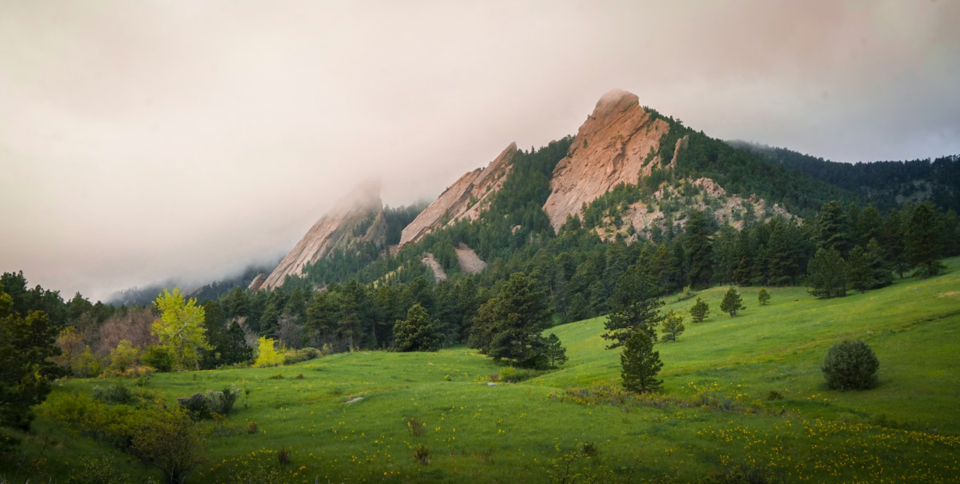
Photo by Intricate Explorer on Unsplash
Neighborhoods and Housing Options Across Boulder
Boulder’s neighborhoods each carry distinct personalities, and choosing the right one depends on your priorities and budget.
Downtown and Pearl Street Area
The core of Boulder life centers here. You find walkability to restaurants, shops, entertainment, and the energy of urban living. Condos and apartments dominate the housing stock, with prices reflecting the convenience and desirability. Young professionals and those who prioritize being in the middle of the action gravitate here.
Chautauqua and South Boulder
The area around Chautauqua Park, with its historic auditorium and charming cottages, serves as your gateway to the mountains. You get immediate access to incredible trails, including the iconic Flatirons hikes, right from your doorstep. Housing here tends toward single-family homes with larger lots, attracting families and outdoor enthusiasts willing to pay premium prices for proximity to nature.
North Boulder
This area offers a slightly more residential, family-oriented feel while maintaining easy access to trails and open space. You find a mix of older homes with character and newer developments. The neighborhood attracts families with children, retirees, and professionals who want a quieter pace without sacrificing Boulder’s amenities.
University Hill (The Hill)
Adjacent to the CU campus, this neighborhood pulses with student energy. Rental properties dominate, and the atmosphere skews young and transient. Housing costs here can be more accessible, though you trade quiet evenings for proximity to college life.
Gunbarrel and East Boulder
These areas on the city’s eastern edge offer more affordable options relative to central Boulder. You find newer construction, more suburban layouts, and easier access to major employers along the US-36 corridor. Families seeking more space for their dollar often land here.
Safety and Crime Trends in Boulder
Boulder maintains a reputation as a safe city, and crime statistics generally support that perception. The city’s violent crime rate falls below national averages, and residents typically feel comfortable walking around at night, especially in the downtown and residential neighborhoods.
Property crime represents the more common concern. Bicycle theft, car break-ins, and package theft occur with enough regularity that residents learn to lock everything and avoid leaving valuables visible. The university area sees higher rates of these crimes, partly due to the transient student population.
The Boulder Police Department maintains an active presence downtown and in residential areas. Community policing initiatives and neighborhood watch programs contribute to the overall sense of security.
Compared to larger Colorado cities, Boulder offers a notably safer environment. If safety ranks among your top priorities, our list of the safest cities in Colorado provides additional options to consider.
Schools and Education Quality in the City
The Boulder Valley School District serves most of the city and maintains strong academic performance across its schools. The district consistently ranks among the top performers in Colorado, with high graduation rates, strong test scores, and robust programs in arts, athletics, and STEM fields.
Elementary and middle schools throughout Boulder generally receive high ratings from parents and education evaluators. Fairview High School and Boulder High School both carry excellent reputations, offering Advanced Placement courses, International Baccalaureate programs, and competitive athletic programs.
The University of Colorado Boulder dominates higher education in the city. Its presence shapes the intellectual culture, provides continuing education opportunities for residents, and employs thousands of faculty and staff. The university’s research programs in aerospace, physics, environmental science, and other fields attract talent from around the world.
Private school options exist throughout the area, including Montessori programs, religious schools, and independent academies for families seeking alternatives to public education.
Families moving to Boulder for the schools find a district that takes education seriously, invests in teachers and facilities, and produces students prepared for college and careers.
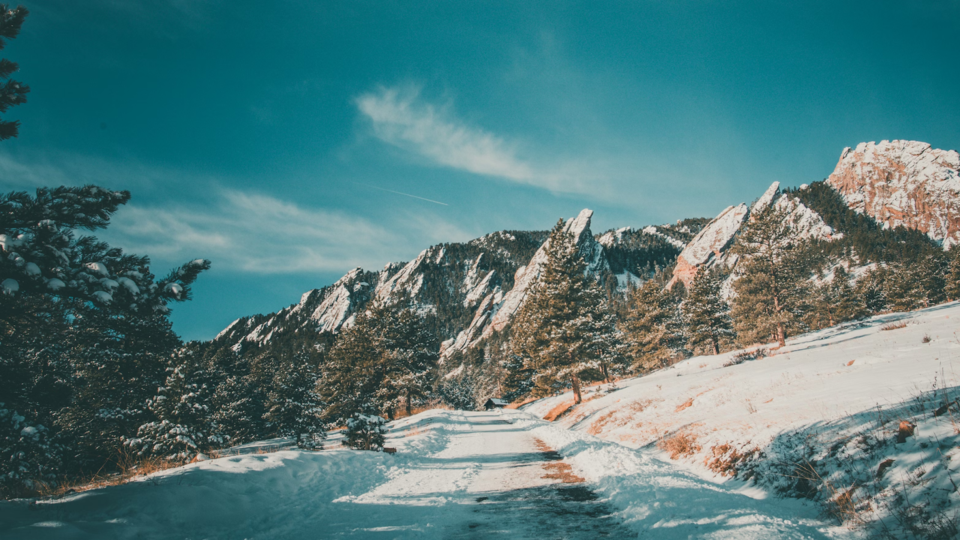
Photo by Logan Gutierrez on Unsplash
Transportation, Commuting, and Getting Around
Boulder truly earns its reputation as a bike-friendly city. You often do not even need a car here, depending on where you live and work.
The city’s official B-cycle bike-share program and an extensive network of bike paths make cycling an easy choice for getting around. Protected bike lanes run through major corridors, and the Boulder Creek Path provides a scenic east-west route through the heart of the city. Many employers offer bike parking and shower facilities, supporting the cycling culture.
The downtown Pearl Street area boasts excellent walkability. If you live centrally, you can handle most daily errands on foot: groceries, dining, entertainment, coffee, all within walking distance.
The Regional Transportation District (RTD) provides bus service throughout Boulder and connections to Denver and other Front Range communities. The Flatiron Flyer express bus runs along US-36, offering a relatively quick commute to Denver (about 45 minutes to an hour depending on traffic and your destination).
Driving in Boulder presents mixed experiences. Local traffic moves reasonably well outside of rush hours, but the US-36 corridor to Denver gets congested during peak commute times. Parking downtown can challenge visitors and residents alike, with limited street parking and paid lots.
The commute to Denver typically takes 45 minutes to an hour and a half depending on traffic, time of day, and whether you’re heading to downtown Denver or the suburbs. Many Boulder residents work remotely or locally specifically to avoid this commute.
Job Market, Major Employers, and Remote Work Appeal
Boulder’s economy blends several thriving sectors, creating diverse employment opportunities for residents.
Technology and Startups
The city has earned recognition as a hub for tech companies and startups. Google, Twitter, and numerous smaller tech firms maintain offices here. The startup culture thrives, supported by venture capital presence, university research partnerships, and a highly educated workforce.
Aerospace and Research
Federal research facilities, including the National Center for Atmospheric Research (NCAR) and the National Oceanic and Atmospheric Administration (NOAA), employ scientists and support staff throughout Boulder. Ball Aerospace and other defense contractors maintain significant operations in the area.
University of Colorado
CU Boulder ranks among the largest employers in the city, providing positions in education, research, administration, healthcare, and campus services.
Tourism and Hospitality
The tourism industry drives substantial employment in restaurants, hotels, outdoor recreation services, and retail. The influx of visitors throughout the year sustains thousands of jobs in these sectors.
Healthcare Boulder Community Health and various medical practices employ healthcare professionals across specialties. For those seeking mental health support, our guide to psychiatrists in Boulder offers local resources.
Remote Work Appeal Boulder has become a magnet for remote workers, and the reasons are obvious. You gain immediate access to world-class trails, a vibrant downtown, excellent coffee shops for working, reliable high-speed internet, and a community that values work-life balance. The city’s time zone works reasonably well for both East and West Coast collaboration. Many remote workers specifically choose Boulder for the lifestyle it offers outside of work hours.
For residents needing legal services, our directory of Boulder attorneys provides local options.
Weather, Seasons, and Daily Climate Patterns
This is a huge selling point for living in Boulder. You absolutely get more than 300 days of sunshine each year, making outdoor pursuits a constant possibility.
Spring (March through May)
Temperatures climb from the 40s into the 60s and 70s. Snow remains possible into May, sometimes mixing with warm, sunny days in the same week. The trails begin to clear, and the hiking season ramps up.
Summer (June through August)
Warm, sunny days dominate, with temperatures typically reaching the 80s and low 90s. Afternoon thunderstorms roll through regularly, usually clearing by evening. Low humidity makes the heat comfortable compared to more humid climates. This is peak hiking, biking, and outdoor festival season.
Fall (September through November)
Many residents consider this the best season. Cool, crisp air arrives, temperatures settle into the 50s and 60s, and the foliage turns golden throughout the mountains. The crowds thin after summer, and the trails offer spectacular conditions.
Winter (December through February)
Snow arrives, transforming the landscape and opening ski season in the nearby mountains. Temperatures range from the 20s to the 40s, but sunny days remain frequent. Boulder often experiences the “Boulder Bubble” effect, where storms that hammer the mountains drop less snow in the city itself. You can expect snowy days followed by sunshine that melts roads and sidewalks quickly.
The low humidity and abundant sunshine form a core part of the daily experience. You plan outdoor activities year-round here, adapting to the seasons rather than hiding from them.
For more perspective on Colorado’s climate and lifestyle, our overview of the pros and cons of living in Colorado offers a statewide context.
Things to Do: Parks, Dining, and Outdoor Recreation
Boulder offers an abundance of specific activities that keep residents engaged throughout the year.
Hiking and Trails
Hiking the iconic Flatirons in Chautauqua Park is non-negotiable, a true staple of Boulder life. The Royal Arch trail rewards effort with stunning views. Mount Sanitas provides a challenging workout close to town. The city provides more than 150 miles of trails directly accessible from town, an absolute dream for hikers and bikers. You can leave your front door, hit a trail, and find yourself deep in nature within minutes.
For broader exploration, Colorado’s best national parks offer world-class destinations within driving distance. The state’s remarkable caves provide unique underground adventures as well.
Pearl Street and Downtown
Exploring the Pearl Street Mall provides endless entertainment, from unique shops to street performers to people-watching. The restaurants range from casual to upscale, covering cuisines from around the world. Live music venues, comedy clubs, and theaters keep evenings interesting.
Dining and Breweries
Boulder’s acclaimed food scene brims with diverse dining options and craft breweries. The Boulder Dushanbe Teahouse offers an exquisite, one-of-a-kind experience in a hand-carved teahouse gifted from Boulder’s sister city in Tajikistan. The Boulder County Farmers Market connects you directly with local producers and artisans. Breweries like Avery, Upslope, and Mountain Sun have built national reputations.
Day Trips and Nearby Adventures
Rocky Mountain National Park sits less than an hour away. Eldorado Canyon State Park offers world-class rock climbing. The ski resorts of the Front Range provide winter recreation within 90 minutes. Denver’s museums, sports venues, and urban amenities are accessible for day trips or evenings out.
Pet owners will find Boulder exceptionally accommodating, with dog-friendly trails, parks, and businesses throughout the city. For veterinary needs, our guide to vets in Boulder offers local recommendations.
For those curious about the state’s unique character, our collection of fun facts about Colorado reveals surprising details about the region.
Pros and Cons of Living in Boulder, Colorado
Living in Boulder delivers clear advantages and trade-offs. Understanding both sides helps you make an informed decision.
Pros
Unbeatable access to outdoor recreation stands as the primary draw. You can hike, bike, climb, ski, and explore natural beauty without driving hours to reach it. The mountains are right there, every single day.
Year-round sunshine makes outdoor activities possible in every season. The 300-plus days of sun genuinely affect daily life and mood.
The vibrant, walkable downtown offers restaurants, shops, entertainment, and community gathering spaces all within easy reach.
A health-conscious culture surrounds you. The community values wellness, fitness, and outdoor activity, creating social support for healthy lifestyle choices.
Strong schools, low crime, and a highly educated population make Boulder appealing for families and professionals alike.
The job market in tech, research, and startups provides career opportunities for skilled workers.
Cons
Boulder’s high cost of living represents the biggest barrier. Housing prices lock out many potential residents, and even high earners feel the strain of Boulder’s premium market.
Crowds come with desirability. Popular trails get packed on weekends, parking fills up downtown, and you share the beautiful spaces with many others who discovered Boulder’s appeal.
The bubble effect is real. Boulder can feel isolated from broader Colorado and American realities, with a homogeneous demographic and political culture that some find limiting.
Limited housing inventory means competition for rentals and purchases. Finding the right place takes time, persistence, and often compromise.
Traffic on US-36 to Denver frustrates commuters. If your job requires regular trips to Denver, budget time and patience for the drive.
Make Your Move to Boulder
Boulder rewards those who prioritize outdoor access, community wellness, and quality of life. The city asks you to pay a premium, and in return, it delivers a daily existence shaped by mountain views, sunny skies, and trails that start at your doorstep. If that trade-off appeals to you, start exploring neighborhoods, visiting on different days and seasons, and connecting with the community. The best way to know if Boulder fits your life is to spend time here and feel it for yourself.