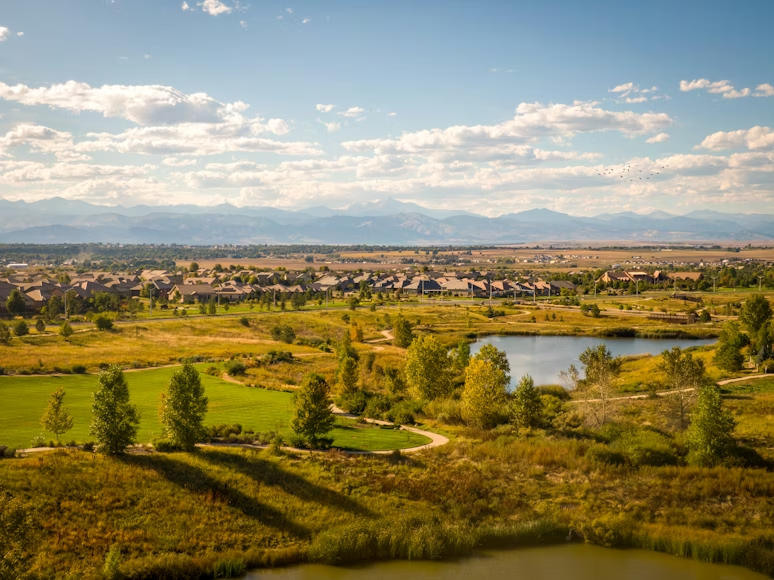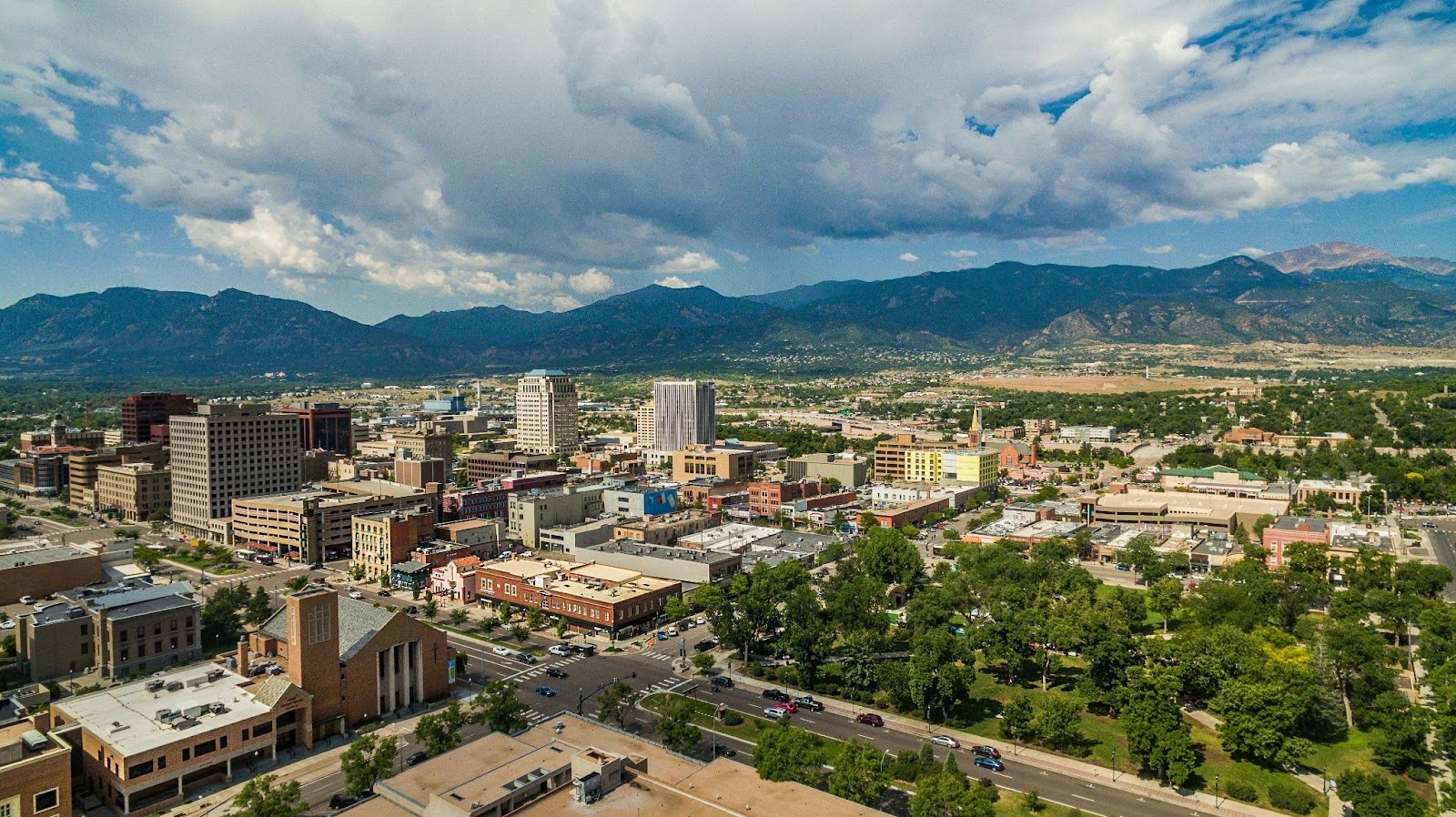
Colorado Springs holds a distinctive charm as the second-largest city in Colorado, sitting comfortably south of Denver along the Front Range. Locals and long-time residents affectionately call it “The Springs,” and for anyone dreaming of that quintessential Colorado lifestyle, this city might be calling your name.
Perched at an average elevation of 6,035 feet above sea level, Colorado Springs sits along the eastern edge of the Rocky Mountains. The city offers mountain proximity without the challenges of living deep within the range itself. For those considering a move to Colorado Springs, this guide walks through everything from daily life and costs to stunning outdoor adventures.
For anyone comparing cities across the state or exploring what daily life looks like in different regions, our guide to Living in Colorado offers a broader look at statewide lifestyle, costs, and local culture.
The City’s Overall Vibe and Who Lives Here
The Colorado Springs metro area has experienced significant population growth, increasing by 14% over the last decade. El Paso County, where “The Springs” is located, now houses more than 750,000 people. This growth reflects the city’s appeal as a destination for families, outdoor enthusiasts, and professionals alike.
Military presence shapes much of the local culture. More than 40,000 active-duty service members call the area home, alongside approximately 80,000 veterans. This influence creates a casual, welcoming atmosphere across the city. Local fashion prioritizes function and comfort over high fashion, with hiking gear and outdoor apparel being common sights on any given day. The dress code perfectly suits the active, outdoor lifestyle that defines life here.
Colorado Springs also holds the U.S. Olympic & Paralympic Committee headquarters, earning it the title “Olympic City USA.” This designation reinforces the city’s identity as a hub for fitness and athletic achievement.
Cost of Living and How It Compares
Understanding the cost of living is always important when considering a move. According to PayScale, the overall cost of living in Colorado Springs runs about 2% higher than the national average—but remains 3% lower than the Colorado state average, making it one of the more affordable Front Range cities. Housing expenses in the city are 10% higher than the national average, while utilities offer significant relief at 22–23% lower than the national average.
Groceries and Food
Grocery prices in Colorado Springs hover around or slightly below the national average. A single adult without children can expect to pay at least $4,165 annually on groceries, while a family of two working adults with one child will spend approximately $12,240 per year on food. Everyday staples remain reasonably priced—a gallon of regular milk runs about $3.96, just slightly above the national average of $3.85. Dining out costs an average of $20.50 for a meal at an inexpensive restaurant, while a three-course dinner for two at a mid-range restaurant runs around $64.35 before drinks or dessert.
Utilities
One of Colorado Springs’ biggest cost advantages is utilities. Basic utility costs—including electricity, heating, cooling, water, and garbage—run approximately $273.33 per month for a 915-square-foot apartment, which is slightly above the national average of $253.14. Adding internet service with 60 Mbps or more brings the total to around $344 monthly. Expect higher bills during winter months when heating costs climb—winters are freezing and dry, running from mid-November through early March, with average lows around 20°F in late December.
For comparison, Denver’s total utility costs average about $264.57 per month, broken down as follows:
|
Utility |
Colorado Springs |
Denver |
|
Electricity |
$156.32 |
$131.08 |
|
Gas |
$63.54 |
$50.56 |
|
Water |
$52.25 |
$81.92 |
|
Fuel |
$1.22 |
$1.00 |
|
Total |
$273.33 |
$264.57 |
While Denver edges out Colorado Springs slightly on total utilities, the overall cost-of-living advantage in the Springs more than compensates.
Healthcare
Healthcare costs in Colorado Springs run approximately 4% lower than the national average. A single adult without children can expect to pay around $2,782 annually for medical care, while two working adults with two children will pay approximately $7,619 per year. This compares very favorably to Denver, where healthcare costs run 13–15% above the national average, and to the Colorado state average, which sits about 5% higher than national figures.
How Colorado Springs Compares to Denver
Colorado Springs is significantly more affordable than Denver across nearly every category:
|
Category |
Colorado Springs |
Denver |
Difference |
|
Overall Cost of Living |
2% above national avg |
9% above national avg |
~7% cheaper |
|
Housing (median home) |
$488,600 |
$535,800 |
~$47,000 cheaper |
|
Healthcare |
4% below national avg |
13–15% above national avg |
~17–19% cheaper |
|
Groceries |
At or near national avg |
2% above national avg |
Comparable |
Quick Look at Key Costs
According to Zillow, as of December 2025, the median home price sits at $446,875, while median rent runs approximately $1,717 per month. Apartment List data shows one-bedroom apartments averaging around $1,205 and two-bedrooms at $1,411. Gas prices hover around $3.11 per gallon.
Taxes
Colorado offers tax advantages as well. The state has a flat income tax rate of around 4%. Colorado also boasts one of the lowest sales tax rates in the country at around 3.07%, and homebuyers benefit from extremely low property taxes.
For budget-conscious buyers and renters, this combination of lower housing costs, affordable healthcare, and favorable tax rates makes “The Springs” an attractive alternative to the state capital while delivering much of Colorado’s lifestyle appeal at a notably lower price point.

Photo by Alexis Gethin on Unsplash
Neighborhoods and What Each One Feels Like
Colorado Springs offers diverse neighborhoods with distinct feels, allowing residents to find their perfect fit. Historic Victorian homes line the streets of the Old North End, while modern master-planned communities like Briargate offer newer construction and amenities. The housing inventory can be tight, which is something to keep in mind for potential movers. At one point in early 2022, only 155 houses were available for sale across the entire city.
Safety, Crime Trends, and Areas with Steadier Conditions
Here, the violent crime rate is 6.94 per 1,000 residents, which exceeds the Colorado state average of 4.92. The city also has a high motor vehicle theft rate, with a 1 in 122 chance of theft. These crime rates help paint a complete picture for anyone researching where to settle. For those prioritizing safety, exploring the safest cities in Colorado may provide helpful comparisons. Understanding how Colorado Springs compares to nearby areas like Aurora’s safety profile can also help with decision-making.
Schools, Districts, and Education Quality
For families, understanding the local education landscape is crucial. Colorado Springs operates under multiple school districts rather than a single unified system. District 11 and District 20 are among the largest, serving the majority of students in the area.
The city is also a hub for higher education, offering several prominent institutions. The United States Air Force Academy, a prestigious military academy, draws cadets from across the nation. Colorado College, a well-regarded private liberal arts college, adds to the intellectual vitality of the community.
Getting Around and What to Expect from Commutes
Navigating Colorado Springs is generally a pleasant experience compared to its larger neighbor. Commute times are shorter than in Denver, and traffic is less congested, improving daily travel for residents. Transportation expenses run 4% lower than the national average, making driving in Colorado Springs more budget-friendly than in many comparable cities.
Driving and Major Routes
Interstate 25 serves as the primary north-south corridor, connecting Colorado Springs to Denver (about 71 miles north) and Pueblo to the south. The drive to Denver takes approximately 1 hour and 13 minutes under normal conditions, making it feasible for occasional commutes or day trips to the metro area. Within the city, major arteries like Powers Boulevard, Academy Boulevard, and US-24 help distribute traffic across the sprawling metro area. While rush hour can slow things down—particularly along I-25 and near major employment centers like Fort Carson and Peterson Space Force Base—congestion rarely approaches Denver-level gridlock.
A single adult without children who owns a car can expect to spend around $10,313 annually on transportation in Colorado Springs, covering fuel, insurance, and maintenance. Families with one or two children average about $17,298 per year. Gas prices currently hover around $3.11 per gallon.
Public Transit
The Mountain Metropolitan Transit (Mountain Metro) serves as the official public transportation operator for the Colorado Springs metro area, providing bus service throughout the city and into neighboring communities like Manitou Springs and Widefield. Adult fares run $1.75 per ride, with free rides available for youth ages 6–18, seniors 60 and older, Medicare recipients, and disabled riders. For regular commuters, bulk options include an unlimited Day Pass for $4.00, a 20-Ride ticket for $32.00, or a 31-Day unlimited pass for $63.00.
However, Mountain Metro’s limited scheduling and routes can make it challenging for newcomers to rely on exclusively. The system works best for commuters traveling to and from downtown or major transit hubs, but many neighborhoods require a car for practical daily transportation.
Other Options
Rideshare services like Uber and Lyft operate throughout Colorado Springs and fill gaps in public transit coverage. Taxis, car rentals, and chauffeur services are also available, though these tend to be pricier options for regular use. For those who prefer Denver’s amenities or employment opportunities, a bus runs from the Colorado Springs Downtown Station to Denver, taking approximately 2 hours and 13 minutes each way—a viable option for occasional trips but less practical for daily commuting.
Jobs, Major Employers, and Work Opportunities
The job market in Colorado Springs is robust, driven by two significant economic forces. The military and high-tech industries are the two largest economic drivers for the region, creating diverse opportunities for professionals across multiple fields.
Military and Defense
The military presence in Colorado Springs is substantial, shaping much of the city’s culture and economy. The metro area is home to several major installations: Fort Carson (one of the largest Army bases in the country), Peterson Space Force Base, Schriever Space Force Base, the U.S. Air Force Academy, and the North American Aerospace Defense Command (NORAD).
These bases and their associated contractors provide thousands of jobs ranging from active-duty military positions to civilian administrative, technical, and support roles. Defense contractors and aerospace companies cluster around these installations, creating additional private-sector opportunities.
Technology and Aerospace
Beyond defense, Colorado Springs has cultivated a growing technology sector. The city’s business-friendly environment—with zoning laws designed to create fewer barriers for new companies—supports growth in cybersecurity, software development, and aerospace engineering. Many tech firms have established operations here to tap into the skilled workforce emerging from military and defense backgrounds, as well as graduates from local universities.
Healthcare
Healthcare systems represent another major employment sector. UCHealth Memorial Hospital, Centura Health, and other regional medical facilities employ thousands of healthcare professionals, from physicians and nurses to administrative and support staff. As the city’s population continues to grow, healthcare employment is expected to expand accordingly.
Employment Outlook
The current unemployment rate in Colorado Springs sits around 4.2% (as of August 2025), just slightly below the national average. The city has seen steady year-over-year job growth of approximately 4.1%, and projections suggest the job market will continue expanding, with an estimated 48.4% increase over the next decade—significantly outpacing the national average prediction of 33.5%. The median household income in Colorado Springs is approximately $71,957 per year, with the average salary index around $71,000 annually. The highest-paying fields include management, computer and mathematical occupations, and architecture and engineering positions.
The combination of stable military employment, expanding tech and aerospace industries, and growing healthcare needs creates a diversified employment foundation that has proven resilient through economic fluctuations.
Weather, Seasons, and Daily Life in the Local Climate
Colorado Springs delivers around 300 days of sunshine annually. When snow does fall, it often melts within a day because of the abundant sun. Winters here are milder than many expect, with average high temperatures in January often reaching into the 40s (°F).
Newcomers sometimes experience altitude sickness due to the thinner air at 6,000+ feet. Staying hydrated is always recommended, especially when first arriving. Most people adjust within a few days to a couple of weeks.

Photo by Austin Gasper on Unsplash
Things to Do, Outdoor Access, and Local Recreation
Colorado Springs consistently ranks as one of the healthiest communities in the U.S., which makes sense given the abundance of outdoor options. Garden of the Gods, a National Natural Landmark, offers free access to stunning red rock formations within the city limits. The park draws visitors year-round for hiking, rock climbing, and photography.
Pikes Peak, known as “America’s Mountain,” towers at 14,115 feet and is accessible by car, bike, or cog railway. For a real fitness challenge, the Manitou Incline gains more than 2,000 feet of elevation in less than one mile. The city is also home to one of only two U.S. Olympic Training Centers, cementing its reputation as a fitness-focused destination.
Beyond physical activities, the region boasts a booming craft beer scene with dozens of local microbreweries. Pet owners will find plenty of pet-friendly options too, with numerous off-leash dog parks available throughout the area.
Pros and Cons of Living in Colorado Springs
When considering moving to Colorado Springs, balancing the benefits with practical considerations helps form a clear picture. The stunning outdoors, with free access to places like Garden of the Gods and the majestic Pikes Peak, offers an unparalleled active lifestyle. More than 300 days of sunshine annually make for bright, mild winters that keep cabin fever at bay.
The military and high-tech industries provide a stable job market, and commute times are less congested compared to Denver. The overall cost of living runs 2% higher than the national average, primarily due to housing expenses being 10% higher. Crime rates present a challenge, with the city being safer than only 6% of U.S. cities and a high motor vehicle theft rate. New residents may also face potential altitude sickness due to the high elevation.
For anyone ready for mountain views and an active, community-oriented life, “The Springs” offers a unique Colorado experience that blends outdoor adventure with urban convenience.
Explore More of Colorado
Colorado Springs is just one of many remarkable places to call home in this beautiful state. For those curious about what else the region has to offer, exploring the major cities in Colorado provides a broader look at communities across the state.
Ready to start your Colorado Springs adventure? Connect with local real estate agents, schedule neighborhood tours, and begin exploring what could become your new hometown. The mountains are waiting.