Considering a move to Denver, or perhaps planning a visit?
The question "Is Denver safe?" often brings up conflicting information. There's talk about the vibrant culture and mountain access, then statistics that make anyone pause.
The goal here is to bridge that gap between the scary numbers and the on-the-ground reality, offering a nuanced, data-backed answer that prepares rather than scares. This guide looks at both what makes Denver an incredible place to be and the real safety considerations residents and visitors navigate daily.
A quick note on the numbers below: crime data varies by source, reporting period, and methodology (police-reported incidents, FBI Uniform Crime Reports, and third-party aggregators don't always agree). The figures here are meant to give a general sense of trends rather than serve as the final word — always check current local stats, like those published directly by the Denver Police Department, before making a decision based on safety data alone.
Is Denver Safe to Live In Today?
Denver's safety profile is complex.
While violent crime remains relatively low compared to many other major U.S. cities, property crime presents a significant and pervasive issue across the city. In 2023, the Denver crime rate was reported to be 235 violent instances per 100,000.
That's a stark figure demanding context.
This reality means that safety in Denver is relative, requiring street smarts in nearly every area, regardless of perceived affluence or quietness. The following sections move beyond headlines, examining the specific nuances of crime, neighborhood variations, and unique environmental factors to provide a truly useful guide.
A Quick Snapshot of Crime and Safety Trends
Here's the good news.
The overall crime rate remains higher than the national average, but recent trends show a positive shift for residents and visitors:
Overall crime dropped 24% from 2023 to 2024, indicating a notable improvement in the city's safety landscape
Violent crime declined 18.8% in the year-over-year comparison, offering reassurance regarding personal safety risks
Property crime remains dominant, continuing to be the primary form of criminal activity across the metro area
Bottom line? Things are getting better, but property crime still demands attention.
How Denver Compares to Other Major U.S. Cities
Context matters when evaluating safety.
Understanding Denver's safety profile benefits from comparing it to other urban centers, both nationally and regionally:
Dallas experienced nearly 39% less crime than Denver in 2022
Aurora (suburban neighbor) has a crime rate significantly lower than Denver's
Lakewood shows a slightly higher crime rate, by 1.7%, than Denver in some datasets
These comparisons showcase varied safety levels even among neighboring cities.
Those seeking safer communities in Colorado might find valuable insights in exploring various metropolitan areas and suburbs throughout the state.
Photo by Cassie Gallegos on Unsplash
Safest Neighborhoods and Areas to Know
Location matters in Denver. A lot.
Navigating Denver's safety often comes down to knowing specific neighborhoods. Many areas offer a high quality of life with lower crime incidents, though none are entirely immune to the city's prevailing property crime trends.
Highlands Ranch
The verdict: Consistently ranks as one of the safest, most family-friendly suburbs.
Highlands Ranch provides a secure environment for residents, though it's often noted for its quieter atmosphere and limited nightlife options. Think suburban lifestyle over urban energy.
Cherry Creek Denver
The verdict: Very safe and upscale.
This neighborhood attracts those seeking a refined urban experience. Despite its general safety, high-end retail theft and car break-ins still occur. Even in affluent areas, vigilance pays off.
Wash Park
The verdict: Highly desirable with very low violent crime rates.
Washington Park (Wash Park to locals) makes it a peaceful place to live. The catch? Its safety and amenities contribute to prohibitive housing costs, limiting accessibility for many potential residents.
Central Park (previously Stapleton)
The verdict: Very safe and family-oriented.
This neighborhood, once known as Stapleton, has gone by Central Park since residents voted on the rebrand back in 2020 — the name is now standard across city planning documents and most local sources, so it's worth using consistently going forward rather than pairing the two names. The area offers numerous parks and community spaces. One quirk? This popular area experiences a high rate of "porch pirate" package thefts. Consider a lockbox for deliveries.
Broomfield
The verdict: The statistical winner.
For those prioritizing low crime rates, Broomfield stands out with a crime rate 56% lower than Denver's. That's a markedly safer community environment by any measure.
Areas With Higher Crime Rates
Not all Denver streets are created equal.
Understanding areas that demand higher situational awareness is crucial for anyone living in or visiting Denver. These locations present increased risks for petty crime, harassment, and other safety concerns.
Colfax Avenue
The reputation: Almost universally described as "sketchy" or "gritty."
Colfax Avenue earns this reputation along its entire length through the city. Frequent solicitation and drug activity contribute to an unsafe perception.
The advice? Exercise caution here, especially after dark.
Is LoDo Safe at Night?
The short answer: Requires increased vigilance.
Downtown Denver and the LoDo (Lower Downtown) area see higher incidents of harassment and petty crime, particularly late at night near bars and entertainment venues. While vibrant and fun, these areas demand extra attention to personal belongings and surroundings.
Federal Boulevard
The consensus: Avoid at night.
Multiple sources advise steering clear of Federal Boulevard after dark due to erratic driving and higher crime reports. It's a less safe corridor for travel once the sun goes down. Plan alternative routes or exercise extreme caution if passing through this area.
Five Points/RiNo
The transformation: From dangerous to trendy, but not quite there yet.
Historically considered dangerous, Five Points and the RiNo Art District are rapidly gentrifying, transforming into popular cultural hubs. Despite these developments, caution is still advised when walking alone at night. Lingering safety issues and unpredictable environments make awareness essential.
Photo by Acton Crawford on Unsplash
Public Transportation and Downtown Safety
Denver's RTD system connects the city, but it comes with considerations.
Users frequently express safety concerns regarding the light rail and buses:
Drug use and erratic behavior from passengers are common occurrences
Coverage gaps don't reach all suburbs effectively, limiting options for those without personal vehicles
The A-Line commuter rail offers a bright spot, connecting Denver International Airport (DEN) to Union Station in about 37 minutes
Pro tip: When utilizing public spaces, keep eyes up and off phones. Enhanced situational awareness aids in overall personal safety.
Safety for Tourists and First-Time Visitors
Denver isn't just another city. The Mile High elevation changes everything.
For tourists and first-time visitors, Denver presents unique environmental safety factors alongside typical urban precautions. Understanding these "insider rules" can significantly enhance any visit.
The Altitude Factor
Alcohol hits harder here. Drinks can feel twice as potent at Denver's elevation of 5,280 feet. Moderation is strongly recommended to avoid unexpected intoxication. That second beer? It might feel like your fourth.
The sun is no joke. There's 25% less protection from the sun at this altitude. Sunburn can occur much faster than at sea level, even on cloudy days.
Essential gear for any Denver visit:
Sunscreen with SPF 30+ (yes, even in winter)
Quality sunglasses to protect eyes from intense UV radiation
Water bottle (seriously, bring one everywhere)
Convention and Event Safety
Remove that badge. Visitors attending conventions should take off their badges when leaving venues. Why? Criminals target visible conventioneers as potential marks. Simple precaution, significant impact.
Living in Denver as a Family or Young Professional
Denver's appeal is undeniable. The reality? It comes with a price tag.
The city presents specific financial realities that impact overall "safety" and stability:
The Housing Crunch
Expenses sit 30-36% above the national average
Affordability is a primary concern for many
Competition for desirable neighborhoods is fierce
The Economic Upside Denver offers a booming economy with robust opportunities:
Strong job market in aerospace, technology, and healthcare sectors
Career growth potential for skilled professionals
Thriving entrepreneurial ecosystem
The Gentrification Reality
Rapid growth has a downside. This expansion has led to gentrification, causing tension and displacing long-time residents in historically affordable neighborhoods. It's a social challenge the community continues to navigate.
Weather, Homelessness, and Other Safety Factors
Crime stats only tell part of the story.
Denver's unique environment and social dynamics contribute to the overall safety picture in ways statistics can't capture.
Altitude Adjustment
New residents often experience the altitude hit:
Headaches and fatigue are common at 5,280 feet elevation
Acclimation takes time (usually a few days to a week)
Foods rich in potassium help: bananas, avocados, and greens
The Hydration Imperative
The dry climate demands attention. Drink twice as much water as normal to counteract the arid air and altitude. Dehydration sneaks up fast here.
Visible Homelessness
Transient activity is a reality in some areas, particularly Capitol Hill and downtown. This requires increased awareness of surroundings for residents and visitors alike. It's part of the urban landscape that demands acknowledgment and compassion.
Practical Tips for Staying Safe in Denver
Knowledge is power. Here's how to use it.
Armed with awareness, approaching Denver with confidence becomes possible. Implementing these practical tips helps avoid common risks and enhances the overall experience.
Bike Safety
Bicycle theft is rampant across the entire city. Not exaggerating here.
Protection strategies:
Invest in heavy-duty locks (cheap ones won't cut it)
Never leave bikes outside overnight, even with a strong lock
Consider indoor storage whenever possible
Register bikes with local authorities
Car Safety
This one's simple but crucial. Never leave valuables in cars.
It's the number one way to avoid becoming a property crime statistic in Denver. Clear vehicles of all visible items. Secure them out of sight or take them along. That gym bag? That shopping bag? Even that change in the cupholder? Remove it all.
Night Safety
Travel in numbers when possible. Walking with friends or colleagues at night rather than alone increases personal safety, especially in less familiar areas.
Additional night safety measures:
Utilize well-lit paths
Stay aware of surroundings (not buried in phones)
Trust instincts if something feels off
Have rideshare apps ready
Emergency Response
Always call 911 for emergencies or to report suspicious activity. Prompt assistance can make all the difference when it matters most.
Frequently Asked Questions
Is Denver safe to live in?
Denver is a mixed bag when it comes to safety. Violent crime is relatively low compared to many major U.S. cities and has been trending downward, but property crime — especially bike theft, car break-ins, and package theft — remains common across most neighborhoods. Overall safety comes down heavily on which specific neighborhood you choose, how much situational awareness you practice, and taking basic precautions like never leaving valuables visible in a parked car.
What is the safest neighborhood in Denver?
Broomfield consistently comes out ahead on crime statistics, with a crime rate roughly 56% lower than Denver's overall average. Highlands Ranch, Cherry Creek, Washington Park, and Central Park (formerly Stapleton) also rank among the safer, more family-friendly areas, though each comes with its own trade-offs, from higher housing costs to a higher rate of package theft.
Is Denver safe for tourists?
Yes, with some added awareness around Denver's unique environment. Beyond typical urban precautions, tourists should account for the effects of high altitude — alcohol hits harder, sunburn happens faster, and dehydration sets in more quickly than at sea level. Areas like Colfax Avenue, Federal Boulevard, and downtown/LoDo late at night warrant extra caution, and conventiongoers should remove event badges before leaving a venue to avoid standing out as a target.
Make an Informed Decision About Denver
Here's the bottom line.
Denver offers an incredible quality of life with stunning natural beauty, a thriving cultural scene, and countless opportunities for outdoor recreation. The safety challenges are real but manageable with awareness and preparation.
The key to enjoying Denver safely? Understanding which neighborhoods align with personal safety priorities, maintaining situational awareness, and taking practical precautions against property crime.
Whether considering a move or planning a visit, Denver rewards those who come prepared.
Ready to Explore Denver?
Start taking action today:
Research specific neighborhoods that match lifestyle preferences and safety expectations
Connect with local community groups for insider perspectives and real-time information
Join neighborhood forums on platforms like Nextdoor or Reddit's r/Denver
Visit different areas at various times of day to get an authentic feel
Remember this: thousands of residents enjoy safe, fulfilling lives in the Mile High City every day. With the right knowledge and precautions, there's no reason that can't include anyone willing to embrace both the opportunities and realities of Denver living.
The adventure awaits. Make it a safe one.
Considering a move to Denver, or perhaps planning a visit?
The question “Is Denver safe?” often brings up conflicting information. There’s talk about the vibrant culture and mountain access, then statistics that make anyone pause.
The goal here is to bridge that gap between the scary numbers and the on-the-ground reality, offering a nuanced, data-backed answer that prepares rather than scares. This guide looks at both what makes Denver an incredible place to be and the real safety considerations residents and visitors navigate daily.
A quick note on the numbers below: crime data varies by source, reporting period, and methodology (police-reported incidents, FBI Uniform Crime Reports, and third-party aggregators don’t always agree). The figures here are meant to give a general sense of trends rather than serve as the final word — always check current local stats, like those published directly by the Denver Police Department, before making a decision based on safety data alone.
Is Denver Safe to Live In Today?
Denver’s safety profile is complex.
While violent crime remains relatively low compared to many other major U.S. cities, property crime presents a significant and pervasive issue across the city. In 2023, the Denver crime rate was reported to be 235 violent instances per 100,000.
That’s a stark figure demanding context.
This reality means that safety in Denver is relative, requiring street smarts in nearly every area, regardless of perceived affluence or quietness. The following sections move beyond headlines, examining the specific nuances of crime, neighborhood variations, and unique environmental factors to provide a truly useful guide.
A Quick Snapshot of Crime and Safety Trends
Here’s the good news.
The overall crime rate remains higher than the national average, but recent trends show a positive shift for residents and visitors:
- Overall crime dropped 24% from 2023 to 2024, indicating a notable improvement in the city’s safety landscape
- Violent crime declined 18.8% in the year-over-year comparison, offering reassurance regarding personal safety risks
- Property crime remains dominant, continuing to be the primary form of criminal activity across the metro area
Bottom line? Things are getting better, but property crime still demands attention.
How Denver Compares to Other Major U.S. Cities
Context matters when evaluating safety.
Understanding Denver’s safety profile benefits from comparing it to other urban centers, both nationally and regionally:
- Dallas experienced nearly 39% less crime than Denver in 2022
- Aurora (suburban neighbor) has a crime rate significantly lower than Denver’s
- Lakewood shows a slightly higher crime rate, by 1.7%, than Denver in some datasets
These comparisons showcase varied safety levels even among neighboring cities.
Those seeking safer communities in Colorado might find valuable insights in exploring various metropolitan areas and suburbs throughout the state.
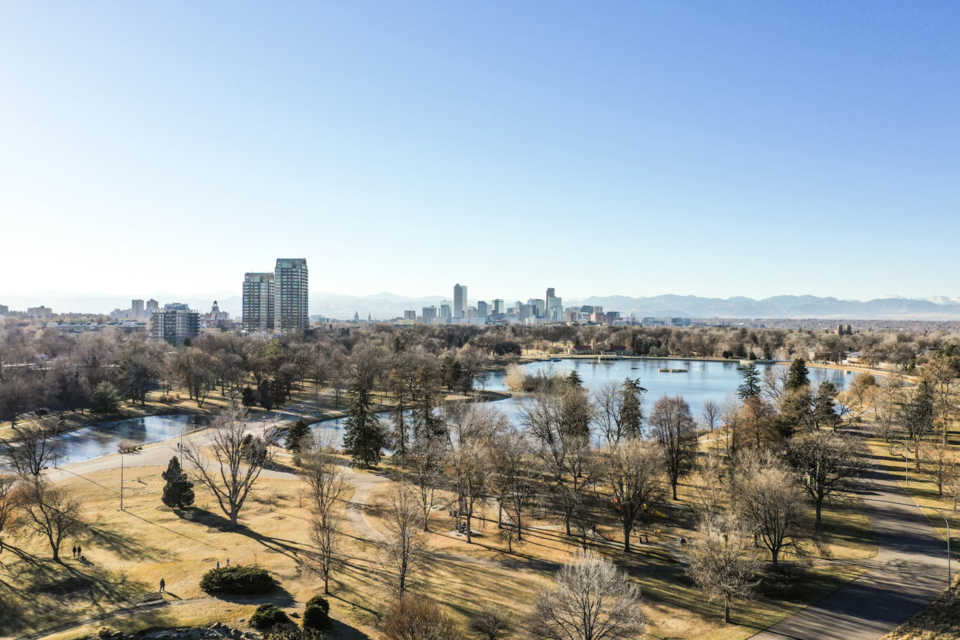
Photo by Cassie Gallegos on Unsplash
Safest Neighborhoods and Areas to Know
Location matters in Denver. A lot.
Navigating Denver’s safety often comes down to knowing specific neighborhoods. Many areas offer a high quality of life with lower crime incidents, though none are entirely immune to the city’s prevailing property crime trends.
Highlands Ranch
The verdict: Consistently ranks as one of the safest, most family-friendly suburbs.
Highlands Ranch provides a secure environment for residents, though it’s often noted for its quieter atmosphere and limited nightlife options. Think suburban lifestyle over urban energy.
Cherry Creek Denver
The verdict: Very safe and upscale.
This neighborhood attracts those seeking a refined urban experience. Despite its general safety, high-end retail theft and car break-ins still occur. Even in affluent areas, vigilance pays off.
Wash Park
The verdict: Highly desirable with very low violent crime rates.
Washington Park (Wash Park to locals) makes it a peaceful place to live. The catch? Its safety and amenities contribute to prohibitive housing costs, limiting accessibility for many potential residents.
Central Park (previously Stapleton)
The verdict: Very safe and family-oriented.
This neighborhood, once known as Stapleton, has gone by Central Park since residents voted on the rebrand back in 2020 — the name is now standard across city planning documents and most local sources, so it’s worth using consistently going forward rather than pairing the two names. The area offers numerous parks and community spaces. One quirk? This popular area experiences a high rate of “porch pirate” package thefts. Consider a lockbox for deliveries.
Broomfield
The verdict: The statistical winner.
For those prioritizing low crime rates, Broomfield stands out with a crime rate 56% lower than Denver’s. That’s a markedly safer community environment by any measure.
Areas With Higher Crime Rates
Not all Denver streets are created equal.
Understanding areas that demand higher situational awareness is crucial for anyone living in or visiting Denver. These locations present increased risks for petty crime, harassment, and other safety concerns.
Colfax Avenue
The reputation: Almost universally described as “sketchy” or “gritty.”
Colfax Avenue earns this reputation along its entire length through the city. Frequent solicitation and drug activity contribute to an unsafe perception.
The advice? Exercise caution here, especially after dark.
Is LoDo Safe at Night?
The short answer: Requires increased vigilance.
Downtown Denver and the LoDo (Lower Downtown) area see higher incidents of harassment and petty crime, particularly late at night near bars and entertainment venues. While vibrant and fun, these areas demand extra attention to personal belongings and surroundings.
Federal Boulevard
The consensus: Avoid at night.
Multiple sources advise steering clear of Federal Boulevard after dark due to erratic driving and higher crime reports. It’s a less safe corridor for travel once the sun goes down. Plan alternative routes or exercise extreme caution if passing through this area.
Five Points/RiNo
The transformation: From dangerous to trendy, but not quite there yet.
Historically considered dangerous, Five Points and the RiNo Art District are rapidly gentrifying, transforming into popular cultural hubs. Despite these developments, caution is still advised when walking alone at night. Lingering safety issues and unpredictable environments make awareness essential.
Photo by Acton Crawford on Unsplash
Public Transportation and Downtown Safety
Denver’s RTD system connects the city, but it comes with considerations.
Users frequently express safety concerns regarding the light rail and buses:
- Drug use and erratic behavior from passengers are common occurrences
- Coverage gaps don’t reach all suburbs effectively, limiting options for those without personal vehicles
- The A-Line commuter rail offers a bright spot, connecting Denver International Airport (DEN) to Union Station in about 37 minutes
Pro tip: When utilizing public spaces, keep eyes up and off phones. Enhanced situational awareness aids in overall personal safety.
Safety for Tourists and First-Time Visitors
Denver isn’t just another city. The Mile High elevation changes everything.
For tourists and first-time visitors, Denver presents unique environmental safety factors alongside typical urban precautions. Understanding these “insider rules” can significantly enhance any visit.
The Altitude Factor
Alcohol hits harder here. Drinks can feel twice as potent at Denver’s elevation of 5,280 feet. Moderation is strongly recommended to avoid unexpected intoxication. That second beer? It might feel like your fourth.
The sun is no joke. There’s 25% less protection from the sun at this altitude. Sunburn can occur much faster than at sea level, even on cloudy days.
Essential gear for any Denver visit:
- Sunscreen with SPF 30+ (yes, even in winter)
- Quality sunglasses to protect eyes from intense UV radiation
- Water bottle (seriously, bring one everywhere)
Convention and Event Safety
Remove that badge. Visitors attending conventions should take off their badges when leaving venues. Why? Criminals target visible conventioneers as potential marks. Simple precaution, significant impact.
Living in Denver as a Family or Young Professional
Denver’s appeal is undeniable. The reality? It comes with a price tag.
The city presents specific financial realities that impact overall “safety” and stability:
The Housing Crunch
- Expenses sit 30-36% above the national average
- Affordability is a primary concern for many
- Competition for desirable neighborhoods is fierce
The Economic Upside Denver offers a booming economy with robust opportunities:
- Strong job market in aerospace, technology, and healthcare sectors
- Career growth potential for skilled professionals
- Thriving entrepreneurial ecosystem
The Gentrification Reality
Rapid growth has a downside. This expansion has led to gentrification, causing tension and displacing long-time residents in historically affordable neighborhoods. It’s a social challenge the community continues to navigate.
Weather, Homelessness, and Other Safety Factors
Crime stats only tell part of the story.
Denver’s unique environment and social dynamics contribute to the overall safety picture in ways statistics can’t capture.
Altitude Adjustment
New residents often experience the altitude hit:
- Headaches and fatigue are common at 5,280 feet elevation
- Acclimation takes time (usually a few days to a week)
- Foods rich in potassium help: bananas, avocados, and greens
The Hydration Imperative
The dry climate demands attention. Drink twice as much water as normal to counteract the arid air and altitude. Dehydration sneaks up fast here.
Visible Homelessness
Transient activity is a reality in some areas, particularly Capitol Hill and downtown. This requires increased awareness of surroundings for residents and visitors alike. It’s part of the urban landscape that demands acknowledgment and compassion.
Practical Tips for Staying Safe in Denver
Knowledge is power. Here’s how to use it.
Armed with awareness, approaching Denver with confidence becomes possible. Implementing these practical tips helps avoid common risks and enhances the overall experience.
Bike Safety
Bicycle theft is rampant across the entire city. Not exaggerating here.
Protection strategies:
- Invest in heavy-duty locks (cheap ones won’t cut it)
- Never leave bikes outside overnight, even with a strong lock
- Consider indoor storage whenever possible
- Register bikes with local authorities
Car Safety
This one’s simple but crucial. Never leave valuables in cars.
It’s the number one way to avoid becoming a property crime statistic in Denver. Clear vehicles of all visible items. Secure them out of sight or take them along. That gym bag? That shopping bag? Even that change in the cupholder? Remove it all.
Night Safety
Travel in numbers when possible. Walking with friends or colleagues at night rather than alone increases personal safety, especially in less familiar areas.
Additional night safety measures:
- Utilize well-lit paths
- Stay aware of surroundings (not buried in phones)
- Trust instincts if something feels off
- Have rideshare apps ready
Emergency Response
Always call 911 for emergencies or to report suspicious activity. Prompt assistance can make all the difference when it matters most.
Frequently Asked Questions
Is Denver safe to live in?
Denver is a mixed bag when it comes to safety. Violent crime is relatively low compared to many major U.S. cities and has been trending downward, but property crime — especially bike theft, car break-ins, and package theft — remains common across most neighborhoods. Overall safety comes down heavily on which specific neighborhood you choose, how much situational awareness you practice, and taking basic precautions like never leaving valuables visible in a parked car.
What is the safest neighborhood in Denver?
Broomfield consistently comes out ahead on crime statistics, with a crime rate roughly 56% lower than Denver’s overall average. Highlands Ranch, Cherry Creek, Washington Park, and Central Park (formerly Stapleton) also rank among the safer, more family-friendly areas, though each comes with its own trade-offs, from higher housing costs to a higher rate of package theft.
Is Denver safe for tourists?
Yes, with some added awareness around Denver’s unique environment. Beyond typical urban precautions, tourists should account for the effects of high altitude — alcohol hits harder, sunburn happens faster, and dehydration sets in more quickly than at sea level. Areas like Colfax Avenue, Federal Boulevard, and downtown/LoDo late at night warrant extra caution, and conventiongoers should remove event badges before leaving a venue to avoid standing out as a target.
Make an Informed Decision About Denver
Here’s the bottom line.
Denver offers an incredible quality of life with stunning natural beauty, a thriving cultural scene, and countless opportunities for outdoor recreation. The safety challenges are real but manageable with awareness and preparation.
The key to enjoying Denver safely? Understanding which neighborhoods align with personal safety priorities, maintaining situational awareness, and taking practical precautions against property crime.
Whether considering a move or planning a visit, Denver rewards those who come prepared.
Ready to Explore Denver?
Start taking action today:
- Research specific neighborhoods that match lifestyle preferences and safety expectations
- Connect with local community groups for insider perspectives and real-time information
- Join neighborhood forums on platforms like Nextdoor or Reddit’s r/Denver
- Visit different areas at various times of day to get an authentic feel
Remember this: thousands of residents enjoy safe, fulfilling lives in the Mile High City every day. With the right knowledge and precautions, there’s no reason that can’t include anyone willing to embrace both the opportunities and realities of Denver living.
The adventure awaits. Make it a safe one.