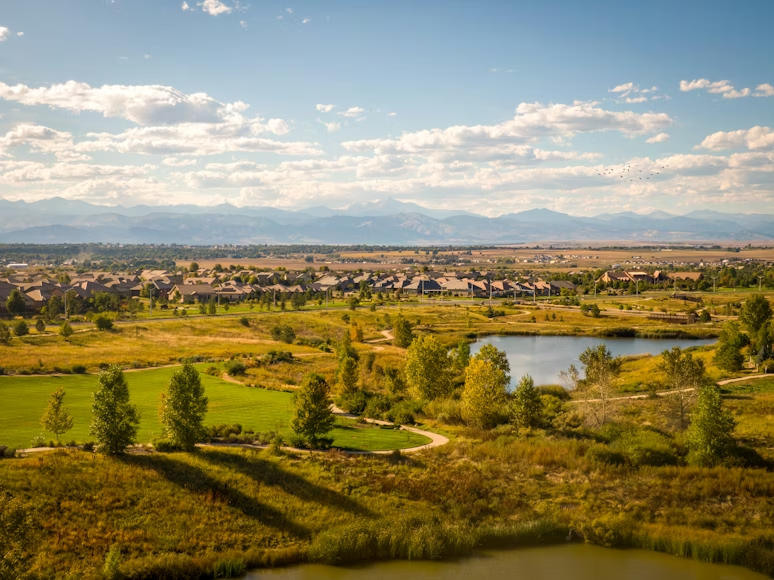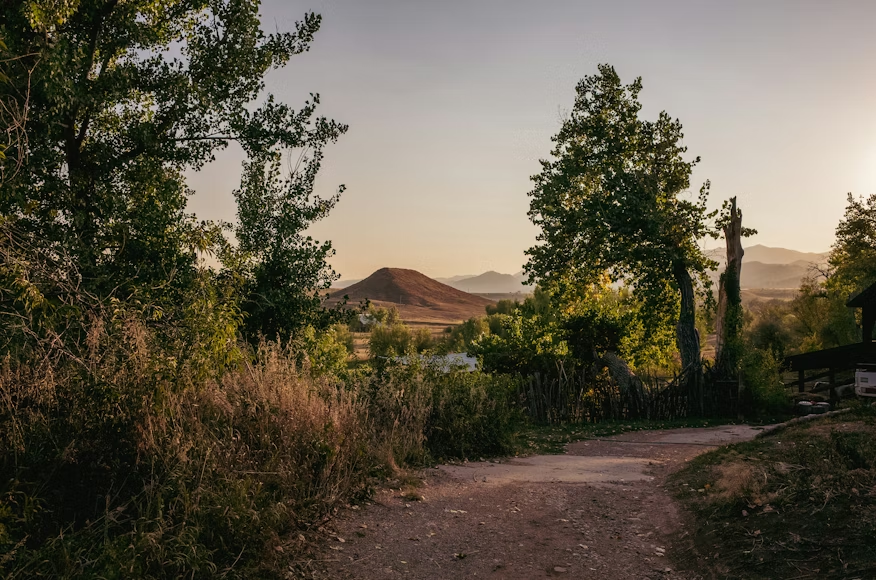
Colorado is known for its snowy winters, but not every part of the state experiences harsh cold. If you’re looking for a place with milder winter temperatures, you’ll want to explore the warmest places of Colorado. These areas see less snow and enjoy more sunny days, making them ideal for those who prefer a gentler winter. From lower elevations to desert climates, certain cities and towns offer a break from freezing temperatures. Let’s take a look at the best places to live for a warmer winter in Colorado.
The Warmest Places in Colorado
The warmest cities in Colorado generally sit at lower elevations, receive less snowfall, and enjoy more sunshine throughout the year. Based on average winter temperatures, snowfall totals, and local climate conditions, these are the warmest places in Colorado:
- Pueblo: The warmest Front Range city with mild winters and low annual snowfall
- Cañon City: Sheltered Arkansas River Valley location with average January highs around 47°F
- Grand Junction: Western Slope desert climate with abundant sunshine and relatively mild winters
- Trinidad: A southern Colorado city with warmer winter temperatures than much of the state
- Fruita: desert-like climate with sunny winters and limited snowfall
- Montrose: Western Slope community known for its mild high-desert climate and comfortable winters
- Salida: Part of Colorado’s famous “Banana Belt,” offering warmer winters than many mountain towns
- Denver: Frequent Chinook winds help moderate temperatures and melt snow quickly
- Colorado Springs: sunny Front Range city with moderate winters and easy access to outdoor recreation
- Fort Collins: Northern Colorado city with relatively mild winters and abundant sunshine
- Sterling: Dry northeastern Colorado climate with less snowfall than many higher-elevation areas
- Boulder: Benefits from plentiful sunshine and generally milder conditions than nearby mountain communities
Colorado’s Warmest Cities: Average Winter Temperatures
|
City |
Avg. Jan High (°F) |
Avg. Jan Low (°F) |
|
Grand Junction |
38°F |
20°F |
|
Pueblo |
47°F |
22°F |
|
Cañon City |
47°F |
23°F |
|
Trinidad |
47°F |
20°F |
|
Fruita |
38°F |
20°F |
|
Salida |
44°F |
14°F |
|
Montrose |
38°F |
16°F |
|
Denver |
45°F |
21°F |
|
Colorado Springs |
44°F |
19°F |
|
Fort Collins |
43°F |
19°F |
Data reflects long-term climate normals. Verify with NOAA or Weather.gov for the most current figures.
12 Warmest Parts of Colorado
1. Pueblo
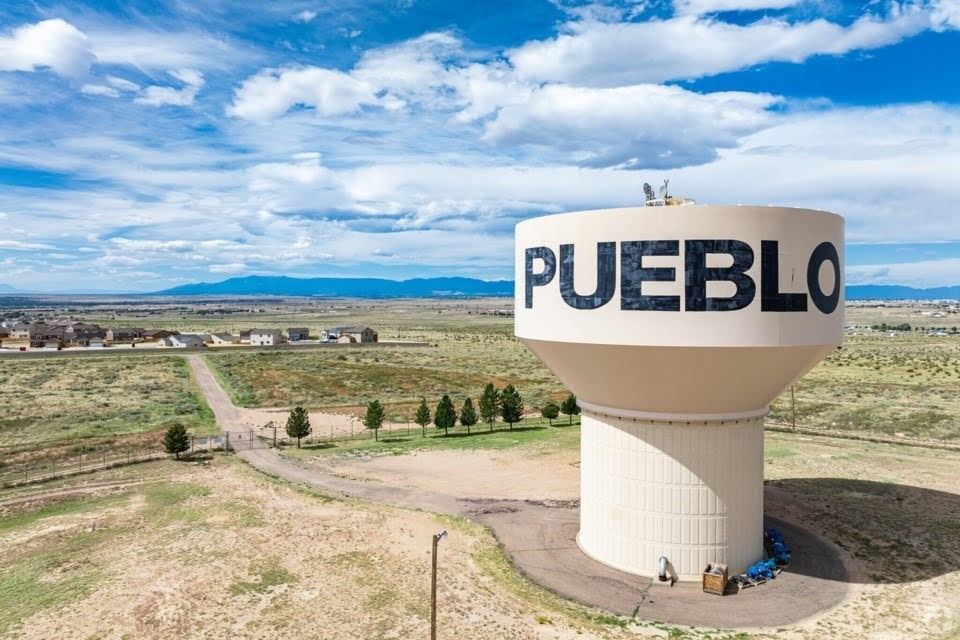
Located along the Arkansas River Valley in southern Colorado, Pueblo is widely recognized for its relatively mild winters compared to much of the state. Average January highs reach around 48°F, while lows hover near 15°F. The city receives about 28 inches of snow annually, significantly less than most mountain communities. Combined with its lower elevation and sunny climate, Pueblo is often considered one of Colorado’s warmer population centers during winter.
2. Cañon City
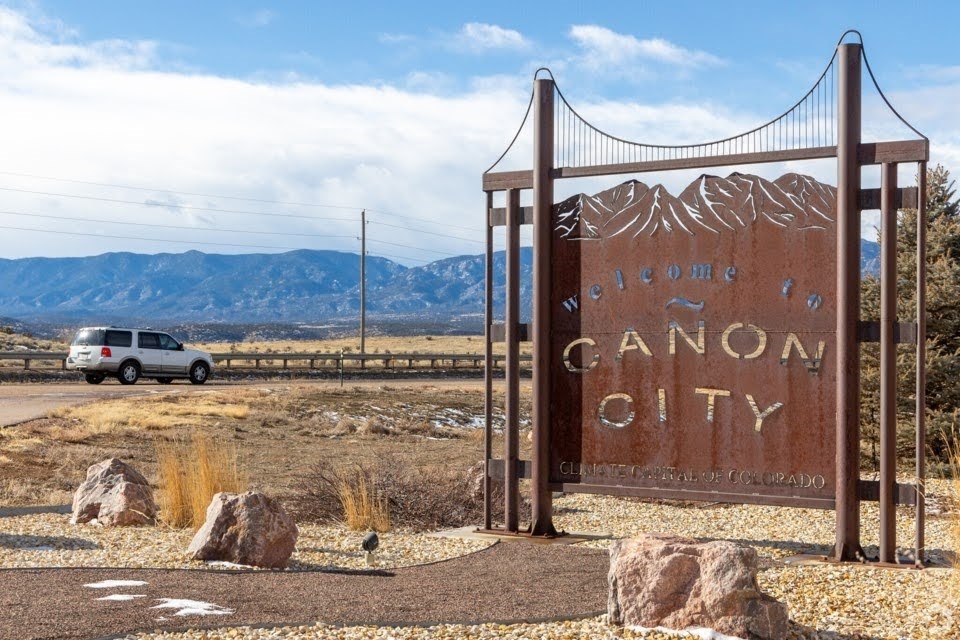
Cañon City has average January highs in the upper 40s and lows in the low-to-mid 20s, making it one of Colorado’s milder winter destinations. Its location in the Arkansas River Valley helps shield the city from some of the harsher winter weather seen in higher elevations.
Visitors can explore the famous Royal Gorge during the day before relaxing at some of the nearby hot springs Colorado has to offer.
3. Grand Junction
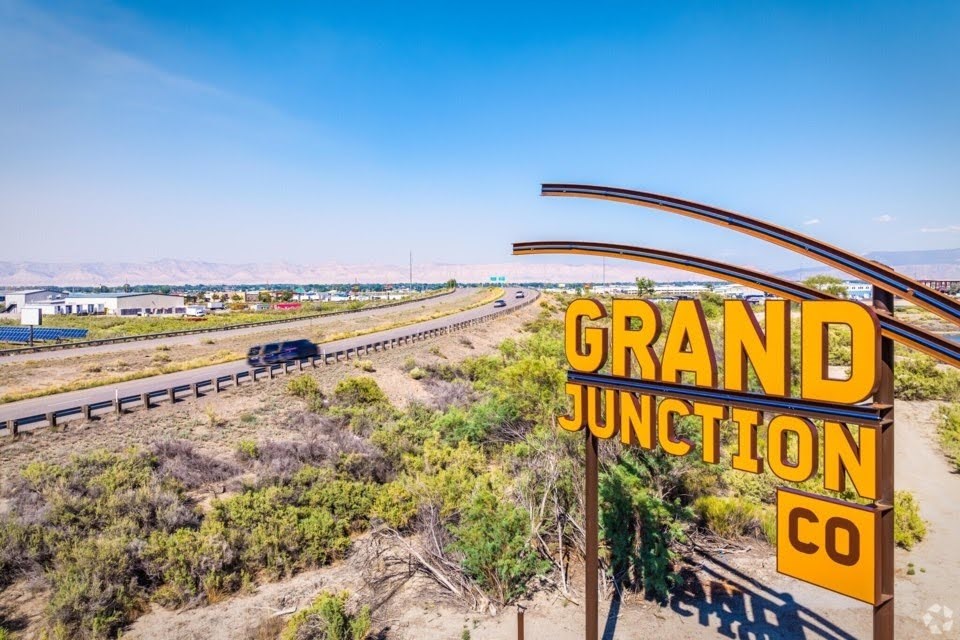
Grand Junction sits on Colorado’s Western Slope, surrounded by high desert landscapes that create one of the state’s driest and most temperate climates.
Winter temperatures are relatively mild, and snowfall is limited compared to the Front Range and mountain towns. The area is often described as having around 240–260 days of sunshine per year, depending on the source and measurement method.
Its semi-arid climate also makes Grand Junction a strong base for exploring some of the most beautiful places to visit in Colorado, especially the red rock landscapes around Colorado National Monument.
4. Trinidad
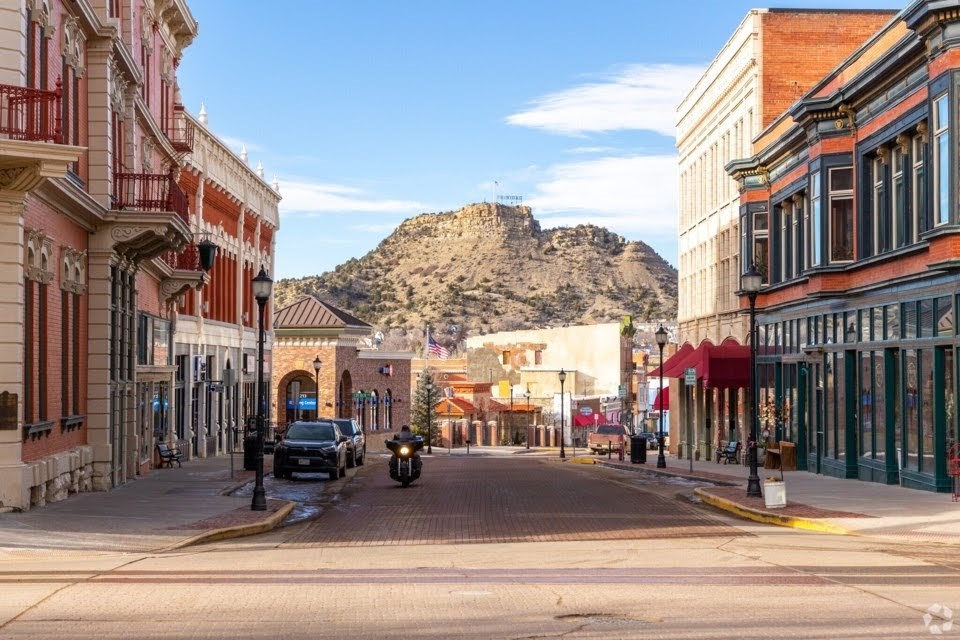
Near the New Mexico border, Trinidad benefits from a lower elevation and southern latitude compared to most of Colorado.
Winters are generally milder, with occasional snowfall but less persistence than in northern or mountainous regions. The climate is closer to high plains conditions, with warm summers and relatively manageable winter lows.
The city also serves as a convenient gateway to southern Colorado’s outdoor recreation and scenic drives.
5. Fruita
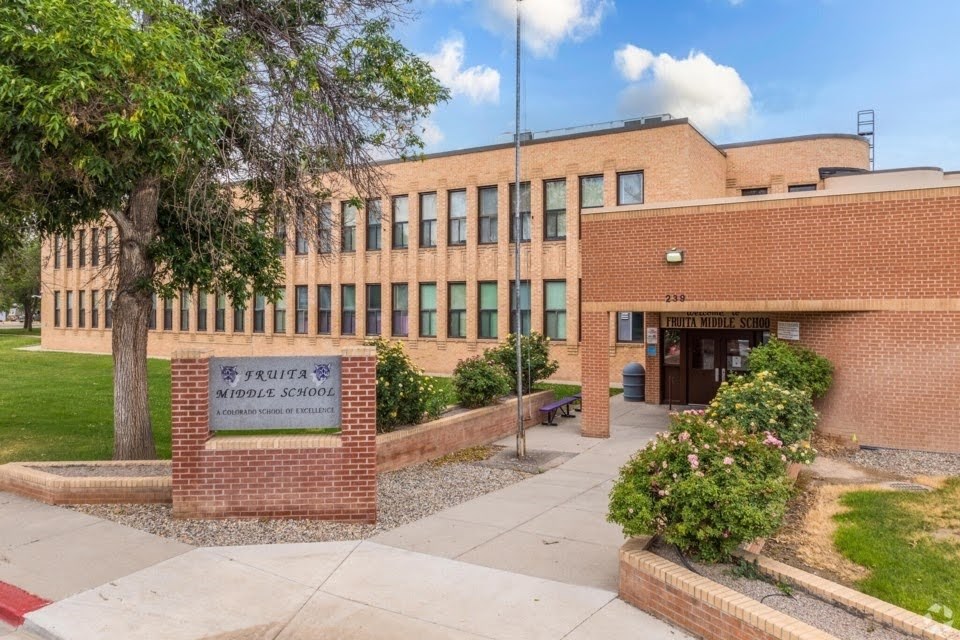
Just northwest of Grand Junction, Fruita shares the same Western Slope desert climate.
Winters are short and generally mild, with limited snow accumulation. The town is better known for its dry conditions, warm shoulder seasons, and year-round outdoor recreation, including biking and hiking in nearby canyon landscapes.
Fruita is often grouped with Grand Junction as part of Colorado’s warmest western corridor and is especially popular among mountain bikers thanks to its extensive trail network and long outdoor season.
6. Montrose
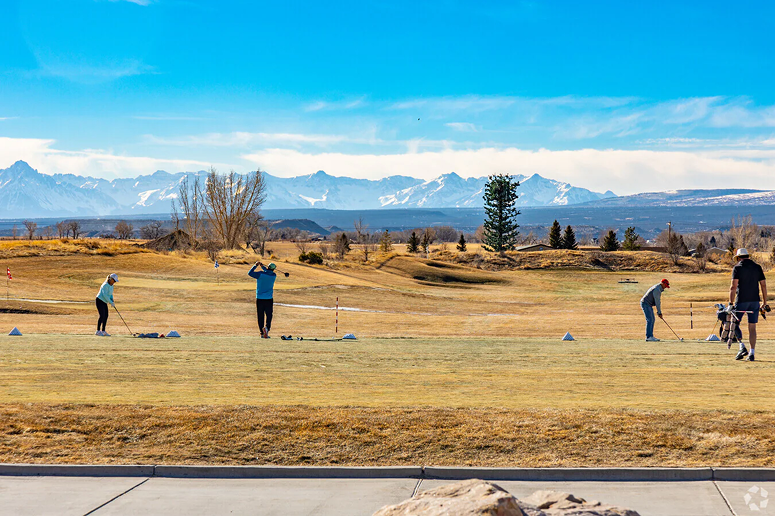
Montrose records average January highs near 38°F and lows around 16°F. Thanks to its Western Slope location, winters tend to be milder and sunnier than in many mountain communities throughout Colorado.
7. Salida
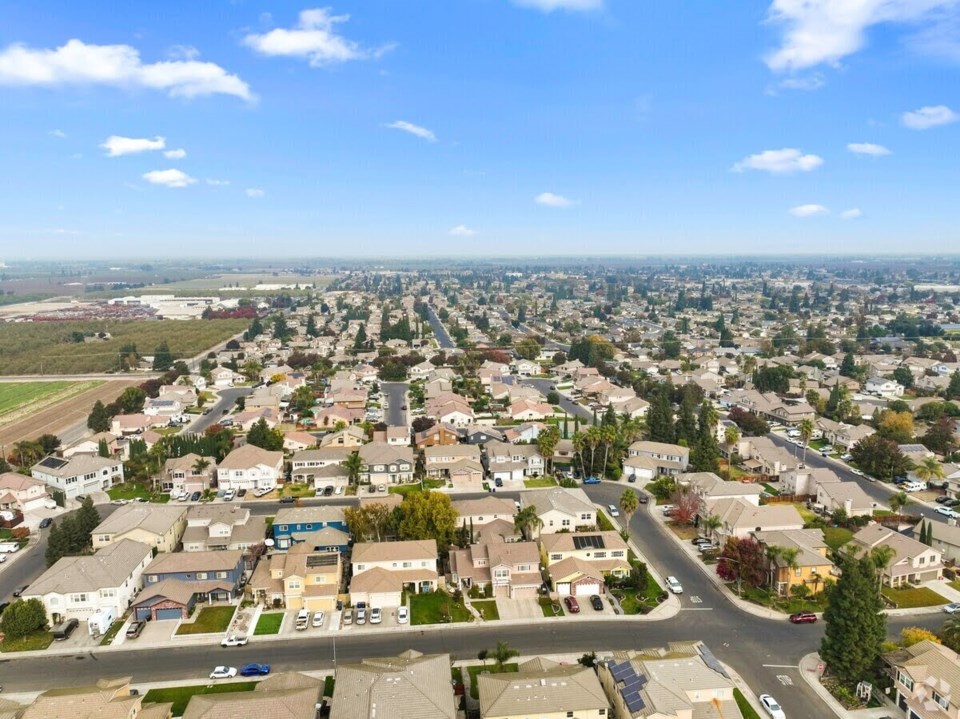
Despite sitting at 7,083 feet above sea level, Salida enjoys a surprisingly mild climate for a mountain town. Average January highs reach the low-to-mid 40s, while lows often fall into the teens.
The area’s famous “Banana Belt” microclimate helps create warmer and sunnier conditions than many nearby mountain communities. After a day of hiking, biking, or rafting, visitors can relax in the nearby hot springs near Salida and enjoy the region’s scenic mountain setting year-round.
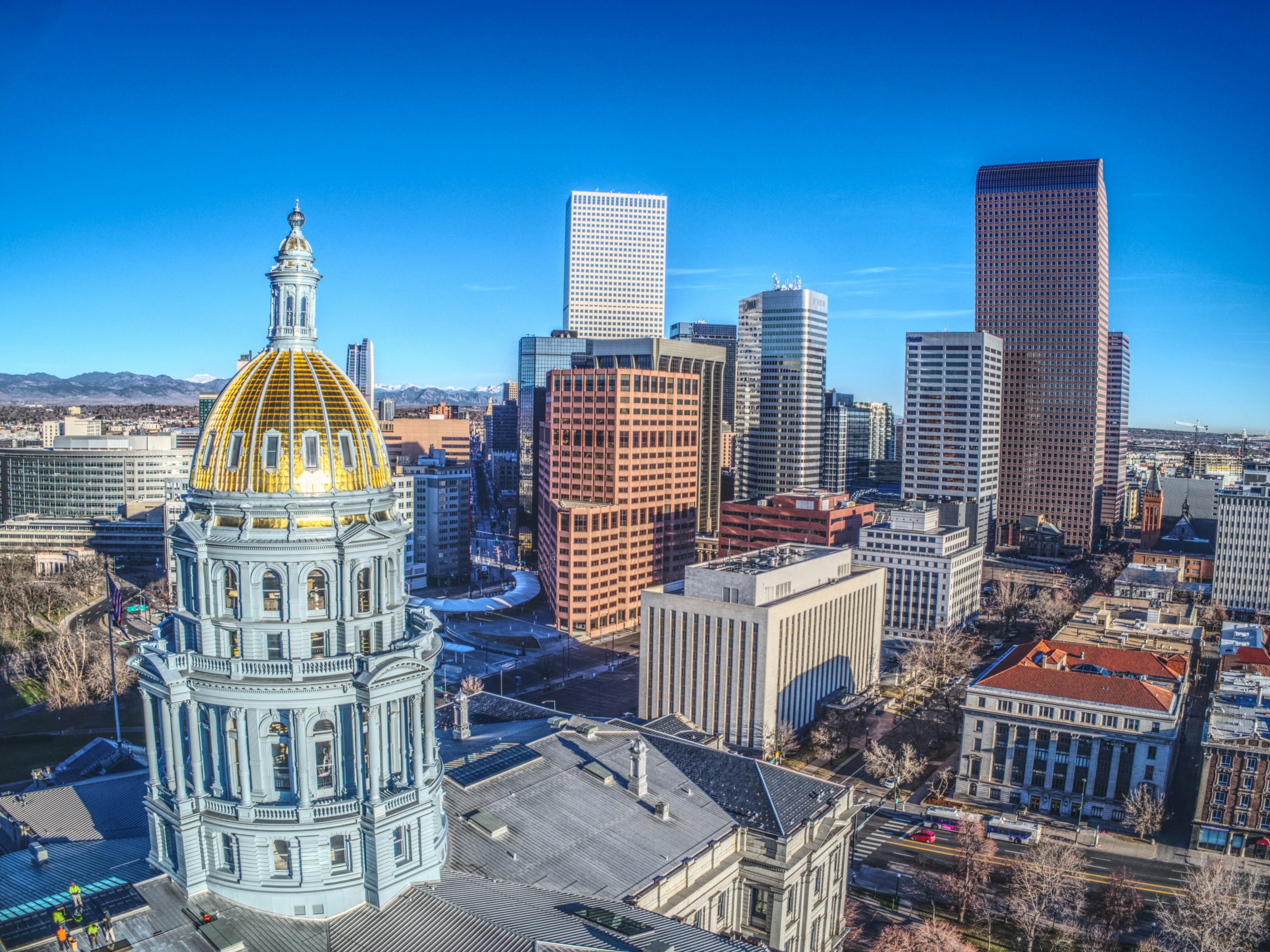
8. Denver
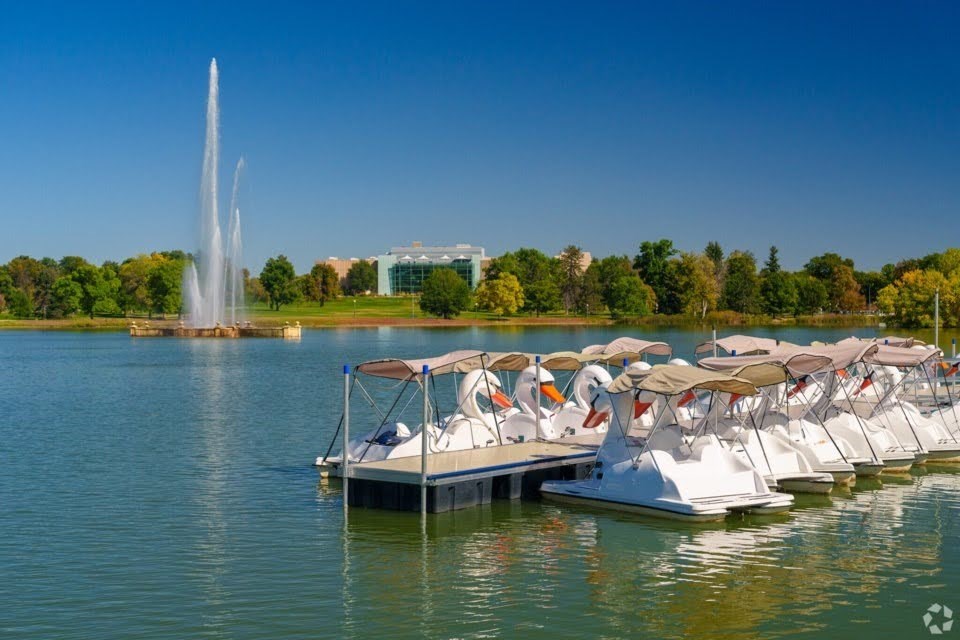
Denver sees plenty of winter sunshine, and Chinook-style warmups can help temperatures rebound quickly after snowstorms. Snow is common, but it often melts faster than visitors expect because of the city’s sun exposure and dry climate.
Denver also has plenty of attractions, from concerts and museums to a vibrant food scene. For those looking for a balance of warm and cool winter days, Denver is a solid choice. Even in the colder months, there are plenty of fun things to do in Colorado in November and beyond.
9. Colorado Springs
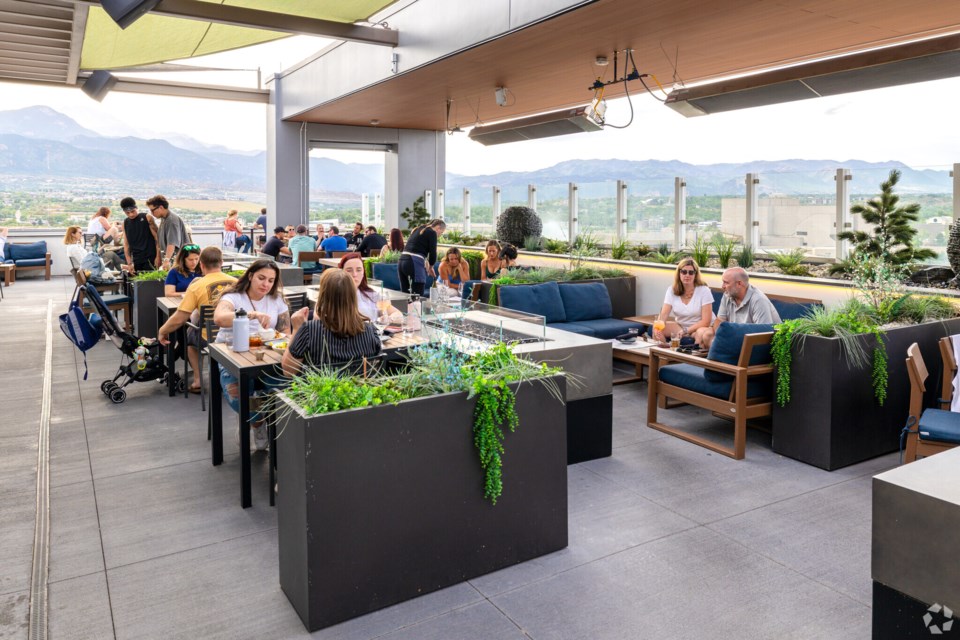
Colorado Springs sees average January highs near 44°F, lows around 19°F, and receives about 38 inches of snowfall annually. While winter weather is common, sunny days frequently help moderate conditions. Colorado Springs also offers a strong balance between outdoor lifestyle and urban amenities. Iconic attractions like Garden of the Gods and nearby hiking trails remain accessible throughout the year, making it a popular choice for those who want seasonal winter weather without extreme cold for long stretches
10. Fort Collins
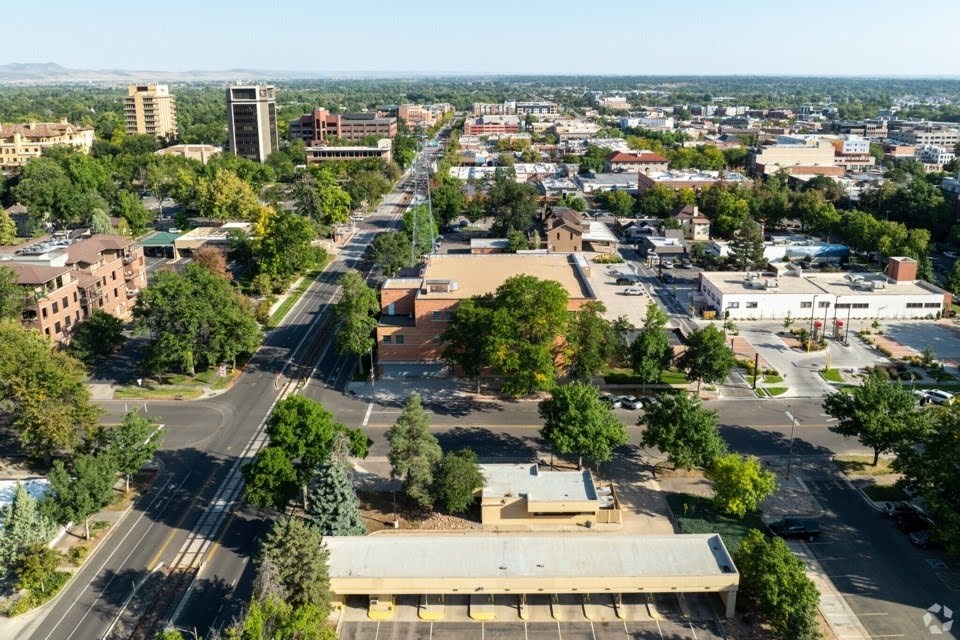
While not among the warmest places in Colorado, Fort Collins offers a relatively moderate winter climate compared to many higher-elevation communities. Fort Collins records average January highs around 43°F, lows near 19°F, and roughly 48 inches of snow annually.
Despite its northern location, the city enjoys many sunny winter days. Outdoor enthusiasts can still enjoy hiking and biking thanks to the city’s well-maintained trails. Fort Collins offers a comfortable balance between seasonal weather and a relatively mild winter climate.
11. Sterling
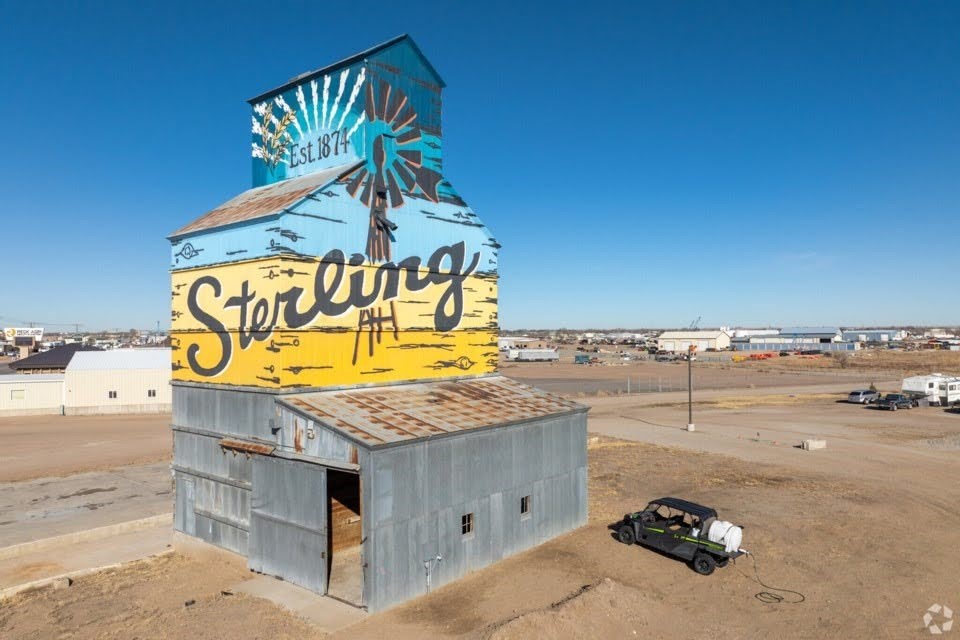
Sterling experiences average January highs around 43°F and lows near 18°F. Located on Colorado’s northeastern plains, it gets about 24 inches of snow annually, which is much lower than many mountain communities.
Its open plains setting also brings plenty of winter sunshine, though cold snaps and wind can still be part of the season.
12. Boulder
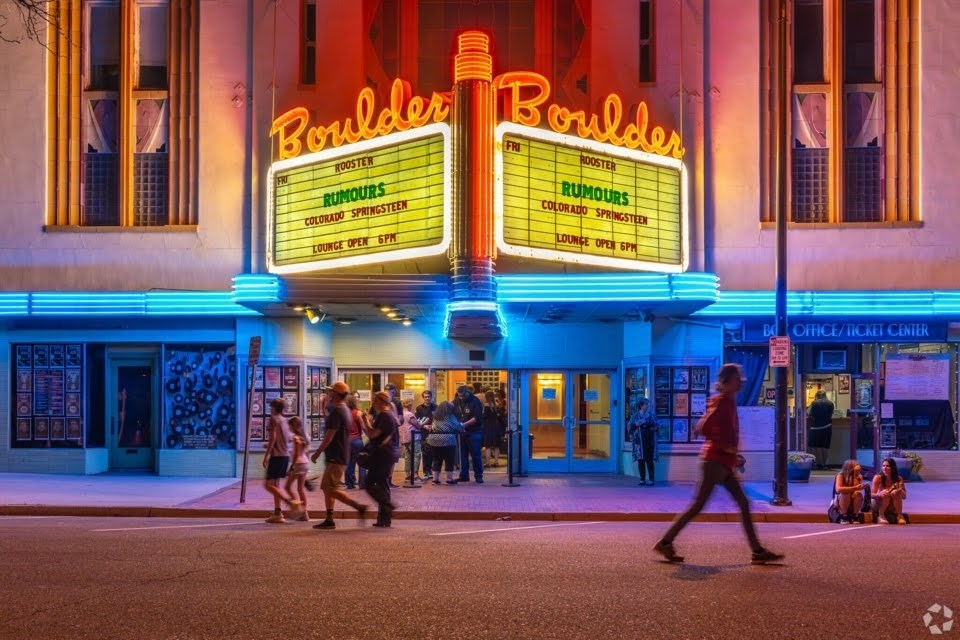
Boulder enjoys average January highs in the mid-40s, lows near the low 20s, and benefits from frequent sunshine and Chinook winds that help moderate winter conditions. The city enjoys sunny days even in the colder months, helping snow melt faster and keeping the roads clear. With its strong outdoor culture, residents can still hike and explore nature year-round.
The Flatirons provide a breathtaking backdrop, and the lively downtown adds to Boulder’s appeal. While Boulder isn’t one of Colorado’s warmest cities, its combination of sunshine, Chinook winds, and outdoor access makes winter feel considerably milder than many visitors expect.
Why Are Some Parts of Colorado Warmer?
Colorado has a mix of high mountains and lower valleys, which greatly affects the climate. The warmest parts of Colorado, like Pueblo and Grand Junction, sit at lower elevations where there is less snowfall and more sunshine. This keeps winter temperatures milder, making these areas more comfortable during colder months.
Another factor is geography. Cities like Trinidad and Fruita are in drier regions, meaning they don’t get as much cold air from the mountains. This allows them to stay warmer compared to higher-elevation towns, making them ideal for those looking for a mild climate year-round.
Tips for Living in Warmer Colorado Areas
Warmer parts of Colorado still enjoy the state’s signature beauty—just with milder winters and a drier climate. With a few adjustments, you can enjoy comfortable living and outdoor fun nearly year-round.
- Use a humidifier indoors – The dry air in cities like Pueblo or Grand Junction can affect your skin and sinuses, especially in winter.
- Stay hydrated and use moisturizer – The arid climate means you’ll need to drink more water and care for your skin regularly.
- Dress in layers for temperature swings – Even warm areas can have chilly mornings and hot afternoons, so be prepared.
- Take advantage of year-round outdoor activities – Warmer towns offer great conditions for hiking, biking, and walking in all seasons.
- Protect yourself from the sun – With more sunny days, wear sunscreen and hats even during cooler months.
Best Places to Retire in Warm Colorado
Retiring in Colorado doesn’t have to mean enduring harsh winters. Several towns combine warmth, affordability, and a relaxed pace—ideal for those looking to enjoy their golden years.
- Cañon City – Offers a warm climate, affordable housing, and access to outdoor spots like the Royal Gorge.
- Grand Junction – Known for wine country, sunny weather, and scenic views without heavy snowfall.
- Trinidad – A quiet, artsy town with mild winters and a welcoming small-town feel.
- Boulder – A bit pricier, but offers top-notch healthcare, walkable neighborhoods, and endless outdoor trails.
- Fort Collins – Combines cultural events, quality medical facilities, and a vibrant but laid-back atmosphere.
When Does it Snow in Colorado?
Snow in Colorado can start as early as October and last through April, depending on where you are in the state. Because of Colorado’s dramatic elevation changes from the Rocky Mountains to lower plains and valleys the timing and amount of snowfall vary widely between regions.
In mountain towns like Aspen, Breckenridge, and Vail, snow typically begins in late October or early November and can last into May, creating ideal conditions for skiing and winter sports. These areas often receive hundreds of inches of snow each season. If you’re looking to hit the slopes without breaking the bank, check out these cheapest ski resorts in Colorado for budget skiers.
Meanwhile, Denver weather and lower-elevation cities such as Pueblo, Grand Junction, and Cañon City experience a shorter snow season. In these warmer regions, snow usually appears between November and March, and it often melts within a day or two due to frequent sunshine.
If you want to know more about this topic, you can read: When Does It Snow in Colorado
Final Thoughts on the Warmest Parts of Colorado
If you’re looking for a place in Colorado with mild winters and plenty of sunshine, cities like Pueblo, Grand Junction, and Cañon City are great options. These areas offer comfortable year-round temperatures, making them perfect for outdoor activities and a more relaxed lifestyle. Whether you’re moving or just visiting, the warmest parts of Colorado provide a welcoming climate without the harsh winter chill.