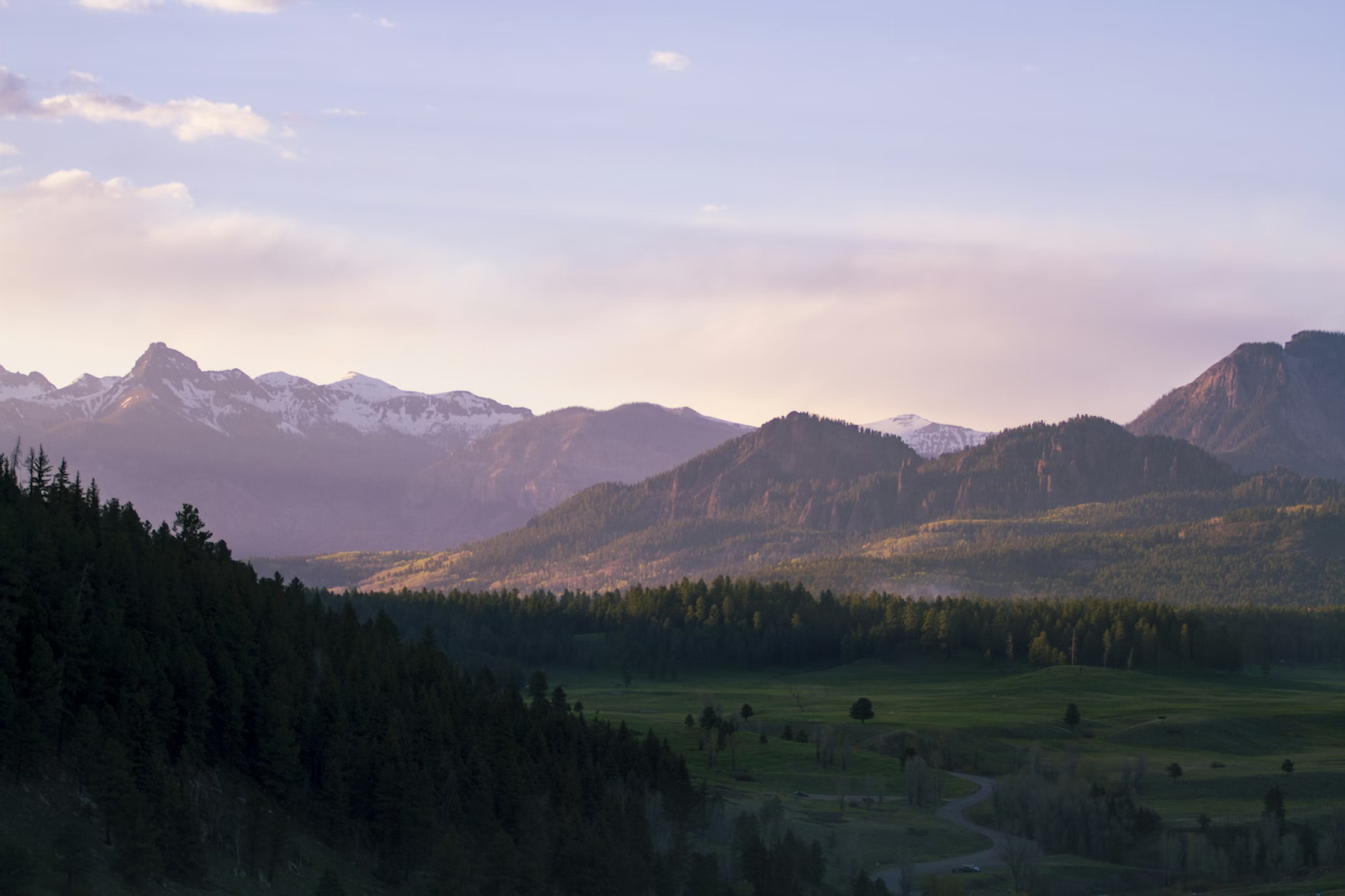
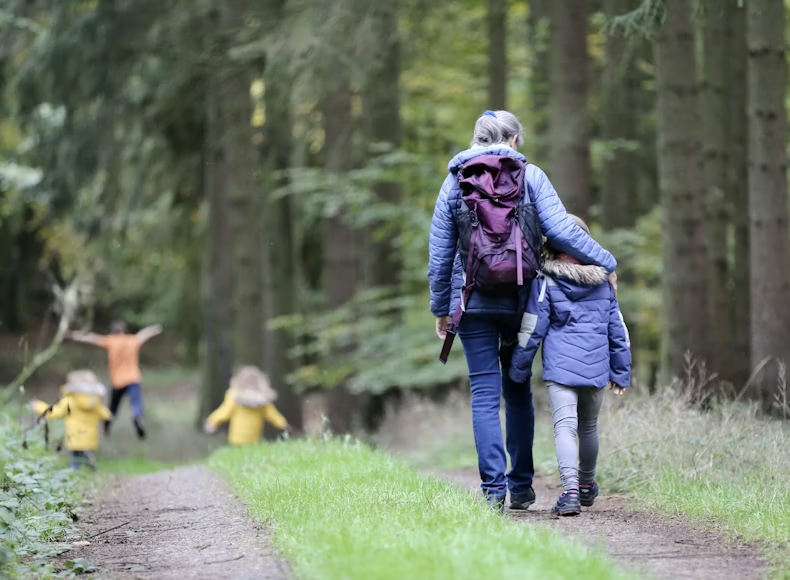
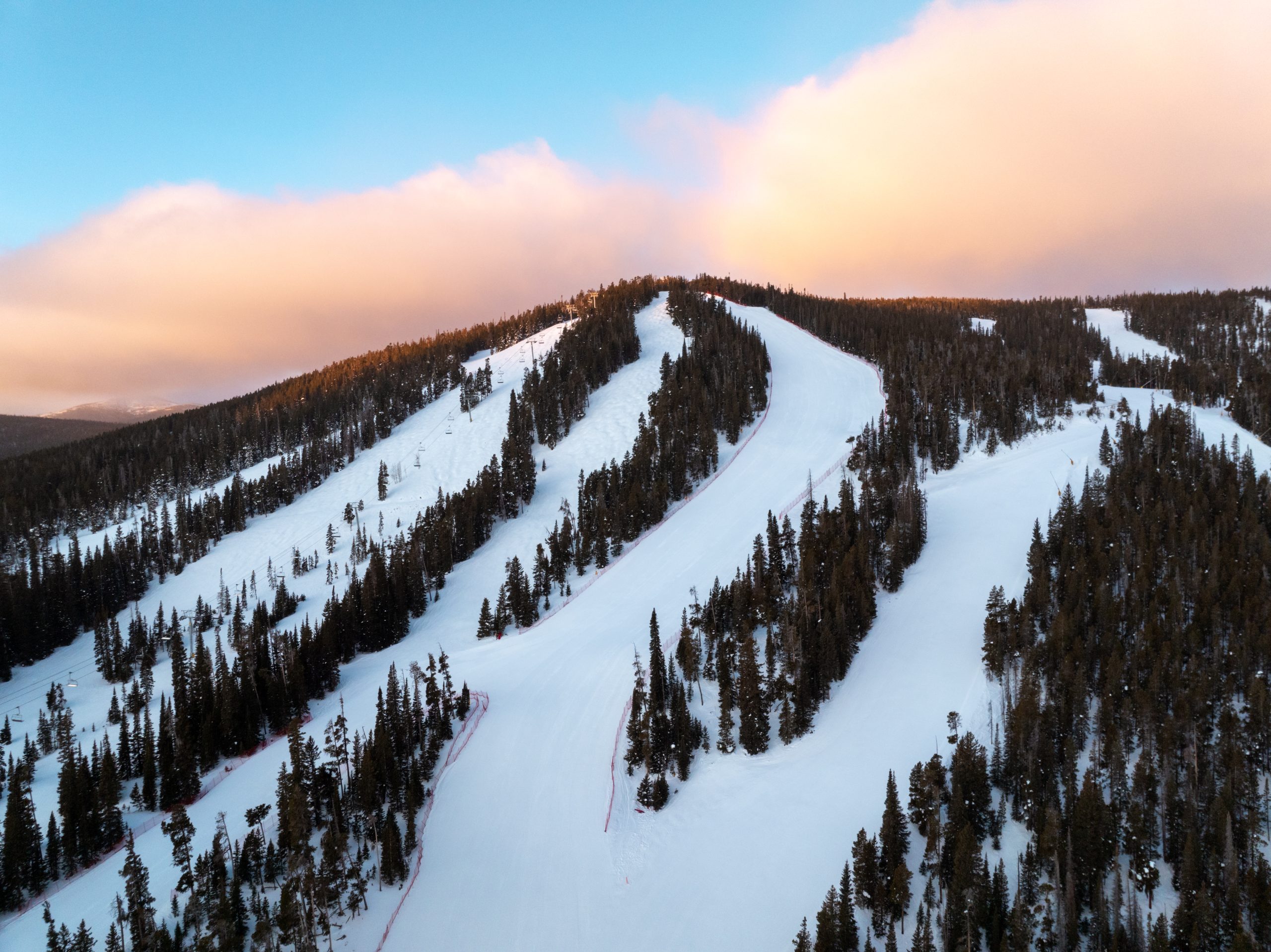
The Rocky Mountains offer legendary trails that attract outdoor enthusiasts from around the world.
The Rocky Mountains offer legendary trails that attract outdoor enthusiasts from around the world. Whether someone is taking their first steps on a mountain path or summiting their tenth fourteener, Colorado provides endless opportunities for adventure. Planning a successful trek requires careful consideration of trail difficulty, elevation gain, and personal fitness levels.
Every trail tells a different story. Some wind through red rock formations that look like they belong on Mars. Others climb to alpine lakes so blue they seem painted. A few scramble over boulders to reach glacial basins surrounded by jagged peaks. The key is matching the right trail to personal abilities and goals.
This guide breaks down the top-rated trails across the state, organized by difficulty level. Each hike comes with specific details about distance, elevation gain, and what makes it special. Think of it as a roadmap for finding the perfect mountain experience.
Understanding Trail Difficulty Levels
Trail ratings serve as a critical starting point for trip planning. A "moderate" hike for an experienced mountaineer might feel strenuous to someone just starting out. Understanding what these ratings mean helps avoid overcommitment and ensures an enjoyable day outdoors.
Easy trails typically feature gentle grades, well-maintained paths, and minimal elevation gain. These routes work well for families, anyone adjusting to altitude, or those seeking a relaxing walk in nature. Most cover between one and three miles with fewer than 500 feet of elevation change.
Moderate hikes step up the challenge with longer distances, rockier terrain, and steeper sections. Elevation gains usually fall between 500 and 1,500 feet over three to seven miles. These trails reward effort with stunning viewpoints and alpine scenery.
Strenuous routes demand serious physical conditioning and mental preparation. Expect steep climbs, technical scrambles, and distances exceeding seven miles. Elevation gains often surpass 1,500 feet, with some fourteeners requiring climbs of over 3,000 vertical feet. These adventures deliver unforgettable experiences but require respect and preparation.
Meg Atteberry of Fox in the Forest emphasizes selecting paths that match current capabilities rather than aspirations. Starting with easier trails builds confidence and allows bodies to adapt to altitude before tackling more demanding routes.
Best Easy Hikes in Colorado for Beginners
Perkins Central Garden Trail
Garden of the Gods in Colorado Springs features one of the most accessible and visually striking easy hikes in the state. The Perkins Central Garden Trail creates a 1.5-mile paved loop that winds between towering sandstone formations. These rust-colored rocks jut from the earth at dramatic angles, creating natural sculptures against the blue Colorado sky.
The flat, paved surface accommodates strollers, wheelchairs, and visitors of all ages. No specialized gear is required beyond comfortable walking shoes. The trail provides an excellent warm-up before catching a Denver Nuggets game at Ball Arena or serves as a perfect introduction to Colorado's unique geology.
Trail Stats:
Distance: 1.5 miles (loop)
Elevation Gain: Minimal
Difficulty: Easy
Best For: Families, first-time visitors, accessibility needs
Fountain Valley Trail
Roxborough State Park sits just southwest of Denver, offering a 2.2-mile loop through dramatic red rock formations. The Fountain Valley Trail showcases the same geological layers that created the famous Flatirons near Boulder but in a quieter, less crowded setting.
The path meanders through prairie grasslands before entering a valley flanked by tilted sandstone slabs. Wildlife sightings are common, especially in early morning or evening hours. Deer, rabbits, and various bird species call this park home.
Trail Stats:
Distance: 2.2 miles (loop)
Elevation Gain: 300 feet
Difficulty: Easy
Best For: Photography, geology enthusiasts, peaceful walks
Paradise Cove
For those seeking the best lakes to swim in Colorado for a refreshing dip, Paradise Cove delivers both a gentle hike and potential water access. This short 1.0-mile trail gains just 147 feet, making it an ideal choice for a leisurely afternoon.
The path leads to a scenic cove area where visitors can relax by the water and enjoy mountain views. It works particularly well as a family outing destination or an easy add-on to other activities in the area.
Trail Stats:
Distance: 1.0 mile
Elevation Gain: 147 feet
Difficulty: Easy
Best For: Quick outings, families with young children
Best Intermediate Hikes for Moderate Adventurers
Royal Arch Trail
Chautauqua Park in Boulder serves as the trailhead for one of the Front Range's most popular moderate hikes. The Royal Arch Trail climbs 3.4 miles roundtrip to a massive natural stone arch perched on the mountainside. The arch frames stunning views of Boulder valley and the plains stretching to the eastern horizon.
The trail starts gently but increases in steepness as it climbs through pine forests. Several switchbacks ease the grade, though some sections demand steady effort. The final approach to the arch involves a short scramble over rocks, adding a touch of adventure to the journey.
Sturdy hiking boots provide essential ankle support on the rocky sections. Bringing plenty of water is crucial, as exposed areas offer little shade during summer months. The hike requires more stamina than a casual stroll at Coors Field during a Colorado Rockies game but rewards the effort with memorable views.
Trail Stats:
Distance: 3.4 miles (roundtrip)
Elevation Gain: 1,300 feet
Difficulty: Moderate
Best For: Boulder visitors, arch photography, half-day adventures
Lake Isabelle Trail
The Indian Peaks Wilderness protects some of Colorado's most pristine alpine landscape. Lake Isabelle Trail offers a 7-mile roundtrip journey to a stunning high-altitude lake surrounded by dramatic peaks and remnant glaciers.
The trail begins at Brainard Lake, already sitting above 10,000 feet. A well-maintained path winds through subalpine forests before breaking into open tundra. The final approach to Lake Isabelle reveals turquoise waters reflecting the surrounding peaks.
Wildflowers carpet the meadows in July and August, creating spectacular displays of color. Early season hikers may encounter snowfields, adding to the alpine character. The 902-foot elevation gain feels manageable given the trail's length and steady grade.
Trail Stats:
Distance: 7 miles (roundtrip)
Elevation Gain: 902 feet
Difficulty: Moderate
Best For: Alpine lake lovers, wildflower viewing, photography
Panorama Point
For those seeking sweeping vistas without the commitment of an all-day trek, Panorama Point delivers exactly what its name promises. This 2.9-mile trail climbs 649 feet to an overlook providing 360-degree views of the surrounding landscape.
The path maintains a moderate grade throughout, with no technical sections or scrambling required. It serves as an excellent conditioning hike for those preparing for more challenging routes or simply seeking a satisfying morning workout with a view.
Trail Stats:
Distance: 2.9 miles (roundtrip)
Elevation Gain: 649 feet
Difficulty: Moderate
Best For: Viewpoints, training hikes, morning workouts
Most Challenging Hikes in Colorado for Experienced Trekkers
Photo by Peter Pryharski on Unsplash
Sky Pond via Glacier Gorge
Rocky Mountain National Park contains some of the state's most spectacular alpine scenery, and Sky Pond stands among its crown jewels. This 8.6-mile roundtrip journey climbs 1,771 feet through a glacially carved valley to a pristine alpine basin.
The adventure begins at the Glacier Gorge trailhead, following a well-traveled path past Alberta Falls. The route then splits toward the Loch, a beautiful subalpine lake. The real adventure starts beyond the Loch as the trail steepens and the terrain becomes more challenging.
Timberline Falls presents the hike's crux: a physical scramble up water-slicked rocks alongside cascading water. Fixed cables assist the climb, but hikers need both hands and solid footing. Beyond the falls, the trail mellows as it approaches Sky Pond, nestled in a dramatic cirque surrounded by jagged peaks.
This demanding route requires early starts to secure parking and avoid afternoon thunderstorms. The elevation and exposure make it unsuitable for anyone not properly acclimatized to altitude. However, those who make the effort discover why this trail consistently ranks among best hikes near Denver.
Trail Stats:
Distance: 8.6 miles (roundtrip)
Elevation Gain: 1,771 feet
Difficulty: Strenuous
Best For: Scrambling enthusiasts, alpine scenery, experienced hikers
Mount Bierstadt
Colorado's fourteeners attract peak baggers from around the world, and Mount Bierstadt serves as one of the most accessible 14,000-foot summits. The 7-mile roundtrip climb tests endurance but requires no technical climbing skills under good conditions.
The trail begins at Guanella Pass, already sitting above 11,000 feet. An initial flat section crosses wetlands before the path turns upward. The route climbs steadily through willow thickets and across alpine tundra. The final approach to the summit involves boulder-hopping and scrambling over larger rocks.
Thin air at this elevation makes every step more challenging. Even fit hikers feel the effects of reduced oxygen above 13,000 feet. The reward for this effort? Standing on a summit where views stretch for miles in every direction, with fellow fourteeners marching across the horizon.
Weather changes rapidly at high altitude. Morning sunshine can turn to dangerous lightning storms by afternoon. Starting before dawn gives the best chance of reaching the summit and descending before weather deteriorates.
Trail Stats:
Distance: 7 miles (roundtrip)
Elevation Gain: 2,850 feet
Difficulty: Strenuous
Best For: Fourteener beginners, peak baggers, alpine tundra experience
Ice Lakes Trail
Near Silverton in the San Juan Mountains, Ice Lakes Trail climbs 7 miles roundtrip with a brutal 2,430-foot elevation gain. The trail passes through aspen groves, climbs steep switchbacks, and finally opens into an alpine basin containing some of the state's most brilliantly colored lakes.
The lower ice lake displays a stunning turquoise hue, while the upper basin's waters reflect shades of blue and green. Surrounding peaks complete the scene with their rocky summits and remnant snowfields.
This strenuous hike demands respect. The elevation gain comes quickly over relatively short distance, making the climb feel relentless. Proper pacing and regular breaks help manage the effort. The spectacular destination makes every upward step worthwhile.
Trail Stats:
Distance: 7 miles (roundtrip)
Elevation Gain: 2,430 feet
Difficulty: Strenuous
Best For: Alpine lakes, wildflowers, challenging climbs
Critical Safety Considerations for Mountain Hiking
Permit Requirements and Regulations
Some of Colorado's most popular trails require permits to manage visitor numbers and protect fragile ecosystems. Hanging Lake near Glenwood Springs operates under a mandatory reservation system. No permit means no access, regardless of when hikers arrive at the trailhead.
This system protects the delicate travertine formations and rare Hanging Lake that give the trail its name. The limited number of daily visitors helps preserve the site for future generations. Checking permit requirements before leaving home prevents disappointment and wasted trips.
Rocky Mountain National Park similarly requires timed-entry permits during peak season. Wilderness areas may have overnight camping limits. Researching regulations ahead of time ensures smooth trips and demonstrates respect for these protected landscapes.
Weather and Altitude Awareness
Mountain weather operates on its own schedule, often contradicting valley forecasts. Kylie Bearse, who runs the Approachable Outdoors blog, uses her meteorological expertise to help hikers understand alpine weather patterns. Her guidance emphasizes checking forecasts immediately before trips and watching for developing storms throughout the day.
Afternoon thunderstorms develop with startling regularity during summer months. Lightning poses a deadly threat on exposed ridges and summits. Starting early allows reaching high points and descending below the treeline before storms build.
Altitude affects everyone differently, but its impact becomes unavoidable above 10,000 feet. Headaches, nausea, and fatigue signal the body's struggle to adapt to reduced oxygen. Drinking extra water helps combat altitude effects, though some people need multiple days to acclimatize properly.
Essential Gear and Preparation
Even day hikes require proper preparation. Top outdoor activities in Denver for adventure enthusiasts demand respect and planning. A basic safety checklist includes:
Navigation:
Trail map (paper backup to phone)
Compass or GPS device
Fully charged phone
Sun Protection:
Sunscreen (high SPF for altitude)
Sunglasses with UV protection
Wide-brimmed hat
Insulation:
Extra layers (temperatures drop fast at altitude)
Rain jacket and pants
Emergency blanket
Illumination:
Headlamp with extra batteries
Backup light source
First-Aid Supplies:
Basic first-aid kit
Personal medications
Blister treatment
Fire:
Waterproof matches or lighter
Emergency fire starter
Nutrition:
Extra food beyond planned needs
High-energy snacks
Hydration:
More water than expected to need
Water purification method
Emergency Communication:
Satellite communicator for remote areas
Whistle for signaling
This gear list might seem excessive for a short day hike, but conditions change rapidly in the mountains. Being prepared for unexpected situations can mean the difference between an uncomfortable experience and a dangerous emergency.
Photo by Clint McKoy on Unsplash
Prime National Parks and Wilderness Areas
Rocky Mountain National Park
As Colorado's premier alpine destination, Rocky Mountain National Park contains over 350 miles of trails. The park's dramatic landscapes range from montane forests to arctic tundra. Iconic routes like Sky Pond showcase glacially carved valleys and pristine alpine lakes.
Trail Ridge Road, the highest continuous paved road in North America, provides access to high-altitude trailheads. The park requires timed-entry permits during peak season, so planning ahead is essential. Early reservations often sell out months in advance for summer weekends.
San Juan Mountains
The San Juan range in southwestern Colorado offers rugged peaks and stunning alpine scenery with fewer crowds than some Front Range destinations. Ice Lakes Trail represents just one of many spectacular routes threading through this wilderness.
The region's remoteness provides a sense of solitude increasingly rare in popular recreation areas. Mining ghost towns and historic sites add cultural interest to natural beauty. For those seeking to explore the best caves in Colorado for adventure seekers, the San Juans offer unique geological features alongside traditional trails.
Indian Peaks Wilderness
Straddling the Continental Divide west of Boulder, the Indian Peaks Wilderness protects pristine alpine terrain remarkably close to major population centers. Lake Isabelle and the surrounding trails provide easy access to high-country scenery without requiring long drives or extensive backpacking.
The area's popularity means early arrivals claim parking spots, especially on summer weekends. Weekday visits or shoulder-season trips offer quieter experiences. The wilderness designation prohibits motorized vehicles and limits group sizes to protect the landscape.
Seasonal Considerations and Trail Conditions
Spring Hiking (April-June)
Lower elevation trails dry out first, making spring an excellent time for foothills hikes. Red rock formations around Garden of the Gods and Roxborough State Park shine in spring light. Snowmelt swells waterfalls to their most impressive flows.
High-altitude trails remain snow-covered well into June. Attempting fourteeners or alpine routes during these months requires winter mountaineering skills and equipment. Checking recent trail reports prevents surprises.
Summer Hiking (July-August)
Peak season brings crowds but also optimal conditions for high-altitude adventures. Wildflowers bloom across alpine meadows in waves of color. Most trails reach snow-free conditions, though some north-facing slopes retain snowfields year-round.
Afternoon thunderstorms develop reliably during these months. Lightning danger requires early starts and flexibility to descend quickly if storms build. Despite the challenges, summer offers the most accessible window for experiencing Colorado's highest trails.
Fall Hiking (September-October)
Many hikers consider fall the best season for Colorado trails. Aspen trees turn gold across mountainsides. Crowds thin as summer tourists depart. Cooler temperatures make for comfortable hiking, though layers remain essential for variable conditions.
Early season snowstorms can surprise unprepared hikers, especially at higher elevations. Checking forecasts becomes even more critical as weather patterns shift toward winter.
Winter Hiking (November-March)
Snow and ice transform trails into winter wonderlands but require specialized skills and equipment. St. Mary's Glacier offers year-round snow viewing on a short accessible trail. Many other routes become suitable only for snowshoers and experienced winter mountaineers.
Avalanche danger affects many mountain areas during winter months. Proper training and equipment are non-negotiable for anyone venturing into avalanche terrain.
Beyond the Trail: Complementary Colorado Adventures
Mountain hiking represents just one way to experience Colorado's outdoor offerings. For those seeking best places to camp in Colorado, extending trail adventures into multi-day camping trips unlocks even deeper wilderness connections.
Rock climbing in Boulder Canyon or Eldorado Canyon adds vertical challenges to hiking skills. Mountain biking on the Colorado Trail covers vast distances through varied terrain. Kayaking mountain lakes provides peaceful alternatives to uphill slogs.
Winter transforms the landscape into skiing and snowboarding paradise. Cross-country skiing along summer hiking trails offers serene winter experiences. Ice climbing frozen waterfalls challenges those seeking technical winter adventures.
Building Mountain Skills and Confidence
Everyone starts somewhere on their hiking journey. Kylie Bearse's Approachable Outdoors philosophy emphasizes that outdoor spaces should welcome people of all abilities. Starting with easier trails builds fitness and confidence while teaching essential mountain skills.
Navigation abilities develop through practice. Learning to read maps and recognize landmarks creates independence in the backcountry. Understanding weather patterns helps predict storm development. Recognizing altitude symptoms allows better decision-making about when to push forward or turn back.
Hiking with experienced friends or joining organized groups accelerates learning. Local hiking clubs offer group outings at various difficulty levels. The shared experience builds community while providing safety through numbers.
Physical preparation matters, but mental readiness proves equally important. Mountains demand respect and humility. Knowing when to turn around demonstrates wisdom, not weakness. Every trail will be there for another attempt on another day.
Making the Most of Colorado's Hiking Season
Colorado's trails offer something special during every season, but careful planning maximizes enjoyment and safety. Starting with easier routes builds experience before tackling challenging peaks. Understanding personal limits and respecting mountain conditions creates positive experiences that inspire return trips.
The diverse landscape provides options for every fitness level and adventure goal. Red rock formations, alpine lakes, towering peaks, and everything in between wait to be explored. Each trail tells a different story and offers unique rewards.
Whether seeking a gentle stroll through Garden of the Gods or a grueling climb to a fourteener summit, Colorado delivers. The mountains stand ready to challenge, inspire, and reward those willing to lace up their boots and hit the trail.
Ready to explore Colorado's incredible trail network? Start with easier routes to build confidence and fitness, then gradually work toward more challenging adventures. Check trail conditions, secure required permits, and pack essential safety gear. The mountains are calling, and Colorado's best hikes await your discovery. Share your favorite trail experiences and help others find their perfect mountain adventure!
The Rocky Mountains offer legendary trails that attract outdoor enthusiasts from around the world. Whether someone is taking their first steps on a mountain path or summiting their tenth fourteener, Colorado provides endless opportunities for adventure. Planning a successful trek requires careful consideration of trail difficulty, elevation gain, and personal fitness levels.
Every trail tells a different story. Some wind through red rock formations that look like they belong on Mars. Others climb to alpine lakes so blue they seem painted. A few scramble over boulders to reach glacial basins surrounded by jagged peaks. The key is matching the right trail to personal abilities and goals.
This guide breaks down the top-rated trails across the state, organized by difficulty level. Each hike comes with specific details about distance, elevation gain, and what makes it special. Think of it as a roadmap for finding the perfect mountain experience.
Understanding Trail Difficulty Levels
Trail ratings serve as a critical starting point for trip planning. A “moderate” hike for an experienced mountaineer might feel strenuous to someone just starting out. Understanding what these ratings mean helps avoid overcommitment and ensures an enjoyable day outdoors.
Easy trails typically feature gentle grades, well-maintained paths, and minimal elevation gain. These routes work well for families, anyone adjusting to altitude, or those seeking a relaxing walk in nature. Most cover between one and three miles with fewer than 500 feet of elevation change.
Moderate hikes step up the challenge with longer distances, rockier terrain, and steeper sections. Elevation gains usually fall between 500 and 1,500 feet over three to seven miles. These trails reward effort with stunning viewpoints and alpine scenery.
Strenuous routes demand serious physical conditioning and mental preparation. Expect steep climbs, technical scrambles, and distances exceeding seven miles. Elevation gains often surpass 1,500 feet, with some fourteeners requiring climbs of over 3,000 vertical feet. These adventures deliver unforgettable experiences but require respect and preparation.
Meg Atteberry of Fox in the Forest emphasizes selecting paths that match current capabilities rather than aspirations. Starting with easier trails builds confidence and allows bodies to adapt to altitude before tackling more demanding routes.
Best Easy Hikes in Colorado for Beginners
Perkins Central Garden Trail
Garden of the Gods in Colorado Springs features one of the most accessible and visually striking easy hikes in the state. The Perkins Central Garden Trail creates a 1.5-mile paved loop that winds between towering sandstone formations. These rust-colored rocks jut from the earth at dramatic angles, creating natural sculptures against the blue Colorado sky.
The flat, paved surface accommodates strollers, wheelchairs, and visitors of all ages. No specialized gear is required beyond comfortable walking shoes. The trail provides an excellent warm-up before catching a Denver Nuggets game at Ball Arena or serves as a perfect introduction to Colorado’s unique geology.
Trail Stats:
- Distance: 1.5 miles (loop)
- Elevation Gain: Minimal
- Difficulty: Easy
- Best For: Families, first-time visitors, accessibility needs
Fountain Valley Trail
Roxborough State Park sits just southwest of Denver, offering a 2.2-mile loop through dramatic red rock formations. The Fountain Valley Trail showcases the same geological layers that created the famous Flatirons near Boulder but in a quieter, less crowded setting.
The path meanders through prairie grasslands before entering a valley flanked by tilted sandstone slabs. Wildlife sightings are common, especially in early morning or evening hours. Deer, rabbits, and various bird species call this park home.
Trail Stats:
- Distance: 2.2 miles (loop)
- Elevation Gain: 300 feet
- Difficulty: Easy
- Best For: Photography, geology enthusiasts, peaceful walks
Paradise Cove
For those seeking the best lakes to swim in Colorado for a refreshing dip, Paradise Cove delivers both a gentle hike and potential water access. This short 1.0-mile trail gains just 147 feet, making it an ideal choice for a leisurely afternoon.
The path leads to a scenic cove area where visitors can relax by the water and enjoy mountain views. It works particularly well as a family outing destination or an easy add-on to other activities in the area.
Trail Stats:
- Distance: 1.0 mile
- Elevation Gain: 147 feet
- Difficulty: Easy
- Best For: Quick outings, families with young children
Best Intermediate Hikes for Moderate Adventurers
Royal Arch Trail
Chautauqua Park in Boulder serves as the trailhead for one of the Front Range’s most popular moderate hikes. The Royal Arch Trail climbs 3.4 miles roundtrip to a massive natural stone arch perched on the mountainside. The arch frames stunning views of Boulder valley and the plains stretching to the eastern horizon.
The trail starts gently but increases in steepness as it climbs through pine forests. Several switchbacks ease the grade, though some sections demand steady effort. The final approach to the arch involves a short scramble over rocks, adding a touch of adventure to the journey.
Sturdy hiking boots provide essential ankle support on the rocky sections. Bringing plenty of water is crucial, as exposed areas offer little shade during summer months. The hike requires more stamina than a casual stroll at Coors Field during a Colorado Rockies game but rewards the effort with memorable views.
Trail Stats:
- Distance: 3.4 miles (roundtrip)
- Elevation Gain: 1,300 feet
- Difficulty: Moderate
- Best For: Boulder visitors, arch photography, half-day adventures
Lake Isabelle Trail
The Indian Peaks Wilderness protects some of Colorado’s most pristine alpine landscape. Lake Isabelle Trail offers a 7-mile roundtrip journey to a stunning high-altitude lake surrounded by dramatic peaks and remnant glaciers.
The trail begins at Brainard Lake, already sitting above 10,000 feet. A well-maintained path winds through subalpine forests before breaking into open tundra. The final approach to Lake Isabelle reveals turquoise waters reflecting the surrounding peaks.
Wildflowers carpet the meadows in July and August, creating spectacular displays of color. Early season hikers may encounter snowfields, adding to the alpine character. The 902-foot elevation gain feels manageable given the trail’s length and steady grade.
Trail Stats:
- Distance: 7 miles (roundtrip)
- Elevation Gain: 902 feet
- Difficulty: Moderate
- Best For: Alpine lake lovers, wildflower viewing, photography
Panorama Point
For those seeking sweeping vistas without the commitment of an all-day trek, Panorama Point delivers exactly what its name promises. This 2.9-mile trail climbs 649 feet to an overlook providing 360-degree views of the surrounding landscape.
The path maintains a moderate grade throughout, with no technical sections or scrambling required. It serves as an excellent conditioning hike for those preparing for more challenging routes or simply seeking a satisfying morning workout with a view.
Trail Stats:
- Distance: 2.9 miles (roundtrip)
- Elevation Gain: 649 feet
- Difficulty: Moderate
- Best For: Viewpoints, training hikes, morning workouts
Most Challenging Hikes in Colorado for Experienced Trekkers
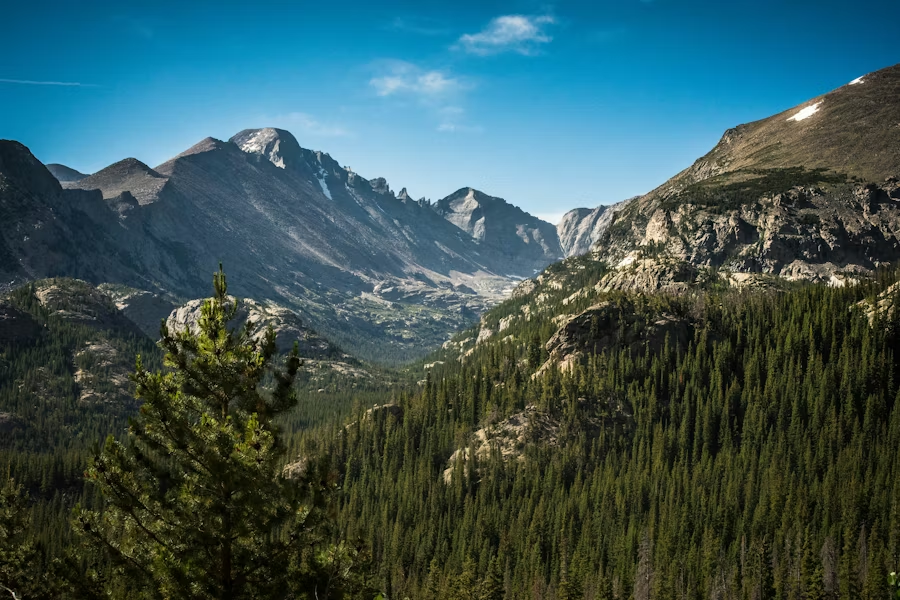
Photo by Peter Pryharski on Unsplash
Sky Pond via Glacier Gorge
Rocky Mountain National Park contains some of the state’s most spectacular alpine scenery, and Sky Pond stands among its crown jewels. This 8.6-mile roundtrip journey climbs 1,771 feet through a glacially carved valley to a pristine alpine basin.
The adventure begins at the Glacier Gorge trailhead, following a well-traveled path past Alberta Falls. The route then splits toward the Loch, a beautiful subalpine lake. The real adventure starts beyond the Loch as the trail steepens and the terrain becomes more challenging.
Timberline Falls presents the hike’s crux: a physical scramble up water-slicked rocks alongside cascading water. Fixed cables assist the climb, but hikers need both hands and solid footing. Beyond the falls, the trail mellows as it approaches Sky Pond, nestled in a dramatic cirque surrounded by jagged peaks.
This demanding route requires early starts to secure parking and avoid afternoon thunderstorms. The elevation and exposure make it unsuitable for anyone not properly acclimatized to altitude. However, those who make the effort discover why this trail consistently ranks among best hikes near Denver.
Trail Stats:
- Distance: 8.6 miles (roundtrip)
- Elevation Gain: 1,771 feet
- Difficulty: Strenuous
- Best For: Scrambling enthusiasts, alpine scenery, experienced hikers
Mount Bierstadt
Colorado’s fourteeners attract peak baggers from around the world, and Mount Bierstadt serves as one of the most accessible 14,000-foot summits. The 7-mile roundtrip climb tests endurance but requires no technical climbing skills under good conditions.
The trail begins at Guanella Pass, already sitting above 11,000 feet. An initial flat section crosses wetlands before the path turns upward. The route climbs steadily through willow thickets and across alpine tundra. The final approach to the summit involves boulder-hopping and scrambling over larger rocks.
Thin air at this elevation makes every step more challenging. Even fit hikers feel the effects of reduced oxygen above 13,000 feet. The reward for this effort? Standing on a summit where views stretch for miles in every direction, with fellow fourteeners marching across the horizon.
Weather changes rapidly at high altitude. Morning sunshine can turn to dangerous lightning storms by afternoon. Starting before dawn gives the best chance of reaching the summit and descending before weather deteriorates.
Trail Stats:
- Distance: 7 miles (roundtrip)
- Elevation Gain: 2,850 feet
- Difficulty: Strenuous
- Best For: Fourteener beginners, peak baggers, alpine tundra experience
Ice Lakes Trail
Near Silverton in the San Juan Mountains, Ice Lakes Trail climbs 7 miles roundtrip with a brutal 2,430-foot elevation gain. The trail passes through aspen groves, climbs steep switchbacks, and finally opens into an alpine basin containing some of the state’s most brilliantly colored lakes.
The lower ice lake displays a stunning turquoise hue, while the upper basin’s waters reflect shades of blue and green. Surrounding peaks complete the scene with their rocky summits and remnant snowfields.
This strenuous hike demands respect. The elevation gain comes quickly over relatively short distance, making the climb feel relentless. Proper pacing and regular breaks help manage the effort. The spectacular destination makes every upward step worthwhile.
Trail Stats:
- Distance: 7 miles (roundtrip)
- Elevation Gain: 2,430 feet
- Difficulty: Strenuous
- Best For: Alpine lakes, wildflowers, challenging climbs
Critical Safety Considerations for Mountain Hiking
Permit Requirements and Regulations
Some of Colorado’s most popular trails require permits to manage visitor numbers and protect fragile ecosystems. Hanging Lake near Glenwood Springs operates under a mandatory reservation system. No permit means no access, regardless of when hikers arrive at the trailhead.
This system protects the delicate travertine formations and rare Hanging Lake that give the trail its name. The limited number of daily visitors helps preserve the site for future generations. Checking permit requirements before leaving home prevents disappointment and wasted trips.
Rocky Mountain National Park similarly requires timed-entry permits during peak season. Wilderness areas may have overnight camping limits. Researching regulations ahead of time ensures smooth trips and demonstrates respect for these protected landscapes.
Weather and Altitude Awareness
Mountain weather operates on its own schedule, often contradicting valley forecasts. Kylie Bearse, who runs the Approachable Outdoors blog, uses her meteorological expertise to help hikers understand alpine weather patterns. Her guidance emphasizes checking forecasts immediately before trips and watching for developing storms throughout the day.
Afternoon thunderstorms develop with startling regularity during summer months. Lightning poses a deadly threat on exposed ridges and summits. Starting early allows reaching high points and descending below the treeline before storms build.
Altitude affects everyone differently, but its impact becomes unavoidable above 10,000 feet. Headaches, nausea, and fatigue signal the body’s struggle to adapt to reduced oxygen. Drinking extra water helps combat altitude effects, though some people need multiple days to acclimatize properly.
Essential Gear and Preparation
Even day hikes require proper preparation. Top outdoor activities in Denver for adventure enthusiasts demand respect and planning. A basic safety checklist includes:
Navigation:
- Trail map (paper backup to phone)
- Compass or GPS device
- Fully charged phone
Sun Protection:
- Sunscreen (high SPF for altitude)
- Sunglasses with UV protection
- Wide-brimmed hat
Insulation:
- Extra layers (temperatures drop fast at altitude)
- Rain jacket and pants
- Emergency blanket
Illumination:
- Headlamp with extra batteries
- Backup light source
First-Aid Supplies:
- Basic first-aid kit
- Personal medications
- Blister treatment
Fire:
- Waterproof matches or lighter
- Emergency fire starter
Nutrition:
- Extra food beyond planned needs
- High-energy snacks
Hydration:
- More water than expected to need
- Water purification method
Emergency Communication:
- Satellite communicator for remote areas
- Whistle for signaling
This gear list might seem excessive for a short day hike, but conditions change rapidly in the mountains. Being prepared for unexpected situations can mean the difference between an uncomfortable experience and a dangerous emergency.
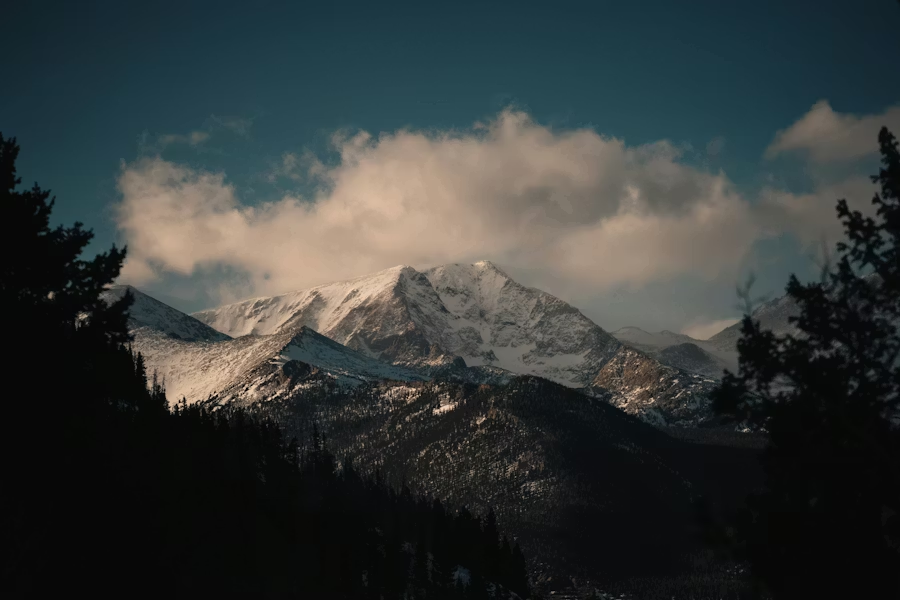
Photo by Clint McKoy on Unsplash
Prime National Parks and Wilderness Areas
Rocky Mountain National Park
As Colorado’s premier alpine destination, Rocky Mountain National Park contains over 350 miles of trails. The park’s dramatic landscapes range from montane forests to arctic tundra. Iconic routes like Sky Pond showcase glacially carved valleys and pristine alpine lakes.
Trail Ridge Road, the highest continuous paved road in North America, provides access to high-altitude trailheads. The park requires timed-entry permits during peak season, so planning ahead is essential. Early reservations often sell out months in advance for summer weekends.
San Juan Mountains
The San Juan range in southwestern Colorado offers rugged peaks and stunning alpine scenery with fewer crowds than some Front Range destinations. Ice Lakes Trail represents just one of many spectacular routes threading through this wilderness.
The region’s remoteness provides a sense of solitude increasingly rare in popular recreation areas. Mining ghost towns and historic sites add cultural interest to natural beauty. For those seeking to explore the best caves in Colorado for adventure seekers, the San Juans offer unique geological features alongside traditional trails.
Indian Peaks Wilderness
Straddling the Continental Divide west of Boulder, the Indian Peaks Wilderness protects pristine alpine terrain remarkably close to major population centers. Lake Isabelle and the surrounding trails provide easy access to high-country scenery without requiring long drives or extensive backpacking.
The area’s popularity means early arrivals claim parking spots, especially on summer weekends. Weekday visits or shoulder-season trips offer quieter experiences. The wilderness designation prohibits motorized vehicles and limits group sizes to protect the landscape.
Seasonal Considerations and Trail Conditions
Spring Hiking (April-June)
Lower elevation trails dry out first, making spring an excellent time for foothills hikes. Red rock formations around Garden of the Gods and Roxborough State Park shine in spring light. Snowmelt swells waterfalls to their most impressive flows.
High-altitude trails remain snow-covered well into June. Attempting fourteeners or alpine routes during these months requires winter mountaineering skills and equipment. Checking recent trail reports prevents surprises.
Summer Hiking (July-August)
Peak season brings crowds but also optimal conditions for high-altitude adventures. Wildflowers bloom across alpine meadows in waves of color. Most trails reach snow-free conditions, though some north-facing slopes retain snowfields year-round.
Afternoon thunderstorms develop reliably during these months. Lightning danger requires early starts and flexibility to descend quickly if storms build. Despite the challenges, summer offers the most accessible window for experiencing Colorado’s highest trails.
Fall Hiking (September-October)
Many hikers consider fall the best season for Colorado trails. Aspen trees turn gold across mountainsides. Crowds thin as summer tourists depart. Cooler temperatures make for comfortable hiking, though layers remain essential for variable conditions.
Early season snowstorms can surprise unprepared hikers, especially at higher elevations. Checking forecasts becomes even more critical as weather patterns shift toward winter.
Winter Hiking (November-March)
Snow and ice transform trails into winter wonderlands but require specialized skills and equipment. St. Mary’s Glacier offers year-round snow viewing on a short accessible trail. Many other routes become suitable only for snowshoers and experienced winter mountaineers.
Avalanche danger affects many mountain areas during winter months. Proper training and equipment are non-negotiable for anyone venturing into avalanche terrain.
Beyond the Trail: Complementary Colorado Adventures
Mountain hiking represents just one way to experience Colorado’s outdoor offerings. For those seeking best places to camp in Colorado, extending trail adventures into multi-day camping trips unlocks even deeper wilderness connections.
Rock climbing in Boulder Canyon or Eldorado Canyon adds vertical challenges to hiking skills. Mountain biking on the Colorado Trail covers vast distances through varied terrain. Kayaking mountain lakes provides peaceful alternatives to uphill slogs.
Winter transforms the landscape into skiing and snowboarding paradise. Cross-country skiing along summer hiking trails offers serene winter experiences. Ice climbing frozen waterfalls challenges those seeking technical winter adventures.
Building Mountain Skills and Confidence
Everyone starts somewhere on their hiking journey. Kylie Bearse’s Approachable Outdoors philosophy emphasizes that outdoor spaces should welcome people of all abilities. Starting with easier trails builds fitness and confidence while teaching essential mountain skills.
Navigation abilities develop through practice. Learning to read maps and recognize landmarks creates independence in the backcountry. Understanding weather patterns helps predict storm development. Recognizing altitude symptoms allows better decision-making about when to push forward or turn back.
Hiking with experienced friends or joining organized groups accelerates learning. Local hiking clubs offer group outings at various difficulty levels. The shared experience builds community while providing safety through numbers.
Physical preparation matters, but mental readiness proves equally important. Mountains demand respect and humility. Knowing when to turn around demonstrates wisdom, not weakness. Every trail will be there for another attempt on another day.
Making the Most of Colorado’s Hiking Season
Colorado’s trails offer something special during every season, but careful planning maximizes enjoyment and safety. Starting with easier routes builds experience before tackling challenging peaks. Understanding personal limits and respecting mountain conditions creates positive experiences that inspire return trips.
The diverse landscape provides options for every fitness level and adventure goal. Red rock formations, alpine lakes, towering peaks, and everything in between wait to be explored. Each trail tells a different story and offers unique rewards.
Whether seeking a gentle stroll through Garden of the Gods or a grueling climb to a fourteener summit, Colorado delivers. The mountains stand ready to challenge, inspire, and reward those willing to lace up their boots and hit the trail.
Ready to explore Colorado’s incredible trail network? Start with easier routes to build confidence and fitness, then gradually work toward more challenging adventures. Check trail conditions, secure required permits, and pack essential safety gear. The mountains are calling, and Colorado’s best hikes await your discovery. Share your favorite trail experiences and help others find their perfect mountain adventure!