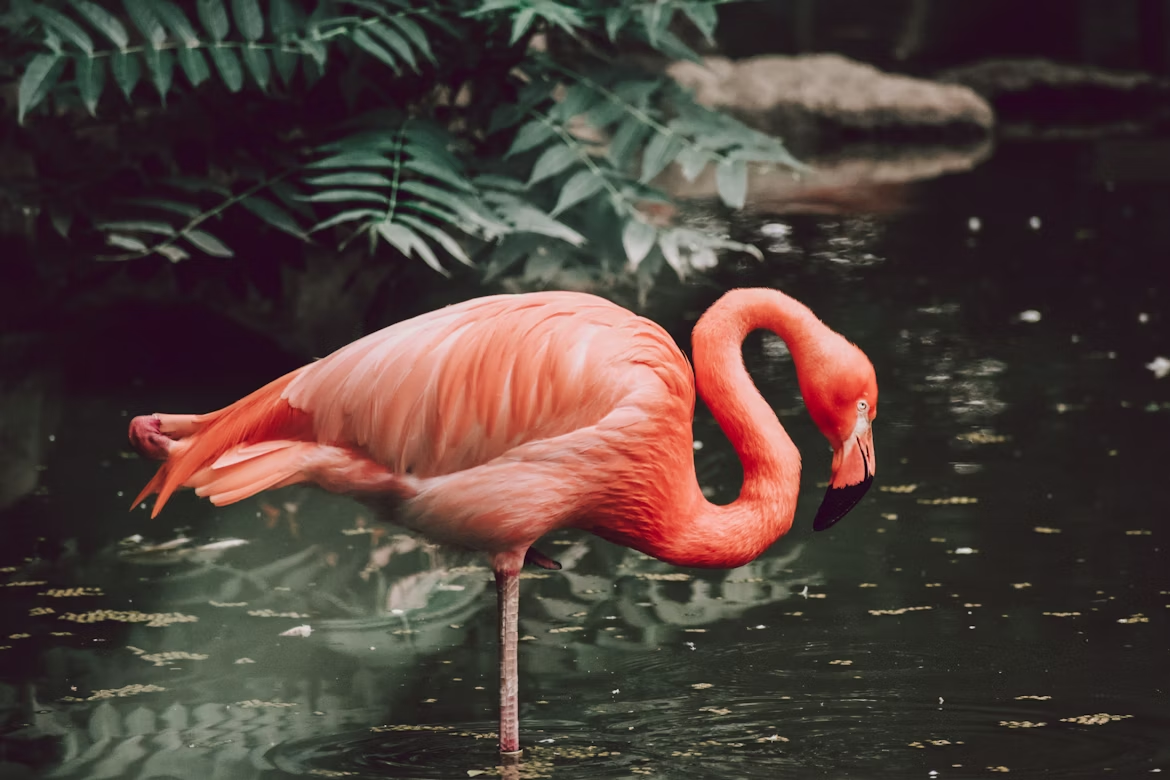
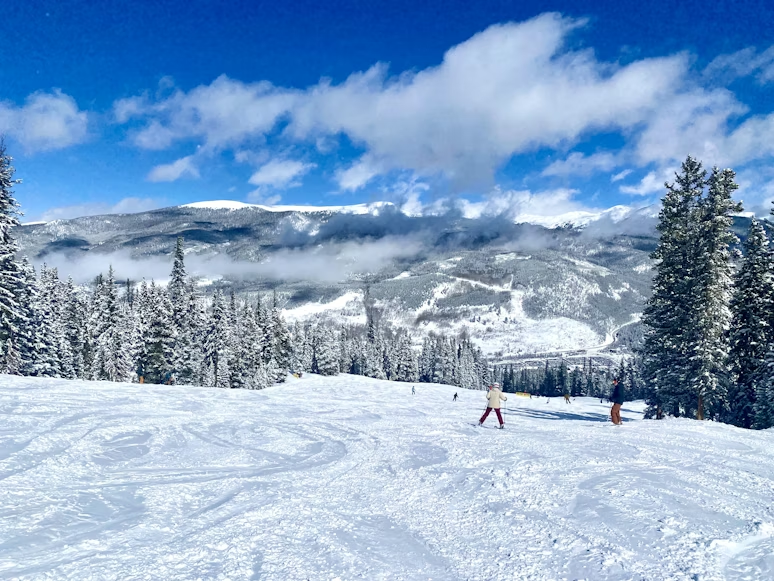
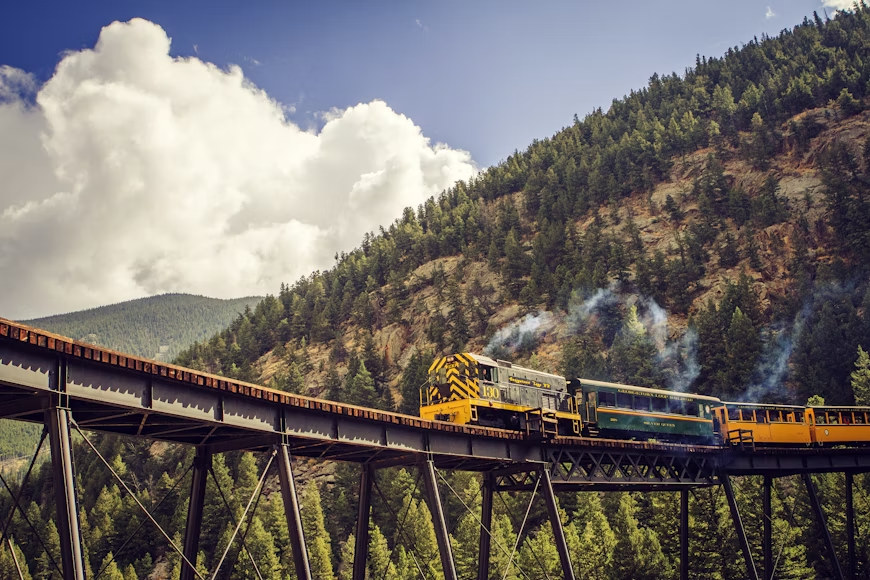
Plan your perfect day trip to the Denver Zoo with this Longmont local's guide to top exhibits, tickets, and tips.
Planning a day trip to the Denver Zoo is one of those decisions that tends to make everyone in the car happy. Whether traveling with kids, a partner, or a group of friends, the zoo delivers on its promise every single time. And for Longmont residents, it is closer than many people realize.
Here is the complete local guide covering the drive, the exhibits, the best times to go, and everything in between.
Getting There from Longmont
The Denver Zoo sits at 2300 Steele Street in Denver's historic City Park neighborhood, right at the edge of Colorado's most iconic urban green space. From Longmont, the trip runs about 34 to 35 miles and takes roughly 43 minutes under normal traffic conditions.
Two solid route options:
Via US-36 S: Head south on US-36 toward Boulder and Denver. This route flows well during off-peak hours and connects smoothly into the city.
Via I-25 S: A reliable alternative, especially when coming from the eastern side of Longmont. Merge onto I-25 heading south, then take the exits toward City Park.
Both routes land you in roughly the same timeframe. US-36 tends to be the more scenic choice; I-25 is the practical workhorse. Check real-time traffic before leaving, especially on weekends or holiday mornings.
Parking: Free parking is available in adjacent surface lots. A four-level parking garage sits just off 23rd Avenue between York Street and Colorado Boulevard, making it easy to get in and out without circling the neighborhood.
Public Transit: RTD bus lines 20 and 40 serve the zoo area. For Longmont and Boulder commuters already comfortable with RTD, this can be a genuinely stress-free option. No parking, no traffic decisions, and the kids get a bonus adventure before the animals even appear.
Tickets and Pricing (2026)
Admission is straightforward:
Adults: $26
Children (ages 3–11): $19
Children under 3: Free
These rates support thousands of animals on-site and conservation programs protecting endangered species across the globe. Buying tickets online in advance is always a smart move, especially on weekends or during seasonal events when demand spikes.
Top Exhibits Worth Prioritizing
Photo by Robby McCullough on Unsplash
The Denver Zoo spans 80 acres, which means trying to see everything in one visit will leave legs tired and attention spans stretched. Focus on the highlights and let the day breathe.
Toyota Elephant Passage
This is one of the largest elephant habitats in the country. Spanning 10 acres, the exhibit houses Asian elephants, rhinos, and tapirs across a multi-habitat system that mirrors the layered landscapes of Southeast Asia. Elevated viewing bridges give guests a wide perspective as the animals move through varied terrain. Arrive here early in the day before the crowds settle in.
Predator Ridge
An award-winning exhibit that recreates the African savanna to showcase lions, hyenas, and African wild dogs in a rotational habitat. Natural barriers place visitors within the sightlines of some of the continent's most formidable hunters. The authentic rockwork and vegetation make this feel genuinely immersive rather than staged.
Tropical Discovery
Step inside, and the Colorado air disappears entirely. This indoor rainforest houses over 2,000 animals, including Komodo dragons and king cobras, in a climate-controlled environment that feels nothing like Denver. Dense foliage, humid air, and winding paths make this one of the zoo's most transportive experiences. A great refuge on cold or rainy days, too.
Down Under
The newest major exhibit as of 2025, Down Under costs $7.8 million to build and deliver something genuinely rare: a fence-free, walk-through habitat for Australian species, including kangaroos, wallabies, and cassowaries. Visitors walk directly through the environment, encountering animals without traditional barriers. Keep an eye out for Marshmallow, an albino wallaby who tends to steal the show.
A few things to know before visiting:
Path capacity is restricted during peak hours
Some animals retreat to quiet zones during high temperatures
Arrive earlier in the day for the best chance of close-up encounters
Northern Shores
Home to polar bears and sea lions, Northern Shores features a renovated habitat with a saltwater filtration system that saves 8 million gallons of water annually. Gunnison, a 300-pound sea lion, is a regular crowd favorite. The $19 million facility pairs impressive engineering with genuine conservation intent.
Primate Panorama
Covering 7 acres, this exhibit uses four-story-high mesh tents to encourage natural climbing behaviors in orangutans, lemurs, and other primates. Guests look upward to watch animals move through expansive vertical space. The scale of it is something photos rarely capture well.
The Edge: Amur Tigers
The Edge features elevated catwalks that allow Amur tigers to patrol their territory directly above the guest walkway. The viewing angles are unlike anything else in the park. These are among the world's most endangered big cats, and the exhibit creates a direct, unhurried encounter with them.
Best Time to Visit
Photo by Morgan Newnham on Unsplash
Timing makes a real difference here.
Arrive 10 to 15 minutes before the 10 a.m. opening. Crowds build quickly, and early entry means first access to popular exhibits before the lines form.
Weekdays beat weekends by a significant margin in terms of crowd density and overall ease of movement through the park.
Late spring and early fall offer the most comfortable weather. Denver's altitude (the zoo sits at exactly 5,280 feet) means temperatures shift fast, so layering is always wise.
Summer visits: Animals are most active during the early morning and late afternoon hours. Midday heat pushes many species into shade or off-exhibit. Plan to arrive at the opening or return in the late afternoon.
Practical Tips for a Smoother Day
A few small preparations go a long way:
Download the free Denver Zoo app before leaving Longmont. It includes a GPS-enabled map and real-time show and feeding schedules.
Bring reusable water bottles. Free refill stations are available throughout the park.
Outside food and non-alcoholic drinks are welcome, with one note: no straws allowed.
Stroller and wagon rentals are available on-site if traveling with young children.
The Helen and Arthur E. Johnson Animal Hospital features three operating rooms with large public windows. Veterinary exams and surgeries happen here, visible to guests. It is a surprisingly compelling stop for curious visitors of any age.
Seasonal Events Worth Planning Around
Photo by Intricate Explorer on Unsplash
The zoo's event calendar adds a whole other layer to a visit:
Boo at the Zoo (Halloween)
A beloved fall tradition that brings costumes, trick-or-treating, and themed activities to the zoo grounds. Popular with families and usually sells out quickly.
Zoo Lights (late November through early January)
One of the Denver metro's biggest holiday events. The grounds transform into a display of millions of lights, large-scale lanterns, and illuminated scenes after dark. The Glowing Wild installation alone features 60 scenes, including a 130-foot-long walk-through crocodile and a 20-foot-tall butterfly tree at the entrance. An entirely different experience from a daytime visit.
Conservation Carousel and Denver Zoo Railroad
Both operate seasonally and are genuinely beloved by younger visitors. These make for excellent pacing breaks between exhibits.
Accessibility
The Denver Zoo holds a Certified Autism Center designation, reflecting a meaningful commitment to inclusive, sensory-aware experiences.
Additional accessibility features:
Wheelchair and scooter rentals available (advance reservation recommended)
Free admission for aides accompanying guests with disabilities
Service animals permitted in select areas of the park
It is worth reviewing the zoo's current accessibility guide on their website before visiting to confirm any updates for 2026.
What Else Is Nearby
Photo by We Care Wild on Unsplash
City Park itself deserves time before or after the zoo. The 320-acre park houses over 3,500 trees across more than 40 species and is home to breeding colonies of Black-crowned Night-Herons and Snowy Egrets in summer. The Prismatic Fountain, built in 1908 and restored in 2007, sprays 4,400 gallons of water per minute through 2,100 nozzles. On a warm afternoon, walking past it is a genuine pleasure.
From there, the Denver Museum of Nature and Science sits just steps away within City Park, making it an easy addition to the day if energy allows.
For those whose appetite for Colorado wildlife extends beyond the city, the Rocky Mountain Arsenal National Wildlife Refuge is only 10 minutes from downtown and covers 15,000 acres, supporting over 330 species, including bison, deer, and the endangered black-footed ferret.
Longmont's own backyard is equally rich, of course. Rocky Mountain National Park is a short drive north, and the hiking trails in Colorado for families across the region make for excellent companion adventures throughout the season.
Plan the Trip
The Denver Zoo rewards planning. On a weekday in May or September, tickets bought online, the app downloaded, snacks packed, and an early arrival make for a genuinely great day. The drive from Longmont is easy, the exhibits are world-class, and the zoo's conservation mission adds real meaning to what could otherwise be a simple outing.
Check the Denver Zoo's events calendar before booking to see whether a seasonal event like Zoo Lights or Boo at the Zoo lines up with travel plans. For a day trip out of Longmont, few destinations deliver more per mile.
Planning a day trip to the Denver Zoo is one of those decisions that tends to make everyone in the car happy. Whether traveling with kids, a partner, or a group of friends, the zoo delivers on its promise every single time. And for Longmont residents, it is closer than many people realize.
Here is the complete local guide covering the drive, the exhibits, the best times to go, and everything in between.
Getting There from Longmont
The Denver Zoo sits at 2300 Steele Street in Denver’s historic City Park neighborhood, right at the edge of Colorado‘s most iconic urban green space. From Longmont, the trip runs about 34 to 35 miles and takes roughly 43 minutes under normal traffic conditions.
Two solid route options:
- Via US-36 S: Head south on US-36 toward Boulder and Denver. This route flows well during off-peak hours and connects smoothly into the city.
- Via I-25 S: A reliable alternative, especially when coming from the eastern side of Longmont. Merge onto I-25 heading south, then take the exits toward City Park.
Both routes land you in roughly the same timeframe. US-36 tends to be the more scenic choice; I-25 is the practical workhorse. Check real-time traffic before leaving, especially on weekends or holiday mornings.
Parking: Free parking is available in adjacent surface lots. A four-level parking garage sits just off 23rd Avenue between York Street and Colorado Boulevard, making it easy to get in and out without circling the neighborhood.
Public Transit: RTD bus lines 20 and 40 serve the zoo area. For Longmont and Boulder commuters already comfortable with RTD, this can be a genuinely stress-free option. No parking, no traffic decisions, and the kids get a bonus adventure before the animals even appear.
Tickets and Pricing (2026)
Admission is straightforward:
- Adults: $26
- Children (ages 3–11): $19
- Children under 3: Free
These rates support thousands of animals on-site and conservation programs protecting endangered species across the globe. Buying tickets online in advance is always a smart move, especially on weekends or during seasonal events when demand spikes.
Top Exhibits Worth Prioritizing
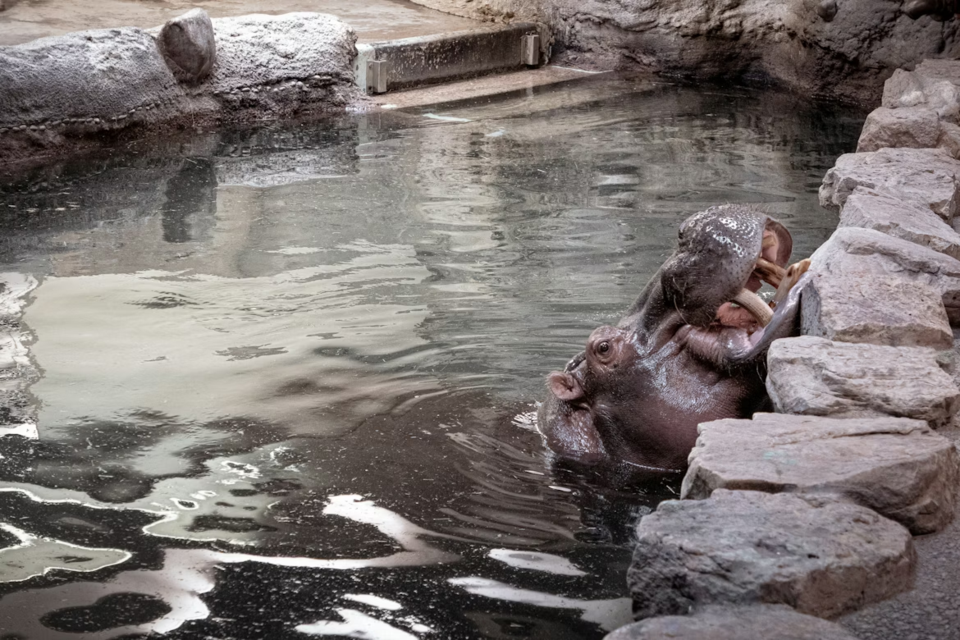
Photo by Robby McCullough on Unsplash
The Denver Zoo spans 80 acres, which means trying to see everything in one visit will leave legs tired and attention spans stretched. Focus on the highlights and let the day breathe.
Toyota Elephant Passage
This is one of the largest elephant habitats in the country. Spanning 10 acres, the exhibit houses Asian elephants, rhinos, and tapirs across a multi-habitat system that mirrors the layered landscapes of Southeast Asia. Elevated viewing bridges give guests a wide perspective as the animals move through varied terrain. Arrive here early in the day before the crowds settle in.
Predator Ridge
An award-winning exhibit that recreates the African savanna to showcase lions, hyenas, and African wild dogs in a rotational habitat. Natural barriers place visitors within the sightlines of some of the continent’s most formidable hunters. The authentic rockwork and vegetation make this feel genuinely immersive rather than staged.
Tropical Discovery
Step inside, and the Colorado air disappears entirely. This indoor rainforest houses over 2,000 animals, including Komodo dragons and king cobras, in a climate-controlled environment that feels nothing like Denver. Dense foliage, humid air, and winding paths make this one of the zoo’s most transportive experiences. A great refuge on cold or rainy days, too.
Down Under
The newest major exhibit as of 2025, Down Under costs $7.8 million to build and deliver something genuinely rare: a fence-free, walk-through habitat for Australian species, including kangaroos, wallabies, and cassowaries. Visitors walk directly through the environment, encountering animals without traditional barriers. Keep an eye out for Marshmallow, an albino wallaby who tends to steal the show.
A few things to know before visiting:
- Path capacity is restricted during peak hours
- Some animals retreat to quiet zones during high temperatures
- Arrive earlier in the day for the best chance of close-up encounters
Northern Shores
Home to polar bears and sea lions, Northern Shores features a renovated habitat with a saltwater filtration system that saves 8 million gallons of water annually. Gunnison, a 300-pound sea lion, is a regular crowd favorite. The $19 million facility pairs impressive engineering with genuine conservation intent.
Primate Panorama
Covering 7 acres, this exhibit uses four-story-high mesh tents to encourage natural climbing behaviors in orangutans, lemurs, and other primates. Guests look upward to watch animals move through expansive vertical space. The scale of it is something photos rarely capture well.
The Edge: Amur Tigers
The Edge features elevated catwalks that allow Amur tigers to patrol their territory directly above the guest walkway. The viewing angles are unlike anything else in the park. These are among the world’s most endangered big cats, and the exhibit creates a direct, unhurried encounter with them.
Best Time to Visit
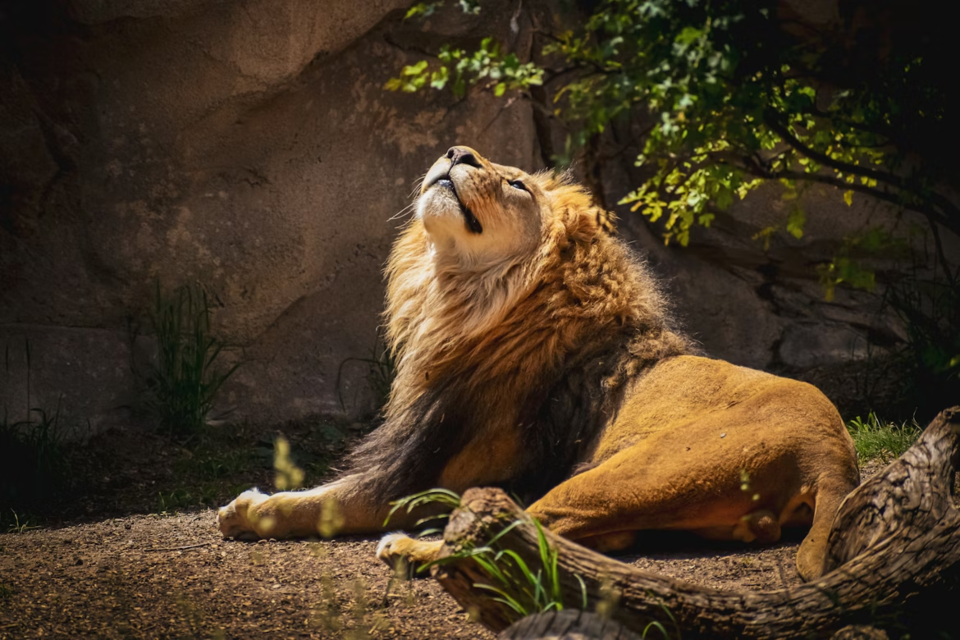
Photo by Morgan Newnham on Unsplash
Timing makes a real difference here.
- Arrive 10 to 15 minutes before the 10 a.m. opening. Crowds build quickly, and early entry means first access to popular exhibits before the lines form.
- Weekdays beat weekends by a significant margin in terms of crowd density and overall ease of movement through the park.
- Late spring and early fall offer the most comfortable weather. Denver’s altitude (the zoo sits at exactly 5,280 feet) means temperatures shift fast, so layering is always wise.
- Summer visits: Animals are most active during the early morning and late afternoon hours. Midday heat pushes many species into shade or off-exhibit. Plan to arrive at the opening or return in the late afternoon.
Practical Tips for a Smoother Day
A few small preparations go a long way:
- Download the free Denver Zoo app before leaving Longmont. It includes a GPS-enabled map and real-time show and feeding schedules.
- Bring reusable water bottles. Free refill stations are available throughout the park.
- Outside food and non-alcoholic drinks are welcome, with one note: no straws allowed.
- Stroller and wagon rentals are available on-site if traveling with young children.
- The Helen and Arthur E. Johnson Animal Hospital features three operating rooms with large public windows. Veterinary exams and surgeries happen here, visible to guests. It is a surprisingly compelling stop for curious visitors of any age.
Seasonal Events Worth Planning Around
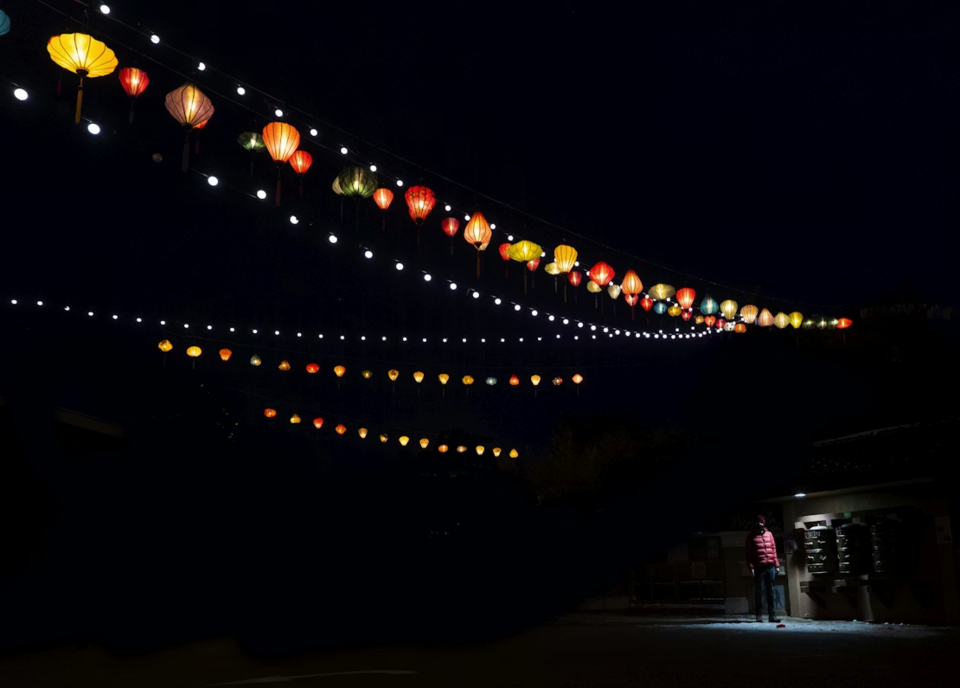
Photo by Intricate Explorer on Unsplash
The zoo’s event calendar adds a whole other layer to a visit:
Boo at the Zoo (Halloween)
A beloved fall tradition that brings costumes, trick-or-treating, and themed activities to the zoo grounds. Popular with families and usually sells out quickly.
Zoo Lights (late November through early January)
One of the Denver metro’s biggest holiday events. The grounds transform into a display of millions of lights, large-scale lanterns, and illuminated scenes after dark. The Glowing Wild installation alone features 60 scenes, including a 130-foot-long walk-through crocodile and a 20-foot-tall butterfly tree at the entrance. An entirely different experience from a daytime visit.
Conservation Carousel and Denver Zoo Railroad
Both operate seasonally and are genuinely beloved by younger visitors. These make for excellent pacing breaks between exhibits.
Accessibility
The Denver Zoo holds a Certified Autism Center designation, reflecting a meaningful commitment to inclusive, sensory-aware experiences.
Additional accessibility features:
- Wheelchair and scooter rentals available (advance reservation recommended)
- Free admission for aides accompanying guests with disabilities
- Service animals permitted in select areas of the park
It is worth reviewing the zoo’s current accessibility guide on their website before visiting to confirm any updates for 2026.
What Else Is Nearby
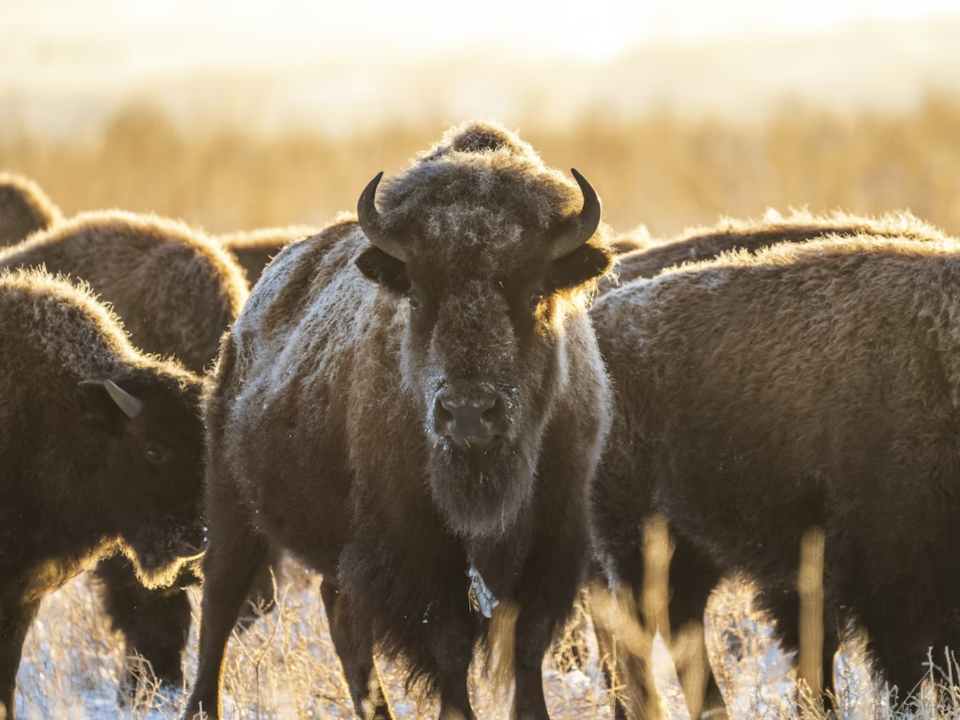
Photo by We Care Wild on Unsplash
City Park itself deserves time before or after the zoo. The 320-acre park houses over 3,500 trees across more than 40 species and is home to breeding colonies of Black-crowned Night-Herons and Snowy Egrets in summer. The Prismatic Fountain, built in 1908 and restored in 2007, sprays 4,400 gallons of water per minute through 2,100 nozzles. On a warm afternoon, walking past it is a genuine pleasure.
From there, the Denver Museum of Nature and Science sits just steps away within City Park, making it an easy addition to the day if energy allows.
For those whose appetite for Colorado wildlife extends beyond the city, the Rocky Mountain Arsenal National Wildlife Refuge is only 10 minutes from downtown and covers 15,000 acres, supporting over 330 species, including bison, deer, and the endangered black-footed ferret.
Longmont’s own backyard is equally rich, of course. Rocky Mountain National Park is a short drive north, and the hiking trails in Colorado for families across the region make for excellent companion adventures throughout the season.
Plan the Trip
The Denver Zoo rewards planning. On a weekday in May or September, tickets bought online, the app downloaded, snacks packed, and an early arrival make for a genuinely great day. The drive from Longmont is easy, the exhibits are world-class, and the zoo’s conservation mission adds real meaning to what could otherwise be a simple outing.
Check the Denver Zoo’s events calendar before booking to see whether a seasonal event like Zoo Lights or Boo at the Zoo lines up with travel plans. For a day trip out of Longmont, few destinations deliver more per mile.