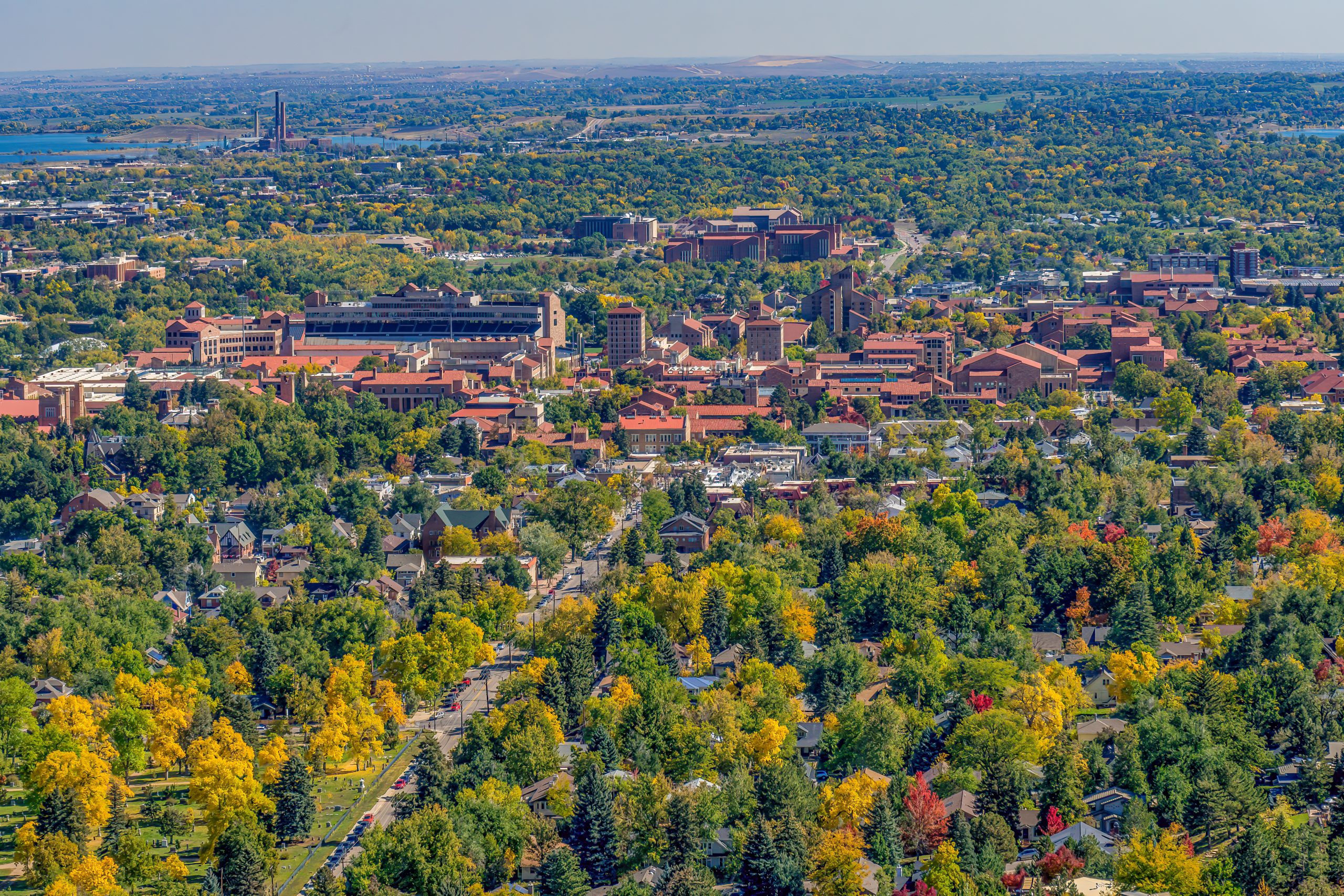
Actions to be done by the city include the protection of open space, restoring ecosystems and native habitats, and improving soil health.
The City of Boulder announced this week that it has officially signed the Berlin Urban Nature Pact to “halt and reverse biodiversity loss to put nature on a path to recovery for the benefit of people and the planet in cities worldwide by 2030.” Boulder is the first Colorado city to sign onto the pact, which builds upon the 2020 Edinburgh Declaration and the 2022 Montreal Pledge. Boulder joins Austin, Texas as the only two U.S. cities that have signed onto the pledge.
“Boulder has long understood that our well-being is intertwined with the health of the natural world,” said Jonathan Koehn, the chief sustainability and resilience officer for the City of Boulder. “By joining the Berlin Urban Nature Pact, we’re taking that understanding to the global stage by collaborating with other cities to learn, share and take action so that both people and nature can thrive together.”
Actions to be done by the city include the protection of open space, restoring ecosystems and native habitats, and improving soil health. Boulder has a Nature-Based Climate Solutions page that outlines various investments and goals that align with the recent pledge.
A 2023 study estimates that 500,000 early deaths are occurring each year as a result of the decline of pollinators. The use of pesticides, an increase in disease, and lack of habitat are some of the primary causes. The City of Boulder lists several ways community members can help pollinators locally.
Along with making safe spaces for pollinators, the City of Boulder also says the planting of trees to connect canopies and creating absorbent landscapes to hold more water, carbon and thermal energy as ways to work towards making the community cooler and more resilient.
The City of Boulder plans to set measurable goals to protect nature as part of its most recent pledge.