More than a decade after the destructive 2013 floods pushed water across U.S. 36 and renewed concerns about the vulnerability of southeast Boulder, the city is preparing to begin construction on a $76.5 million flood-control project designed to protect thousands of residents.
Construction on the South Boulder Creek Flood Mitigation Project is expected to begin in early October and take between three and five years. The project is designed to provide flood protection for approximately 2,300 people and 260 structures while helping keep U.S. 36 accessible during a major flood emergency.
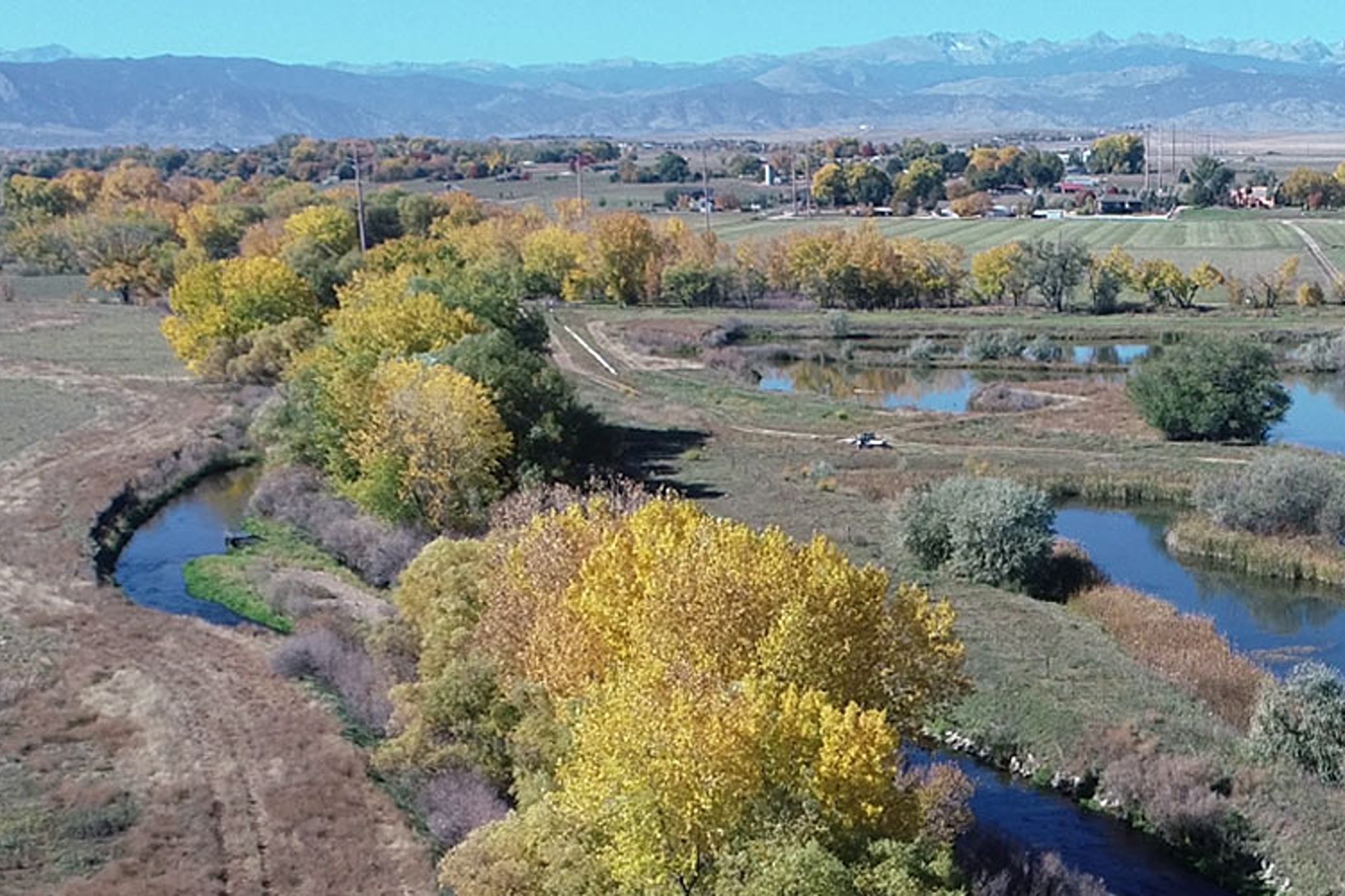
The work will transform part of the CU Boulder South property, where the city plans to build an earthen flood-detention dam, concrete spillway, outlet tunnel beneath U.S. 36 and groundwater-management system.
The site will completely close to public access during the week of Oct. 5 as major construction approaches.
Boulder calls South Boulder Creek its highest-priority flood mitigation project.
The need for additional protection became particularly visible during the September 2013 floods, when South Boulder Creek rose high enough to overtop U.S. 36. The flooding disrupted transportation and raised concerns about emergency vehicles losing access to portions of the city during a larger disaster.
The city's plan is intended to temporarily hold back floodwater during a major storm and release it downstream at a controlled rate.
The project will involve substantially more than construction of a dam.
Crews will remove existing features on the CU Boulder South property, including a warehouse and tennis courts, and complete floodplain restoration work. The city says the project will create and restore wetlands and riparian habitat while protecting areas associated with species including the Preble's meadow jumping mouse and Ute ladies'-tresses orchid.
Concrete Express Inc., which was selected by the city in fall 2025, will lead construction.
The start of work represents a major milestone for a project tied to years of planning, public debate and negotiations over the future of the CU Boulder South property.
Boulder annexed the approximately 308-acre property in 2021. The annexation agreement established a framework under which the University of Colorado would eventually transfer approximately 155 acres to the city, including roughly 119 acres expected to become permanently protected open space.
But even as construction prepares to begin, a legal dispute is affecting how quickly the project can be built and how much it could ultimately cost.
Boulder originally planned to finance the project by selling bonds. That would have allowed the city to pay construction expenses up front and finish the work in approximately three years.
Pending litigation is preventing the city from moving forward with that financing strategy, according to the city.
Instead, Boulder plans to proceed using cash appropriated annually from stormwater revenues in partnership with the Mile High Flood District.
City officials say that approach could stretch the construction schedule from three years to five and increase the project's total cost.
If the litigation is resolved while construction is underway, Boulder says it could issue bonds for the remaining expenses, accelerate construction and reduce the ultimate cost.
The immediate effect for people who currently use CU Boulder South will be more visible.
Limited preparation work can occur before major construction begins, but the city says the property will fully close during the week of October 5 to protect the public as heavy construction gets underway.
The project will eventually alter both the landscape and the floodplain around South Boulder Creek.
An estimated 260 structures are expected to receive additional flood protection, and the infrastructure is designed to help prevent the closure of U.S. 36 during a major flood, preserving a critical transportation route for emergency responders and residents.
For Boulder, the start of construction marks a shift for a project that has spent years largely defined by planning meetings, land-use battles, environmental reviews and legal disputes.
Beginning in October, much of that debate will become physical construction.
How long that construction lasts, however, may still depend on what happens in court.
More than a decade after the destructive 2013 floods pushed water across U.S. 36 and renewed concerns about the vulnerability of southeast Boulder, the city is preparing to begin construction on a $76.5 million flood-control project designed to protect thousands of residents.
Construction on the South Boulder Creek Flood Mitigation Project is expected to begin in early October and take between three and five years. The project is designed to provide flood protection for approximately 2,300 people and 260 structures while helping keep U.S. 36 accessible during a major flood emergency.
The work will transform part of the CU Boulder South property, where the city plans to build an earthen flood-detention dam, concrete spillway, outlet tunnel beneath U.S. 36 and groundwater-management system.
The site will completely close to public access during the week of Oct. 5 as major construction approaches.
Boulder calls South Boulder Creek its highest-priority flood mitigation project.
The need for additional protection became particularly visible during the September 2013 floods, when South Boulder Creek rose high enough to overtop U.S. 36. The flooding disrupted transportation and raised concerns about emergency vehicles losing access to portions of the city during a larger disaster.
The city’s plan is intended to temporarily hold back floodwater during a major storm and release it downstream at a controlled rate.
The project will involve substantially more than construction of a dam.
Crews will remove existing features on the CU Boulder South property, including a warehouse and tennis courts, and complete floodplain restoration work. The city says the project will create and restore wetlands and riparian habitat while protecting areas associated with species including the Preble’s meadow jumping mouse and Ute ladies’-tresses orchid.
Concrete Express Inc., which was selected by the city in fall 2025, will lead construction.
The start of work represents a major milestone for a project tied to years of planning, public debate and negotiations over the future of the CU Boulder South property.
Boulder annexed the approximately 308-acre property in 2021. The annexation agreement established a framework under which the University of Colorado would eventually transfer approximately 155 acres to the city, including roughly 119 acres expected to become permanently protected open space.
But even as construction prepares to begin, a legal dispute is affecting how quickly the project can be built and how much it could ultimately cost.
Boulder originally planned to finance the project by selling bonds. That would have allowed the city to pay construction expenses up front and finish the work in approximately three years.
Pending litigation is preventing the city from moving forward with that financing strategy, according to the city.
Instead, Boulder plans to proceed using cash appropriated annually from stormwater revenues in partnership with the Mile High Flood District.
City officials say that approach could stretch the construction schedule from three years to five and increase the project’s total cost.
If the litigation is resolved while construction is underway, Boulder says it could issue bonds for the remaining expenses, accelerate construction and reduce the ultimate cost.
The immediate effect for people who currently use CU Boulder South will be more visible.
Limited preparation work can occur before major construction begins, but the city says the property will fully close during the week of October 5 to protect the public as heavy construction gets underway.
The project will eventually alter both the landscape and the floodplain around South Boulder Creek.
An estimated 260 structures are expected to receive additional flood protection, and the infrastructure is designed to help prevent the closure of U.S. 36 during a major flood, preserving a critical transportation route for emergency responders and residents.
For Boulder, the start of construction marks a shift for a project that has spent years largely defined by planning meetings, land-use battles, environmental reviews and legal disputes.
Beginning in October, much of that debate will become physical construction.
How long that construction lasts, however, may still depend on what happens in court.