If approved, Longmont plans to add 43 police positions, 31 fire positions and 12 Collaborative Services positions over the next 10 years.
Longmont voters will decide in November whether to approve sales and property tax increases expected to generate $19.5 million in the first full year to hire additional police officers, firefighters and public safety staff and pay for new facilities and equipment.
Ballot Issue 3A would increase the city's sales and use tax by 0.33 percentage points beginning Jan. 1, 2027, and increase the property tax levy by up to 2.44 mills beginning with the 2027 tax collection year.
The city estimates the sales tax increase would cost consumers about 33 cents for every $100 spent on taxable goods. The property tax portion would cost approximately $75 annually for a home valued at $500,000.
If approved, Longmont plans to add 43 police positions, 31 fire positions and 12 Collaborative Services positions over the next 10 years.
Collaborative Services includes public safety functions such as case management, crisis outreach, records and technology support. The city's Collaborative Services Division also works with residents experiencing behavioral health challenges or housing instability.
City officials say Longmont's population and emergency response demands have grown faster than its existing public safety resources.
According to the city's ballot information, Longmont's population increased from 86,651 in 2009 to 104,178 in 2025, an increase of 20.2%. Police calls for service increased from approximately 78,000 to 93,173 during the same period, while fire calls jumped from 6,771 to 12,594, an increase of about 86%.
Longmont says roughly 70% of its fire department's 911 calls are medical-related.
The tax would also fund major capital projects, including a new Fire Station 7 on Longmont's southwest side, a new fire engine, rehabilitation and expansion of Fire Station 4, two fire rescue trucks, police vehicles and a storage building for reserve fire equipment.
The ballot question would allow the city to retain and spend revenue generated by the taxes beyond limits imposed by the Taxpayer's Bill of Rights.
The city's published election materials include arguments on both sides. Supporters argue Longmont needs more personnel and equipment to keep up with population growth and increasing emergency calls. Opponents argue growth itself should produce enough additional tax revenue and that the city should redirect existing spending before asking residents to pay more.
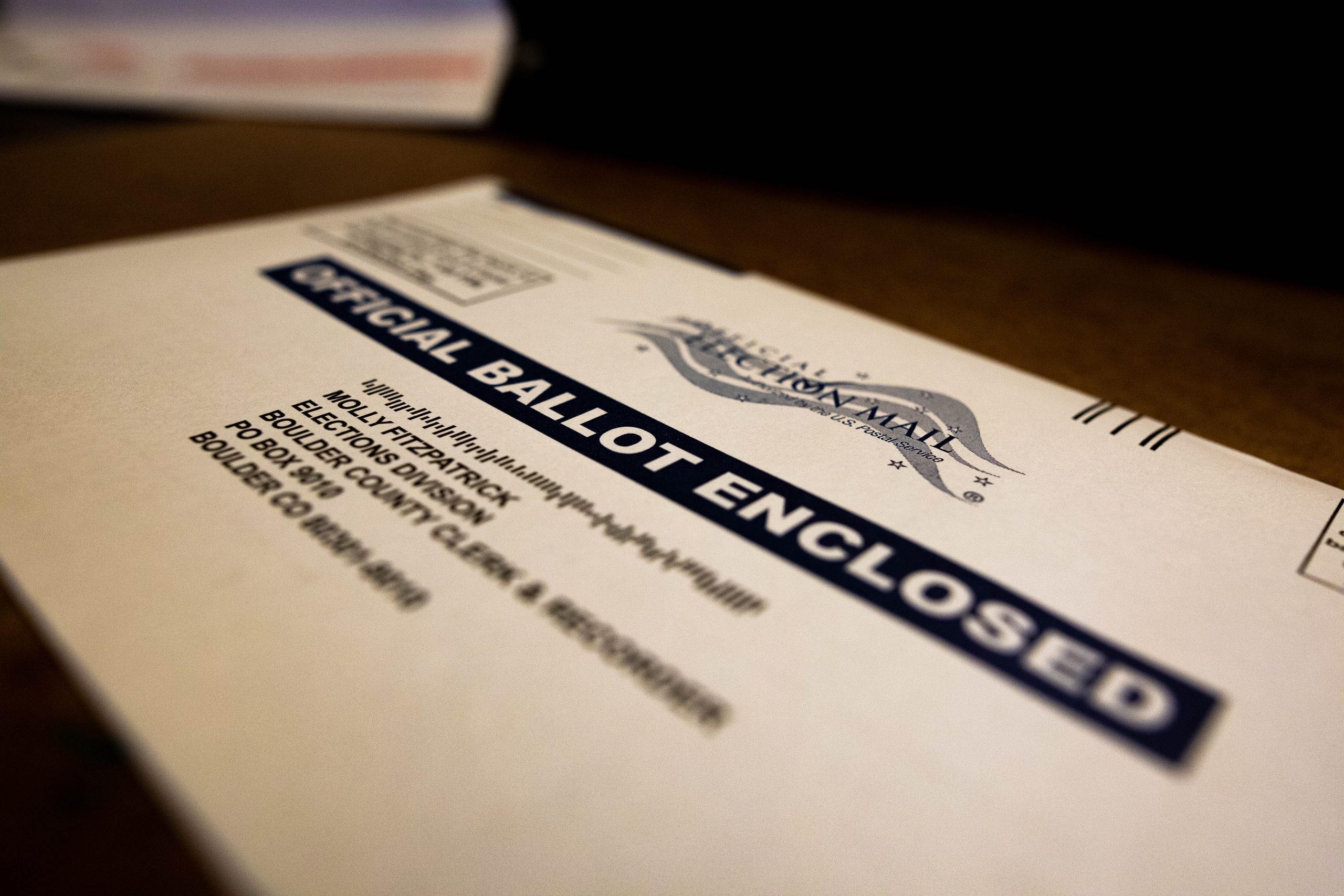
Ballots for the Nov. 3 election are being delivered to registered voters in October. Longmont has five 24-hour ballot drop boxes, and ballots must be received by 7 p.m. on Election Day.
Longmont voters will decide in November whether to approve sales and property tax increases expected to generate $19.5 million in the first full year to hire additional police officers, firefighters and public safety staff and pay for new facilities and equipment.
Ballot Issue 3A would increase the city’s sales and use tax by 0.33 percentage points beginning Jan. 1, 2027, and increase the property tax levy by up to 2.44 mills beginning with the 2027 tax collection year.
The city estimates the sales tax increase would cost consumers about 33 cents for every $100 spent on taxable goods. The property tax portion would cost approximately $75 annually for a home valued at $500,000.
If approved, Longmont plans to add 43 police positions, 31 fire positions and 12 Collaborative Services positions over the next 10 years.
Collaborative Services includes public safety functions such as case management, crisis outreach, records and technology support. The city’s Collaborative Services Division also works with residents experiencing behavioral health challenges or housing instability.
City officials say Longmont’s population and emergency response demands have grown faster than its existing public safety resources.
According to the city’s ballot information, Longmont’s population increased from 86,651 in 2009 to 104,178 in 2025, an increase of 20.2%. Police calls for service increased from approximately 78,000 to 93,173 during the same period, while fire calls jumped from 6,771 to 12,594, an increase of about 86%.
Longmont says roughly 70% of its fire department’s 911 calls are medical-related.
The tax would also fund major capital projects, including a new Fire Station 7 on Longmont’s southwest side, a new fire engine, rehabilitation and expansion of Fire Station 4, two fire rescue trucks, police vehicles and a storage building for reserve fire equipment.
The ballot question would allow the city to retain and spend revenue generated by the taxes beyond limits imposed by the Taxpayer’s Bill of Rights.
The city’s published election materials include arguments on both sides. Supporters argue Longmont needs more personnel and equipment to keep up with population growth and increasing emergency calls. Opponents argue growth itself should produce enough additional tax revenue and that the city should redirect existing spending before asking residents to pay more.
Ballots for the Nov. 3 election are being delivered to registered voters in October. Longmont has five 24-hour ballot drop boxes, and ballots must be received by 7 p.m. on Election Day.