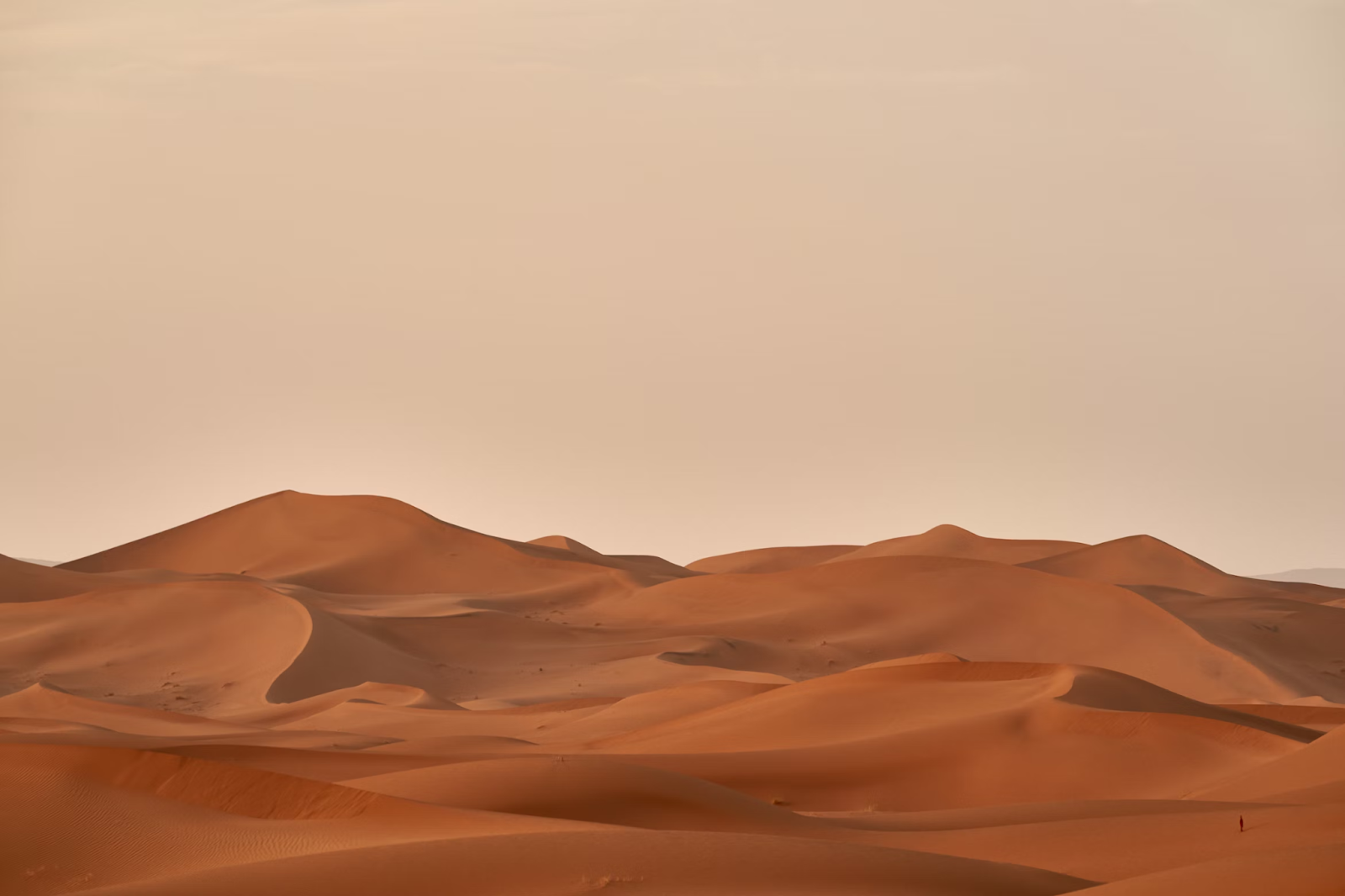
Towering sand dunes rising 750 feet high against a backdrop of snow-capped peaks.
Towering sand dunes rising 750 feet high against a backdrop of snow-capped peaks.
The sight alone defies logic, yet here it stands in southern Colorado as one of nature's most surreal masterpieces. Great Sand Dunes National Park and Preserve showcases a collision of ecosystems that shouldn't exist together, and yet they do, creating an otherworldly landscape that draws adventurers, photographers, and curious travelers year-round.
This is a place where sandboarders carve down massive dunes in the morning, then hikers trek to alpine lakes by afternoon. Where summer days can scorch the sand to 150°F, while spring brings seasonal streams perfect for splashing around.
The park officially earned its National Park and Preserve status on September 24, 2004, though President Herbert Hoover first recognized its significance by designating it as a National Monument back in 1932. Today, federal protection covers 149,028 acres of this remarkable preserve area, safeguarding one of the best national parks in Colorado for generations to come.
Finding Your Way to the Dunes
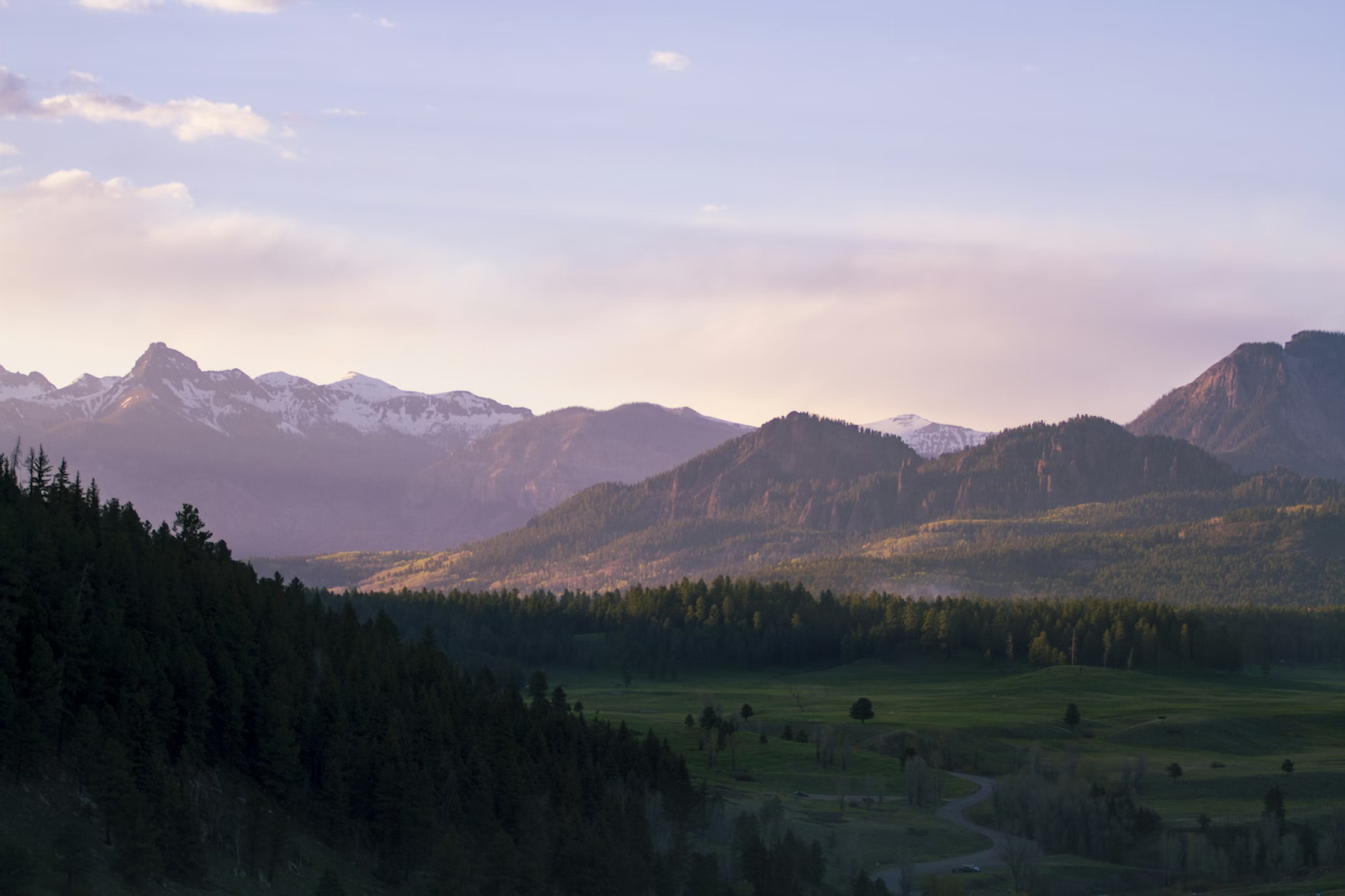
Great Sand Dunes National Park sits in the San Luis Valley of south-central Colorado, cradled between the towering Sangre de Cristo Mountains and the valley floor.
Nearest Towns:
Mosca: 23 miles from the park entrance (closest settlement)
Alamosa: 37 miles away (primary visitor hub with lodging, restaurants, and services)
The park's Visitor Center perches at an elevation of 8,170 feet above sea level.
That's high.
This elevation plays a crucial role in everything from the park's climate to how quickly visitors tire during hikes. The setting within the San Luis Valley creates a distinct regional geography that makes these dunes possible in the first place.
The Science Behind North America's Tallest Dunes
Understanding how the tallest sand dunes in North America formed requires looking back through geological time.
The Origin Story:
70% of the sand originated from volcanic rocks in the San Juan Mountains
Ground down grain by grain over vast timescales
Rivers and streams carried sediment into the valley
Collection and accumulation over hundreds of thousands of years
The breakthrough moment came approximately 440,000 years ago when "Lake Alamosa" dried up. This massive inland lake had filled the valley, and its disappearance left behind a basin perfect for sediment collection.
Today, the dunes contain an estimated 1.2 cubic miles of sand. That's 5 billion cubic meters of accumulated material. Enough sand to bury a small city.
But why did they grow so tall?
The dunes didn't just form randomly. They rose to their impressive 750-foot heights through a perfect storm of geography and weather patterns. Predominant southwest winds continuously push sand toward the Sangre de Cristo Mountains, which act as a natural barrier. The sand piles up against this mountain wall, preventing it from traveling further.
This ongoing accumulation allows the main dune field, covering approximately 30 square miles, to maintain vertical growth that few other locations on the continent can match. The combination of factors makes the Great Sand Dunes truly unique among hidden gems in Colorado, worth exploring.
Adventures Waiting in the Sand
Photo by Emma Van Sant on Unsplash
Great Sand Dunes National Park offers far more than pretty views from a distance. This is a place that invites interaction, where visitors can touch, climb, slide, and explore to their heart's content.
Sandboarding and Sand Sledding
Sand sledding and sandboarding rank among the most popular activities here. There's something incredibly fun about careening down a 750-foot dune on a piece of waxed wood or plastic.
Important note: The park itself doesn't rent equipment.
Visitors need to plan ahead. The Oasis Store, located just four miles from the park entrance, serves as the primary spot for rentals of sandboards and sleds.
Tips for the Best Experience:
Early mornings work best (cooler sand, slightly damp from overnight temperatures)
Summer afternoons turn the sand scorching hot
Technique matters more than you might think
Unlike snow, sand creates different friction and requires specific waxing
Sand sledding beats expectations when conditions align. Cool morning sand. Properly waxed board. A steep face on High Dune. Pure adrenaline.
Medano Creek's Seasonal Beach
One of the park's most surprising features flows at the base of the dunes themselves.
Medano Creek features a rare "surge flow" phenomenon that creates distinct waves as water rushes downstream. These aren't ocean-style waves, but rather periodic surges caused by sand buildup that temporarily dams the creek before breaking free. The result? A rippling, pulsing stream unlike any other.
Best Time to Visit:
Peak flow: Late May to early June
Water source: Snowmelt from Sangre de Cristo Mountains
Experience: Temporary beach scene next to massive sand dunes
During this window, Medano Creek transforms into something magical. Families wade in the cool water. Kids build sandcastles on the creek's edge. Everyone enjoys the surreal combination of desert and stream.
Water levels drop significantly by mid-summer, and the creek often dries up completely by late July or August. Timing matters. Visit during peak flow for an entirely different park experience.
Hiking From Dunes to Alpine Lakes
The park's hiking trails span everything from casual dune walks to serious mountain treks.
High Dune:
Round-trip time: 2 hours (average fitness)
Difficulty: Moderate
The challenge: Walking uphill in loose sand resembles climbing a down escalator
Every step sinks and slides backward
Star Dune:
Round-trip time: 6-9 hours
Difficulty: Strenuous
Height: Tallest dune in the park
The reward: Standing atop the highest point, surveying the entire dune field and valley below
Worth it? Absolutely.
For those seeking extended adventures, the Sand Ramp Trail offers prime backpacking in Colorado opportunities. This route follows the transition zone where dunes gradually give way to the mountains, eventually reaching alpine lakes nestled in the high country.
Backcountry camping permits cost $6 and require advance reservation, but they unlock multiple days of exploring this dramatic landscape transition. From sand to summit. From desert heat to alpine chill.
Stargazing in Certified Dark Skies
Great Sand Dunes National Park holds certification as an International Dark Sky Park.
What does that mean? Exceptional night sky viewing conditions protected by designation. The park's remote location, high elevation, and minimal light pollution combine to create stunning celestial displays. On clear nights, the Milky Way stretches across the sky in vivid detail. Countless stars emerge. Planets shine bright enough to cast shadows.
Ranger Programs (May-September):
Special astronomy programs on many evenings
Telescopes set up for public viewing
Expert guidance through constellations, planets, and deep-space objects
Context that elevates the experience significantly
Photography enthusiasts particularly love the park at night. Long-exposure shots capture the dunes illuminated by moonlight, with star trails arcing overhead. The contrast between the earth-bound dunes and the infinite sky creates compositions unlike anywhere else.
Bring a blanket. Lie on your back. Let your eyes adjust to the darkness.
The universe reveals itself.
Wildlife and Diverse Ecosystems
The park's ecosystems extend far beyond the famous dunes. Within the preserve boundaries, visitors find:
Grasslands
Wetlands
Conifer forests
Alpine tundra
Each zone supports its own community of plants and animals adapted to specific conditions.
Birdwatching Highlights:
Sandhill Cranes during seasonal migrations
Songbirds throughout the preserve
Raptors hunting over grasslands
Wetland species in marsh areas
Larger mammals make regular appearances. Mule deer frequently graze near the entrance and throughout the grasslands, particularly during early morning and evening hours. Elk herds roam the park, though they tend to stick to higher elevations and more remote areas.
Lucky visitors might spot:
Bighorn sheep on rocky outcrops
Pronghorn on the valley floor
Black bears (occasionally)
Even the dunes themselves support life. Specialized insects and arachnids adapted to extreme temperature swings and mobile substrate call this place home. These hardy creatures represent evolutionary solutions to one of North America's more challenging environments.
Volcanic History and Mountain Formation
While the dunes dominate the visual landscape, the Sangre de Cristo Mountains provide equally fascinating geology. These peaks formed through tectonic uplift and volcanic activity over millions of years.
The connection between volcanoes in Colorado and the park's formation runs deep.
The Volcanic Connection:
Ancient eruptions spread ash across the region
Volcanic rocks from San Juan Mountains contributed 70% of dune sand
Water and wind erosion broke down rocks into progressively smaller particles
Rivers carried sediment into the valley
When Lake Alamosa eventually drained, it left behind the raw material that wind would later sculpt into dunes. Millions of years of volcanic activity. Thousands of years of erosion. Centuries of wind sculpting.
The result stands before visitors today.
Planning Your Visit
Timing a visit to Great Sand Dunes requires considering several factors.
Summer (June-August):
Warmest weather
Most intense heat (sand surface temperatures regularly hit 150°F)
Early morning hikes essential
Hot enough to cause burns even with shoes
Spring (April-May):
Moderate temperatures
Medano Creek flows strongly
Late May hits the sweet spot
Best combination of water and weather
Fall (September-October):
Cooler temperatures
Fewer crowds
Beautiful light for photography
Creek runs dry
Winter (November-March):
Snow occasionally dusts the dunes
Striking contrasts against sand
Temperatures drop significantly
Fewer crowds mean more solitude
Each season transforms the park.
Camping and Accommodations
Piñon Flats Campground:
Cost: Approximately $20 per night
Amenities: Basic facilities, direct trail access
Reservations: Recommended during peak season (late May-early September)
Sites fill quickly in summer
Backcountry Camping:
Permit required: $6, advance reservation needed
Regulations: Camp at least half-mile from roads and parking areas
Opens up entire preserve for exploration
Helps manage impact while maintaining opportunities for solitude
Hotels and vacation rentals in Alamosa provide alternatives for those preferring more comfort. The 37-mile drive takes less than an hour, making day trips entirely feasible.
Junior Rangers and Family Activities
The Junior Ranger program engages children ages 3-12 with age-appropriate activities. Kids complete activity booklets, participate in ranger-led programs, and take the Junior Ranger pledge before receiving their official badges.
It turns park visits into educational adventures. Young visitors develop stewardship values. Families create lasting memories.
Everyone wins.
Practical Tips for Dune Exploration
Walking on sand demands more energy than hiking on trails. What looks like a quick trek to a nearby dune often takes twice as long as expected. The loose surface makes each step harder, especially climbing uphill.
Carry more water than you think necessary.
Footwear Choices:
Bare feet: Work well during cooler morning hours
Closed-toe shoes: Essential once sun heats the surface
Sandals with straps: Popular but sand gets in
Gaiters: Help keep sand out during longer hikes
Sun Protection (Non-Negotiable):
High elevation intensifies UV exposure
Sand reflects additional sunlight upward
Sunscreen, hats, and long sleeves prevent painful burns
Sunglasses with good UV protection save eyes from glare
Wind Warnings:
Strong winds, particularly in spring, create sandstorms that reduce visibility and make outdoor activities unpleasant. Check weather forecasts before visiting to avoid the worst conditions.
Dehydration happens quickly at high altitude under intense sun. Altitude sickness can sneak up on visitors from lower elevations. Take it slow. Listen to your body.
Photo by Keith Hardy on Unsplash
Why This Place Matters
Great Sand Dunes National Park and Preserve protects a landscape found nowhere else.
The specific combination of geology, geography, and climate that created these dunes can't be replicated. Preservation ensures future generations can experience this natural wonder and scientific laboratory.
Conservation Impact:
Wetlands support migratory birds
Forests provide wildlife habitat
Dunes host specialized species
Protection maintains ecological connections
Beyond ecology and geology, the park offers something increasingly rare in our modern world.
Genuine wonder.
Standing at the base of a 750-foot sand dune, backed by snow-capped mountains, creates a moment of awe that stays with visitors long after they leave. In an age of screens and simulations, the Great Sand Dunes offer something authentic. Something real. Something that can't be experienced through a photograph or video.
You have to be there.
Ready for Your Dune Adventure?
Great Sand Dunes National Park and Preserve rewards those who take the time to explore beyond the parking lot.
Sandboard down massive dunes. Splash in Medano Creek. Hike to alpine lakes. Marvel at star-filled skies. Each experience defies expectations.
Before You Go:
Check current conditions and weather
Make camping reservations if needed
Rent sandboards from the Oasis Store
Pack extra water (more than you think you'll need)
Plan hikes for early morning in summer
The dunes are waiting. Rising 750 feet against the Sangre de Cristo Mountains, they've stood for hundreds of thousands of years. They'll be there when you arrive.
Start planning your visit to this remarkable corner of Colorado. Pack your sense of wonder. Prepare for an adventure that challenges everything you thought you knew about deserts, mountains, and the landscapes in between.
The sand calls.
Towering sand dunes rising 750 feet high against a backdrop of snow-capped peaks.
The sight alone defies logic, yet here it stands in southern Colorado as one of nature’s most surreal masterpieces. Great Sand Dunes National Park and Preserve showcases a collision of ecosystems that shouldn’t exist together, and yet they do, creating an otherworldly landscape that draws adventurers, photographers, and curious travelers year-round.
This is a place where sandboarders carve down massive dunes in the morning, then hikers trek to alpine lakes by afternoon. Where summer days can scorch the sand to 150°F, while spring brings seasonal streams perfect for splashing around.
The park officially earned its National Park and Preserve status on September 24, 2004, though President Herbert Hoover first recognized its significance by designating it as a National Monument back in 1932. Today, federal protection covers 149,028 acres of this remarkable preserve area, safeguarding one of the best national parks in Colorado for generations to come.
Finding Your Way to the Dunes
Great Sand Dunes National Park sits in the San Luis Valley of south-central Colorado, cradled between the towering Sangre de Cristo Mountains and the valley floor.
Nearest Towns:
- Mosca: 23 miles from the park entrance (closest settlement)
- Alamosa: 37 miles away (primary visitor hub with lodging, restaurants, and services)
The park’s Visitor Center perches at an elevation of 8,170 feet above sea level.
That’s high.
This elevation plays a crucial role in everything from the park’s climate to how quickly visitors tire during hikes. The setting within the San Luis Valley creates a distinct regional geography that makes these dunes possible in the first place.
The Science Behind North America’s Tallest Dunes
Understanding how the tallest sand dunes in North America formed requires looking back through geological time.
The Origin Story:
- 70% of the sand originated from volcanic rocks in the San Juan Mountains
- Ground down grain by grain over vast timescales
- Rivers and streams carried sediment into the valley
- Collection and accumulation over hundreds of thousands of years
The breakthrough moment came approximately 440,000 years ago when “Lake Alamosa” dried up. This massive inland lake had filled the valley, and its disappearance left behind a basin perfect for sediment collection.
Today, the dunes contain an estimated 1.2 cubic miles of sand. That’s 5 billion cubic meters of accumulated material. Enough sand to bury a small city.
But why did they grow so tall?
The dunes didn’t just form randomly. They rose to their impressive 750-foot heights through a perfect storm of geography and weather patterns. Predominant southwest winds continuously push sand toward the Sangre de Cristo Mountains, which act as a natural barrier. The sand piles up against this mountain wall, preventing it from traveling further.
This ongoing accumulation allows the main dune field, covering approximately 30 square miles, to maintain vertical growth that few other locations on the continent can match. The combination of factors makes the Great Sand Dunes truly unique among hidden gems in Colorado, worth exploring.
Adventures Waiting in the Sand
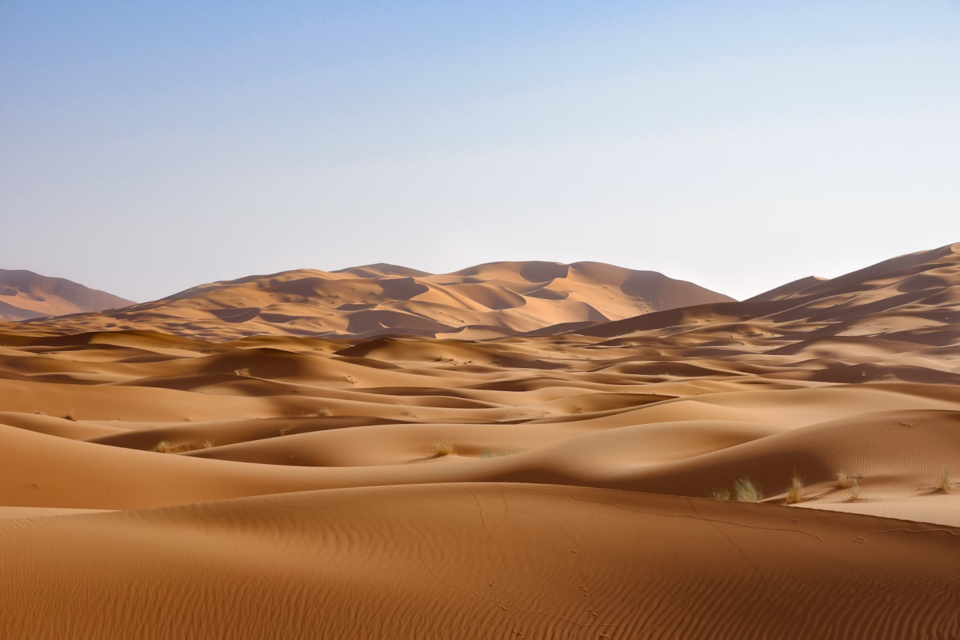
Photo by Emma Van Sant on Unsplash
Great Sand Dunes National Park offers far more than pretty views from a distance. This is a place that invites interaction, where visitors can touch, climb, slide, and explore to their heart’s content.
Sandboarding and Sand Sledding
Sand sledding and sandboarding rank among the most popular activities here. There’s something incredibly fun about careening down a 750-foot dune on a piece of waxed wood or plastic.
Important note: The park itself doesn’t rent equipment.
Visitors need to plan ahead. The Oasis Store, located just four miles from the park entrance, serves as the primary spot for rentals of sandboards and sleds.
Tips for the Best Experience:
- Early mornings work best (cooler sand, slightly damp from overnight temperatures)
- Summer afternoons turn the sand scorching hot
- Technique matters more than you might think
- Unlike snow, sand creates different friction and requires specific waxing
Sand sledding beats expectations when conditions align. Cool morning sand. Properly waxed board. A steep face on High Dune. Pure adrenaline.
Medano Creek’s Seasonal Beach
One of the park’s most surprising features flows at the base of the dunes themselves.
Medano Creek features a rare “surge flow” phenomenon that creates distinct waves as water rushes downstream. These aren’t ocean-style waves, but rather periodic surges caused by sand buildup that temporarily dams the creek before breaking free. The result? A rippling, pulsing stream unlike any other.
Best Time to Visit:
- Peak flow: Late May to early June
- Water source: Snowmelt from Sangre de Cristo Mountains
- Experience: Temporary beach scene next to massive sand dunes
During this window, Medano Creek transforms into something magical. Families wade in the cool water. Kids build sandcastles on the creek’s edge. Everyone enjoys the surreal combination of desert and stream.
Water levels drop significantly by mid-summer, and the creek often dries up completely by late July or August. Timing matters. Visit during peak flow for an entirely different park experience.
Hiking From Dunes to Alpine Lakes
The park’s hiking trails span everything from casual dune walks to serious mountain treks.
High Dune:
- Round-trip time: 2 hours (average fitness)
- Difficulty: Moderate
- The challenge: Walking uphill in loose sand resembles climbing a down escalator
- Every step sinks and slides backward
Star Dune:
- Round-trip time: 6-9 hours
- Difficulty: Strenuous
- Height: Tallest dune in the park
- The reward: Standing atop the highest point, surveying the entire dune field and valley below
Worth it? Absolutely.
For those seeking extended adventures, the Sand Ramp Trail offers prime backpacking in Colorado opportunities. This route follows the transition zone where dunes gradually give way to the mountains, eventually reaching alpine lakes nestled in the high country.
Backcountry camping permits cost $6 and require advance reservation, but they unlock multiple days of exploring this dramatic landscape transition. From sand to summit. From desert heat to alpine chill.
Stargazing in Certified Dark Skies
Great Sand Dunes National Park holds certification as an International Dark Sky Park.
What does that mean? Exceptional night sky viewing conditions protected by designation. The park’s remote location, high elevation, and minimal light pollution combine to create stunning celestial displays. On clear nights, the Milky Way stretches across the sky in vivid detail. Countless stars emerge. Planets shine bright enough to cast shadows.
Ranger Programs (May-September):
- Special astronomy programs on many evenings
- Telescopes set up for public viewing
- Expert guidance through constellations, planets, and deep-space objects
- Context that elevates the experience significantly
Photography enthusiasts particularly love the park at night. Long-exposure shots capture the dunes illuminated by moonlight, with star trails arcing overhead. The contrast between the earth-bound dunes and the infinite sky creates compositions unlike anywhere else.
Bring a blanket. Lie on your back. Let your eyes adjust to the darkness.
The universe reveals itself.
Wildlife and Diverse Ecosystems
The park’s ecosystems extend far beyond the famous dunes. Within the preserve boundaries, visitors find:
- Grasslands
- Wetlands
- Conifer forests
- Alpine tundra
Each zone supports its own community of plants and animals adapted to specific conditions.
Birdwatching Highlights:
- Sandhill Cranes during seasonal migrations
- Songbirds throughout the preserve
- Raptors hunting over grasslands
- Wetland species in marsh areas
Larger mammals make regular appearances. Mule deer frequently graze near the entrance and throughout the grasslands, particularly during early morning and evening hours. Elk herds roam the park, though they tend to stick to higher elevations and more remote areas.
Lucky visitors might spot:
- Bighorn sheep on rocky outcrops
- Pronghorn on the valley floor
- Black bears (occasionally)
Even the dunes themselves support life. Specialized insects and arachnids adapted to extreme temperature swings and mobile substrate call this place home. These hardy creatures represent evolutionary solutions to one of North America’s more challenging environments.
Volcanic History and Mountain Formation
While the dunes dominate the visual landscape, the Sangre de Cristo Mountains provide equally fascinating geology. These peaks formed through tectonic uplift and volcanic activity over millions of years.
The connection between volcanoes in Colorado and the park’s formation runs deep.
The Volcanic Connection:
- Ancient eruptions spread ash across the region
- Volcanic rocks from San Juan Mountains contributed 70% of dune sand
- Water and wind erosion broke down rocks into progressively smaller particles
- Rivers carried sediment into the valley
When Lake Alamosa eventually drained, it left behind the raw material that wind would later sculpt into dunes. Millions of years of volcanic activity. Thousands of years of erosion. Centuries of wind sculpting.
The result stands before visitors today.
Planning Your Visit
Timing a visit to Great Sand Dunes requires considering several factors.
Summer (June-August):
- Warmest weather
- Most intense heat (sand surface temperatures regularly hit 150°F)
- Early morning hikes essential
- Hot enough to cause burns even with shoes
Spring (April-May):
- Moderate temperatures
- Medano Creek flows strongly
- Late May hits the sweet spot
- Best combination of water and weather
Fall (September-October):
- Cooler temperatures
- Fewer crowds
- Beautiful light for photography
- Creek runs dry
Winter (November-March):
- Snow occasionally dusts the dunes
- Striking contrasts against sand
- Temperatures drop significantly
- Fewer crowds mean more solitude
Each season transforms the park.
Camping and Accommodations
Piñon Flats Campground:
- Cost: Approximately $20 per night
- Amenities: Basic facilities, direct trail access
- Reservations: Recommended during peak season (late May-early September)
- Sites fill quickly in summer
Backcountry Camping:
- Permit required: $6, advance reservation needed
- Regulations: Camp at least half-mile from roads and parking areas
- Opens up entire preserve for exploration
- Helps manage impact while maintaining opportunities for solitude
Hotels and vacation rentals in Alamosa provide alternatives for those preferring more comfort. The 37-mile drive takes less than an hour, making day trips entirely feasible.
Junior Rangers and Family Activities
The Junior Ranger program engages children ages 3-12 with age-appropriate activities. Kids complete activity booklets, participate in ranger-led programs, and take the Junior Ranger pledge before receiving their official badges.
It turns park visits into educational adventures. Young visitors develop stewardship values. Families create lasting memories.
Everyone wins.
Practical Tips for Dune Exploration
Walking on sand demands more energy than hiking on trails. What looks like a quick trek to a nearby dune often takes twice as long as expected. The loose surface makes each step harder, especially climbing uphill.
Carry more water than you think necessary.
Footwear Choices:
- Bare feet: Work well during cooler morning hours
- Closed-toe shoes: Essential once sun heats the surface
- Sandals with straps: Popular but sand gets in
- Gaiters: Help keep sand out during longer hikes
Sun Protection (Non-Negotiable):
- High elevation intensifies UV exposure
- Sand reflects additional sunlight upward
- Sunscreen, hats, and long sleeves prevent painful burns
- Sunglasses with good UV protection save eyes from glare
Wind Warnings:
Strong winds, particularly in spring, create sandstorms that reduce visibility and make outdoor activities unpleasant. Check weather forecasts before visiting to avoid the worst conditions.
Dehydration happens quickly at high altitude under intense sun. Altitude sickness can sneak up on visitors from lower elevations. Take it slow. Listen to your body.
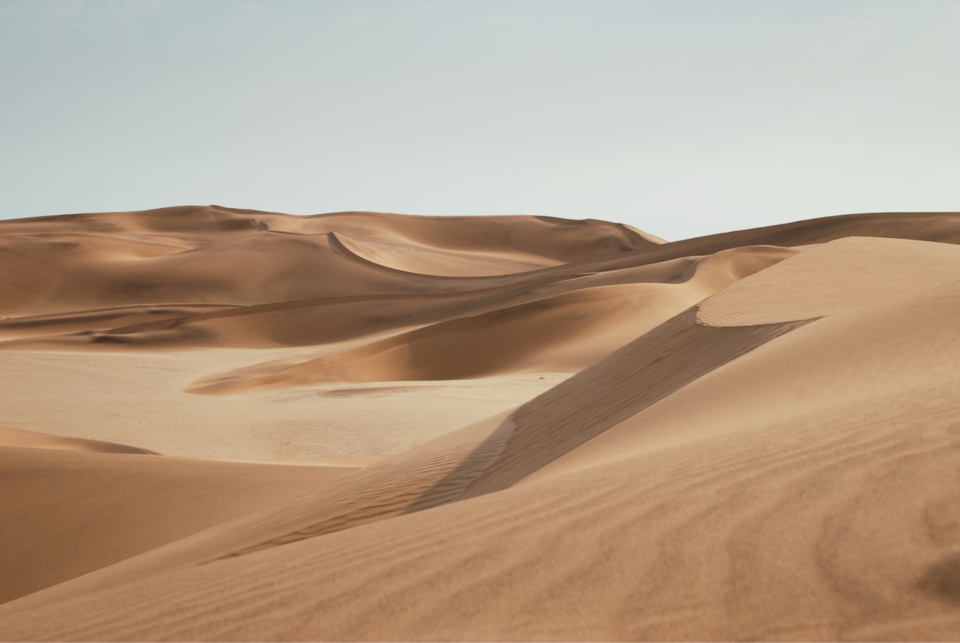
Photo by Keith Hardy on Unsplash
Why This Place Matters
Great Sand Dunes National Park and Preserve protects a landscape found nowhere else.
The specific combination of geology, geography, and climate that created these dunes can’t be replicated. Preservation ensures future generations can experience this natural wonder and scientific laboratory.
Conservation Impact:
- Wetlands support migratory birds
- Forests provide wildlife habitat
- Dunes host specialized species
- Protection maintains ecological connections
Beyond ecology and geology, the park offers something increasingly rare in our modern world.
Genuine wonder.
Standing at the base of a 750-foot sand dune, backed by snow-capped mountains, creates a moment of awe that stays with visitors long after they leave. In an age of screens and simulations, the Great Sand Dunes offer something authentic. Something real. Something that can’t be experienced through a photograph or video.
You have to be there.
Ready for Your Dune Adventure?
Great Sand Dunes National Park and Preserve rewards those who take the time to explore beyond the parking lot.
Sandboard down massive dunes. Splash in Medano Creek. Hike to alpine lakes. Marvel at star-filled skies. Each experience defies expectations.
Before You Go:
- Check current conditions and weather
- Make camping reservations if needed
- Rent sandboards from the Oasis Store
- Pack extra water (more than you think you’ll need)
- Plan hikes for early morning in summer
The dunes are waiting. Rising 750 feet against the Sangre de Cristo Mountains, they’ve stood for hundreds of thousands of years. They’ll be there when you arrive.
Start planning your visit to this remarkable corner of Colorado. Pack your sense of wonder. Prepare for an adventure that challenges everything you thought you knew about deserts, mountains, and the landscapes in between.
The sand calls.