Is Longmont Colorado safe? This data-backed guide covers crime rates, the safest neighborhoods, and what families need to know before moving.
Longmont tends to surprise people. Tucked between Boulder and Fort Collins in Northern Colorado, this city of roughly 100,000 residents has the kind of community feel that's hard to manufacture — walkable historic neighborhoods, miles of trails, a craft beer scene, and a genuine small-city identity. But before packing the moving truck, the question most people are actually asking is: how safe is it?
The honest answer is that Longmont sits in the middle ground. Safer than Denver and Aurora, broadly comparable to Fort Collins, and with some neighborhoods that rank among the quietest in Colorado. At the same time, it has areas with elevated property crime that deserve clear-eyed attention. This guide lays out the data, the neighborhoods, and the context — so readers can make an informed decision.
The Short Answer
Longmont is generally considered one of the safer mid-size cities in Colorado. Its overall crime profile is influenced heavily by property offenses (theft, vehicle break-ins), while violent crime remains relatively low by national standards. Year-over-year trends are moving in the right direction. Families relocate here regularly for good schools, outdoor amenities, and reasonable proximity to Boulder's job market — without Boulder's price tag.
Longmont Crime Statistics (2026)
Photo by Алекс Арцибашев on Unsplash
Understanding the numbers requires some context. Longmont holds an overall crime grade of C and sits in the 43rd percentile for safety nationally — meaning about 57% of U.S. cities are statistically safer. Total crime runs approximately 61% higher than the national average, which sounds alarming until you look at what's driving it: property crime, not violence.
Violent Crime in Longmont
Longmont's violent crime rate sits at 4.74 per 1,000 residents, roughly 29% above the national average for cities of comparable size. In raw numbers, that translates to approximately 469 violent offenses annually, including 351 aggravated assaults and 68 reported rapes.
For perspective, the national violent crime average hovers around 4.0 per 1,000. Longmont is above that baseline, but not dramatically so — and it remains well below Denver and Aurora.
Property Crime in Longmont
Property crime is where Longmont's statistics diverge more sharply from national norms. The property crime rate stands at 32.25 per 1,000 residents, accounting for the vast majority of the city's overall crime total.
Key property crime figures:
Total annual property crimes: approximately 3,189
Theft/larceny: 2,244 reports per year (the most common offense)
Motor vehicle theft: 476 incidents annually
Burglary rate: 5.378 per 1,000 residents
Vandalism rate: 8.670 per 1,000 residents
Resident odds of property crime victimization: approximately 1 in 31
These numbers reflect a pattern common across growing Front Range cities — vehicle break-ins, package theft, and opportunistic larceny in commercial zones. The takeaway for residents: secure your vehicle and don't leave valuables in plain sight.
How Longmont's Crime Rate Has Trended
The trend line is encouraging. Year-over-year data shows a 13% decrease in total crime within the city limits. That decline reflects both active policing initiatives and a community that takes neighborhood safety seriously. Growth brings pressure, but Longmont has managed that pressure better than many comparable Colorado cities.
How Longmont Compares to Other Colorado Cities
Context matters when reading crime data. Here's how Longmont stacks up against nearby cities and the national baseline:
City
Violent Crime / 1k
Property Crime / 1k
Safer Than Longmont?
Longmont
4.74
32.25
—
Boulder
~2.8
~25.0
Generally yes
Fort Collins
~3.5
~28.0
Comparable
Denver
~9.0
~45.0
No
Aurora
~8.5
~40.0
No
National Average
~4.0
~19.0
Baseline
Note: City comparisons use available 2023 FBI Crime Data Explorer figures and NeighborhoodScout estimates. Verify current-year updates at ucr.fbi.gov and longmontcolorado.gov.
Longmont compares favorably to Colorado's larger metros. Denver and Aurora both carry substantially higher crime rates across the board. Boulder edges out Longmont on most metrics, but at roughly double the cost of living — a tradeoff many families make deliberately when choosing Longmont. For the full statewide picture, the breakdown of the top 10 safest cities in Colorado puts Longmont's position in a useful regional context.
Safest Neighborhoods in Longmont, CO
Photo by Jessica Fadel on Unsplash
Longmont's safest areas tend to cluster in the northeast and southwest quadrants of the city. Residents in the safest neighborhoods face roughly a 1 in 36 chance of becoming a crime victim — well below the citywide average.
Prospect
One of Longmont's most distinctive neighborhoods, Prospect is a New Urbanist planned community with walkable streets, alley-facing garages, and a tight-knit residential atmosphere. Lower crime density, high community engagement, and a genuinely charming layout make it a consistent favorite for families.
Rainbow Ridge and Sunset
These established southwest neighborhoods carry a strong family-friendly reputation and a long track record of lower crime reports. Mature tree canopy, quiet streets, and proximity to good schools contribute to their consistent demand.
Fox Hill
A golf course community on the southeast side of the city, Fox Hill brings a quieter suburban feel with a primarily residential character. Lower foot traffic and homeowner investment in the neighborhood contribute to a calmer crime profile.
Clover Basin
Located in southwest Longmont, Clover Basin features newer construction and a demographic that skews toward young families. Newer development tends to attract attentive residents and HOA oversight, both of which correlate with lower property crime.
Hovnanian and Ute Creek Area
East Longmont has seen significant newer development in recent years, and the Hovnanian and Ute Creek neighborhoods reflect that growth. Generally safe, with lower historical crime rates than central and north Longmont.
Northeast Longmont
Northeast neighborhoods as a whole offer solid safety metrics and a mix of housing styles. Lower crime density here compared to the city center makes it a viable choice for those prioritizing residential quiet.
Areas in Longmont with Higher Crime Activity
Photo by niu niu on Unsplash
Every city has areas that require more awareness, and Longmont is no exception. These are places to understand, not necessarily avoid entirely — but eyes-open navigation is worthwhile.
Downtown Longmont Corridor
Downtown is a state-certified Creative District with genuine energy: restaurants, breweries, galleries, and foot traffic. Higher activity naturally means a higher concentration of property crime and occasional incidents. It's a vibrant area that rewards situational awareness, especially after dark.
North Longmont Near Hover and 9th
Historically, this area has generated more crime reports than the city's south and southwest quadrants. It's not uniformly high-risk, but block-by-block variation is worth researching before committing to a specific address.
US-287 Corridor
The commercial strip running along US-287 sees elevated vehicle theft and property crime — a pattern common to high-traffic commercial corridors in most Front Range cities. Exercise standard precautions when parking in this area.
A useful tool for block-level research: the Longmont Public Safety crime map lets prospective residents check specific streets before signing a lease or making an offer.
Longmont-Specific Safety Factors Worth Knowing
A few things about Longmont's safety picture don't show up in national crime databases but matter quite a bit to people actually living there.
Longmont Public Safety structure. Longmont operates a combined Public Safety department that integrates police and fire services under one umbrella — a relatively unusual arrangement. The Co-Responder Program pairs officers with mental health clinicians for calls that warrant that approach, reducing unnecessary escalation and improving outcomes.
Community policing culture. The department runs a Citizens Police Academy, hosts National Night Out events annually, and actively supports neighborhood watch programs citywide. These aren't just PR efforts — they reflect a genuine community-policing philosophy that has contributed to the downward crime trend.
Growth and demographic shift. Longmont has absorbed significant growth as Boulder workers priced out of Boulder head north. That demographic shift generally brings higher homeownership rates and community investment, which has a stabilizing effect on neighborhood safety over time.
Homeless population and downtown. Like most Front Range cities, Longmont has a visible homeless population concentrated around the downtown corridor. It's worth acknowledging honestly: this contributes to some of the foot-traffic-related incidents downtown while remaining separate from the residential crime picture in most neighborhoods.
St. Vrain River flooding. Safety in Longmont also means understanding natural hazards. Certain low-lying areas near the St. Vrain Valley carry flood risk — a relevant consideration for the "is it safe to live here" question that goes beyond crime statistics.
Is Longmont Safe for Families?
Short answer: yes, and meaningfully so.
The St. Vrain Valley School District consistently earns strong ratings and serves as a genuine draw for families relocating to the area. Public spaces are well-maintained across the city's 1,500 acres of parks and open space. The 42 miles of multi-use trails that connect neighborhoods are actively used by families, cyclists, and pedestrians throughout the year.
Youth programming is robust, community events are frequent, and the overall residential atmosphere in the safer quadrants of the city is genuinely family-oriented. The families who choose Longmont are typically doing so with clear-eyed awareness of the city's tradeoffs — and finding that the value proposition holds up.
Neighborhood picks for families: Prospect, Clover Basin, Rainbow Ridge, and Fox Hill offer the best combination of safety metrics, school proximity, and residential character. Anyone weighing Longmont against other options will find the broader Colorado living guides helpful for comparing cities across the state on the factors that matter most to families.
Is Longmont Safe to Visit?
Photo by Turquo Cabbit on Unsplash
Visitors to Longmont generally have a smooth experience. A few areas and practical notes:
Downtown Main Street is the heart of the visitor experience — restaurants, breweries, galleries, and the Longmont Museum are all concentrated here. Daytime and evening visits are generally relaxed. Standard urban awareness applies after midnight.
Union Reservoir is a popular outdoor recreation destination on the east side of the city with a calm, family-friendly atmosphere.
The Longmont Museum and surrounding cultural district are low-traffic and comfortable for all visitors.
Trail use: The multi-use trail network is best navigated during daylight hours. Most trails are well-traveled and considered safe, but solo use after dark in less-trafficked sections warrants reasonable caution.
Tips for Staying Safe in Longmont
Practical habits go a long way here. The most impactful steps for residents and visitors alike:
Lock your vehicle — every time. Auto theft and smash-and-grab are the most common crimes in Longmont. Remove valuables from sight before walking away.
Use the crime map. The Longmont Public Safety crime map at longmontcolorado.gov lets you research specific streets and intersections before renting or buying.
Join Nextdoor. Hyperlocal safety updates from actual neighbors are more timely and granular than any published dataset.
Connect to NextLight. Longmont's community-owned fiber-optic network provides reliable, high-speed connectivity that supports modern home security systems and real-time camera monitoring.
Engage with Neighborhood Watch. The Longmont Police Department actively supports these programs — participation directly reduces property crime risk.
Know the non-emergency line: 303-651-8501 for situations that don't require an emergency response.
Register security cameras with Longmont Public Safety's voluntary program if available in your area — it strengthens the community-wide safety network.
Frequently Asked Questions
Photo by Veronica on Unsplash
Is Longmont, Colorado a safe place to live? Longmont is a reasonably safe mid-size city with a declining overall crime trend. Property crime is the primary concern; violent crime remains relatively low. Neighborhood choice matters significantly.
What is the crime rate in Longmont, CO? The violent crime rate is approximately 4.74 per 1,000 residents. The property crime rate is approximately 32.25 per 1,000 residents, based on recent reporting data.
What are the safest neighborhoods in Longmont, Colorado? Prospect, Clover Basin, Fox Hill, Rainbow Ridge, and northeast Longmont consistently show lower crime density than the city average.
Is Longmont safer than Boulder? Boulder generally has lower crime rates across most metrics, though the difference is not dramatic. Boulder also carries significantly higher housing costs.
Is Longmont safer than Denver? Yes, meaningfully so. Denver's crime rates run substantially higher than Longmont's across both violent and property crime categories.
What is the most common crime in Longmont, CO? Theft and larceny, with 2,244 reported incidents annually. Vehicle break-ins are the most commonly reported specific offense.
Is downtown Longmont safe at night? Downtown is active and generally manageable at night, particularly in the earlier evening hours. Standard urban awareness — staying in well-lit areas, traveling with others when possible — applies.
Is Longmont good for families? Yes. Strong schools through the St. Vrain Valley School District, extensive parks and trail infrastructure, and family-oriented neighborhoods in the south and southwest make Longmont a consistently popular choice for families relocating from larger metros. Those also considering Aurora will find Longmont compares favorably on most safety metrics.
Longmont rewards those who do the research. The data tells a nuanced story — one that's more encouraging than a surface-level crime grade suggests, and more honest than a tourism brochure would allow. If a connected, outdoors-oriented Colorado community with declining crime rates and genuine neighborhood character sounds appealing, Longmont is worth a serious look.
Ready to dig deeper? Pull up the Longmont Public Safety crime map at longmontcolorado.gov, research the specific streets on your shortlist, and connect with locals on Nextdoor to get a ground-level read on the neighborhoods that interest you most.
Longmont tends to surprise people. Tucked between Boulder and Fort Collins in Northern Colorado, this city of roughly 100,000 residents has the kind of community feel that’s hard to manufacture — walkable historic neighborhoods, miles of trails, a craft beer scene, and a genuine small-city identity. But before packing the moving truck, the question most people are actually asking is: how safe is it?
The honest answer is that Longmont sits in the middle ground. Safer than Denver and Aurora, broadly comparable to Fort Collins, and with some neighborhoods that rank among the quietest in Colorado. At the same time, it has areas with elevated property crime that deserve clear-eyed attention. This guide lays out the data, the neighborhoods, and the context — so readers can make an informed decision.
The Short Answer
Longmont is generally considered one of the safer mid-size cities in Colorado. Its overall crime profile is influenced heavily by property offenses (theft, vehicle break-ins), while violent crime remains relatively low by national standards. Year-over-year trends are moving in the right direction. Families relocate here regularly for good schools, outdoor amenities, and reasonable proximity to Boulder’s job market — without Boulder’s price tag.
Longmont Crime Statistics (2026)

Photo by Алекс Арцибашев on Unsplash
Understanding the numbers requires some context. Longmont holds an overall crime grade of C and sits in the 43rd percentile for safety nationally — meaning about 57% of U.S. cities are statistically safer. Total crime runs approximately 61% higher than the national average, which sounds alarming until you look at what’s driving it: property crime, not violence.
Violent Crime in Longmont
Longmont’s violent crime rate sits at 4.74 per 1,000 residents, roughly 29% above the national average for cities of comparable size. In raw numbers, that translates to approximately 469 violent offenses annually, including 351 aggravated assaults and 68 reported rapes.
For perspective, the national violent crime average hovers around 4.0 per 1,000. Longmont is above that baseline, but not dramatically so — and it remains well below Denver and Aurora.
Property Crime in Longmont
Property crime is where Longmont’s statistics diverge more sharply from national norms. The property crime rate stands at 32.25 per 1,000 residents, accounting for the vast majority of the city’s overall crime total.
Key property crime figures:
- Total annual property crimes: approximately 3,189
- Theft/larceny: 2,244 reports per year (the most common offense)
- Motor vehicle theft: 476 incidents annually
- Burglary rate: 5.378 per 1,000 residents
- Vandalism rate: 8.670 per 1,000 residents
- Resident odds of property crime victimization: approximately 1 in 31
These numbers reflect a pattern common across growing Front Range cities — vehicle break-ins, package theft, and opportunistic larceny in commercial zones. The takeaway for residents: secure your vehicle and don’t leave valuables in plain sight.
How Longmont’s Crime Rate Has Trended
The trend line is encouraging. Year-over-year data shows a 13% decrease in total crime within the city limits. That decline reflects both active policing initiatives and a community that takes neighborhood safety seriously. Growth brings pressure, but Longmont has managed that pressure better than many comparable Colorado cities.
How Longmont Compares to Other Colorado Cities
Context matters when reading crime data. Here’s how Longmont stacks up against nearby cities and the national baseline:
|
City
|
Violent Crime / 1k
|
Property Crime / 1k
|
Safer Than Longmont?
|
|
Longmont
|
4.74
|
32.25
|
—
|
|
Boulder
|
~2.8
|
~25.0
|
Generally yes
|
|
Fort Collins
|
~3.5
|
~28.0
|
Comparable
|
|
Denver
|
~9.0
|
~45.0
|
No
|
|
Aurora
|
~8.5
|
~40.0
|
No
|
|
National Average
|
~4.0
|
~19.0
|
Baseline
|
Note: City comparisons use available 2023 FBI Crime Data Explorer figures and NeighborhoodScout estimates. Verify current-year updates at ucr.fbi.gov and longmontcolorado.gov.
Longmont compares favorably to Colorado’s larger metros. Denver and Aurora both carry substantially higher crime rates across the board. Boulder edges out Longmont on most metrics, but at roughly double the cost of living — a tradeoff many families make deliberately when choosing Longmont. For the full statewide picture, the breakdown of the top 10 safest cities in Colorado puts Longmont’s position in a useful regional context.
Safest Neighborhoods in Longmont, CO

Photo by Jessica Fadel on Unsplash
Longmont’s safest areas tend to cluster in the northeast and southwest quadrants of the city. Residents in the safest neighborhoods face roughly a 1 in 36 chance of becoming a crime victim — well below the citywide average.
Prospect
One of Longmont’s most distinctive neighborhoods, Prospect is a New Urbanist planned community with walkable streets, alley-facing garages, and a tight-knit residential atmosphere. Lower crime density, high community engagement, and a genuinely charming layout make it a consistent favorite for families.
Rainbow Ridge and Sunset
These established southwest neighborhoods carry a strong family-friendly reputation and a long track record of lower crime reports. Mature tree canopy, quiet streets, and proximity to good schools contribute to their consistent demand.
Fox Hill
A golf course community on the southeast side of the city, Fox Hill brings a quieter suburban feel with a primarily residential character. Lower foot traffic and homeowner investment in the neighborhood contribute to a calmer crime profile.
Clover Basin
Located in southwest Longmont, Clover Basin features newer construction and a demographic that skews toward young families. Newer development tends to attract attentive residents and HOA oversight, both of which correlate with lower property crime.
Hovnanian and Ute Creek Area
East Longmont has seen significant newer development in recent years, and the Hovnanian and Ute Creek neighborhoods reflect that growth. Generally safe, with lower historical crime rates than central and north Longmont.
Northeast Longmont
Northeast neighborhoods as a whole offer solid safety metrics and a mix of housing styles. Lower crime density here compared to the city center makes it a viable choice for those prioritizing residential quiet.
Areas in Longmont with Higher Crime Activity

Photo by niu niu on Unsplash
Every city has areas that require more awareness, and Longmont is no exception. These are places to understand, not necessarily avoid entirely — but eyes-open navigation is worthwhile.
Downtown Longmont Corridor
Downtown is a state-certified Creative District with genuine energy: restaurants, breweries, galleries, and foot traffic. Higher activity naturally means a higher concentration of property crime and occasional incidents. It’s a vibrant area that rewards situational awareness, especially after dark.
North Longmont Near Hover and 9th
Historically, this area has generated more crime reports than the city’s south and southwest quadrants. It’s not uniformly high-risk, but block-by-block variation is worth researching before committing to a specific address.
US-287 Corridor
The commercial strip running along US-287 sees elevated vehicle theft and property crime — a pattern common to high-traffic commercial corridors in most Front Range cities. Exercise standard precautions when parking in this area.
A useful tool for block-level research: the Longmont Public Safety crime map lets prospective residents check specific streets before signing a lease or making an offer.
Longmont-Specific Safety Factors Worth Knowing
A few things about Longmont’s safety picture don’t show up in national crime databases but matter quite a bit to people actually living there.
Longmont Public Safety structure. Longmont operates a combined Public Safety department that integrates police and fire services under one umbrella — a relatively unusual arrangement. The Co-Responder Program pairs officers with mental health clinicians for calls that warrant that approach, reducing unnecessary escalation and improving outcomes.
Community policing culture. The department runs a Citizens Police Academy, hosts National Night Out events annually, and actively supports neighborhood watch programs citywide. These aren’t just PR efforts — they reflect a genuine community-policing philosophy that has contributed to the downward crime trend.
Growth and demographic shift. Longmont has absorbed significant growth as Boulder workers priced out of Boulder head north. That demographic shift generally brings higher homeownership rates and community investment, which has a stabilizing effect on neighborhood safety over time.
Homeless population and downtown. Like most Front Range cities, Longmont has a visible homeless population concentrated around the downtown corridor. It’s worth acknowledging honestly: this contributes to some of the foot-traffic-related incidents downtown while remaining separate from the residential crime picture in most neighborhoods.
St. Vrain River flooding. Safety in Longmont also means understanding natural hazards. Certain low-lying areas near the St. Vrain Valley carry flood risk — a relevant consideration for the “is it safe to live here” question that goes beyond crime statistics.
Is Longmont Safe for Families?
Short answer: yes, and meaningfully so.
The St. Vrain Valley School District consistently earns strong ratings and serves as a genuine draw for families relocating to the area. Public spaces are well-maintained across the city’s 1,500 acres of parks and open space. The 42 miles of multi-use trails that connect neighborhoods are actively used by families, cyclists, and pedestrians throughout the year.
Youth programming is robust, community events are frequent, and the overall residential atmosphere in the safer quadrants of the city is genuinely family-oriented. The families who choose Longmont are typically doing so with clear-eyed awareness of the city’s tradeoffs — and finding that the value proposition holds up.
Neighborhood picks for families: Prospect, Clover Basin, Rainbow Ridge, and Fox Hill offer the best combination of safety metrics, school proximity, and residential character. Anyone weighing Longmont against other options will find the broader Colorado living guides helpful for comparing cities across the state on the factors that matter most to families.
Is Longmont Safe to Visit?
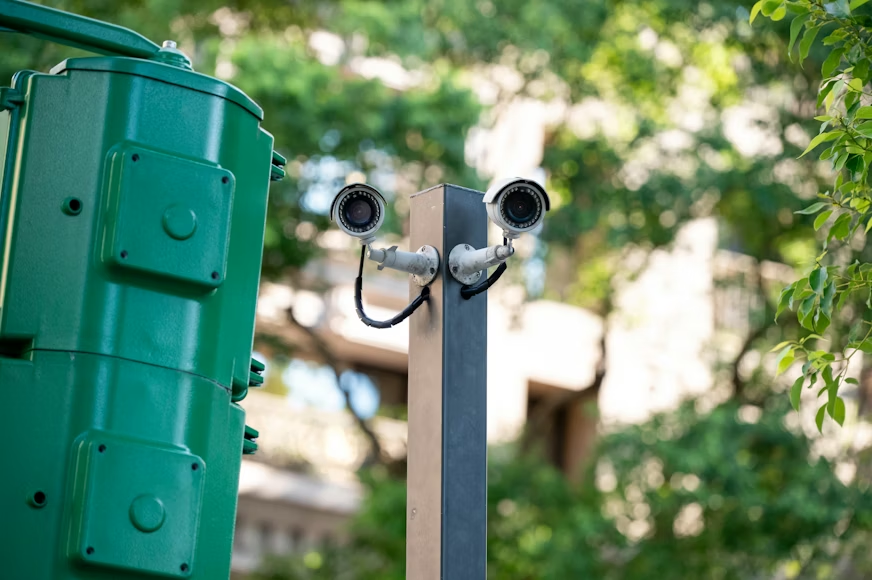
Photo by Turquo Cabbit on Unsplash
Visitors to Longmont generally have a smooth experience. A few areas and practical notes:
- Downtown Main Street is the heart of the visitor experience — restaurants, breweries, galleries, and the Longmont Museum are all concentrated here. Daytime and evening visits are generally relaxed. Standard urban awareness applies after midnight.
- Union Reservoir is a popular outdoor recreation destination on the east side of the city with a calm, family-friendly atmosphere.
- The Longmont Museum and surrounding cultural district are low-traffic and comfortable for all visitors.
- Trail use: The multi-use trail network is best navigated during daylight hours. Most trails are well-traveled and considered safe, but solo use after dark in less-trafficked sections warrants reasonable caution.
Tips for Staying Safe in Longmont
Practical habits go a long way here. The most impactful steps for residents and visitors alike:
- Lock your vehicle — every time. Auto theft and smash-and-grab are the most common crimes in Longmont. Remove valuables from sight before walking away.
- Use the crime map. The Longmont Public Safety crime map at longmontcolorado.gov lets you research specific streets and intersections before renting or buying.
- Join Nextdoor. Hyperlocal safety updates from actual neighbors are more timely and granular than any published dataset.
- Connect to NextLight. Longmont’s community-owned fiber-optic network provides reliable, high-speed connectivity that supports modern home security systems and real-time camera monitoring.
- Engage with Neighborhood Watch. The Longmont Police Department actively supports these programs — participation directly reduces property crime risk.
- Know the non-emergency line: 303-651-8501 for situations that don’t require an emergency response.
- Register security cameras with Longmont Public Safety’s voluntary program if available in your area — it strengthens the community-wide safety network.
Frequently Asked Questions
Photo by Veronica on Unsplash
Is Longmont, Colorado a safe place to live? Longmont is a reasonably safe mid-size city with a declining overall crime trend. Property crime is the primary concern; violent crime remains relatively low. Neighborhood choice matters significantly.
What is the crime rate in Longmont, CO? The violent crime rate is approximately 4.74 per 1,000 residents. The property crime rate is approximately 32.25 per 1,000 residents, based on recent reporting data.
What are the safest neighborhoods in Longmont, Colorado? Prospect, Clover Basin, Fox Hill, Rainbow Ridge, and northeast Longmont consistently show lower crime density than the city average.
Is Longmont safer than Boulder? Boulder generally has lower crime rates across most metrics, though the difference is not dramatic. Boulder also carries significantly higher housing costs.
Is Longmont safer than Denver? Yes, meaningfully so. Denver’s crime rates run substantially higher than Longmont’s across both violent and property crime categories.
What is the most common crime in Longmont, CO? Theft and larceny, with 2,244 reported incidents annually. Vehicle break-ins are the most commonly reported specific offense.
Is downtown Longmont safe at night? Downtown is active and generally manageable at night, particularly in the earlier evening hours. Standard urban awareness — staying in well-lit areas, traveling with others when possible — applies.
Is Longmont good for families? Yes. Strong schools through the St. Vrain Valley School District, extensive parks and trail infrastructure, and family-oriented neighborhoods in the south and southwest make Longmont a consistently popular choice for families relocating from larger metros. Those also considering Aurora will find Longmont compares favorably on most safety metrics.
Longmont rewards those who do the research. The data tells a nuanced story — one that’s more encouraging than a surface-level crime grade suggests, and more honest than a tourism brochure would allow. If a connected, outdoors-oriented Colorado community with declining crime rates and genuine neighborhood character sounds appealing, Longmont is worth a serious look.
Ready to dig deeper? Pull up the Longmont Public Safety crime map at longmontcolorado.gov, research the specific streets on your shortlist, and connect with locals on Nextdoor to get a ground-level read on the neighborhoods that interest you most.