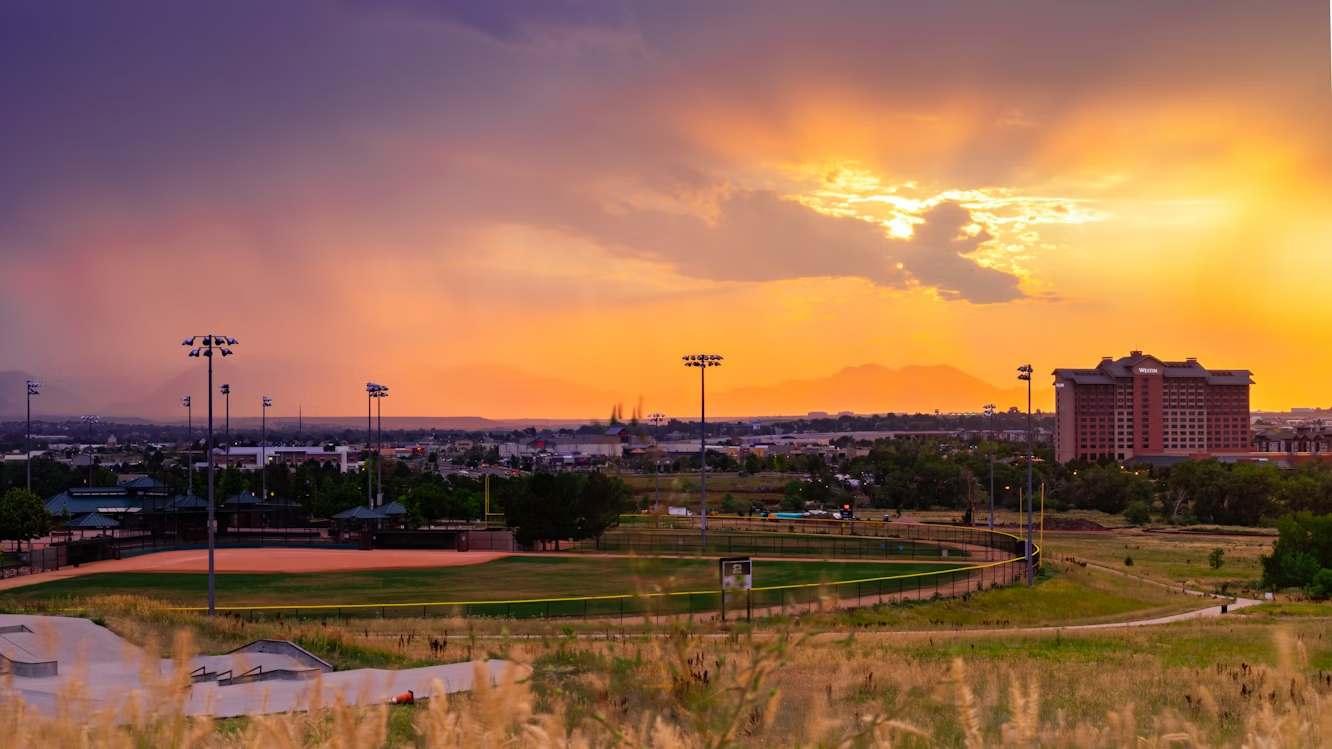
Westminster, Colorado, earns its reputation quietly, through tree-lined neighborhoods, proximity to the Rockies, and a city plan that clearly values the people who live in it.
Westminster, Colorado, earns its reputation quietly, through tree-lined neighborhoods, proximity to the Rockies, and a city plan that clearly values the people who live in it. Situated nine miles northwest of the Colorado State Capitol, this home rule municipality of 115,000 residents has all the access of a metro city without the noise that comes with it.
Whether a relocation to the Front Range is already in the works or still just an idea taking shape, Westminster rewards a closer look.
Here's everything worth knowing before making the move.
Photo by Eric Dahm on Unsplash
Regional Geography and Municipal Overview
Westminster straddles the jurisdictional border of Adams and Jefferson counties, a dual-county positioning that gives residents flexibility when it comes to accessing governmental services and judicial systems. The city spans 34 square miles, including 2.3 square miles of water, and ranks as the eighth most populous city in Colorado.
Incorporated in 1911, Westminster has a mature municipal framework built for long-term stability. It's bordered by Broomfield to the north and Arvada to the south, placing residents within easy reach of specialized medical facilities, diverse retail, and regional employment hubs. The local police department employs 197 sworn officers, maintaining a visible, community-oriented presence throughout the city.
This is a city that functions well because it was designed to.
Economic Analysis and Household Costs
Westminster's cost of living sits 21.3% above the national average, which reflects the broader reality of living in a high-growth region along Colorado's Front Range. That said, context matters. For a deeper look at what daily expenses actually look like statewide, Is Colorado Expensive to Live? offers a useful breakdown.
Within the metro area, Westminster holds a distinct financial advantage:
Median household income: $82,686
Housing cost: 15% lower than neighboring Broomfield
State income tax: Colorado's flat rate of 4.4% keeps annual planning predictable
Groceries: A single adult spends approximately $400/month; bananas run $3.17, eggs $2.12
Utilities: Two-bedroom apartment utility bills range from $180 to $250/month
Gas: $2.35 per gallon
Public transit: A 30-day pass costs $75
These numbers make Westminster one of the more financially accessible entry points into the Denver metro without sacrificing quality of life.
Photo by Spacejoy on Unsplash
Housing Market Trends and Residential Districts
The real estate market in Westminster reflects the broader demand pressures of the Front Range, but it still offers genuine value compared to Denver proper. Median home prices range between $525,000 and $543,250, with an average cost of $257 per square foot. Families who choose Westminster over Denver typically save around $240/month, which adds up quickly.
Renters can expect to pay around $1,800/month for a two-bedroom apartment, providing a flexible, lower-commitment entry point into the city.
Westminster's neighborhoods each carry their own character:
Shaw Heights and Legacy Ridge offer mature landscaping, established community roots, and stable property values
Huntington Trails and Shoenberg Farms attract buyers looking for modern construction and energy-efficient design
Westminster Hills and Hyland Greens serve distinct lifestyle preferences, from trail-adjacent living to proximity to local business corridors
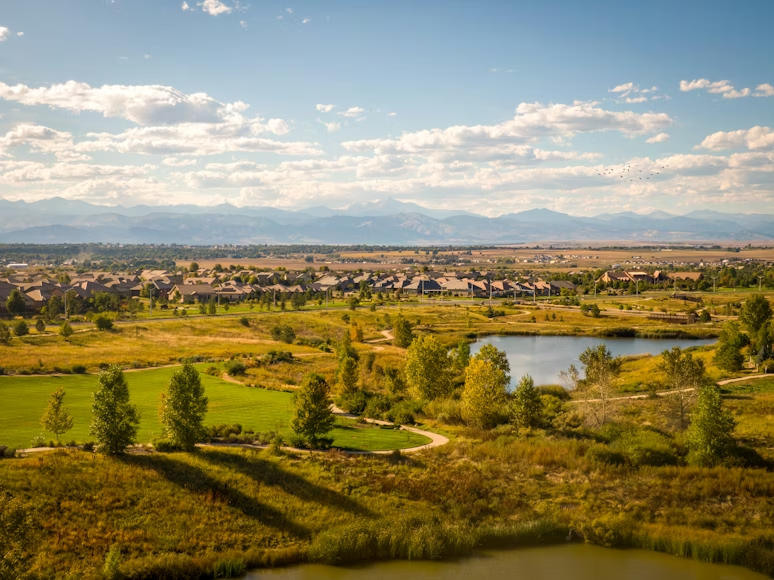
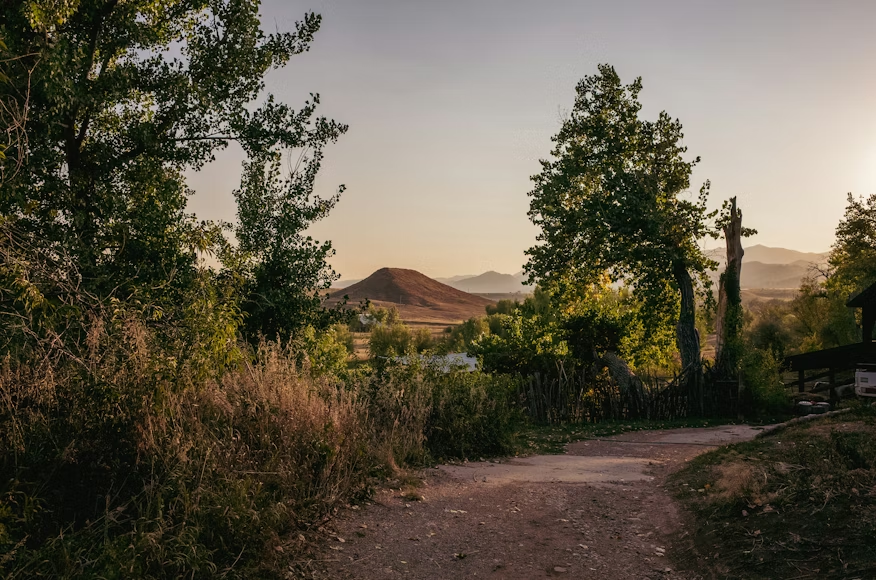
Strategic home selection in any of these districts puts residents close to the city's 2,900 acres of protected open space, which is one of Westminster's most underrated selling points.
Photo by Elisa Calvet B. on Unsplash
Educational Landscape
Westminster is home to 19 public schools serving a community where 95% of adults hold high school diplomas. That level of educational attainment isn't just a statistic. It reflects a culture that values learning and directly supports a local economy built on technical expertise and civic engagement.
Schools are distributed across city neighborhoods, reducing travel times for families and weaving education naturally into daily life. The result is a workforce pipeline that local employers can depend on.
Municipal Recreation and Natural Spaces
242 sunny days per year. That alone says a lot.
Westminster's outdoor infrastructure is genuinely impressive. The city protects 2,900 acres of open space, and residents have immediate access to:
Big Dry Creek Trail for uninterrupted hiking and biking through natural corridors
Standley Lake, a massive reservoir offering water recreation and wildlife observation within city limits
Seasonal recreation varies with the climate:
Spring (46°F to 61°F): Ideal for early-season gardening and trail use
Summer (highs near 95°F): Water features provide natural relief
Autumn (52°F to 64°F): Perfect for outdoor festivals and community events
Winter: 45 to 64 inches of annual snowfall creates a scenic backdrop for cold-weather hobbies
Westminster's culinary culture is also worth exploring. Colorado has a distinctive food identity, and Food Colorado Is Known For covers the regional flavors that make the Front Range dining scene genuinely special.
Transit Infrastructure and Regional Commuting
The average Westminster commute clocks in at 30 minutes, which is a manageable tradeoff for suburban living. About 22.9% of workers face commutes longer than 60 minutes, but the transit network softens that with reliable options. Bus routes connect residents to major employment hubs, with typical bus commutes running 30 to 35 minutes.
A monthly transit pass at $75 is an affordable alternative to daily driving, especially given the 17 inches of annual rainfall and heavy winter snowfall that can complicate road travel. Westminster's road networks also integrate smoothly with regional highways, keeping the broader Front Range accessible without requiring a long drive to get there.
Photo by D0N MIL04K
Community, Culture, and Safety
Westminster City Hall features a 130-foot bell tower modeled after London's Big Ben, a 14-story civic landmark that doubles as a navigational anchor and a source of local pride. The annual Westy Fest celebration gives residents a regular opportunity to connect with neighbors and celebrate what makes the city distinct.
On the safety front, Westminster's violent crime rate sits 10% below the national average. Property crime rates of 45.2 per 100,000 are worth being aware of, and proactive awareness is always sensible in any urban-adjacent area.
The city's 1911 incorporation legacy reflects a long tradition of careful planning, and that ethos continues to shape decisions made at the municipal level today.
Colorado Living: The Bigger Picture
Westminster is a strong landing spot, but the right city depends on personal priorities. Climate, cost, lifestyle, and community all weigh differently for different people. The Pros and Cons of Living in Colorado: Weighing the Benefits and Drawbacks breaks down what Front Range living actually looks like across the board, covering everything from outdoor access to the financial realities of settling in the Centennial State.
For those who run cold and want guaranteed sunshine year-round, Westminster's 242 sunny days are impressive, but some Colorado cities edge it out. The Warmest Places in Colorado roundup is worth a read before committing to a zip code.
Westminster holds up well in both comparisons. But doing the research makes the decision easier to stand behind.
Final Thoughts
Westminster checks a lot of boxes: suburban tranquility, genuine outdoor access, a strong school network, competitive housing costs by metro standards, and a civic identity that's been quietly built over more than a century. It's not flashy, but it's solid in all the ways that matter for long-term quality of life.
Ready to explore what a move to Westminster could look like? Connect with a local real estate professional to tour available neighborhoods and find a home that fits the lifestyle goals at the top of the list. The Front Range is waiting.
Westminster, Colorado, earns its reputation quietly, through tree-lined neighborhoods, proximity to the Rockies, and a city plan that clearly values the people who live in it. Situated nine miles northwest of the Colorado State Capitol, this home rule municipality of 115,000 residents has all the access of a metro city without the noise that comes with it.
Whether a relocation to the Front Range is already in the works or still just an idea taking shape, Westminster rewards a closer look.
Here’s everything worth knowing before making the move.
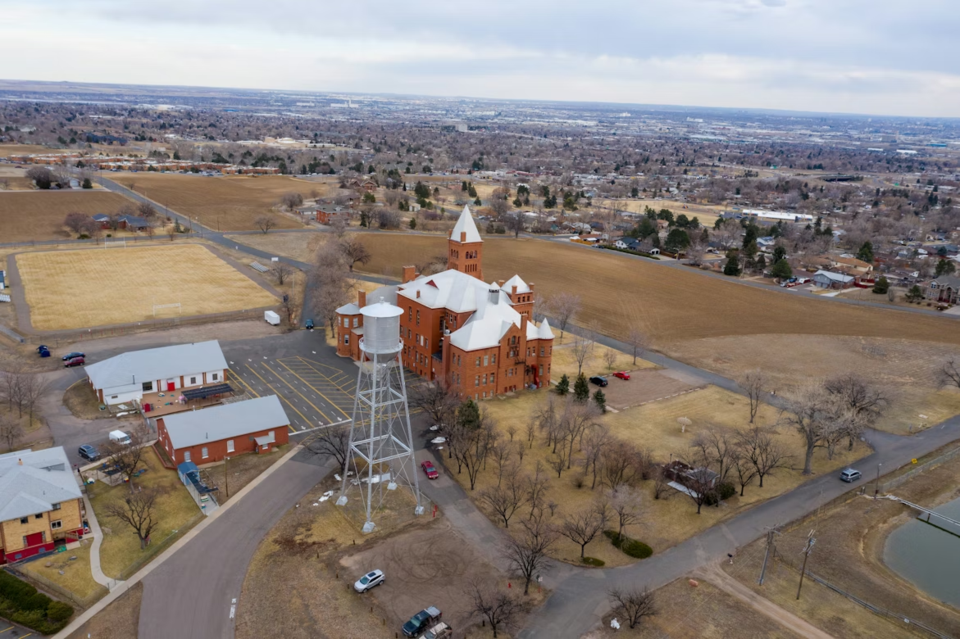
Photo by Eric Dahm on Unsplash
Regional Geography and Municipal Overview
Westminster straddles the jurisdictional border of Adams and Jefferson counties, a dual-county positioning that gives residents flexibility when it comes to accessing governmental services and judicial systems. The city spans 34 square miles, including 2.3 square miles of water, and ranks as the eighth most populous city in Colorado.
Incorporated in 1911, Westminster has a mature municipal framework built for long-term stability. It’s bordered by Broomfield to the north and Arvada to the south, placing residents within easy reach of specialized medical facilities, diverse retail, and regional employment hubs. The local police department employs 197 sworn officers, maintaining a visible, community-oriented presence throughout the city.
This is a city that functions well because it was designed to.
Economic Analysis and Household Costs
Westminster’s cost of living sits 21.3% above the national average, which reflects the broader reality of living in a high-growth region along Colorado’s Front Range. That said, context matters. For a deeper look at what daily expenses actually look like statewide, Is Colorado Expensive to Live? offers a useful breakdown.
Within the metro area, Westminster holds a distinct financial advantage:
- Median household income: $82,686
- Housing cost: 15% lower than neighboring Broomfield
- State income tax: Colorado’s flat rate of 4.4% keeps annual planning predictable
- Groceries: A single adult spends approximately $400/month; bananas run $3.17, eggs $2.12
- Utilities: Two-bedroom apartment utility bills range from $180 to $250/month
- Gas: $2.35 per gallon
- Public transit: A 30-day pass costs $75
These numbers make Westminster one of the more financially accessible entry points into the Denver metro without sacrificing quality of life.

Photo by Spacejoy on Unsplash
Housing Market Trends and Residential Districts
The real estate market in Westminster reflects the broader demand pressures of the Front Range, but it still offers genuine value compared to Denver proper. Median home prices range between $525,000 and $543,250, with an average cost of $257 per square foot. Families who choose Westminster over Denver typically save around $240/month, which adds up quickly.
Renters can expect to pay around $1,800/month for a two-bedroom apartment, providing a flexible, lower-commitment entry point into the city.
Westminster’s neighborhoods each carry their own character:
- Shaw Heights and Legacy Ridge offer mature landscaping, established community roots, and stable property values
- Huntington Trails and Shoenberg Farms attract buyers looking for modern construction and energy-efficient design
- Westminster Hills and Hyland Greens serve distinct lifestyle preferences, from trail-adjacent living to proximity to local business corridors
Strategic home selection in any of these districts puts residents close to the city’s 2,900 acres of protected open space, which is one of Westminster’s most underrated selling points.

Photo by Elisa Calvet B. on Unsplash
Educational Landscape
Westminster is home to 19 public schools serving a community where 95% of adults hold high school diplomas. That level of educational attainment isn’t just a statistic. It reflects a culture that values learning and directly supports a local economy built on technical expertise and civic engagement.
Schools are distributed across city neighborhoods, reducing travel times for families and weaving education naturally into daily life. The result is a workforce pipeline that local employers can depend on.
Municipal Recreation and Natural Spaces
242 sunny days per year. That alone says a lot.
Westminster’s outdoor infrastructure is genuinely impressive. The city protects 2,900 acres of open space, and residents have immediate access to:
- Big Dry Creek Trail for uninterrupted hiking and biking through natural corridors
- Standley Lake, a massive reservoir offering water recreation and wildlife observation within city limits
Seasonal recreation varies with the climate:
- Spring (46°F to 61°F): Ideal for early-season gardening and trail use
- Summer (highs near 95°F): Water features provide natural relief
- Autumn (52°F to 64°F): Perfect for outdoor festivals and community events
- Winter: 45 to 64 inches of annual snowfall creates a scenic backdrop for cold-weather hobbies
Westminster’s culinary culture is also worth exploring. Colorado has a distinctive food identity, and Food Colorado Is Known For covers the regional flavors that make the Front Range dining scene genuinely special.
Transit Infrastructure and Regional Commuting
The average Westminster commute clocks in at 30 minutes, which is a manageable tradeoff for suburban living. About 22.9% of workers face commutes longer than 60 minutes, but the transit network softens that with reliable options. Bus routes connect residents to major employment hubs, with typical bus commutes running 30 to 35 minutes.
A monthly transit pass at $75 is an affordable alternative to daily driving, especially given the 17 inches of annual rainfall and heavy winter snowfall that can complicate road travel. Westminster’s road networks also integrate smoothly with regional highways, keeping the broader Front Range accessible without requiring a long drive to get there.
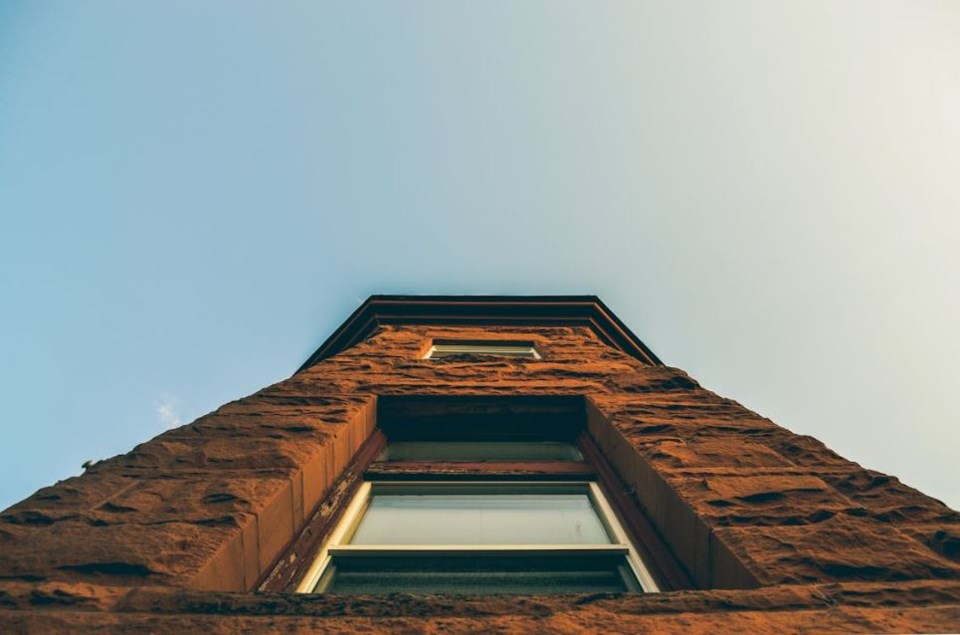
Photo by D0N MIL04K
Community, Culture, and Safety
Westminster City Hall features a 130-foot bell tower modeled after London’s Big Ben, a 14-story civic landmark that doubles as a navigational anchor and a source of local pride. The annual Westy Fest celebration gives residents a regular opportunity to connect with neighbors and celebrate what makes the city distinct.
On the safety front, Westminster’s violent crime rate sits 10% below the national average. Property crime rates of 45.2 per 100,000 are worth being aware of, and proactive awareness is always sensible in any urban-adjacent area.
The city’s 1911 incorporation legacy reflects a long tradition of careful planning, and that ethos continues to shape decisions made at the municipal level today.
Colorado Living: The Bigger Picture
Westminster is a strong landing spot, but the right city depends on personal priorities. Climate, cost, lifestyle, and community all weigh differently for different people. The Pros and Cons of Living in Colorado: Weighing the Benefits and Drawbacks breaks down what Front Range living actually looks like across the board, covering everything from outdoor access to the financial realities of settling in the Centennial State.
For those who run cold and want guaranteed sunshine year-round, Westminster’s 242 sunny days are impressive, but some Colorado cities edge it out. The Warmest Places in Colorado roundup is worth a read before committing to a zip code.
Westminster holds up well in both comparisons. But doing the research makes the decision easier to stand behind.
Final Thoughts
Westminster checks a lot of boxes: suburban tranquility, genuine outdoor access, a strong school network, competitive housing costs by metro standards, and a civic identity that’s been quietly built over more than a century. It’s not flashy, but it’s solid in all the ways that matter for long-term quality of life.
Ready to explore what a move to Westminster could look like? Connect with a local real estate professional to tour available neighborhoods and find a home that fits the lifestyle goals at the top of the list. The Front Range is waiting.