20 Weird and Wonderful Animals in Colorado You Should Know About
Colorado is home to a diverse range of wildlife, from iconic mammals to lesser-known, quirky creatures. The state’s varied landscapes, including mountains, forests, and plains, offer the perfect habitat for a variety of animals. From the high peaks of the Rocky Mountains to the eastern plains, Colorado’s ecosystems support an incredible array of species that […]
Colorado is home to a diverse range of wildlife, from iconic mammals to lesser-known, quirky creatures. The state's varied landscapes, including mountains, forests, and plains, offer the perfect habitat for a variety of animals. From the high peaks of the Rocky Mountains to the eastern plains, Colorado's ecosystems support an incredible array of species that have adapted to the state's unique climate and terrain.
Some of these animals, like the mountain lion and mule deer, are well-known to locals and visitors. However, many other animals in Colorado are hidden gems, often overlooked despite their unique features and behaviors. Whether you're an outdoor enthusiast, a wildlife photographer, or simply curious about the natural world, understanding these creatures enriches your experience of Colorado's natural beauty.
In this comprehensive guide, we'll explore 20 fascinating animals that call Colorado home, from elusive predators to colorful reptiles. Each species plays a vital role in maintaining the ecological balance of Colorado's diverse habitats.
20 Animals in Colorado
Pine Marten
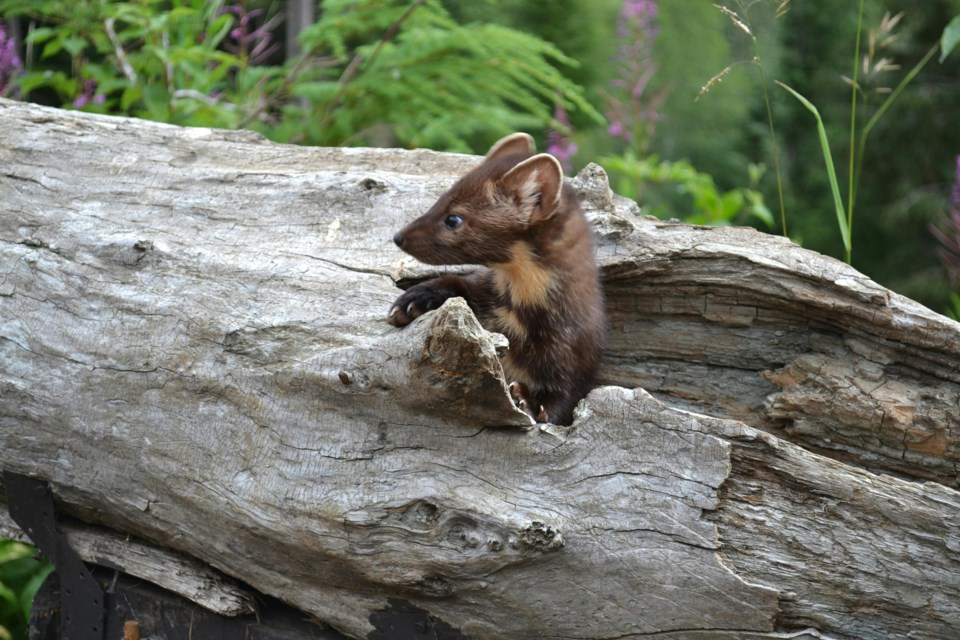
The pine marten is a rare and elusive carnivore that lives in the mature forests of spruce-fir and lodgepole pine trees. This small mammal, resembling a weasel, is known for its sleek body and bushy tail. Pine martens are excellent climbers and spend much of their time in trees. These agile hunters are most active during dawn and dusk, pursuing squirrels, voles, and birds through the forest canopy. Though sightings in Colorado are rare, these animals are crucial to the ecosystem as they help control populations of small mammals and birds, preventing overpopulation of certain species.
Porcupine
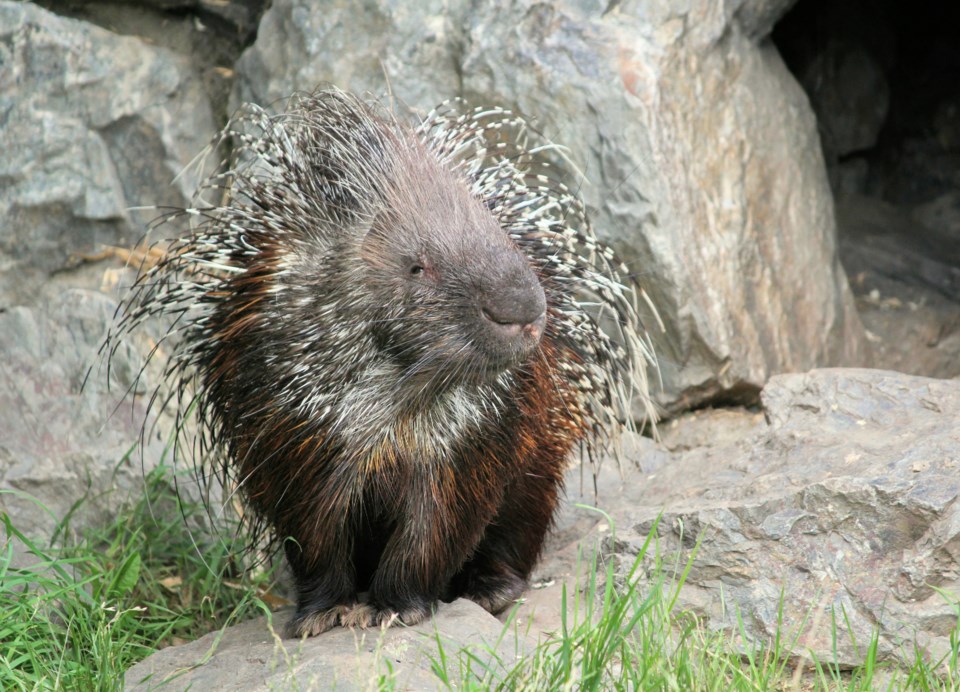
Porcupines are large, slow-moving rodents covered in around 30,000 quills that act as a defense against predators. These creatures are mostly herbivores, feeding on the bark of trees, leaves, and woody plants. They are typically solitary and prefer to spend their time in trees or burrowing under logs. Porcupines are most often found in forests or woodlands and can be identified by their unique quills, which can grow up to four inches long. Unlike many other rodents in Colorado, porcupines are excellent swimmers and surprisingly good climbers, often spotted high in conifer trees during winter months.
Pronghorn
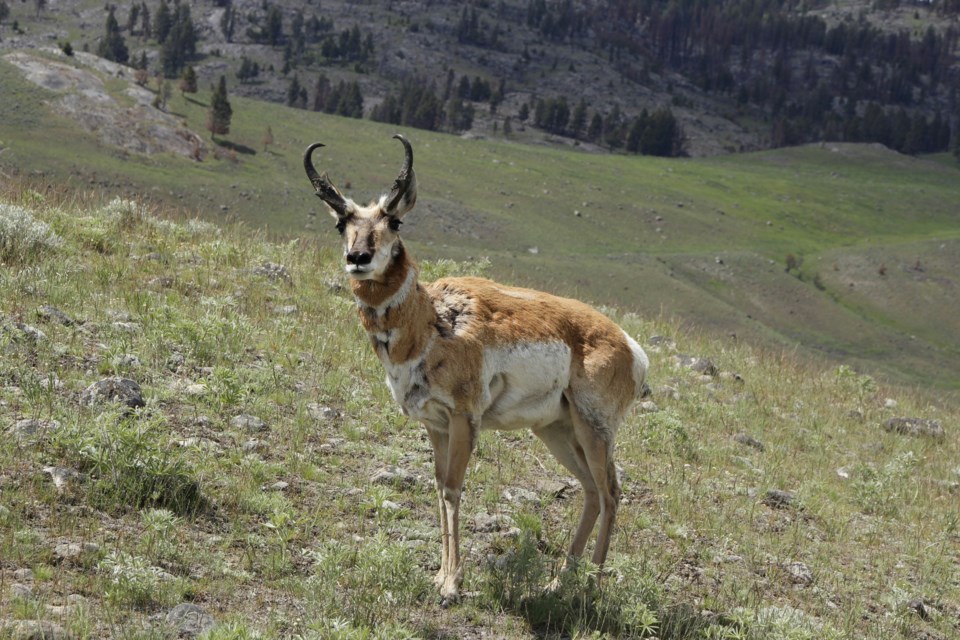
Pronghorns are often called antelope, but they belong to a unique family called Antilocapridae, making them a separate species. These fast-running creatures are native to North America and are the fastest land mammals in the Western Hemisphere, capable of running at speeds up to 55 miles per hour. They are commonly found in Colorado’s open grasslands and prairies, and though they were once hunted to near extinction, conservation efforts have helped their population recover. With their distinctive white rumps and black horns, pronghorns are a symbol of the American West and can often be spotted in large herds across Colorado's eastern plains.
Bats
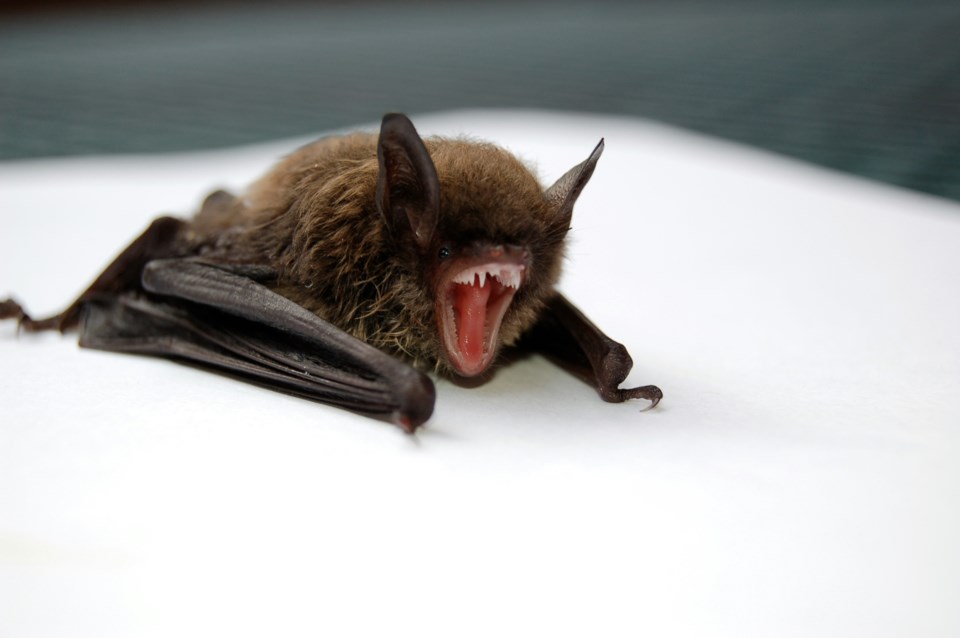
Colorado is home to 18 different bat species, which are vital to the state’s ecosystem. These nocturnal creatures play an important role in controlling insect populations, particularly mosquitoes and moths. Bats also help with the pollination of flowers and the fertilization of plants. Some bat species live in Colorado year-round, while others migrate during the colder months. Bat colonies can be found in caves, old mines, trees, and even urban structures. Despite common misconceptions, bats are gentle creatures that rarely pose any threat to humans and are more afraid of us than we are of them.
Sage-Grouse
The sage-grouse is a unique bird found in Colorado’s sagebrush ecosystems. Males are known for their dramatic spring courtship rituals, where they puff up their chests, creating a distinctive booming sound as part of a display to attract mates. These birds depend on healthy sagebrush habitats, which are under threat from development and wildfires. Conservation efforts are ongoing to protect sagebrush ecosystems and the sage-grouse populations. The greater sage-grouse is considered an umbrella species, meaning that protecting their habitat benefits numerous other species that share the same environment.
Skink
Skinks are a type of lizard known for their long, slender bodies and smooth scales. In Colorado, you can find several species of skinks, including the variable skink and the Great Plains skink. These lizards are often found in rocky and arid habitats, where they hunt for insects and small invertebrates. Some skink species are noted for their brightly colored markings, which help them blend in with their surroundings and avoid predators. While not as commonly discussed as spiders in Colorado, skinks play an equally important role in controlling insect populations.
Ringtail
Ringtails are small, nocturnal mammals native to Colorado. Despite their cat-like appearance, they are actually closely related to raccoons. Known for their long, bushy tails with alternating black and white rings, these secretive animals are excellent climbers and often live in forests, deserts, and canyons. They are primarily carnivores, preying on small mammals, birds, and insects, and are seldom seen by humans due to their elusive nature. Miners once kept ringtails as pets to control rodent populations, earning them the nickname "miner's cat."
Lark Bunting
As Colorado’s state bird, the lark bunting is a small but distinctive songbird. It is easily recognized by its black-and-white plumage and lively songs. These birds are migratory, returning to Colorado in the spring and staying through the summer before flying south for the winter. They are commonly found in the high plains, especially around 8,000 feet in elevation, where they inhabit open grasslands and prairies. During breeding season, male lark buntings perform elaborate flight displays, singing melodious songs while ascending high into the air before parachuting back down to impress potential mates.
Painted Turtle
The painted turtle is a colorful reptile commonly found in Colorado’s ponds, lakes, and slow-moving streams. These turtles are easily identifiable by their bright red and yellow markings along their shell and neck. Painted turtles are semi-aquatic, spending much of their time basking on logs or rocks near the water. They are an important part of the local ecosystem, feeding on aquatic plants and small invertebrates. These turtles can live for over 30 years and are often one of the first reptiles that children encounter while exploring Colorado's waterways.
Mountain Lion
Mountain lions, also known as cougars or pumas, are large cats that can be found in Colorado’s mountainous regions. These apex predators are known for their stealth and power, hunting deer, elk, and smaller mammals. Mountain lions typically have wide-ranging territories and are solitary animals, often preferring to remain out of sight. While rare to encounter, they are a vital part of the food chain in Colorado’s wilderness. Adult mountain lions can weigh up to 160 pounds and leap distances of up to 40 feet horizontally, making them one of the most athletic predators in North America.
Black Bear
Black bears are the most common bear species in Colorado and can be found in forests, mountains, and even suburban areas. They are omnivores, feeding on a variety of foods, including berries, nuts, and small mammals. Black bears are generally shy and avoid human contact, but they are opportunistic feeders and can become more active near human settlements when food is scarce in the wild. Despite their name, black bears in Colorado can range in color from black to cinnamon brown, and some individuals even display blonde or reddish fur.
Mule Deer
Mule deer are one of Colorado’s most commonly sighted large mammals. Recognizable by their large, mule-like ears, they are primarily herbivores, grazing on grasses, shrubs, and leaves. Mule deer are adaptable creatures, able to live in a variety of habitats, from dense forests to open plains. They are often seen in the early morning or dusk, foraging for food or traveling through their home range. During the fall rut, male mule deer compete for mates by sparring with their antlers, creating one of the most dramatic wildlife spectacles in Colorado.
Bobcat
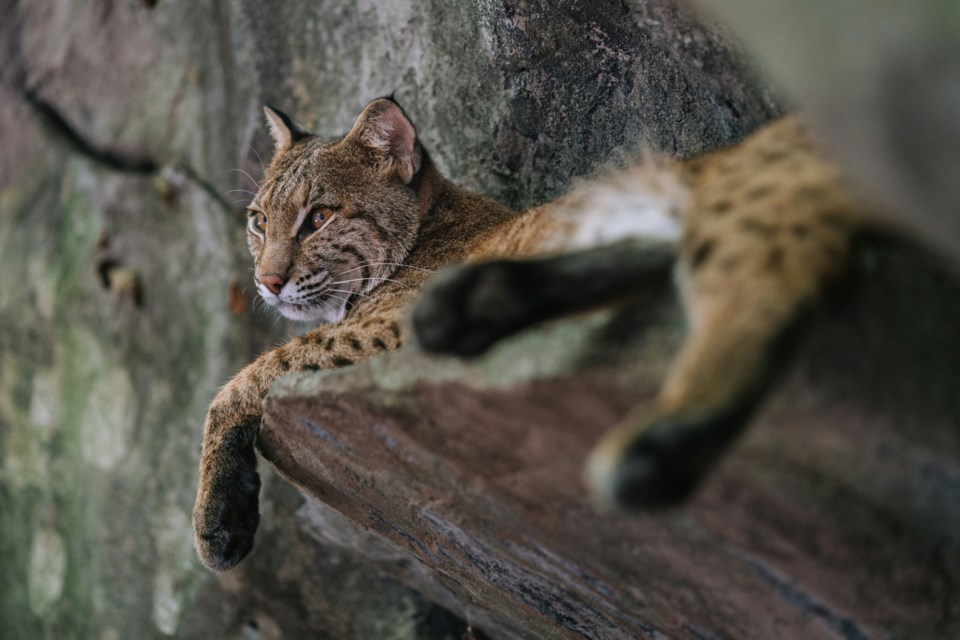
The bobcat is a small wildcat found in Colorado’s forests, deserts, and even urban areas. These solitary cats have distinctive short tails and spotted fur, which help them blend into their environments. Bobcats are nocturnal hunters, preying on rabbits, rodents, and birds. They are highly territorial animals and communicate with markings, vocalizations, and scents to establish their range. Bobcats are incredibly adaptable and have been known to thrive in suburban environments, though they remain elusive and are rarely seen by humans.
Red Fox
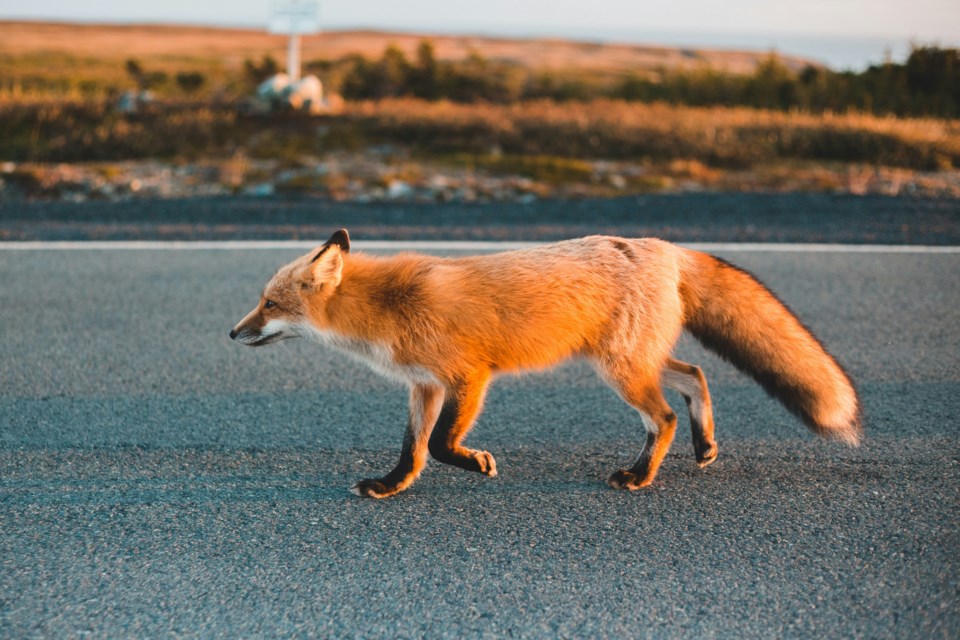
Red foxes are small, highly adaptable mammals that can thrive in a variety of environments, including forests, grasslands, and suburban areas. Known for their reddish-orange fur and bushy tails, these foxes are opportunistic feeders, eating small mammals, birds, and even fruits. They are highly skilled hunters and often hunt alone or in pairs during the evening and early morning hours. Red foxes have exceptional hearing and can detect prey moving beneath the snow, allowing them to hunt successfully even in Colorado's harsh winter conditions.
American Beaver
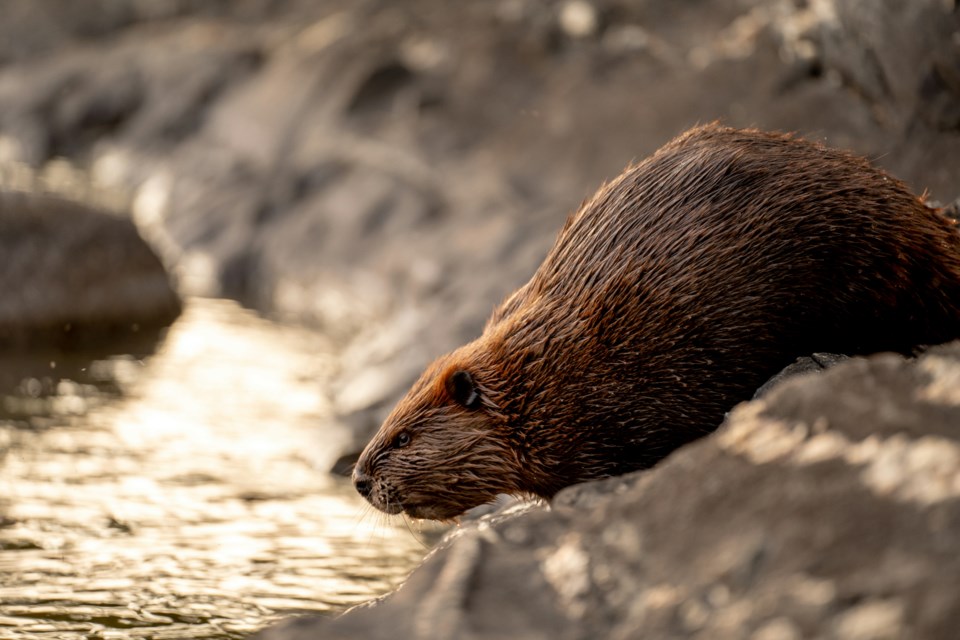
The American beaver is an expert engineer, building dams, lodges, and canals that help create wetlands and slow the flow of streams and rivers. These large rodents are found in Colorado’s rivers and wetlands, where they play a crucial role in maintaining biodiversity by creating habitats for other species. Beavers are primarily herbivores, feeding on the bark of trees and aquatic plants. Beaver dams can dramatically alter landscapes, creating ponds that support fish, waterfowl, amphibians, and countless other species in Colorado's aquatic ecosystems.
Western Toad
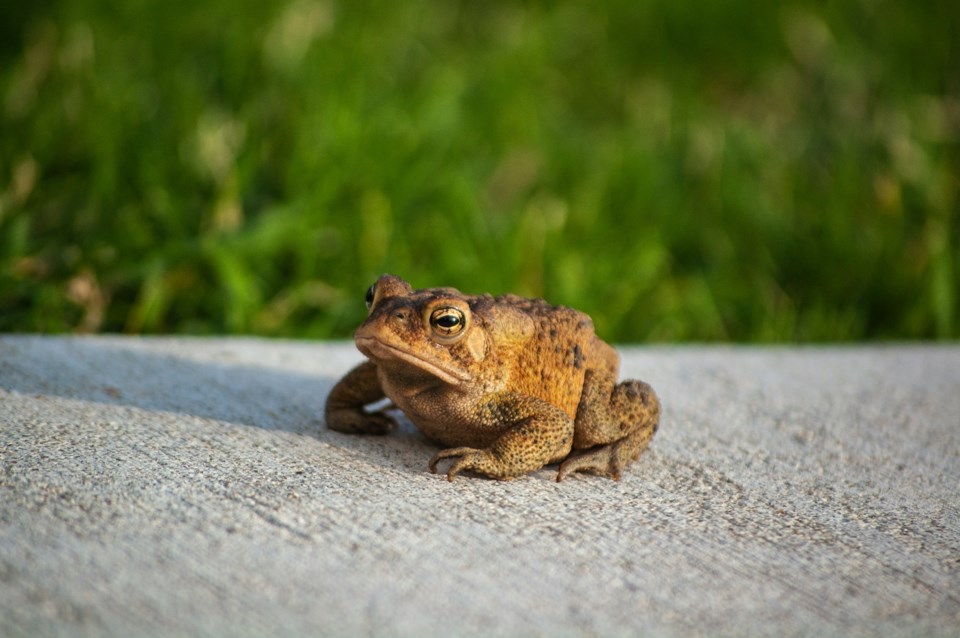
The western toad is an amphibian commonly found in Colorado’s wetlands, ponds, and streams. These toads have warty skin and large, prominent eyes, and they are typically nocturnal, hunting for insects and small invertebrates. Western toads are important for the ecosystem as they help control insect populations. They are also an indicator species, meaning their health reflects the condition of their environment. Unfortunately, western toad populations have declined in recent years due to habitat loss, disease, and climate change, making conservation efforts increasingly important.
Snowshoe Hare
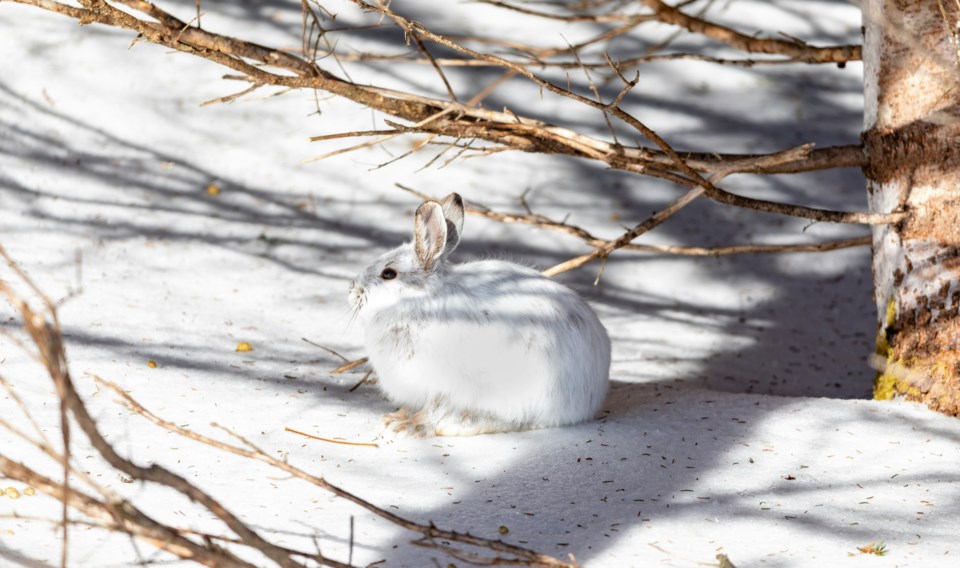
The snowshoe hare is a small mammal adapted to Colorado’s snowy environments. These hares are equipped with large, furry feet that act like snowshoes, allowing them to navigate deep snow with ease. In winter, their fur turns white to blend in with the snow, while in summer, it changes to brown to match the forest floor. Snowshoe hares are herbivores and are often seen in forested areas, where they feed on shrubs and tree bark. This remarkable color-changing adaptation is triggered by changes in daylight hours rather than temperature, making it one of nature's most fascinating survival strategies.
Great Horned Owl
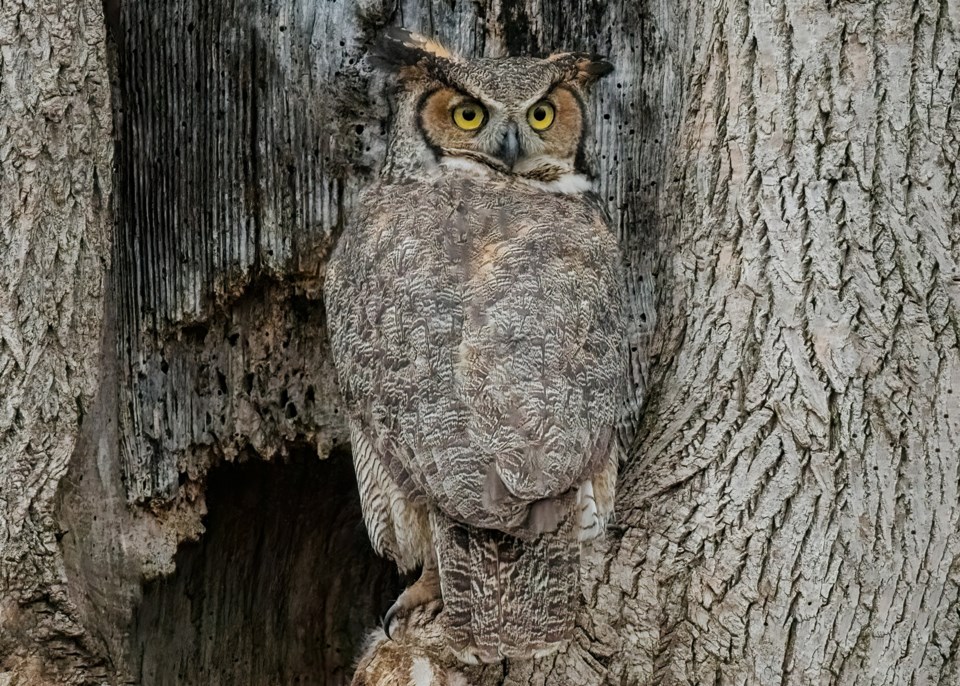
The great horned owl is a large, powerful bird of prey found throughout Colorado. Known for its distinctive “horns” (feather tufts on its head), these owls are excellent hunters, preying on small mammals, birds, and reptiles. Great horned owls are nocturnal and are most active during the night, using their keen eyesight and silent flight to hunt in darkness. They are an important part of Colorado’s ecosystem, helping control populations of rodents and other small animals. With a wingspan reaching up to five feet and the ability to exert crushing grip strength of up to 500 pounds per square inch, great horned owls are among the most formidable predators in Colorado's night skies.
Yellow-bellied Marmot
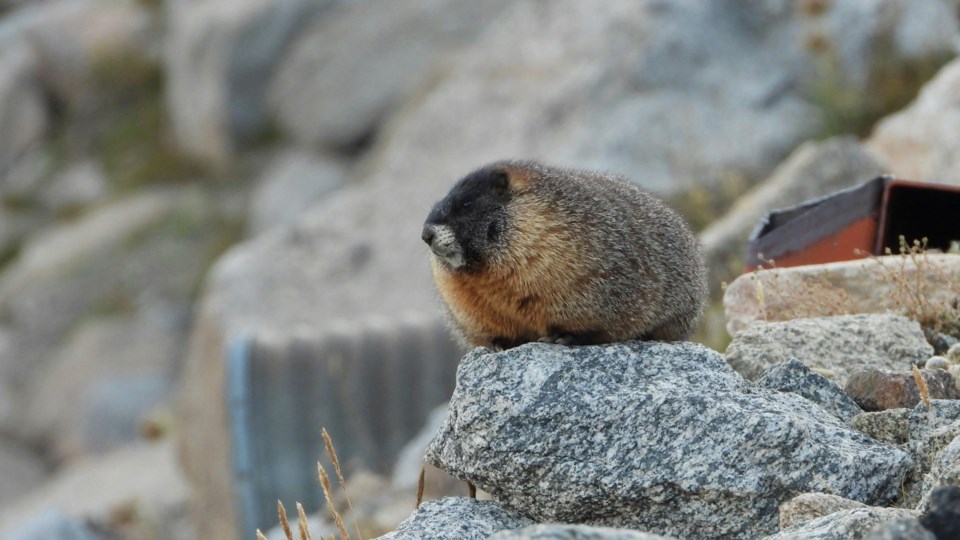
Yellow-bellied marmots are large, social ground squirrels that live in Colorado’s mountain meadows. These marmots are known for their whistle-like calls, which they use to communicate with other members of their colony. They spend much of their time foraging for food, especially during the summer months, and hibernate for up to eight months during the winter. They are an important prey species for predators like eagles and foxes. Hikers in Colorado's high country often encounter these charismatic rodents sunbathing on rocks near alpine trails, where they've become surprisingly tolerant of human presence.
Bull Snake
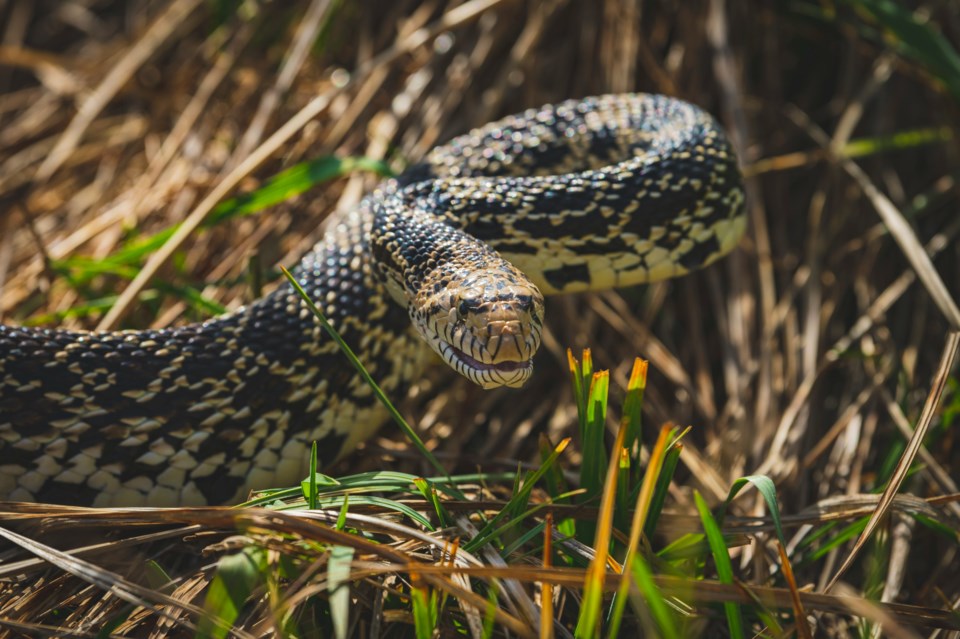
The bull snake is a large, non-venomous snake found in Colorado’s grasslands, deserts, and prairies. They are often mistaken for rattlesnakes due to their similar coloration and defensive hissing behavior. Bull snakes can grow up to 8 feet in length and are excellent hunters, feeding on small mammals, birds, and eggs. Despite their intimidating appearance, bull snakes are harmless and play an important role in controlling rodent populations. When threatened, bull snakes will coil up, vibrate their tails, and produce a loud hissing sound that closely mimics a rattlesnake's warning, effectively deterring most predators.
Wildlife Safety and Etiquette in Colorado
When exploring Colorado's wilderness areas, it's essential to practice responsible wildlife viewing. Maintain a safe distance from all animals—at least 25 yards from most wildlife and 100 yards from predators like mountain lions and black bears. Never feed wild animals, as this can alter their natural behaviors and create dangerous situations for both humans and animals.
If you're interested in learning more about Colorado's diverse ecosystems, consider exploring mushrooms in Colorado, which play a crucial role in forest health and provide food for many of these animal species. Additionally, during late summer and early fall, you might witness the fascinating tarantula migration in Colorado, when male tarantulas emerge from their burrows in search of mates.
Protecting Colorado’s Wild Animals
Colorado’s conservation efforts are essential for protecting rare species like the Sage-Grouse, Pronghorn, and Pine Marten. As human development grows, wildlife habitats are increasingly at risk, making preservation work critical. State agencies and organizations collaborate on habitat restoration and education to ensure these animals in Colorado thrive. Colorado Parks and Wildlife, along with numerous nonprofit organizations, work tirelessly to monitor wildlife populations, restore degraded habitats, and educate the public about the importance of biodiversity. Other excellent wildlife viewing locations include the Pawnee National Grassland for pronghorns and prairie species, Mueller State Park for diverse mountain wildlife, and the San Luis Valley for sandhill cranes and other migratory birds.
Respecting wildlife habitats is key to maintaining Colorado’s biodiversity. When we encroach on these areas, we disrupt the balance that allows animals in Colorado to thrive. Keeping a safe distance from animals like the Porcupine is important for both human and animal safety. Staying on marked trails and avoiding noise or littering helps protect these habitats from damage. Simple actions like properly storing food while camping, keeping dogs on leashes, and observing wildlife from a distance can make a significant difference in preserving Colorado's natural heritage for future generations.
Best Spots to Spot Colorado's Wildlife
Colorado’s national parks, including Rocky Mountain National Park, offer great wildlife watching opportunities. These parks are home to a variety of species like elk, deer, and Bighorn sheep. Hiking and scenic drives provide excellent chances to see animals in Colorado in their natural habitats.
The best times to spot wildlife in Colorado are during spring and fall, when animals like the Pronghorn and Sage-Grouse are more active. The state’s plains and forests are also home to elusive creatures like the Pine Marten and Skink. Exploring quieter areas gives visitors the chance to spot these rarer animals in Colorado. Dawn and dusk, known as the "magic hours" among wildlife photographers, offer the highest likelihood of animal sightings, as many species are most active during these cooler parts of the day. Patience, quiet observation, and a good pair of binoculars are your best tools for successful wildlife watching in Colorado.
How to Coexist with Wildlife in Colorado
Feeding wild animals disrupts their natural habits and can lead to dangerous behaviors. It’s important to avoid feeding wildlife like the Sage-Grouse and Porcupine to help them remain independent and healthy. Responsible actions like this contribute to preserving animals in Colorado for future generations.
Preserving ecosystems like sagebrush habitats is essential for the survival of species like the Sage-Grouse. Avoiding disturbance in these areas helps maintain a healthy environment for both wildlife and humans. Bat watching is another popular activity in Colorado, but it’s important to observe these creatures from a distance to avoid disturbing their natural roosts and habitats.
Conclusion: Embracing Colorado's Wildlife
Exploring the animals in Colorado is a rewarding experience, but it’s essential to approach it with care and respect. By following conservation guidelines and preserving natural habitats, we can ensure that these incredible creatures continue to thrive in their environments.
Whether you’re hiking through Rocky Mountain National Park or spotting a rare Pine Marten, it’s important to remember our role in protecting the wildlife of Colorado. Through responsible wildlife viewing and conservation efforts, we help maintain the delicate balance of Colorado’s ecosystems for generations to come.
Colorado is home to a diverse range of wildlife, from iconic mammals to lesser-known, quirky creatures. The state’s varied landscapes, including mountains, forests, and plains, offer the perfect habitat for a variety of animals. From the high peaks of the Rocky Mountains to the eastern plains, Colorado’s ecosystems support an incredible array of species that have adapted to the state’s unique climate and terrain.
Some of these animals, like the mountain lion and mule deer, are well-known to locals and visitors. However, many other animals in Colorado are hidden gems, often overlooked despite their unique features and behaviors. Whether you’re an outdoor enthusiast, a wildlife photographer, or simply curious about the natural world, understanding these creatures enriches your experience of Colorado‘s natural beauty.
In this comprehensive guide, we’ll explore 20 fascinating animals that call Colorado home, from elusive predators to colorful reptiles. Each species plays a vital role in maintaining the ecological balance of Colorado’s diverse habitats.
20 Animals in Colorado
Pine Marten
The pine marten is a rare and elusive carnivore that lives in the mature forests of spruce-fir and lodgepole pine trees. This small mammal, resembling a weasel, is known for its sleek body and bushy tail. Pine martens are excellent climbers and spend much of their time in trees. These agile hunters are most active during dawn and dusk, pursuing squirrels, voles, and birds through the forest canopy. Though sightings in Colorado are rare, these animals are crucial to the ecosystem as they help control populations of small mammals and birds, preventing overpopulation of certain species.
Porcupine
Porcupines are large, slow-moving rodents covered in around 30,000 quills that act as a defense against predators. These creatures are mostly herbivores, feeding on the bark of trees, leaves, and woody plants. They are typically solitary and prefer to spend their time in trees or burrowing under logs. Porcupines are most often found in forests or woodlands and can be identified by their unique quills, which can grow up to four inches long. Unlike many other rodents in Colorado, porcupines are excellent swimmers and surprisingly good climbers, often spotted high in conifer trees during winter months.
Pronghorn
Pronghorns are often called antelope, but they belong to a unique family called Antilocapridae, making them a separate species. These fast-running creatures are native to North America and are the fastest land mammals in the Western Hemisphere, capable of running at speeds up to 55 miles per hour. They are commonly found in Colorado’s open grasslands and prairies, and though they were once hunted to near extinction, conservation efforts have helped their population recover. With their distinctive white rumps and black horns, pronghorns are a symbol of the American West and can often be spotted in large herds across Colorado’s eastern plains.
Bats
Colorado is home to 18 different bat species, which are vital to the state’s ecosystem. These nocturnal creatures play an important role in controlling insect populations, particularly mosquitoes and moths. Bats also help with the pollination of flowers and the fertilization of plants. Some bat species live in Colorado year-round, while others migrate during the colder months. Bat colonies can be found in caves, old mines, trees, and even urban structures. Despite common misconceptions, bats are gentle creatures that rarely pose any threat to humans and are more afraid of us than we are of them.
Sage-Grouse
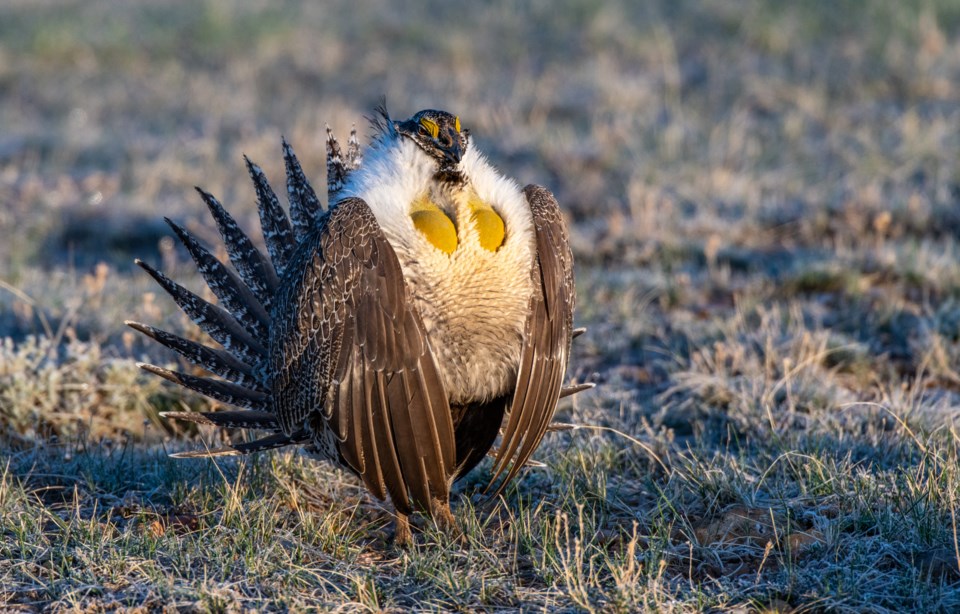
The sage-grouse is a unique bird found in Colorado’s sagebrush ecosystems. Males are known for their dramatic spring courtship rituals, where they puff up their chests, creating a distinctive booming sound as part of a display to attract mates. These birds depend on healthy sagebrush habitats, which are under threat from development and wildfires. Conservation efforts are ongoing to protect sagebrush ecosystems and the sage-grouse populations. The greater sage-grouse is considered an umbrella species, meaning that protecting their habitat benefits numerous other species that share the same environment.
Skink
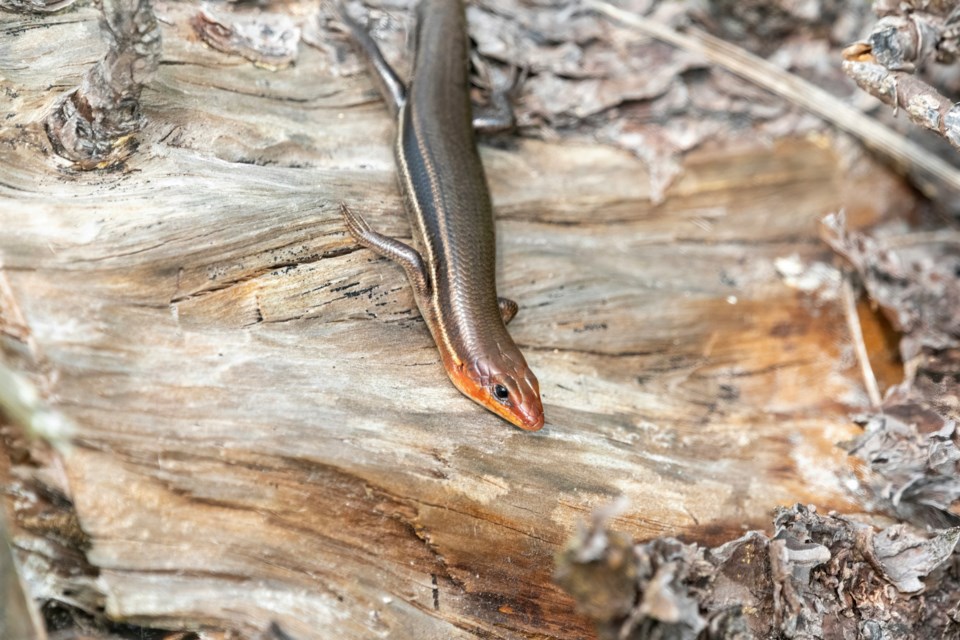
Skinks are a type of lizard known for their long, slender bodies and smooth scales. In Colorado, you can find several species of skinks, including the variable skink and the Great Plains skink. These lizards are often found in rocky and arid habitats, where they hunt for insects and small invertebrates. Some skink species are noted for their brightly colored markings, which help them blend in with their surroundings and avoid predators. While not as commonly discussed as spiders in Colorado, skinks play an equally important role in controlling insect populations.
Ringtail
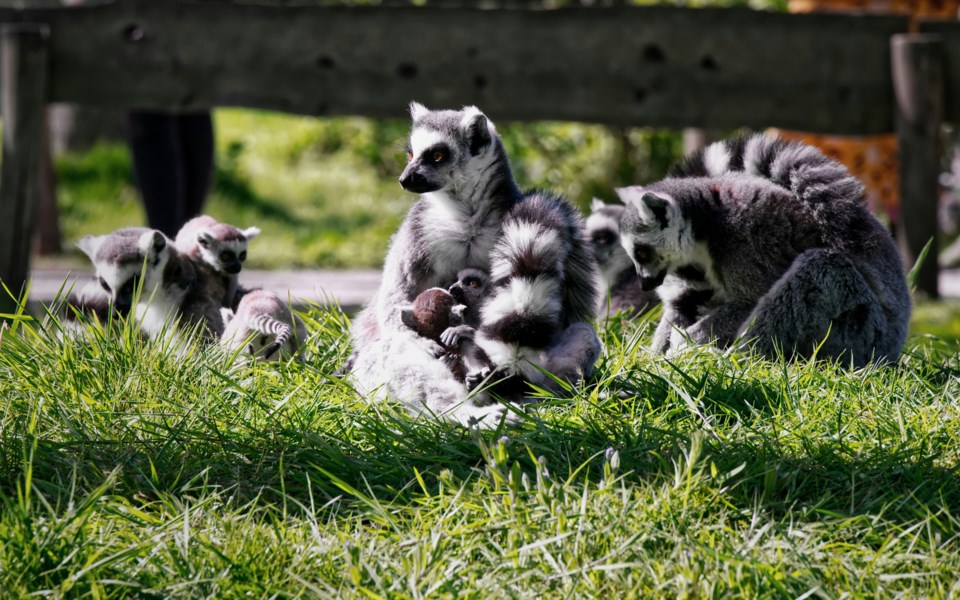
Ringtails are small, nocturnal mammals native to Colorado. Despite their cat-like appearance, they are actually closely related to raccoons. Known for their long, bushy tails with alternating black and white rings, these secretive animals are excellent climbers and often live in forests, deserts, and canyons. They are primarily carnivores, preying on small mammals, birds, and insects, and are seldom seen by humans due to their elusive nature. Miners once kept ringtails as pets to control rodent populations, earning them the nickname “miner’s cat.”
Lark Bunting
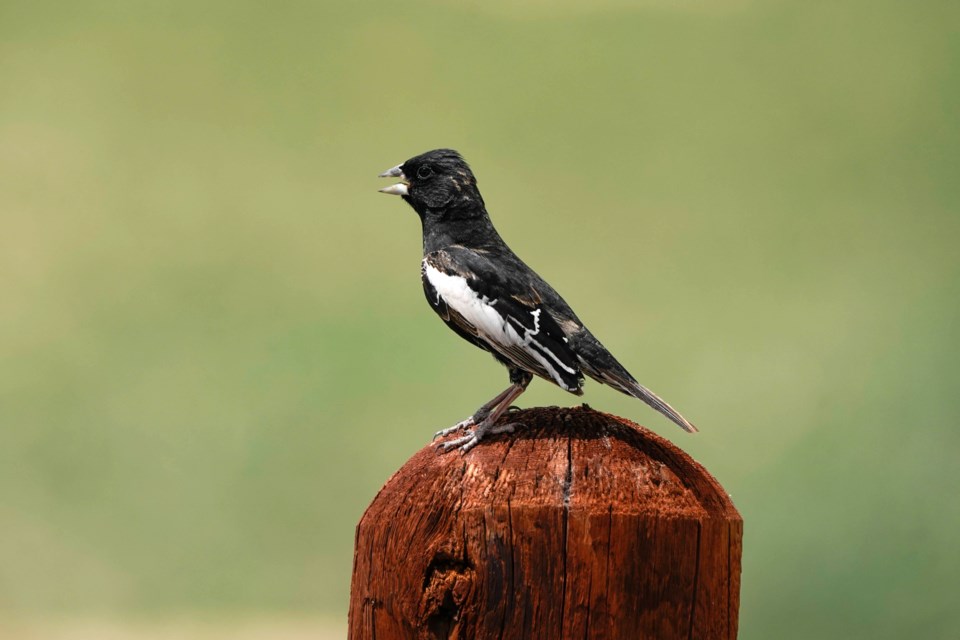
As Colorado’s state bird, the lark bunting is a small but distinctive songbird. It is easily recognized by its black-and-white plumage and lively songs. These birds are migratory, returning to Colorado in the spring and staying through the summer before flying south for the winter. They are commonly found in the high plains, especially around 8,000 feet in elevation, where they inhabit open grasslands and prairies. During breeding season, male lark buntings perform elaborate flight displays, singing melodious songs while ascending high into the air before parachuting back down to impress potential mates.
Painted Turtle
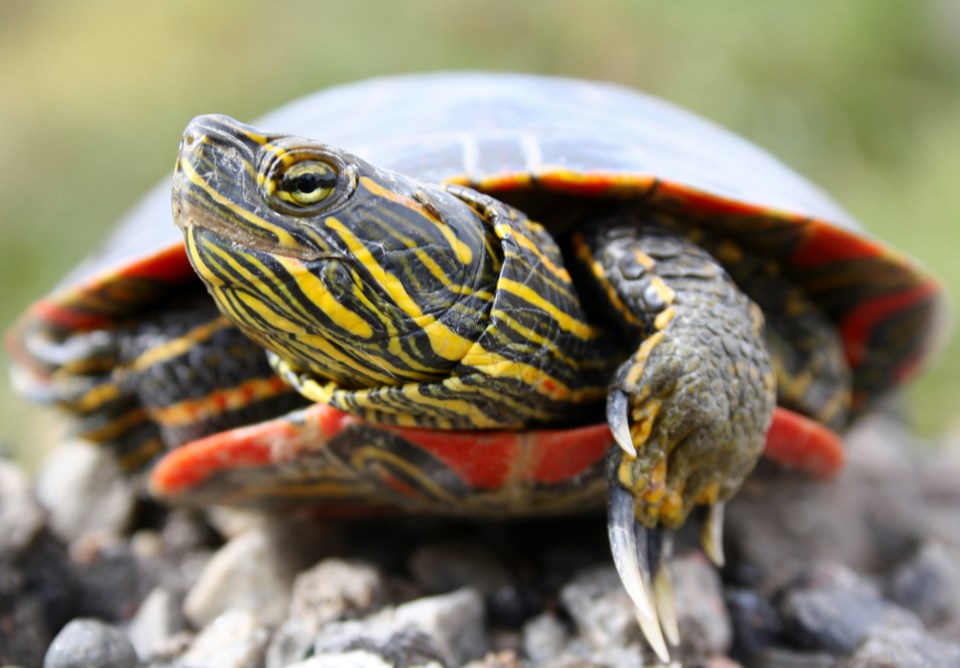
The painted turtle is a colorful reptile commonly found in Colorado’s ponds, lakes, and slow-moving streams. These turtles are easily identifiable by their bright red and yellow markings along their shell and neck. Painted turtles are semi-aquatic, spending much of their time basking on logs or rocks near the water. They are an important part of the local ecosystem, feeding on aquatic plants and small invertebrates. These turtles can live for over 30 years and are often one of the first reptiles that children encounter while exploring Colorado’s waterways.
Mountain Lion
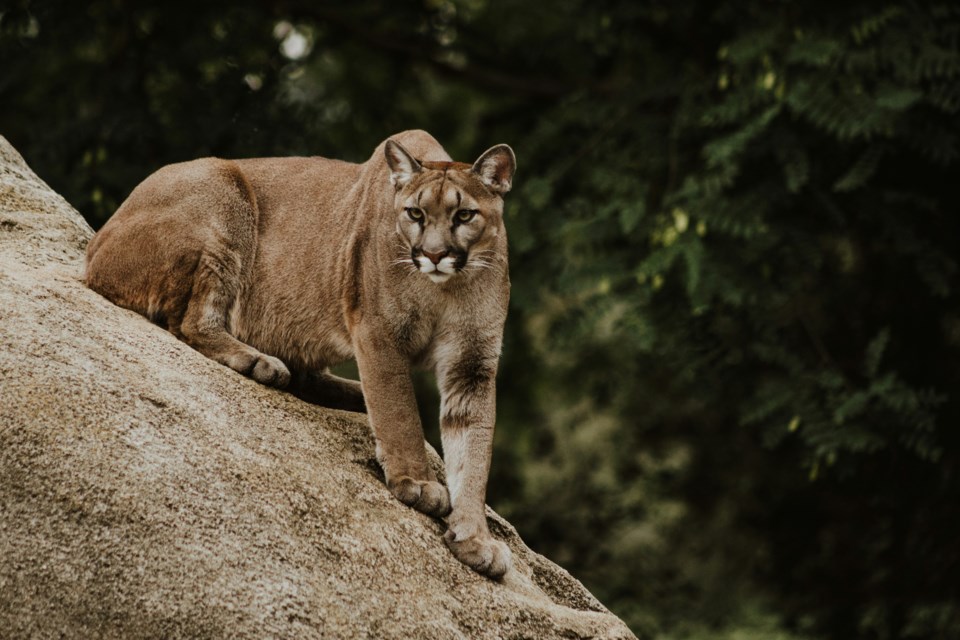
Mountain lions, also known as cougars or pumas, are large cats that can be found in Colorado’s mountainous regions. These apex predators are known for their stealth and power, hunting deer, elk, and smaller mammals. Mountain lions typically have wide-ranging territories and are solitary animals, often preferring to remain out of sight. While rare to encounter, they are a vital part of the food chain in Colorado’s wilderness. Adult mountain lions can weigh up to 160 pounds and leap distances of up to 40 feet horizontally, making them one of the most athletic predators in North America.
Black Bear
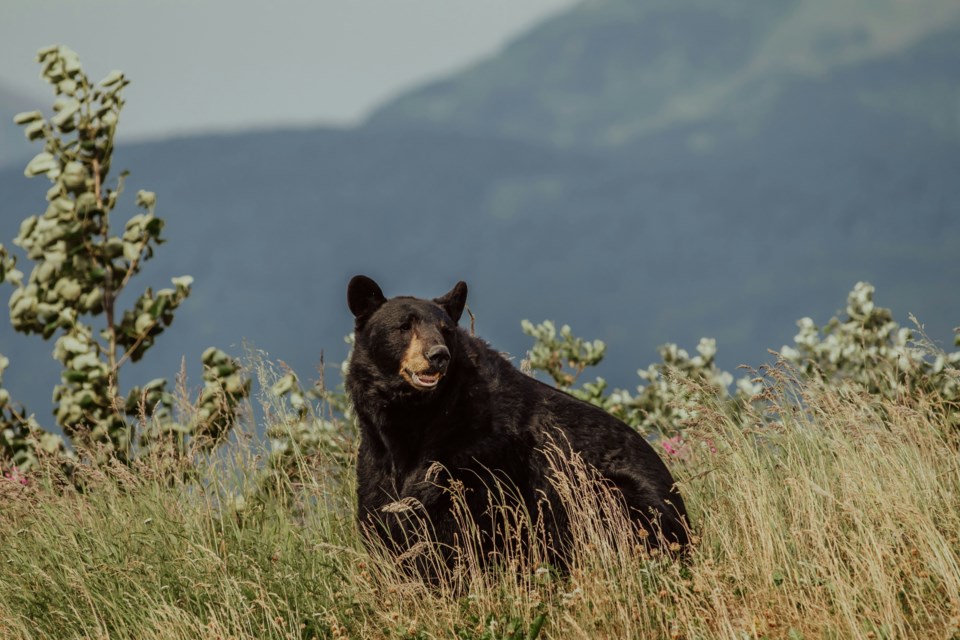
Black bears are the most common bear species in Colorado and can be found in forests, mountains, and even suburban areas. They are omnivores, feeding on a variety of foods, including berries, nuts, and small mammals. Black bears are generally shy and avoid human contact, but they are opportunistic feeders and can become more active near human settlements when food is scarce in the wild. Despite their name, black bears in Colorado can range in color from black to cinnamon brown, and some individuals even display blonde or reddish fur.
Mule Deer
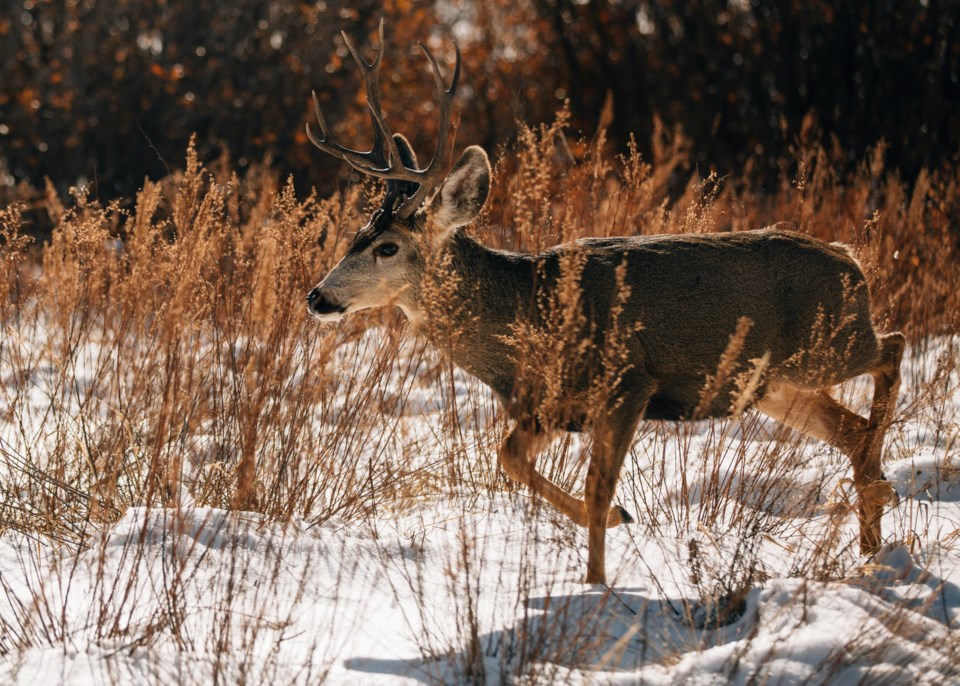
Mule deer are one of Colorado’s most commonly sighted large mammals. Recognizable by their large, mule-like ears, they are primarily herbivores, grazing on grasses, shrubs, and leaves. Mule deer are adaptable creatures, able to live in a variety of habitats, from dense forests to open plains. They are often seen in the early morning or dusk, foraging for food or traveling through their home range. During the fall rut, male mule deer compete for mates by sparring with their antlers, creating one of the most dramatic wildlife spectacles in Colorado.
Bobcat
The bobcat is a small wildcat found in Colorado’s forests, deserts, and even urban areas. These solitary cats have distinctive short tails and spotted fur, which help them blend into their environments. Bobcats are nocturnal hunters, preying on rabbits, rodents, and birds. They are highly territorial animals and communicate with markings, vocalizations, and scents to establish their range. Bobcats are incredibly adaptable and have been known to thrive in suburban environments, though they remain elusive and are rarely seen by humans.
Red Fox
Red foxes are small, highly adaptable mammals that can thrive in a variety of environments, including forests, grasslands, and suburban areas. Known for their reddish-orange fur and bushy tails, these foxes are opportunistic feeders, eating small mammals, birds, and even fruits. They are highly skilled hunters and often hunt alone or in pairs during the evening and early morning hours. Red foxes have exceptional hearing and can detect prey moving beneath the snow, allowing them to hunt successfully even in Colorado’s harsh winter conditions.
American Beaver
The American beaver is an expert engineer, building dams, lodges, and canals that help create wetlands and slow the flow of streams and rivers. These large rodents are found in Colorado’s rivers and wetlands, where they play a crucial role in maintaining biodiversity by creating habitats for other species. Beavers are primarily herbivores, feeding on the bark of trees and aquatic plants. Beaver dams can dramatically alter landscapes, creating ponds that support fish, waterfowl, amphibians, and countless other species in Colorado’s aquatic ecosystems.
Western Toad
The western toad is an amphibian commonly found in Colorado’s wetlands, ponds, and streams. These toads have warty skin and large, prominent eyes, and they are typically nocturnal, hunting for insects and small invertebrates. Western toads are important for the ecosystem as they help control insect populations. They are also an indicator species, meaning their health reflects the condition of their environment. Unfortunately, western toad populations have declined in recent years due to habitat loss, disease, and climate change, making conservation efforts increasingly important.
Snowshoe Hare
The snowshoe hare is a small mammal adapted to Colorado’s snowy environments. These hares are equipped with large, furry feet that act like snowshoes, allowing them to navigate deep snow with ease. In winter, their fur turns white to blend in with the snow, while in summer, it changes to brown to match the forest floor. Snowshoe hares are herbivores and are often seen in forested areas, where they feed on shrubs and tree bark. This remarkable color-changing adaptation is triggered by changes in daylight hours rather than temperature, making it one of nature’s most fascinating survival strategies.
Great Horned Owl
The great horned owl is a large, powerful bird of prey found throughout Colorado. Known for its distinctive “horns” (feather tufts on its head), these owls are excellent hunters, preying on small mammals, birds, and reptiles. Great horned owls are nocturnal and are most active during the night, using their keen eyesight and silent flight to hunt in darkness. They are an important part of Colorado’s ecosystem, helping control populations of rodents and other small animals. With a wingspan reaching up to five feet and the ability to exert crushing grip strength of up to 500 pounds per square inch, great horned owls are among the most formidable predators in Colorado’s night skies.
Yellow-bellied Marmot
Yellow-bellied marmots are large, social ground squirrels that live in Colorado’s mountain meadows. These marmots are known for their whistle-like calls, which they use to communicate with other members of their colony. They spend much of their time foraging for food, especially during the summer months, and hibernate for up to eight months during the winter. They are an important prey species for predators like eagles and foxes. Hikers in Colorado’s high country often encounter these charismatic rodents sunbathing on rocks near alpine trails, where they’ve become surprisingly tolerant of human presence.
Bull Snake
The bull snake is a large, non-venomous snake found in Colorado’s grasslands, deserts, and prairies. They are often mistaken for rattlesnakes due to their similar coloration and defensive hissing behavior. Bull snakes can grow up to 8 feet in length and are excellent hunters, feeding on small mammals, birds, and eggs. Despite their intimidating appearance, bull snakes are harmless and play an important role in controlling rodent populations. When threatened, bull snakes will coil up, vibrate their tails, and produce a loud hissing sound that closely mimics a rattlesnake’s warning, effectively deterring most predators.
Wildlife Safety and Etiquette in Colorado
When exploring Colorado’s wilderness areas, it’s essential to practice responsible wildlife viewing. Maintain a safe distance from all animals—at least 25 yards from most wildlife and 100 yards from predators like mountain lions and black bears. Never feed wild animals, as this can alter their natural behaviors and create dangerous situations for both humans and animals.
If you’re interested in learning more about Colorado’s diverse ecosystems, consider exploring mushrooms in Colorado, which play a crucial role in forest health and provide food for many of these animal species. Additionally, during late summer and early fall, you might witness the fascinating tarantula migration in Colorado, when male tarantulas emerge from their burrows in search of mates.
Protecting Colorado’s Wild Animals
Colorado’s conservation efforts are essential for protecting rare species like the Sage-Grouse, Pronghorn, and Pine Marten. As human development grows, wildlife habitats are increasingly at risk, making preservation work critical. State agencies and organizations collaborate on habitat restoration and education to ensure these animals in Colorado thrive. Colorado Parks and Wildlife, along with numerous nonprofit organizations, work tirelessly to monitor wildlife populations, restore degraded habitats, and educate the public about the importance of biodiversity. Other excellent wildlife viewing locations include the Pawnee National Grassland for pronghorns and prairie species, Mueller State Park for diverse mountain wildlife, and the San Luis Valley for sandhill cranes and other migratory birds.
Respecting wildlife habitats is key to maintaining Colorado’s biodiversity. When we encroach on these areas, we disrupt the balance that allows animals in Colorado to thrive. Keeping a safe distance from animals like the Porcupine is important for both human and animal safety. Staying on marked trails and avoiding noise or littering helps protect these habitats from damage. Simple actions like properly storing food while camping, keeping dogs on leashes, and observing wildlife from a distance can make a significant difference in preserving Colorado’s natural heritage for future generations.
Best Spots to Spot Colorado’s Wildlife
Colorado’s national parks, including Rocky Mountain National Park, offer great wildlife watching opportunities. These parks are home to a variety of species like elk, deer, and Bighorn sheep. Hiking and scenic drives provide excellent chances to see animals in Colorado in their natural habitats.
The best times to spot wildlife in Colorado are during spring and fall, when animals like the Pronghorn and Sage-Grouse are more active. The state’s plains and forests are also home to elusive creatures like the Pine Marten and Skink. Exploring quieter areas gives visitors the chance to spot these rarer animals in Colorado. Dawn and dusk, known as the “magic hours” among wildlife photographers, offer the highest likelihood of animal sightings, as many species are most active during these cooler parts of the day. Patience, quiet observation, and a good pair of binoculars are your best tools for successful wildlife watching in Colorado.
How to Coexist with Wildlife in Colorado
Feeding wild animals disrupts their natural habits and can lead to dangerous behaviors. It’s important to avoid feeding wildlife like the Sage-Grouse and Porcupine to help them remain independent and healthy. Responsible actions like this contribute to preserving animals in Colorado for future generations.
Preserving ecosystems like sagebrush habitats is essential for the survival of species like the Sage-Grouse. Avoiding disturbance in these areas helps maintain a healthy environment for both wildlife and humans. Bat watching is another popular activity in Colorado, but it’s important to observe these creatures from a distance to avoid disturbing their natural roosts and habitats.
Conclusion: Embracing Colorado’s Wildlife
Exploring the animals in Colorado is a rewarding experience, but it’s essential to approach it with care and respect. By following conservation guidelines and preserving natural habitats, we can ensure that these incredible creatures continue to thrive in their environments.
Whether you’re hiking through Rocky Mountain National Park or spotting a rare Pine Marten, it’s important to remember our role in protecting the wildlife of Colorado. Through responsible wildlife viewing and conservation efforts, we help maintain the delicate balance of Colorado’s ecosystems for generations to come.
This has not been shared. Be the first!