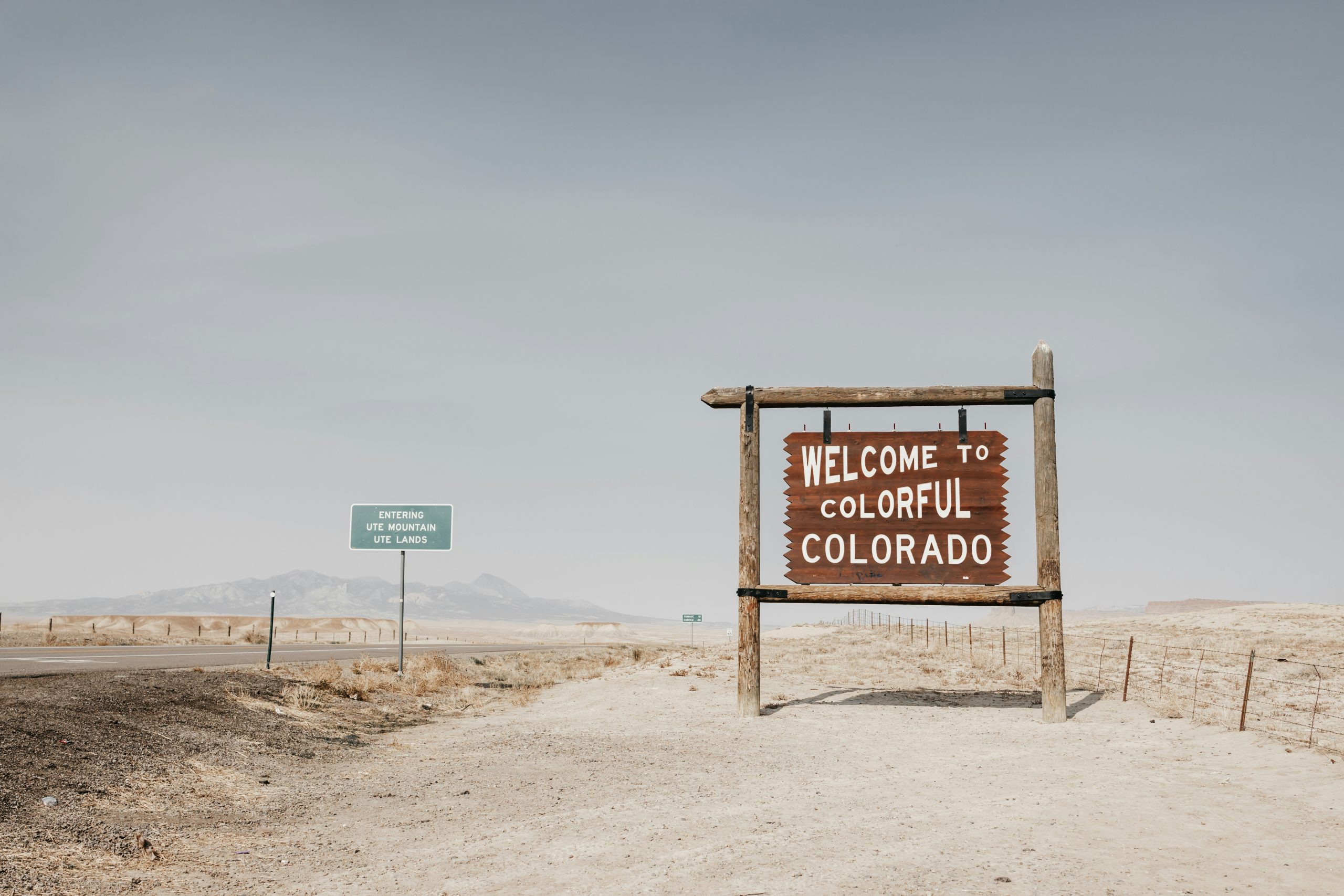
Colorado is home to many bustling cities and charming small towns, each offering unique landscapes and lifestyles. Some of the biggest towns in Colorado stand out not only for their population but also for their vast land area.
From the busy streets of Denver to the wide-open spaces of Grand Junction, these towns showcase the state’s diverse geography. Whether you're looking for an urban experience or a scenic retreat, Colorado has something for everyone. Let’s explore the biggest towns in Colorado by both population and land size.
Top 5 Biggest Towns in Colorado (2026)
Towns
Population
Denver
~718,877
Colorado Springs
~487,887
Aurora
~394,432
Fort Collins
~170,229
Lakewood
~156,583
20 Biggest Towns in Colorado
Population (2026 estimate): ~718,877
1) Denver, CO
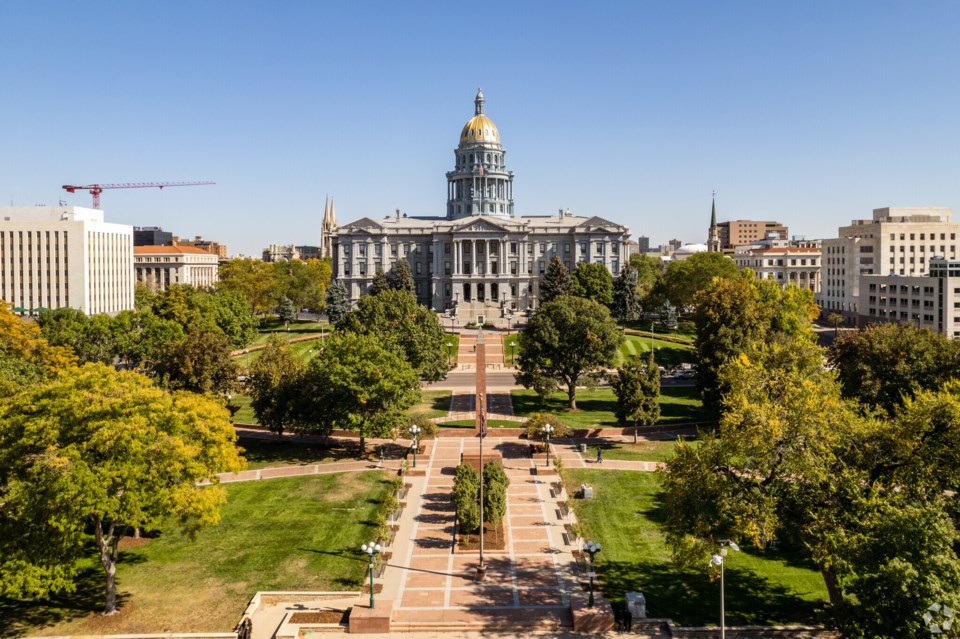
As the state capital and largest city, Denver is the heart of Colorado. With a thriving economy, diverse culture, and stunning mountain views, it's a prime destination for both visitors and residents. The city offers everything from major sports teams and entertainment districts to world-class museums and outdoor parks. Denver International Airport provides easy global access, and the nearby Rocky Mountains make it a paradise for outdoor enthusiasts. Whether you're enjoying craft breweries, catching a show at Red Rocks Amphitheatre, or exploring its many neighborhoods, Denver has something for everyone. Colorado as a whole crossed the six million resident mark in 2025, and Denver remains its undisputed urban core, anchoring a metro area of roughly three million people.
2) Colorado Springs, CO
Population (2026 estimate): ~487,887
Nestled at the base of Pikes Peak, Colorado Springs is known for its stunning landscapes and outdoor recreation. Home to the U.S. Air Force Academy, Garden of the Gods, and the Olympic Training Center, it's a city rich in history and adventure. With a growing economy and a lower cost of living compared to Denver, it attracts many families and professionals. Hiking, biking, and exploring national parks are everyday activities here. Its balance of urban amenities and natural beauty makes it one of Colorado's most desirable places to live. Colorado Springs has consistently maintained its position as Colorado's second-largest city, and those looking into the state's top major cities will find it near the top of every list.
3) Aurora, CO
Population (2026 estimate): ~394,432
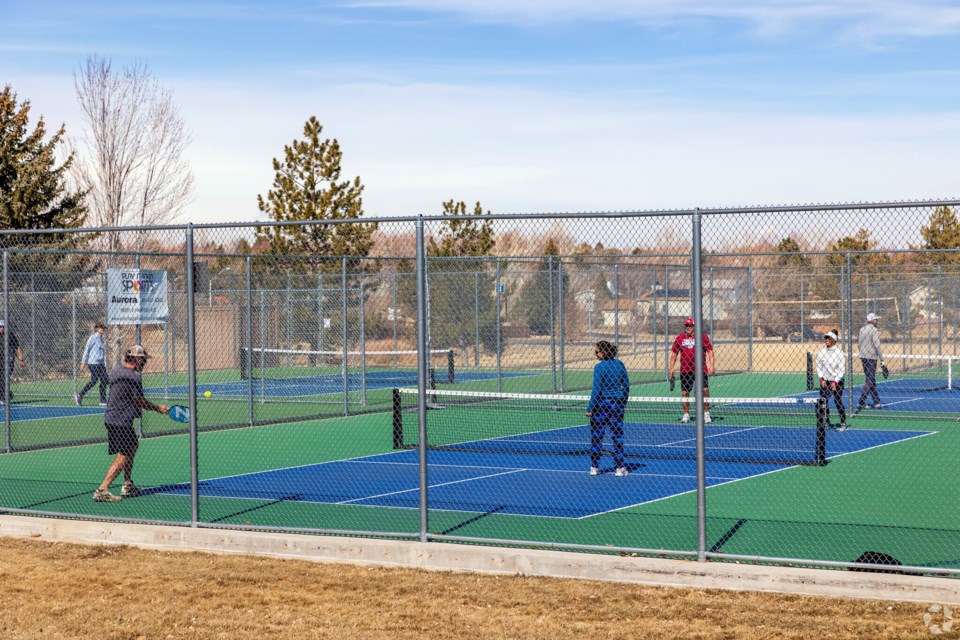
As one of Denver’s largest suburbs, Aurora has grown into a diverse and vibrant city in its own right. Known for its parks, reservoirs, and golf courses, it offers plenty of recreational opportunities. The city is also home to top medical centers, making it a hub for healthcare and research. Its cultural diversity is reflected in a wide range of restaurants, shopping centers, and community events. With easy access to both downtown Denver and Denver International Airport, Aurora continues to expand and attract new residents.
4) Fort Collins, CO
Population (2026 estimate): ~170,229
Fort Collins is a lively college town, home to Colorado State University and a thriving craft beer scene. With a charming downtown, countless bike trails, and easy access to the outdoors, it’s a perfect mix of city and nature. The city’s economy is strong, driven by education, technology, and innovation. Known for its excellent quality of life, Fort Collins frequently ranks among the best places to live in the U.S. Whether you're kayaking on the Cache la Poudre River or enjoying live music, there’s always something happening.
5) Lakewood, CO
Population (2026 estimate): ~156,583
Located just west of Denver, Lakewood offers suburban living with urban convenience. The city boasts plenty of green spaces, including Bear Creek Lake Park, making it a great place for outdoor lovers. It has a strong arts and cultural scene, with galleries, theaters, and community events throughout the year. Lakewood’s proximity to the mountains means easy weekend getaways for hiking and skiing. With excellent schools and a growing business sector, it's a great place for families and young professionals alike.
6) Thornton, CO
Population (2026 estimate): ~144,187
One of Denver’s northern suburbs, Thornton is known for its affordable housing, family-friendly atmosphere, and growing economy. The city features many parks and recreation centers, providing plenty of activities for residents of all ages. It has easy access to both downtown Denver and Boulder, making it ideal for commuters. With new businesses and infrastructure projects underway, Thornton is rapidly expanding. Its mix of suburban comfort and city accessibility makes it an appealing choice for many.
7) Boulder, CO
Population (2026 estimate): ~106,433
Famous for its outdoor recreation and lively college atmosphere, Boulder sits at the foothills of the Rocky Mountains. It’s home to the University of Colorado Boulder, a thriving tech industry, and a strong focus on sustainability. Residents enjoy world-class hiking, biking, and rock climbing without leaving the city. Its pedestrian-friendly downtown features local shops, breweries, and an energetic nightlife. Boulder’s combination of natural beauty and progressive culture makes it one of Colorado’s most unique cities. Boulder tends to be one of Colorado's cooler cities year-round; those interested in the state's more temperate spots can explore the warmest places in Colorado for a different climate experience.
8) Greeley, CO
Population (2026 estimate): ~110,806
Greeley is a growing agricultural and educational hub in northern Colorado. Home to the University of Northern Colorado, it has a youthful energy and a strong sense of community. The city hosts annual events like the Greeley Stampede, one of the country’s biggest rodeos. Affordable housing and job opportunities in agriculture, education, and healthcare attract many new residents. Its mix of rural charm and urban growth makes it a city on the rise. Greeley has seen sustained population growth, expanding by over 30% between 2010 and 2022, outpacing both Colorado's statewide growth rate and the national average during that period.
9) Centennial, CO
Population (2026 estimate): ~108,201
Located south of Denver, Centennial is known for its safety, family-friendly neighborhoods, and excellent schools. The city offers great shopping, dining, and recreational spaces, including the scenic Cherry Creek State Park. While it maintains a quieter suburban feel, it’s just a short drive from downtown Denver. Centennial is one of the newest cities in Colorado, incorporated in 2001, and has grown rapidly ever since. Its blend of modern amenities and peaceful living makes it a sought-after place to live.
10) Longmont, CO
Population (2026 estimate): ~99,406
Longmont is a thriving city northeast of Boulder with a growing arts and tech scene. The city offers beautiful parks, greenbelt trails, and access to nearby Rocky Mountain adventures. Its Creative District features galleries, music venues, and community events that attract artists and entrepreneurs. Longmont is also known for its excellent breweries and farm-to-table restaurants. With a strong economy and a welcoming community, it’s a fantastic place to call home.
11) Loveland, CO
Population (2026 estimate): ~78,410
Known as the “Sweetheart City,” Loveland is famous for its Valentine’s Day celebrations and its deep roots in the arts. It features a lively downtown, a sculpture park, and an annual arts festival. The city has great outdoor opportunities, with Lake Loveland and nearby hiking trails. Loveland is also an entry point to Rocky Mountain National Park, making it ideal for nature lovers. With a lower cost of living than nearby Boulder, it’s an attractive choice for families and retirees.
12) Broomfield, CO
Population (2026 estimate): ~76,304
Broomfield sits between Boulder and Denver, offering the best of both worlds. It has beautiful parks, shopping centers, and a strong business sector, particularly in tech and aerospace. The city’s FlatIron Crossing mall is a major attraction, featuring over 200 stores and restaurants. Outdoor lovers appreciate the city’s numerous open spaces and walking trails. With a growing population and a high quality of life, Broomfield continues to be a desirable place to live.
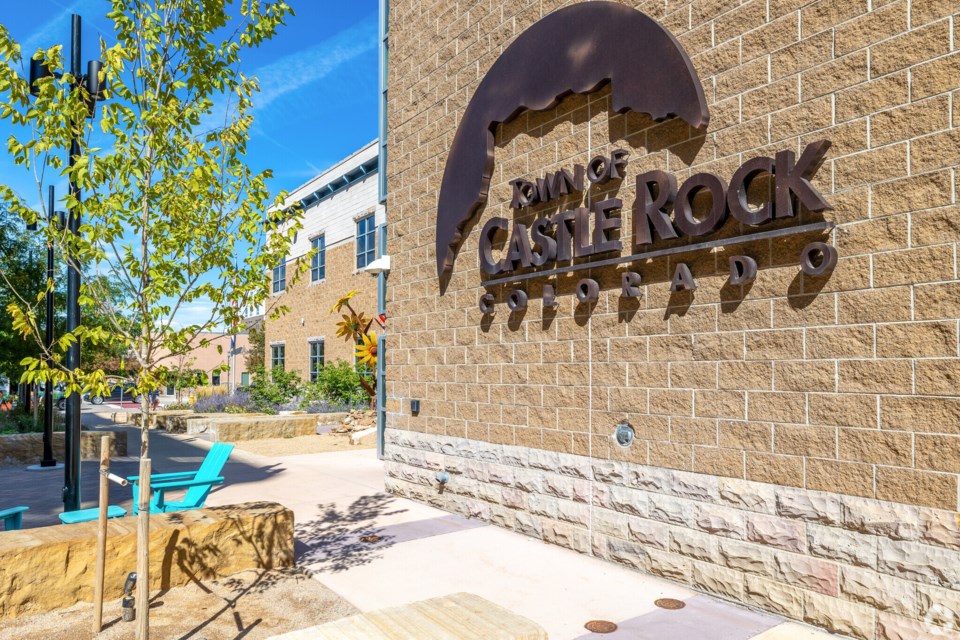
13) Castle Rock, CO
Population (2026 estimate): ~79,123
Castle Rock is a scenic town situated between Denver and Colorado Springs. Named after the iconic rock formation that towers above downtown, the city has a charming, walkable center. It’s known for outdoor recreation, including Castlewood Canyon State Park and Philip S. Miller Park. Families appreciate the excellent schools and safe neighborhoods. With stunning views and a strong sense of community, Castle Rock is one of Colorado’s most appealing places to live.
14) Grand Junction, CO
Population (2026 estimate): ~68,142
Grand Junction is the largest city on Colorado’s Western Slope, known for its stunning desert landscapes. It serves as a hub for wine country, outdoor recreation, and the arts. The nearby Colorado National Monument and McInnis Canyons offer breathtaking scenery and adventure. Downtown Grand Junction features a vibrant mix of restaurants, shops, and galleries. With a relaxed lifestyle and lower housing costs, it’s an excellent alternative to the Front Range.
15) Parker, CO
Population (2026 estimate): ~61,783
Parker is a charming town in the southeastern Denver metro area with a small-town feel and modern amenities. Known for its excellent schools and family-friendly atmosphere, it’s one of the fastest-growing communities in Colorado. The town hosts events like the Parker Days Festival and features plenty of parks, trails, and open spaces. With a historic downtown area and a thriving arts scene, Parker balances tradition with growth. Recent migration data named Parker one of Colorado's top destinations for new residents, reflecting its continued popularity among families relocating from larger metro areas.
16) Westminster, CO
Population (2026 estimate): ~115,484
Located between Denver and Boulder, Westminster is a city that blends nature with urban convenience. It features extensive trails and open spaces, including Standley Lake, a popular spot for boating and fishing. The city has a strong business sector, with tech companies and retail centers driving economic growth. Westminster’s redevelopment efforts, such as the new downtown project, are making it even more appealing. Its combination of affordability, outdoor recreation, and city life make it a top choice for residents.
17) Commerce City, CO
Population (2026 estimate): ~66,445
Commerce City is a rapidly growing industrial and residential hub northeast of Denver. While historically known for its oil and manufacturing industries, it has transformed into a thriving suburban community. It is home to Dick’s Sporting Goods Park, where the Colorado Rapids soccer team plays. The Rocky Mountain Arsenal National Wildlife Refuge offers nature lovers a chance to see bison, eagles, and deer. With new housing developments and business expansions, Commerce City continues to attract new residents.
18) Arvada, CO
Population (2026 estimate): ~122,634
Arvada is a well-established city northwest of Denver with a strong sense of history and charm. Its Olde Town district offers a mix of shops, restaurants, and breweries with a small-town feel. The city has numerous parks and trails, making it a great spot for outdoor enthusiasts. With easy access to both the mountains and downtown Denver, Arvada offers the best of both worlds. Its strong community spirit and historic character make it a highly desirable place to live.
19) Littleton, CO
Population (2026 estimate): ~44,710
Littleton is a picturesque city with a rich history and a vibrant downtown. Located south of Denver, it boasts beautiful parks, a strong school system, and a friendly community. The downtown area is filled with boutique shops, restaurants, and cultural attractions. Littleton’s proximity to the South Platte River and Chatfield State Park makes it a great place for outdoor recreation. With its mix of historic charm and modern conveniences, it’s a favorite among families and retirees.
20) Brighton, CO
Population (2026 estimate): ~42,059
Brighton is a growing city northeast of Denver, known for its agricultural roots and expanding suburban neighborhoods. The city hosts the annual Adams County Fair, celebrating its farming heritage with rodeos and live entertainment. Brighton’s Barr Lake State Park is a haven for birdwatchers and nature lovers. With new housing developments, schools, and business growth, it’s becoming an attractive place for families. Its blend of small-town charm and city growth makes it a promising community for the future.
What to Expect When Visiting Colorado’s Biggest Towns
Visiting the biggest towns in Colorado means experiencing a mix of nature, history, and modern attractions. Denver, for example, has world-class museums and sports venues, while Boulder is known for its outdoor activities and vibrant college scene. Each town has its own character, from Loveland’s artsy vibe to Grand Junction’s stunning red rock landscapes.
Expect a range of weather conditions depending on where you go. Mountain towns can be chilly even in summer, while lower-elevation places like Pueblo and Grand Junction stay considerably warmer. Travelers curious about year-round warmth will find that the Western Slope and southeastern corners of the state offer the mildest winters. No matter where you visit, you'll find a welcoming community, great food, and plenty of things to do.
How to Choose the Best Town to Live in Colorado
Finding the right town in Colorado depends on your lifestyle, career goals, and personal interests. From vibrant city living to quiet, scenic suburbs, the state offers a wide range of communities to call home.
Choose Denver or Colorado Springs for city amenities – These cities offer diverse job markets, entertainment, and access to major highways and airports.
Look into Parker or Littleton for family-friendly living – Suburban comfort, good schools, and community events make them ideal for raising kids.
Pick Boulder or Fort Collins for outdoor and college-town energy – Great for active lifestyles, eco-conscious living, and thriving food scenes.
Consider Aurora or Commerce City for airport access and affordability – These towns provide more space and convenience for frequent travelers.
Research based on lifestyle needs – Prioritize factors like commute times, housing prices, schools, and nearby outdoor activities when deciding.
Tips for Exploring Colorado’s Largest Towns Like a Local
To really get a feel for Colorado’s biggest towns, go beyond the popular tourist spots. Immersing yourself in local experiences can help you understand the culture, community, and rhythm of everyday life.
Visit neighborhood hotspots instead of tourist centers – Check out RiNo in Denver or Old Town in Fort Collins for a more authentic vibe.
Try local restaurants, not just chains – Explore food trucks, farmers' markets, and local diners that reflect the town’s real flavor.
Use public transit when possible – In cities like Denver and Aurora, buses and light rail can help you explore without the hassle of parking.
Attend community events and festivals – From live music to local parades, seasonal events offer a great way to connect with residents.
Chat with locals and explore side streets – Talking to shop owners and walking off the main path often leads to fun finds and helpful insights.
Frequently Asked Questions About Colorado's Biggest Towns
What is the biggest town in Colorado?
Denver is the biggest town in Colorado by both population and land area. As the state capital, it holds a 2026 population estimate of approximately 718,877 residents according to the 2024 American Community Survey. Its sprawling urban footprint, world-class infrastructure, and diverse economy make it far and away Colorado's dominant city.
What is the most populated city in Colorado?
Denver is also the most populated city in Colorado, with an estimated population of around 718,877 as of 2026. Colorado Springs comes in second at approximately 487,887, followed by Aurora at roughly 394,432. Together, these three cities account for a significant share of Colorado's total state population of over six million.
Is Aurora bigger than Denver?
No, Aurora is not bigger than Denver. Aurora's 2026 population estimate is approximately 394,432, which is well below Denver's ~718,877. However, Aurora is the third-largest city in Colorado and one of the largest suburbs in the entire Rocky Mountain region. It is larger than many standalone cities in the country, just not larger than Colorado's capital.
What is the fastest-growing city in Colorado?
Among smaller communities, Erie has emerged as one of Colorado's fastest-growing cities, recording a population growth of approximately 9.2% in a single year between 2023 and 2024 — ranking it among the fastest-growing towns in the entire United States. Among larger cities, Parker has attracted significant net migration in recent years, earning recognition as a top destination for new Colorado residents. The suburban corridor along I-25 between Denver and Fort Collins, including towns like Timnath, Berthoud, and Windsor, continues to show some of the fastest percentage growth statewide.
What is the smallest major city in Colorado?
Littleton is among the smallest cities that still qualify as a "major" Colorado city, with a 2026 population estimate of approximately 44,710. Despite its modest size, Littleton has a vibrant downtown, excellent schools, and a strong community identity. Brighton, at roughly 42,059 residents, is also in this smaller-but-notable tier. Both cities punch above their population weight in terms of amenities and quality of life.
Final Thoughts on the Biggest Towns in Colorado
Whether you're looking for a lively city or a peaceful suburb, the biggest towns in Colorado offer something for everyone. From Denver's ~718,877 residents anchoring the Front Range to the wide-open desert landscape surrounding Grand Junction's ~68,142 inhabitants, each town has its own charm and unique attractions. Colorado's overall population surpassed six million in 2025 and continues to grow, meaning these population figures will keep shifting — check back for updated estimates as the U.S. Census Bureau releases new data in 2026. Whether you're visiting or planning to move, exploring these towns will give you a true feel for Colorado's diverse landscape and vibrant communities.
Population data sourced from the 2024 American Community Survey as compiled by colorado-demographics.com (updated February 2026) and cross-referenced with the U.S. Census Bureau Population Estimates Program. Statewide totals are based on the Colorado State Demography Office's January 2026 release, confirming that Colorado's population reached 6,012,561 as of July 1, 2025.
Colorado is home to many bustling cities and charming small towns, each offering unique landscapes and lifestyles. Some of the biggest towns in Colorado stand out not only for their population but also for their vast land area.
From the busy streets of Denver to the wide-open spaces of Grand Junction, these towns showcase the state’s diverse geography. Whether you’re looking for an urban experience or a scenic retreat, Colorado has something for everyone. Let’s explore the biggest towns in Colorado by both population and land size.
Top 5 Biggest Towns in Colorado (2026)
Towns
Population
Denver
~718,877
Colorado Springs
~487,887
Aurora
~394,432
Fort Collins
~170,229
Lakewood
~156,583
20 Biggest Towns in Colorado
Population (2026 estimate): ~718,877
1) Denver, CO
As the state capital and largest city, Denver is the heart of Colorado. With a thriving economy, diverse culture, and stunning mountain views, it’s a prime destination for both visitors and residents. The city offers everything from major sports teams and entertainment districts to world-class museums and outdoor parks. Denver International Airport provides easy global access, and the nearby Rocky Mountains make it a paradise for outdoor enthusiasts. Whether you’re enjoying craft breweries, catching a show at Red Rocks Amphitheatre, or exploring its many neighborhoods, Denver has something for everyone. Colorado as a whole crossed the six million resident mark in 2025, and Denver remains its undisputed urban core, anchoring a metro area of roughly three million people.
2) Colorado Springs, CO
Population (2026 estimate): ~487,887
Nestled at the base of Pikes Peak, Colorado Springs is known for its stunning landscapes and outdoor recreation. Home to the U.S. Air Force Academy, Garden of the Gods, and the Olympic Training Center, it’s a city rich in history and adventure. With a growing economy and a lower cost of living compared to Denver, it attracts many families and professionals. Hiking, biking, and exploring national parks are everyday activities here. Its balance of urban amenities and natural beauty makes it one of Colorado’s most desirable places to live. Colorado Springs has consistently maintained its position as Colorado’s second-largest city, and those looking into the state’s top major cities will find it near the top of every list.
3) Aurora, CO
Population (2026 estimate): ~394,432
As one of Denver’s largest suburbs, Aurora has grown into a diverse and vibrant city in its own right. Known for its parks, reservoirs, and golf courses, it offers plenty of recreational opportunities. The city is also home to top medical centers, making it a hub for healthcare and research. Its cultural diversity is reflected in a wide range of restaurants, shopping centers, and community events. With easy access to both downtown Denver and Denver International Airport, Aurora continues to expand and attract new residents.
4) Fort Collins, CO
Population (2026 estimate): ~170,229
Fort Collins is a lively college town, home to Colorado State University and a thriving craft beer scene. With a charming downtown, countless bike trails, and easy access to the outdoors, it’s a perfect mix of city and nature. The city’s economy is strong, driven by education, technology, and innovation. Known for its excellent quality of life, Fort Collins frequently ranks among the best places to live in the U.S. Whether you’re kayaking on the Cache la Poudre River or enjoying live music, there’s always something happening.
5) Lakewood, CO
Population (2026 estimate): ~156,583
Located just west of Denver, Lakewood offers suburban living with urban convenience. The city boasts plenty of green spaces, including Bear Creek Lake Park, making it a great place for outdoor lovers. It has a strong arts and cultural scene, with galleries, theaters, and community events throughout the year. Lakewood’s proximity to the mountains means easy weekend getaways for hiking and skiing. With excellent schools and a growing business sector, it’s a great place for families and young professionals alike.
6) Thornton, CO
Population (2026 estimate): ~144,187
One of Denver’s northern suburbs, Thornton is known for its affordable housing, family-friendly atmosphere, and growing economy. The city features many parks and recreation centers, providing plenty of activities for residents of all ages. It has easy access to both downtown Denver and Boulder, making it ideal for commuters. With new businesses and infrastructure projects underway, Thornton is rapidly expanding. Its mix of suburban comfort and city accessibility makes it an appealing choice for many.
7) Boulder, CO
Population (2026 estimate): ~106,433
Famous for its outdoor recreation and lively college atmosphere, Boulder sits at the foothills of the Rocky Mountains. It’s home to the University of Colorado Boulder, a thriving tech industry, and a strong focus on sustainability. Residents enjoy world-class hiking, biking, and rock climbing without leaving the city. Its pedestrian-friendly downtown features local shops, breweries, and an energetic nightlife. Boulder’s combination of natural beauty and progressive culture makes it one of Colorado’s most unique cities. Boulder tends to be one of Colorado’s cooler cities year-round; those interested in the state’s more temperate spots can explore the warmest places in Colorado for a different climate experience.
8) Greeley, CO
Population (2026 estimate): ~110,806
Greeley is a growing agricultural and educational hub in northern Colorado. Home to the University of Northern Colorado, it has a youthful energy and a strong sense of community. The city hosts annual events like the Greeley Stampede, one of the country’s biggest rodeos. Affordable housing and job opportunities in agriculture, education, and healthcare attract many new residents. Its mix of rural charm and urban growth makes it a city on the rise. Greeley has seen sustained population growth, expanding by over 30% between 2010 and 2022, outpacing both Colorado’s statewide growth rate and the national average during that period.
9) Centennial, CO
Population (2026 estimate): ~108,201
Located south of Denver, Centennial is known for its safety, family-friendly neighborhoods, and excellent schools. The city offers great shopping, dining, and recreational spaces, including the scenic Cherry Creek State Park. While it maintains a quieter suburban feel, it’s just a short drive from downtown Denver. Centennial is one of the newest cities in Colorado, incorporated in 2001, and has grown rapidly ever since. Its blend of modern amenities and peaceful living makes it a sought-after place to live.
10) Longmont, CO
Population (2026 estimate): ~99,406
Longmont is a thriving city northeast of Boulder with a growing arts and tech scene. The city offers beautiful parks, greenbelt trails, and access to nearby Rocky Mountain adventures. Its Creative District features galleries, music venues, and community events that attract artists and entrepreneurs. Longmont is also known for its excellent breweries and farm-to-table restaurants. With a strong economy and a welcoming community, it’s a fantastic place to call home.
11) Loveland, CO
Population (2026 estimate): ~78,410
Known as the “Sweetheart City,” Loveland is famous for its Valentine’s Day celebrations and its deep roots in the arts. It features a lively downtown, a sculpture park, and an annual arts festival. The city has great outdoor opportunities, with Lake Loveland and nearby hiking trails. Loveland is also an entry point to Rocky Mountain National Park, making it ideal for nature lovers. With a lower cost of living than nearby Boulder, it’s an attractive choice for families and retirees.
12) Broomfield, CO
Population (2026 estimate): ~76,304
Broomfield sits between Boulder and Denver, offering the best of both worlds. It has beautiful parks, shopping centers, and a strong business sector, particularly in tech and aerospace. The city’s FlatIron Crossing mall is a major attraction, featuring over 200 stores and restaurants. Outdoor lovers appreciate the city’s numerous open spaces and walking trails. With a growing population and a high quality of life, Broomfield continues to be a desirable place to live.
13) Castle Rock, CO
Population (2026 estimate): ~79,123
Castle Rock is a scenic town situated between Denver and Colorado Springs. Named after the iconic rock formation that towers above downtown, the city has a charming, walkable center. It’s known for outdoor recreation, including Castlewood Canyon State Park and Philip S. Miller Park. Families appreciate the excellent schools and safe neighborhoods. With stunning views and a strong sense of community, Castle Rock is one of Colorado’s most appealing places to live.
14) Grand Junction, CO
Population (2026 estimate): ~68,142
Grand Junction is the largest city on Colorado’s Western Slope, known for its stunning desert landscapes. It serves as a hub for wine country, outdoor recreation, and the arts. The nearby Colorado National Monument and McInnis Canyons offer breathtaking scenery and adventure. Downtown Grand Junction features a vibrant mix of restaurants, shops, and galleries. With a relaxed lifestyle and lower housing costs, it’s an excellent alternative to the Front Range.
15) Parker, CO
Population (2026 estimate): ~61,783
Parker is a charming town in the southeastern Denver metro area with a small-town feel and modern amenities. Known for its excellent schools and family-friendly atmosphere, it’s one of the fastest-growing communities in Colorado. The town hosts events like the Parker Days Festival and features plenty of parks, trails, and open spaces. With a historic downtown area and a thriving arts scene, Parker balances tradition with growth. Recent migration data named Parker one of Colorado’s top destinations for new residents, reflecting its continued popularity among families relocating from larger metro areas.
16) Westminster, CO
Population (2026 estimate): ~115,484
Located between Denver and Boulder, Westminster is a city that blends nature with urban convenience. It features extensive trails and open spaces, including Standley Lake, a popular spot for boating and fishing. The city has a strong business sector, with tech companies and retail centers driving economic growth. Westminster’s redevelopment efforts, such as the new downtown project, are making it even more appealing. Its combination of affordability, outdoor recreation, and city life make it a top choice for residents.
17) Commerce City, CO
Population (2026 estimate): ~66,445
Commerce City is a rapidly growing industrial and residential hub northeast of Denver. While historically known for its oil and manufacturing industries, it has transformed into a thriving suburban community. It is home to Dick’s Sporting Goods Park, where the Colorado Rapids soccer team plays. The Rocky Mountain Arsenal National Wildlife Refuge offers nature lovers a chance to see bison, eagles, and deer. With new housing developments and business expansions, Commerce City continues to attract new residents.
18) Arvada, CO
Population (2026 estimate): ~122,634
Arvada is a well-established city northwest of Denver with a strong sense of history and charm. Its Olde Town district offers a mix of shops, restaurants, and breweries with a small-town feel. The city has numerous parks and trails, making it a great spot for outdoor enthusiasts. With easy access to both the mountains and downtown Denver, Arvada offers the best of both worlds. Its strong community spirit and historic character make it a highly desirable place to live.
19) Littleton, CO
Population (2026 estimate): ~44,710
Littleton is a picturesque city with a rich history and a vibrant downtown. Located south of Denver, it boasts beautiful parks, a strong school system, and a friendly community. The downtown area is filled with boutique shops, restaurants, and cultural attractions. Littleton’s proximity to the South Platte River and Chatfield State Park makes it a great place for outdoor recreation. With its mix of historic charm and modern conveniences, it’s a favorite among families and retirees.
20) Brighton, CO
Population (2026 estimate): ~42,059
Brighton is a growing city northeast of Denver, known for its agricultural roots and expanding suburban neighborhoods. The city hosts the annual Adams County Fair, celebrating its farming heritage with rodeos and live entertainment. Brighton’s Barr Lake State Park is a haven for birdwatchers and nature lovers. With new housing developments, schools, and business growth, it’s becoming an attractive place for families. Its blend of small-town charm and city growth makes it a promising community for the future.
What to Expect When Visiting Colorado’s Biggest Towns
Visiting the biggest towns in Colorado means experiencing a mix of nature, history, and modern attractions. Denver, for example, has world-class museums and sports venues, while Boulder is known for its outdoor activities and vibrant college scene. Each town has its own character, from Loveland’s artsy vibe to Grand Junction’s stunning red rock landscapes.
Expect a range of weather conditions depending on where you go. Mountain towns can be chilly even in summer, while lower-elevation places like Pueblo and Grand Junction stay considerably warmer. Travelers curious about year-round warmth will find that the Western Slope and southeastern corners of the state offer the mildest winters. No matter where you visit, you’ll find a welcoming community, great food, and plenty of things to do.
How to Choose the Best Town to Live in Colorado
Finding the right town in Colorado depends on your lifestyle, career goals, and personal interests. From vibrant city living to quiet, scenic suburbs, the state offers a wide range of communities to call home.
Choose Denver or Colorado Springs for city amenities – These cities offer diverse job markets, entertainment, and access to major highways and airports.
Look into Parker or Littleton for family-friendly living – Suburban comfort, good schools, and community events make them ideal for raising kids.
Pick Boulder or Fort Collins for outdoor and college-town energy – Great for active lifestyles, eco-conscious living, and thriving food scenes.
Consider Aurora or Commerce City for airport access and affordability – These towns provide more space and convenience for frequent travelers.
Research based on lifestyle needs – Prioritize factors like commute times, housing prices, schools, and nearby outdoor activities when deciding.
Tips for Exploring Colorado’s Largest Towns Like a Local
To really get a feel for Colorado’s biggest towns, go beyond the popular tourist spots. Immersing yourself in local experiences can help you understand the culture, community, and rhythm of everyday life.
Visit neighborhood hotspots instead of tourist centers – Check out RiNo in Denver or Old Town in Fort Collins for a more authentic vibe.
Try local restaurants, not just chains – Explore food trucks, farmers’ markets, and local diners that reflect the town’s real flavor.
Use public transit when possible – In cities like Denver and Aurora, buses and light rail can help you explore without the hassle of parking.
Attend community events and festivals – From live music to local parades, seasonal events offer a great way to connect with residents.
Chat with locals and explore side streets – Talking to shop owners and walking off the main path often leads to fun finds and helpful insights.
Frequently Asked Questions About Colorado’s Biggest Towns
What is the biggest town in Colorado?
Denver is the biggest town in Colorado by both population and land area. As the state capital, it holds a 2026 population estimate of approximately 718,877 residents according to the 2024 American Community Survey. Its sprawling urban footprint, world-class infrastructure, and diverse economy make it far and away Colorado’s dominant city.
What is the most populated city in Colorado?
Denver is also the most populated city in Colorado, with an estimated population of around 718,877 as of 2026. Colorado Springs comes in second at approximately 487,887, followed by Aurora at roughly 394,432. Together, these three cities account for a significant share of Colorado’s total state population of over six million.
Is Aurora bigger than Denver?
No, Aurora is not bigger than Denver. Aurora’s 2026 population estimate is approximately 394,432, which is well below Denver’s ~718,877. However, Aurora is the third-largest city in Colorado and one of the largest suburbs in the entire Rocky Mountain region. It is larger than many standalone cities in the country, just not larger than Colorado’s capital.
What is the fastest-growing city in Colorado?
Among smaller communities, Erie has emerged as one of Colorado’s fastest-growing cities, recording a population growth of approximately 9.2% in a single year between 2023 and 2024 — ranking it among the fastest-growing towns in the entire United States. Among larger cities, Parker has attracted significant net migration in recent years, earning recognition as a top destination for new Colorado residents. The suburban corridor along I-25 between Denver and Fort Collins, including towns like Timnath, Berthoud, and Windsor, continues to show some of the fastest percentage growth statewide.
What is the smallest major city in Colorado?
Littleton is among the smallest cities that still qualify as a “major” Colorado city, with a 2026 population estimate of approximately 44,710. Despite its modest size, Littleton has a vibrant downtown, excellent schools, and a strong community identity. Brighton, at roughly 42,059 residents, is also in this smaller-but-notable tier. Both cities punch above their population weight in terms of amenities and quality of life.
Final Thoughts on the Biggest Towns in Colorado
Whether you’re looking for a lively city or a peaceful suburb, the biggest towns in Colorado offer something for everyone. From Denver’s ~718,877 residents anchoring the Front Range to the wide-open desert landscape surrounding Grand Junction’s ~68,142 inhabitants, each town has its own charm and unique attractions. Colorado’s overall population surpassed six million in 2025 and continues to grow, meaning these population figures will keep shifting — check back for updated estimates as the U.S. Census Bureau releases new data in 2026. Whether you’re visiting or planning to move, exploring these towns will give you a true feel for Colorado’s diverse landscape and vibrant communities.
Population data sourced from the 2024 American Community Survey as compiled by colorado-demographics.com (updated February 2026) and cross-referenced with the U.S. Census Bureau Population Estimates Program. Statewide totals are based on the Colorado State Demography Office’s January 2026 release, confirming that Colorado’s population reached 6,012,561 as of July 1, 2025.
About the Author:
Andrea Ano
Hi, I'm Andrea, a writer passionate about sharing Colorado’s stories. From breaking news to local highlights, I bring the heart of Colorado to the forefront....