Explore the Teller City Ghost Town, a hauntingly preserved silver mining ruin hidden deep in Colorado's Routt National Forest.
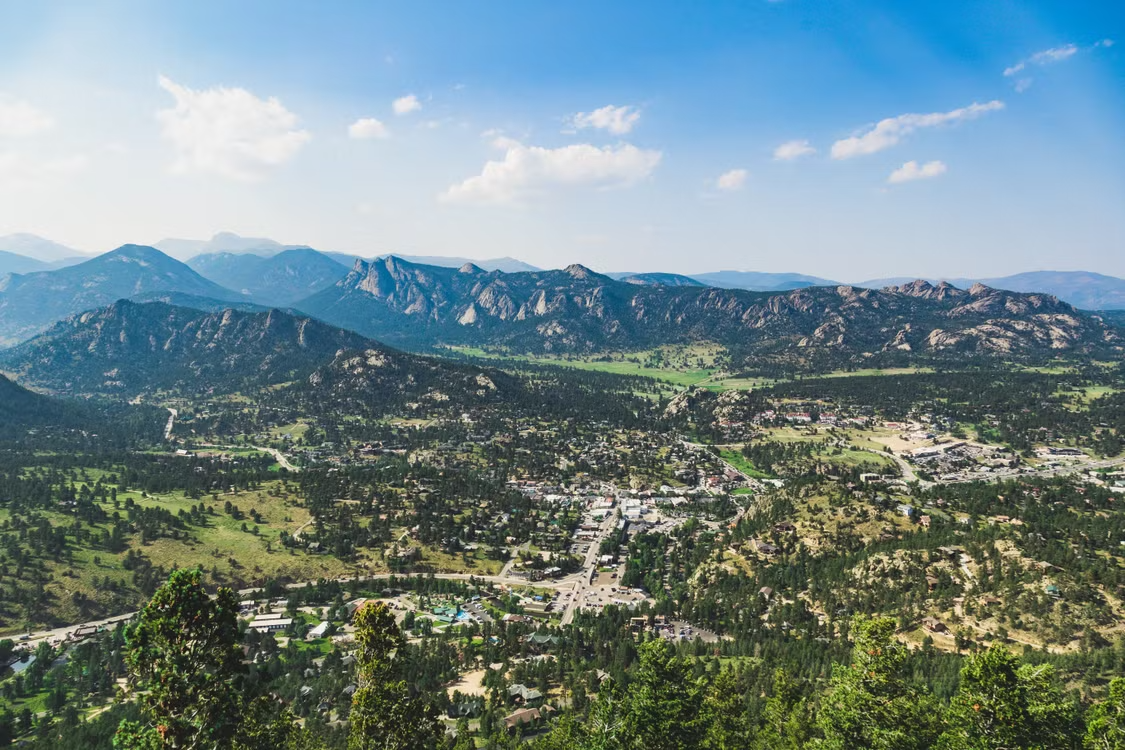
Deep in the high-altitude wilderness of Jackson County, tucked within the protected boundaries of the Routt National Forest, lies one of Colorado's most compelling forgotten places. Teller City is a former silver mining settlement that flourished briefly, collapsed spectacularly, and left behind a hauntingly beautiful collection of ruins for curious explorers to discover.
This is the kind of place that makes the drive worth every pothole.
The initial silver strike occurred in 1879 near the headwaters of the Illinois River, and almost overnight, the rugged North Park area transformed into a destination for thousands of fortune seekers. Today, nature has reclaimed most of what those ambitious settlers built — but enough remains to offer a profound sense of historical immersion for those willing to navigate the mountain terrain.
Locating the Ruins: Where Is Teller City and How to Get There
Photo by Alfo Medeiros
Access to the site runs along Forest Service Road 740, a rugged forest corridor southeast of Walden through the Medicine Bow-Routt National Forests. Walden serves as the nearest supply point and the primary navigation landmark for the region.
From Walden, the route continues toward the Illinois River and the small community of Gould, which marks the final waypoint before the road climbs into the higher elevations of the mining district. The ascent reaches approximately 9,000 feet, and that elevation matters — heavy snowfall frequently closes the route during winter and early spring, so timing a visit for late spring through fall is strongly recommended.
A few practical notes before heading out:
Vehicle requirements: High ground clearance and four-wheel drive are essential. Standard passenger cars simply cannot handle the rocky, rutted segments of Forest Service Road 740.
Weather: Conditions at elevation can shift rapidly. Pack layers regardless of the forecast.
Altitude awareness: At 9,000 feet, hydration and awareness of altitude sickness symptoms are genuinely important, especially for those coming from lower elevations.
Reliable preparation means the focus stays on the history rather than the logistics of surviving the journey.
Silver Dreams: The Rise of Teller City During the Mining Boom
The settlement appeared in 1879 following the discovery of silver deposits in the North Park mining district — an area that quickly attracted intense interest from political and industrial leaders across the state. Founders named the community after Henry M. Teller, a prominent United States Senator from Colorado whose name lent the town a sense of political legitimacy and urban ambition.
That ambition was no small thing.
Prospectors and businessmen recognized Teller City as the largest settlement in the Grand Lake region during the early 1880s. The promise of silver wealth created a boomtown atmosphere: rapid construction, diverse social structures, and a community that genuinely believed it was building something permanent. As one of the most dramatic examples among the 20 must-visit ghost towns in Colorado, Teller City captures the full arc of boom-and-bust ambition that defined the era.
Peak Prosperity: Life and Infrastructure in Teller City
At its peak in 1882, the population swelled to somewhere between 1,500 and 2,000 residents. Hundreds of log cabins and several elaborate frame buildings went up to house the diverse workforce extracting and processing silver ore. The infrastructure supported both industrial operations and the complex social requirements of a permanent mountain city.
The scale of it is striking when laid out plainly:
The Yates House, a monumental 40-room hotel, welcomed visiting investors and dignitaries in genuine luxury — a remarkable thing for a wilderness outpost.
Twenty-seven saloons kept the mining population socialized and, presumably, well-rested.
A local post office connected residents to the outside world from 1880 until 1885.
A sawmill and a local newspaper handled the structural and informational needs of a community that saw itself as a real city.
The newspaper is particularly telling. A literate, engaged citizenry reading local news in a remote mountain settlement at 9,000 feet — Teller City had genuine aspirations. The Yates House wasn't just lodging; it was a statement. This community intended to last.
Revenue from silver kept those aspirations alive. Until it didn't.
The End of the Era: Decline and Abandonment
Photo by Alfo Medeiros
The decline began in 1884, and it moved fast.
High transportation costs for hauling ore across the mountains steadily eroded profit margins. The silver ore itself proved to be low grade, making the expensive logistics of processing and shipping increasingly difficult to justify. Financial instability reached a breaking point during the Panic of 1893, a national crisis that triggered a drastic drop in silver prices and crippled mining towns across the American West.
Most miners and business owners had already departed by late 1884, seeking opportunities in districts with better ore quality and more efficient transportation networks. The final residents left shortly after the turn of the century. By 1902, Teller City was completely abandoned.
A bustling city of nearly 2,000 people, reduced to silence in under two decades. The rapid departure left many structures standing, unattended, facing the elements alone.
Preserved History: What Remains Today in Routt National Forest
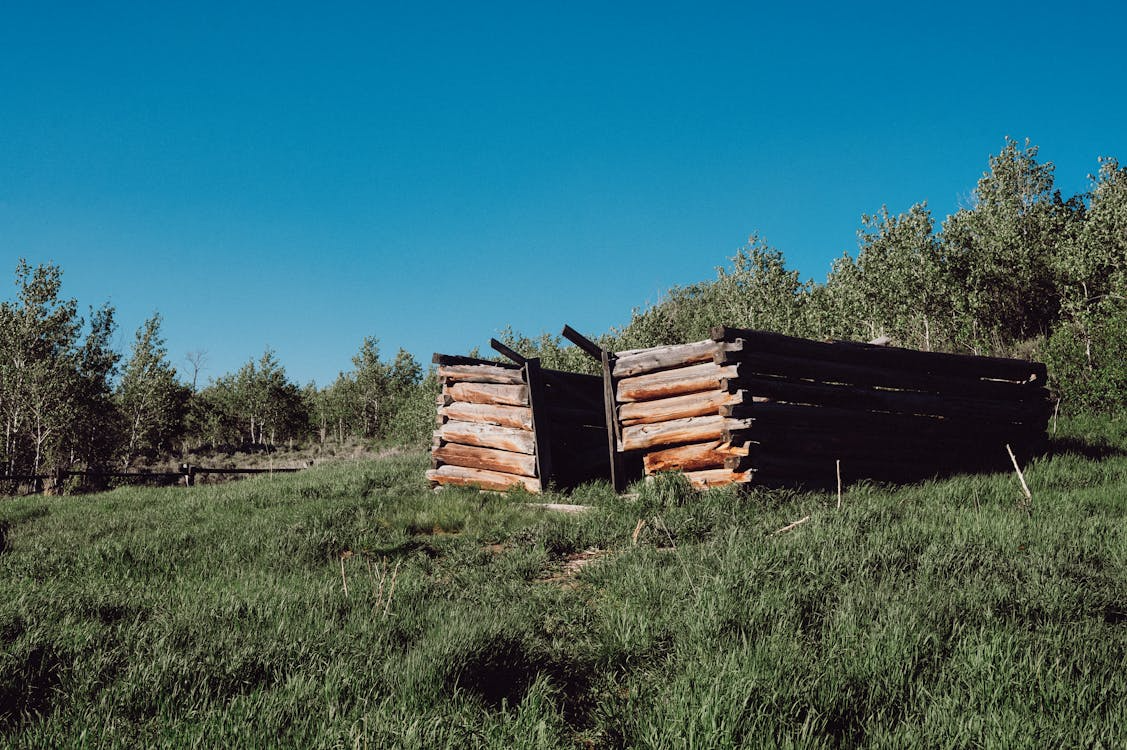
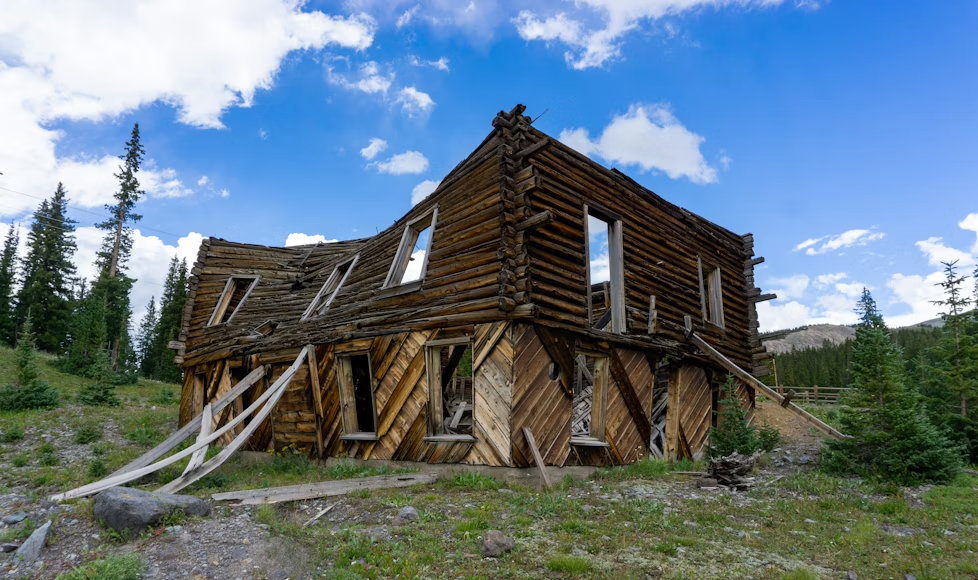
What survives today is scattered across the forest floor in various states of picturesque decay. The ruins offer more than just atmosphere — they reveal how nineteenth-century builders approached construction in a demanding high-altitude climate.
Visitors wandering the site will find:
Decaying log cabin ruins, their weathered wood offering a window into the construction methods of the era
Stone foundations that outline the original footprint of frame buildings and trace the layout of former streets and residential blocks
Rusted cans and scattered artifacts near cabin sites, offering a tactile connection to the daily lives of mountain residents
An old cemetery in a quiet corner near the town site, serving as a somber final monument to the people who built this silver capital
The artifacts on the ground are fragile and irreplaceable. Respecting "leave no trace" principles isn't just good etiquette here — it protects the archaeological integrity of one of Colorado's most atmospheric historical sites. Similar care is called for at Ashcroft Ghost Town, another well-preserved remnant of Colorado's silver era that rewards respectful exploration.
Visitor Guide: Trail Navigation and Safety Considerations
A 3/4-mile interpretive loop trail winds through the cabin ruins and foundations, giving visitors a systematic and safe way to experience the most significant remains without disturbing the fragile environment. Interpretive signs along the path provide historical context for the various structures, helping bring the former layout of the town to life.
A few things to keep in mind before visiting:
The trail is relatively short, but the altitude adds effort. Take it at a comfortable pace.
Proper footwear matters — the terrain is uneven and rocky in places.
Bring more water than seems necessary. Dehydration at elevation sneaks up quickly.
The ruins are fragile. Staying on designated paths protects both the site and the visitor.
This is the kind of place that rewards patience and attention. Slow down. Look closely. The details are worth it.
Regional Context: Nearby Attractions and Jackson County Ghost Towns
Photo by Alfo Medeiros
Jackson County is a surprisingly rich destination for anyone interested in Colorado's industrial and frontier history. Teller City sits within a broader landscape of historical sites worth exploring.
A few notable neighbors:
Coalmont (est. 1911): A hub for regional coal mining and terminus for the Northern Colorado and Eastern Railroad.
Pearl: Near the Wyoming border, Pearl emerged in the late 1890s as a center for copper mining and community development.
Rand (est. 1883) and Hebron: A ranching community south of Walden with a quieter but equally authentic historical character.
Spicer: A designated stop on a local stagecoach line during the late nineteenth century.
Each of these settlements contributes a different thread to the broader story of the Colorado mountains. Teller City is one vivid chapter — but the whole book is worth reading. For those looking to explore further, these hidden gems across Colorado offer even more unexpected corners of the state worth discovering.
Ready to add Teller City to the adventure list? Start by checking seasonal road conditions for Forest Service Road 740 and planning a visit for late summer or early fall, when the mountain weather is most cooperative, and the forest is at its most spectacular. A little preparation goes a long way toward making this one of the most memorable day trips in northern Colorado.
Deep in the high-altitude wilderness of Jackson County, tucked within the protected boundaries of the Routt National Forest, lies one of Colorado’s most compelling forgotten places. Teller City is a former silver mining settlement that flourished briefly, collapsed spectacularly, and left behind a hauntingly beautiful collection of ruins for curious explorers to discover.
This is the kind of place that makes the drive worth every pothole.
The initial silver strike occurred in 1879 near the headwaters of the Illinois River, and almost overnight, the rugged North Park area transformed into a destination for thousands of fortune seekers. Today, nature has reclaimed most of what those ambitious settlers built — but enough remains to offer a profound sense of historical immersion for those willing to navigate the mountain terrain.
Locating the Ruins: Where Is Teller City and How to Get There

Photo by Alfo Medeiros
Access to the site runs along Forest Service Road 740, a rugged forest corridor southeast of Walden through the Medicine Bow-Routt National Forests. Walden serves as the nearest supply point and the primary navigation landmark for the region.
From Walden, the route continues toward the Illinois River and the small community of Gould, which marks the final waypoint before the road climbs into the higher elevations of the mining district. The ascent reaches approximately 9,000 feet, and that elevation matters — heavy snowfall frequently closes the route during winter and early spring, so timing a visit for late spring through fall is strongly recommended.
A few practical notes before heading out:
- Vehicle requirements: High ground clearance and four-wheel drive are essential. Standard passenger cars simply cannot handle the rocky, rutted segments of Forest Service Road 740.
- Weather: Conditions at elevation can shift rapidly. Pack layers regardless of the forecast.
- Altitude awareness: At 9,000 feet, hydration and awareness of altitude sickness symptoms are genuinely important, especially for those coming from lower elevations.
Reliable preparation means the focus stays on the history rather than the logistics of surviving the journey.
Silver Dreams: The Rise of Teller City During the Mining Boom
The settlement appeared in 1879 following the discovery of silver deposits in the North Park mining district — an area that quickly attracted intense interest from political and industrial leaders across the state. Founders named the community after Henry M. Teller, a prominent United States Senator from Colorado whose name lent the town a sense of political legitimacy and urban ambition.
That ambition was no small thing.
Prospectors and businessmen recognized Teller City as the largest settlement in the Grand Lake region during the early 1880s. The promise of silver wealth created a boomtown atmosphere: rapid construction, diverse social structures, and a community that genuinely believed it was building something permanent. As one of the most dramatic examples among the 20 must-visit ghost towns in Colorado, Teller City captures the full arc of boom-and-bust ambition that defined the era.
Peak Prosperity: Life and Infrastructure in Teller City
At its peak in 1882, the population swelled to somewhere between 1,500 and 2,000 residents. Hundreds of log cabins and several elaborate frame buildings went up to house the diverse workforce extracting and processing silver ore. The infrastructure supported both industrial operations and the complex social requirements of a permanent mountain city.
The scale of it is striking when laid out plainly:
- The Yates House, a monumental 40-room hotel, welcomed visiting investors and dignitaries in genuine luxury — a remarkable thing for a wilderness outpost.
- Twenty-seven saloons kept the mining population socialized and, presumably, well-rested.
- A local post office connected residents to the outside world from 1880 until 1885.
- A sawmill and a local newspaper handled the structural and informational needs of a community that saw itself as a real city.
The newspaper is particularly telling. A literate, engaged citizenry reading local news in a remote mountain settlement at 9,000 feet — Teller City had genuine aspirations. The Yates House wasn’t just lodging; it was a statement. This community intended to last.
Revenue from silver kept those aspirations alive. Until it didn’t.
The End of the Era: Decline and Abandonment
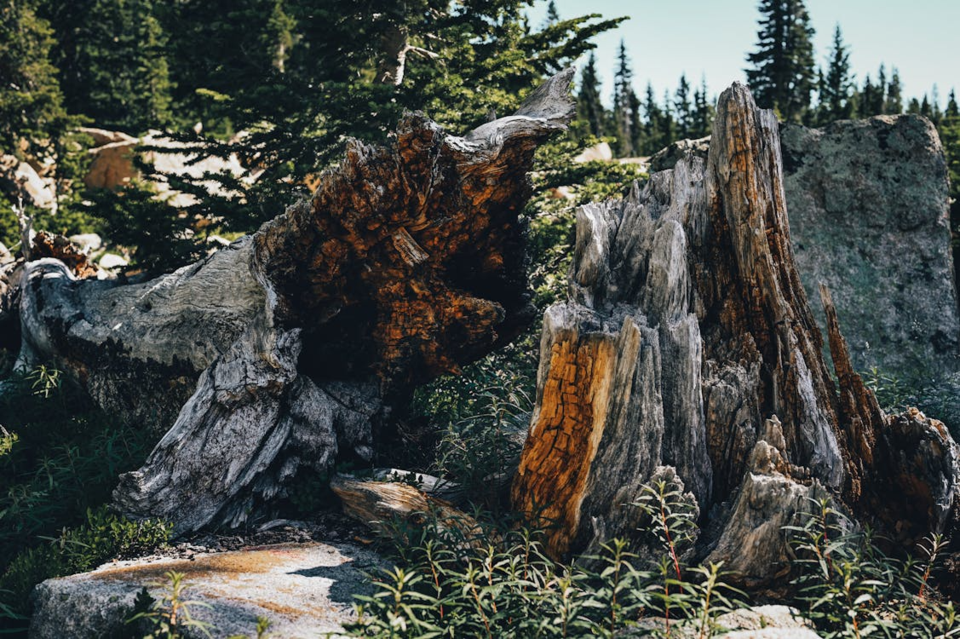
Photo by Alfo Medeiros
The decline began in 1884, and it moved fast.
High transportation costs for hauling ore across the mountains steadily eroded profit margins. The silver ore itself proved to be low grade, making the expensive logistics of processing and shipping increasingly difficult to justify. Financial instability reached a breaking point during the Panic of 1893, a national crisis that triggered a drastic drop in silver prices and crippled mining towns across the American West.
Most miners and business owners had already departed by late 1884, seeking opportunities in districts with better ore quality and more efficient transportation networks. The final residents left shortly after the turn of the century. By 1902, Teller City was completely abandoned.
A bustling city of nearly 2,000 people, reduced to silence in under two decades. The rapid departure left many structures standing, unattended, facing the elements alone.
Preserved History: What Remains Today in Routt National Forest
What survives today is scattered across the forest floor in various states of picturesque decay. The ruins offer more than just atmosphere — they reveal how nineteenth-century builders approached construction in a demanding high-altitude climate.
Visitors wandering the site will find:
- Decaying log cabin ruins, their weathered wood offering a window into the construction methods of the era
- Stone foundations that outline the original footprint of frame buildings and trace the layout of former streets and residential blocks
- Rusted cans and scattered artifacts near cabin sites, offering a tactile connection to the daily lives of mountain residents
- An old cemetery in a quiet corner near the town site, serving as a somber final monument to the people who built this silver capital
The artifacts on the ground are fragile and irreplaceable. Respecting “leave no trace” principles isn’t just good etiquette here — it protects the archaeological integrity of one of Colorado’s most atmospheric historical sites. Similar care is called for at Ashcroft Ghost Town, another well-preserved remnant of Colorado’s silver era that rewards respectful exploration.
Visitor Guide: Trail Navigation and Safety Considerations
A 3/4-mile interpretive loop trail winds through the cabin ruins and foundations, giving visitors a systematic and safe way to experience the most significant remains without disturbing the fragile environment. Interpretive signs along the path provide historical context for the various structures, helping bring the former layout of the town to life.
A few things to keep in mind before visiting:
- The trail is relatively short, but the altitude adds effort. Take it at a comfortable pace.
- Proper footwear matters — the terrain is uneven and rocky in places.
- Bring more water than seems necessary. Dehydration at elevation sneaks up quickly.
- The ruins are fragile. Staying on designated paths protects both the site and the visitor.
This is the kind of place that rewards patience and attention. Slow down. Look closely. The details are worth it.
Regional Context: Nearby Attractions and Jackson County Ghost Towns
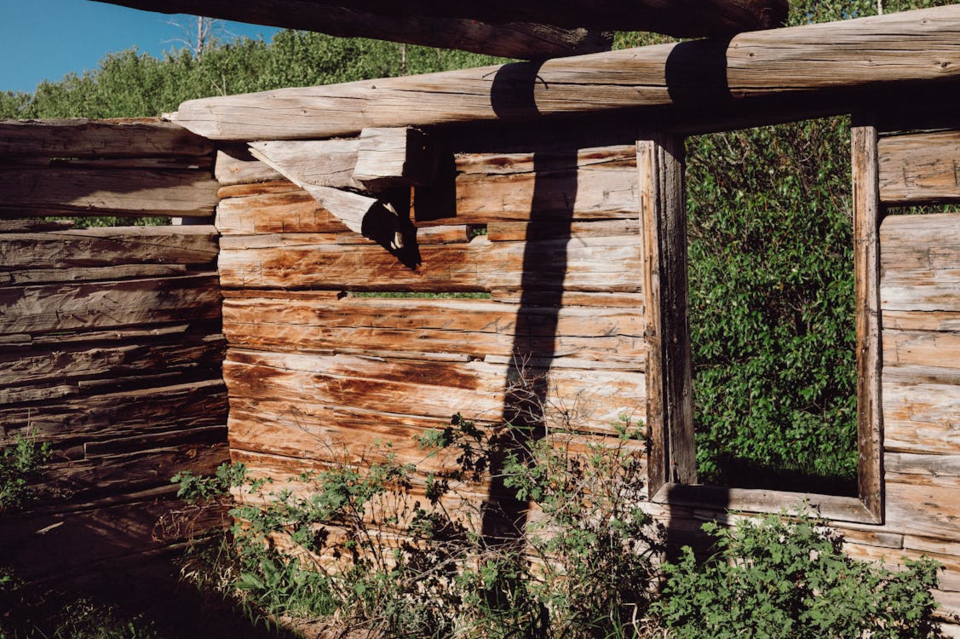
Photo by Alfo Medeiros
Jackson County is a surprisingly rich destination for anyone interested in Colorado’s industrial and frontier history. Teller City sits within a broader landscape of historical sites worth exploring.
A few notable neighbors:
- Coalmont (est. 1911): A hub for regional coal mining and terminus for the Northern Colorado and Eastern Railroad.
- Pearl: Near the Wyoming border, Pearl emerged in the late 1890s as a center for copper mining and community development.
- Rand (est. 1883) and Hebron: A ranching community south of Walden with a quieter but equally authentic historical character.
- Spicer: A designated stop on a local stagecoach line during the late nineteenth century.
Each of these settlements contributes a different thread to the broader story of the Colorado mountains. Teller City is one vivid chapter — but the whole book is worth reading. For those looking to explore further, these hidden gems across Colorado offer even more unexpected corners of the state worth discovering.
Ready to add Teller City to the adventure list? Start by checking seasonal road conditions for Forest Service Road 740 and planning a visit for late summer or early fall, when the mountain weather is most cooperative, and the forest is at its most spectacular. A little preparation goes a long way toward making this one of the most memorable day trips in northern Colorado.