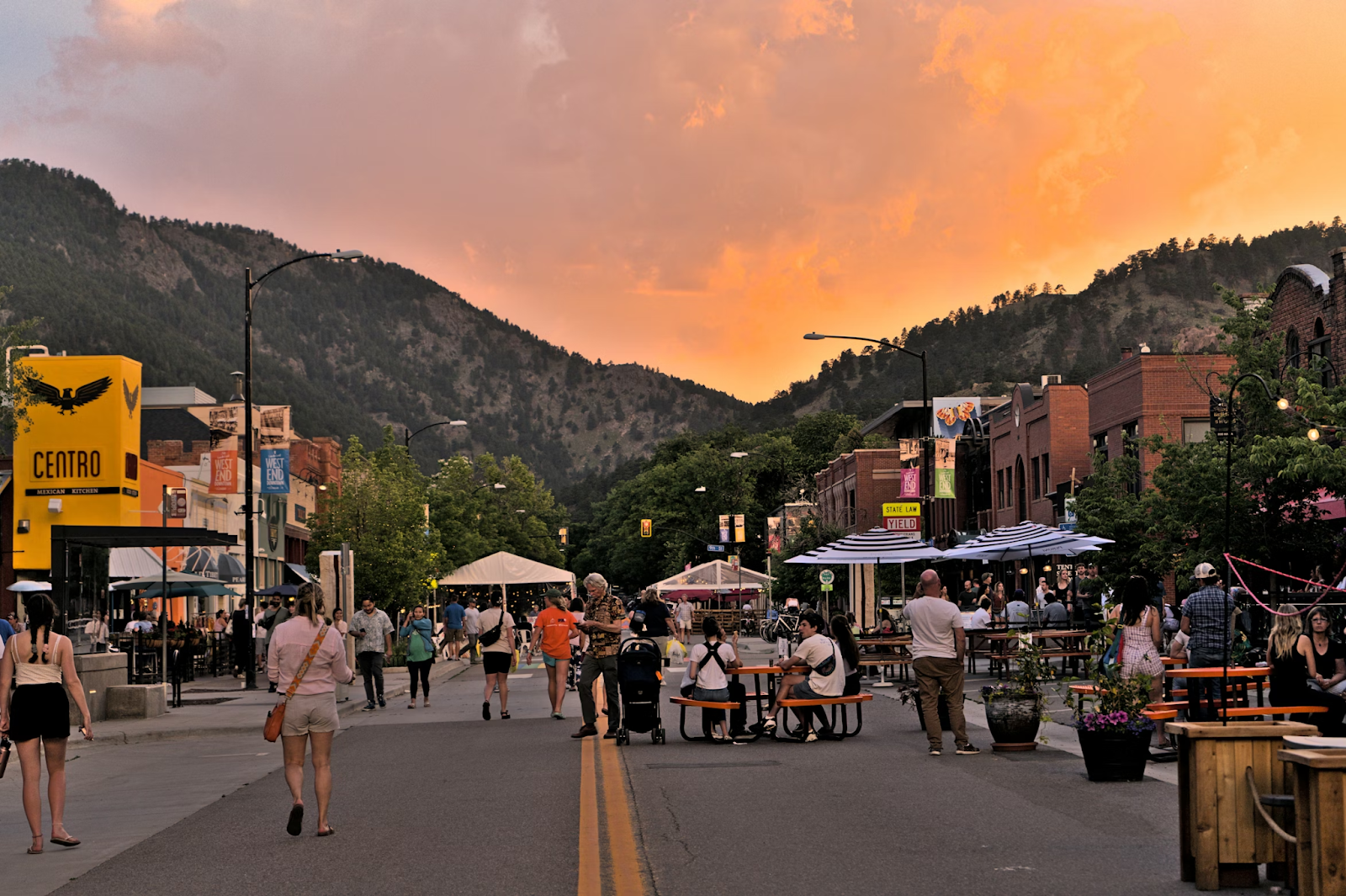
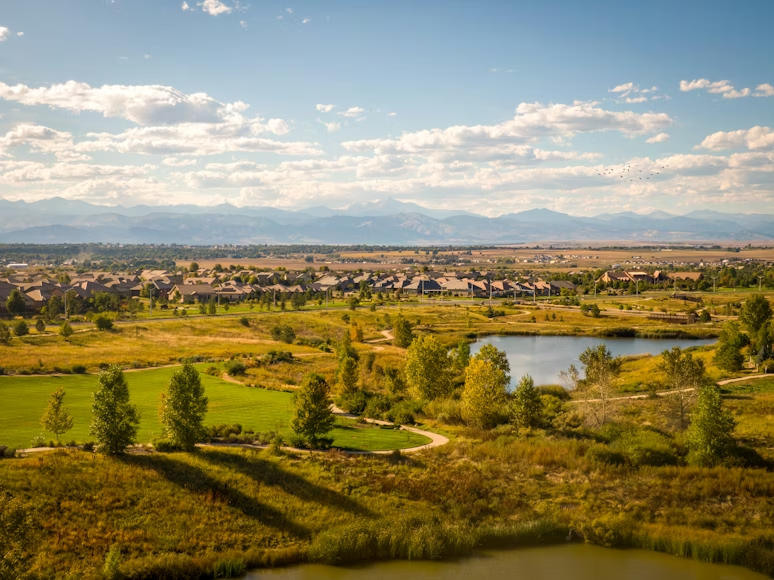
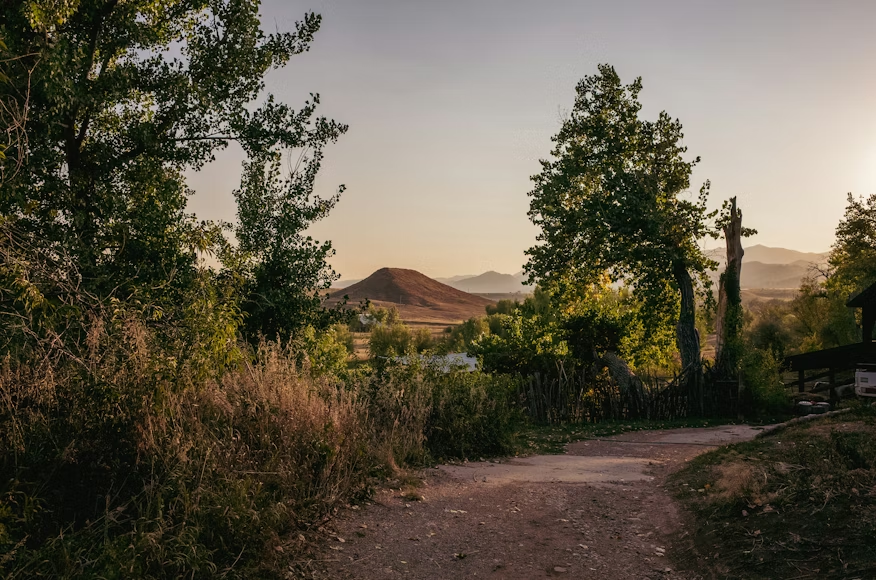
Boulder sits at the base of the Flatirons, drawing students to its university campus, outdoor enthusiasts to its trails, and professionals seeking the Colorado lifestyle.
Boulder sits at the base of the Flatirons, drawing students to its university campus, outdoor enthusiasts to its trails, and professionals seeking the Colorado lifestyle. But beneath the picture-perfect mountain backdrop, a practical question lingers for anyone considering a move here.
How safe is Boulder, really?
The answer matters deeply when choosing where to plant roots. Whether you're eyeing a spot near the university campus or scanning listings in the bustling downtown district, you need real information. Crime statistics tell one story. Local experiences tell another. This guide bridges both, delivering a systematic look at recent crime data paired with recommendations from law enforcement and residents who live here.
Property crime remains the primary concern across Boulder neighborhoods. Violent incidents? Far less frequent than theft and burglary, though specific areas demand more caution than others.
Multiple official sources contribute to this analysis, from the Boulder Police Department Open Data portal to community platforms like Nextdoor. Peace of mind grows from accurate information about your immediate environment, not fear-mongering headlines or wishful thinking.
Understanding local patterns helps shape informed decisions about daily routines, where to live, and how to protect what matters most.
Comparing Crime Rates to Colorado and National Averages
Let's talk numbers, but make them actually useful.
Crime data trends spanning 2019 through 2022 paint a clear picture of Boulder's safety profile within the broader Colorado context. Total crime volume crept upward toward the end of 2022, which sounds ominous until you dig deeper into what that actually means for your daily life.
Here's what happened during the pandemic: certain crime types actually declined during the initial 2020 lockdown period. Fewer people on the streets meant fewer opportunities for theft in some categories. Makes sense, right? But as restrictions lifted, patterns shifted back.
The Boulder Police Department Open Data portal provides the foundation for this analysis. Anyone can access it, which means you can verify these trends yourself instead of taking anyone's word for it. Burglary rates cluster in specific geographic pockets within residential neighborhoods. Knowing where these hotspots exist helps you make smarter choices about where to live and how to protect your home.
What the patterns reveal:
Summer brings more crime → July and August consistently see peak activity
Property crimes dwarf violent crimes → Theft, burglary, and larceny dominate the statistics by a wide margin
Aggravated assault leads violent offenses → Still rare compared to property crimes
Location matters tremendously → Commercial areas and downtown experience higher incident rates than quiet residential zones
Crime clusters predictably → Certain blocks and neighborhoods see repeated incidents while others remain relatively untouched
This data helps residents anticipate risks based on where they live, work, and spend time. That's the whole point.
Understanding Property Crime and Theft Trends in Boulder
Larceny tops the list.
Shoplifting contributes heavily to these specific larceny statistics affecting local businesses. Residents plan summer trips to Coors Field to watch the Colorado Rockies play ball, blissfully unaware that property crimes impact the perceived safety of various residential blocks throughout the community.
The report identifies a significant spike in motor vehicle thefts during the study period. Catalytic converter thefts? Rampant. Residents report a high frequency of these thefts in various parts of the city. These incidents require expensive repairs and cause significant frustration for local car owners navigating daily life.
The bicycle problem deserves special attention. Analysis suggests that bicycle thefts often go underreported despite their high frequency. Secure storage solutions protect investments from sophisticated thieves operating in residential zones throughout the city. Cable locks offer virtually no protection.
Package theft from porches remains a recurring issue. Porch pirates strike in broad daylight and under cover of darkness. Residents strongly advise against leaving any valuables visible inside parked vehicles at any time.
Locking car doors prevents opportunistic searching by individuals prowling at night.
Your first line of defense:
Ditch cable locks for bicycles (they're worthless)
Lock vehicle doors consistently, even in your driveway
Hide all valuables from plain sight
Use secure bike storage whenever possible
Consider porch cameras for package deliveries
Bring packages inside immediately when possible
Photo by Matthew Williams on Unsplash
Violent Crime and Neighborhood Safety Insights
Here's the good news: violent crime remains rare.
Aggravated assault serves as a primary violent crime category tracked in local data. Reports from students confirm that violent crime stays uncommon in the campus vicinity. This data provides a sense of security for those living near the university and surrounding areas.
Property crime poses the main threat to most residents.
The neighborhood known as The Hill tells a different story. Loud parties erupt regularly. Rowdy behavior sometimes spills into the streets, particularly on weekends and during the academic year. Residents suggest that walking in groups at night improves personal safety in this area.
Makes sense.
Perceptions of safety vary dramatically based on the time of day and specific street locations within the city boundaries. The Boulder Creek Path feels perfectly safe during daylight hours. After the sun goes down? Different story entirely.
Homeless encampments near the creek impact safety concerns among many members of the community. Strategic lighting and increased presence of campus police serve as deterrents in certain zones, though challenges persist in areas away from main thoroughfares.
The bottom line: Awareness of surroundings remains the most effective tool for personal protection in any urban environment.
Safety Tips for Students at the University of Colorado Boulder
Students often gather at Ball Arena to watch the Colorado Avalanche play hockey games, showcasing the broader entertainment options in the region. But when you're on campus, security needs to be top of mind.
The University of Colorado Boulder Police Department provides several resources to enhance student safety on and around campus. These programs offer direct value to the campus community by reducing risks in daily life.
Using these services ensures better security for everyone.
Keep laptop computers within sight at all times in public spaces like libraries and study areas. Never prop open exterior doors to residence halls or campus buildings. This common mistake creates security vulnerabilities that anyone can exploit.
The department offers self-defense classes designed specifically for students looking to build confidence. Take advantage of them.
Essential campus safety resources:
CU NightRide → Free city transport service operating during evening hours
Blue Light Phones → Direct dispatch contact throughout campus
U-Locks → Superior bike security compared to cable alternatives
Registration Program → Electronic device registration aids recovery of stolen items
Night Escorts → Safety walking assistance available upon request
Self-Defense Classes → Free training sessions throughout the semester
The resources exist. The question becomes whether students actually use them.
Outdoor Safety and Community Response to Homelessness
Safety concerns near the Boulder Creek Path increase significantly after dark.
Homeless encampments near the water contribute to these perceived safety issues for residents walking or cycling. People compare these outdoor safety challenges to other venues like Dick's Sporting Goods Park where the Colorado Rapids play soccer. The difference? Those venues have controlled environments.
Nextdoor provides a real-time safety map that visualizes recent crime reports across different neighborhoods. Useful tool. Residents use this platform to share video footage of suspicious individuals from security cameras. The platform also features alerts regarding wildlife sightings like mountain lions or bears in residential areas.
These sightings represent unique hazards specific to Boulder's location at the base of the Rocky Mountains.
Community response matters. Neighborhood watch groups managed by local residents facilitate communication and alert sharing. Users frequently post information regarding local phone scams and contractor fraud targeting homeowners. These reports help neighbors protect themselves from financial loss and exploitation.
Community response remains a vital component of the city's overall safety strategy.
Smart outdoor safety practices:
Check safety maps before venturing out (especially at night)
Report suspicious activity promptly to local authorities
Carry emergency noisemakers or whistles when hiking or walking
Walk with companions when possible, particularly after dark
Stay on well-lit paths and avoid isolated areas
Trust your instincts if something feels off
Photo by Simon Goetz on Unsplash
Emergency Services and Law Enforcement in Boulder County
The Boulder County Victim Assistance Program offers 24-hour crisis intervention services to those in need.
This program supports victims of crimes covered by the Colorado Victim Rights Act throughout the county. Victim advocates help individuals navigate the criminal justice system and court proceedings with expertise. These services provide crucial support during difficult times when confusion and trauma often cloud judgment.
Financial help from the Victim Compensation Fund covers qualifying medical or counseling expenses for victims. The VINE system keeps victims informed. It provides notifications regarding an offender's custody status, removing the guesswork and anxiety from the process.
The Boulder Police Department serves as a primary law enforcement partner on Nextdoor, maintaining community connections.
Residents access these resources through multiple channels.
Available victim support services:
Bilingual Advocates → Spanish language support available for non-English speakers
Protection Orders → Filing assistance for those seeking legal protection
Safety Planning → Specialized stalking support and prevention strategies
Child Division → Family-focused services for young victims and their families
24/7 Crisis Line → Immediate support when emergencies strike
Court Accompaniment → Advocates attend proceedings with victims
Final Verdict on Living and Visiting Boulder
Property crimes represent the vast majority of all police reports filed in the city annually. No surprise there.
Residents consistently suggest that Boulder feels safer than other major metropolitan areas they have inhabited previously. The community maintains high well-being despite rising trends in larceny and theft statistics. Residents prioritize proactive safety measures in their daily routines, and it shows.
The safety status of Boulder depends heavily on proactive measures and neighborhood awareness throughout the year. Ten distinct safety resources exist to help maintain a secure lifestyle in Colorado's Front Range.
Using available tools like the VINE system or CU NightRide increases personal security for students and residents alike.
Strategic planning allows everyone to enjoy residential living without constant worry.
Here's the truth: The city remains a secure environment for those who practice basic safety habits and stay informed. Boulder provides a high quality of life when residents stay connected to local trends and community resources. The benefits of living in this dynamic college town outweigh the manageable risks when approached with awareness and common sense.
Lock your doors. Secure your bike. Stay alert.
Ready to explore Boulder further? Dive deeper into what makes this city tick by checking out local neighborhood guides, connecting with community groups on Nextdoor, or attending a Boulder Police Department community meeting. Your experience in Boulder starts with staying informed and engaged with the people around you.
Boulder sits at the base of the Flatirons, drawing students to its university campus, outdoor enthusiasts to its trails, and professionals seeking the Colorado lifestyle. But beneath the picture-perfect mountain backdrop, a practical question lingers for anyone considering a move here.
How safe is Boulder, really?
The answer matters deeply when choosing where to plant roots. Whether you’re eyeing a spot near the university campus or scanning listings in the bustling downtown district, you need real information. Crime statistics tell one story. Local experiences tell another. This guide bridges both, delivering a systematic look at recent crime data paired with recommendations from law enforcement and residents who live here.
Property crime remains the primary concern across Boulder neighborhoods. Violent incidents? Far less frequent than theft and burglary, though specific areas demand more caution than others.
Multiple official sources contribute to this analysis, from the Boulder Police Department Open Data portal to community platforms like Nextdoor. Peace of mind grows from accurate information about your immediate environment, not fear-mongering headlines or wishful thinking.
Understanding local patterns helps shape informed decisions about daily routines, where to live, and how to protect what matters most.
Comparing Crime Rates to Colorado and National Averages
Let’s talk numbers, but make them actually useful.
Crime data trends spanning 2019 through 2022 paint a clear picture of Boulder’s safety profile within the broader Colorado context. Total crime volume crept upward toward the end of 2022, which sounds ominous until you dig deeper into what that actually means for your daily life.
Here’s what happened during the pandemic: certain crime types actually declined during the initial 2020 lockdown period. Fewer people on the streets meant fewer opportunities for theft in some categories. Makes sense, right? But as restrictions lifted, patterns shifted back.
The Boulder Police Department Open Data portal provides the foundation for this analysis. Anyone can access it, which means you can verify these trends yourself instead of taking anyone’s word for it. Burglary rates cluster in specific geographic pockets within residential neighborhoods. Knowing where these hotspots exist helps you make smarter choices about where to live and how to protect your home.
What the patterns reveal:
- Summer brings more crime → July and August consistently see peak activity
- Property crimes dwarf violent crimes → Theft, burglary, and larceny dominate the statistics by a wide margin
- Aggravated assault leads violent offenses → Still rare compared to property crimes
- Location matters tremendously → Commercial areas and downtown experience higher incident rates than quiet residential zones
- Crime clusters predictably → Certain blocks and neighborhoods see repeated incidents while others remain relatively untouched
This data helps residents anticipate risks based on where they live, work, and spend time. That’s the whole point.
Understanding Property Crime and Theft Trends in Boulder
Larceny tops the list.
Shoplifting contributes heavily to these specific larceny statistics affecting local businesses. Residents plan summer trips to Coors Field to watch the Colorado Rockies play ball, blissfully unaware that property crimes impact the perceived safety of various residential blocks throughout the community.
The report identifies a significant spike in motor vehicle thefts during the study period. Catalytic converter thefts? Rampant. Residents report a high frequency of these thefts in various parts of the city. These incidents require expensive repairs and cause significant frustration for local car owners navigating daily life.
The bicycle problem deserves special attention. Analysis suggests that bicycle thefts often go underreported despite their high frequency. Secure storage solutions protect investments from sophisticated thieves operating in residential zones throughout the city. Cable locks offer virtually no protection.
Package theft from porches remains a recurring issue. Porch pirates strike in broad daylight and under cover of darkness. Residents strongly advise against leaving any valuables visible inside parked vehicles at any time.
Locking car doors prevents opportunistic searching by individuals prowling at night.
Your first line of defense:
- Ditch cable locks for bicycles (they’re worthless)
- Lock vehicle doors consistently, even in your driveway
- Hide all valuables from plain sight
- Use secure bike storage whenever possible
- Consider porch cameras for package deliveries
- Bring packages inside immediately when possible
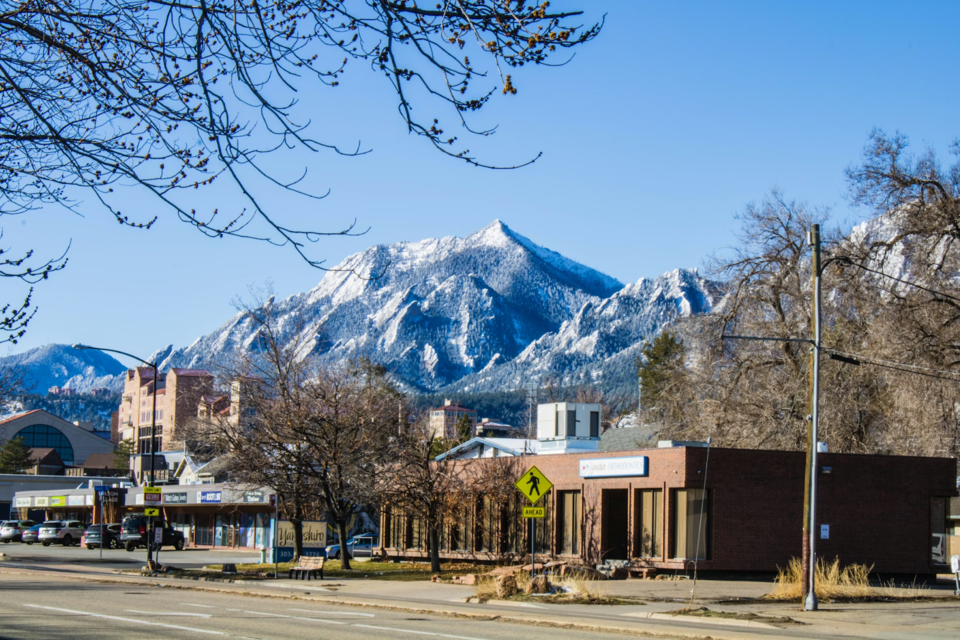
Photo by Matthew Williams on Unsplash
Violent Crime and Neighborhood Safety Insights
Here’s the good news: violent crime remains rare.
Aggravated assault serves as a primary violent crime category tracked in local data. Reports from students confirm that violent crime stays uncommon in the campus vicinity. This data provides a sense of security for those living near the university and surrounding areas.
Property crime poses the main threat to most residents.
The neighborhood known as The Hill tells a different story. Loud parties erupt regularly. Rowdy behavior sometimes spills into the streets, particularly on weekends and during the academic year. Residents suggest that walking in groups at night improves personal safety in this area.
Makes sense.
Perceptions of safety vary dramatically based on the time of day and specific street locations within the city boundaries. The Boulder Creek Path feels perfectly safe during daylight hours. After the sun goes down? Different story entirely.
Homeless encampments near the creek impact safety concerns among many members of the community. Strategic lighting and increased presence of campus police serve as deterrents in certain zones, though challenges persist in areas away from main thoroughfares.
The bottom line: Awareness of surroundings remains the most effective tool for personal protection in any urban environment.
Safety Tips for Students at the University of Colorado Boulder
Students often gather at Ball Arena to watch the Colorado Avalanche play hockey games, showcasing the broader entertainment options in the region. But when you’re on campus, security needs to be top of mind.
The University of Colorado Boulder Police Department provides several resources to enhance student safety on and around campus. These programs offer direct value to the campus community by reducing risks in daily life.
Using these services ensures better security for everyone.
Keep laptop computers within sight at all times in public spaces like libraries and study areas. Never prop open exterior doors to residence halls or campus buildings. This common mistake creates security vulnerabilities that anyone can exploit.
The department offers self-defense classes designed specifically for students looking to build confidence. Take advantage of them.
Essential campus safety resources:
- CU NightRide → Free city transport service operating during evening hours
- Blue Light Phones → Direct dispatch contact throughout campus
- U-Locks → Superior bike security compared to cable alternatives
- Registration Program → Electronic device registration aids recovery of stolen items
- Night Escorts → Safety walking assistance available upon request
- Self-Defense Classes → Free training sessions throughout the semester
The resources exist. The question becomes whether students actually use them.
Outdoor Safety and Community Response to Homelessness
Safety concerns near the Boulder Creek Path increase significantly after dark.
Homeless encampments near the water contribute to these perceived safety issues for residents walking or cycling. People compare these outdoor safety challenges to other venues like Dick’s Sporting Goods Park where the Colorado Rapids play soccer. The difference? Those venues have controlled environments.
Nextdoor provides a real-time safety map that visualizes recent crime reports across different neighborhoods. Useful tool. Residents use this platform to share video footage of suspicious individuals from security cameras. The platform also features alerts regarding wildlife sightings like mountain lions or bears in residential areas.
These sightings represent unique hazards specific to Boulder’s location at the base of the Rocky Mountains.
Community response matters. Neighborhood watch groups managed by local residents facilitate communication and alert sharing. Users frequently post information regarding local phone scams and contractor fraud targeting homeowners. These reports help neighbors protect themselves from financial loss and exploitation.
Community response remains a vital component of the city’s overall safety strategy.
Smart outdoor safety practices:
- Check safety maps before venturing out (especially at night)
- Report suspicious activity promptly to local authorities
- Carry emergency noisemakers or whistles when hiking or walking
- Walk with companions when possible, particularly after dark
- Stay on well-lit paths and avoid isolated areas
- Trust your instincts if something feels off
Photo by Simon Goetz on Unsplash
Emergency Services and Law Enforcement in Boulder County
The Boulder County Victim Assistance Program offers 24-hour crisis intervention services to those in need.
This program supports victims of crimes covered by the Colorado Victim Rights Act throughout the county. Victim advocates help individuals navigate the criminal justice system and court proceedings with expertise. These services provide crucial support during difficult times when confusion and trauma often cloud judgment.
Financial help from the Victim Compensation Fund covers qualifying medical or counseling expenses for victims. The VINE system keeps victims informed. It provides notifications regarding an offender’s custody status, removing the guesswork and anxiety from the process.
The Boulder Police Department serves as a primary law enforcement partner on Nextdoor, maintaining community connections.
Residents access these resources through multiple channels.
Available victim support services:
- Bilingual Advocates → Spanish language support available for non-English speakers
- Protection Orders → Filing assistance for those seeking legal protection
- Safety Planning → Specialized stalking support and prevention strategies
- Child Division → Family-focused services for young victims and their families
- 24/7 Crisis Line → Immediate support when emergencies strike
- Court Accompaniment → Advocates attend proceedings with victims
Final Verdict on Living and Visiting Boulder
Property crimes represent the vast majority of all police reports filed in the city annually. No surprise there.
Residents consistently suggest that Boulder feels safer than other major metropolitan areas they have inhabited previously. The community maintains high well-being despite rising trends in larceny and theft statistics. Residents prioritize proactive safety measures in their daily routines, and it shows.
The safety status of Boulder depends heavily on proactive measures and neighborhood awareness throughout the year. Ten distinct safety resources exist to help maintain a secure lifestyle in Colorado’s Front Range.
Using available tools like the VINE system or CU NightRide increases personal security for students and residents alike.
Strategic planning allows everyone to enjoy residential living without constant worry.
Here’s the truth: The city remains a secure environment for those who practice basic safety habits and stay informed. Boulder provides a high quality of life when residents stay connected to local trends and community resources. The benefits of living in this dynamic college town outweigh the manageable risks when approached with awareness and common sense.
Lock your doors. Secure your bike. Stay alert.
Ready to explore Boulder further? Dive deeper into what makes this city tick by checking out local neighborhood guides, connecting with community groups on Nextdoor, or attending a Boulder Police Department community meeting. Your experience in Boulder starts with staying informed and engaged with the people around you.