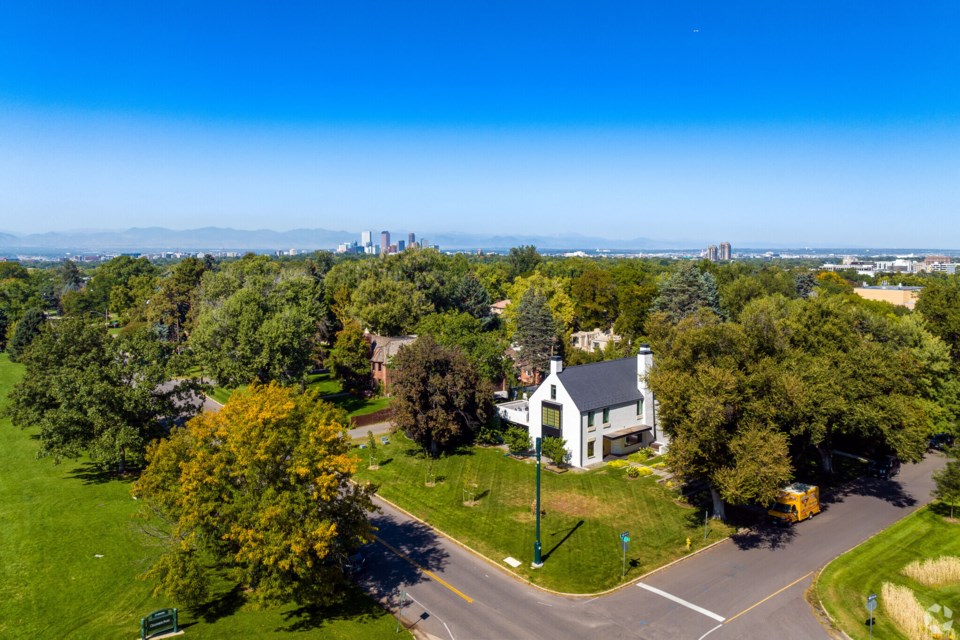
Colorado is known for its stunning landscapes and thriving economy, but it also comes with a higher price tag. While the state offers a high quality of life, the cost of living is more expensive than many other places in the U.S.
Housing, transportation, and everyday expenses can add up quickly, especially in cities like Denver and Boulder. Understanding these costs can help you plan accordingly if you're considering a move to this beautiful state. Costs also shift considerably by region, and smaller Front Range cities like Longmont show just how much a move of only a few miles can change a household budget.
Colorado Cost of Living at a Glance (2026)
Expense Category
Typical Cost
Median home price (statewide)
~$515,000
Average rent (statewide, fair market)
~$1,821/month
Average utilities
~$328/month
Individual food/groceries
~$404/month
Family of four food/groceries
~$1,313/month
Healthcare (per person, annually)
$7,364
Individual health insurance
$369/month
Transportation (single adult)
$5,316/year
Transportation (family of two adults, three kids)
$15,073/year
Flat state income tax
4.40%
Average combined sales tax
~7.79%
Average property tax rate
~0.50%
Income needed to live comfortably
$67,000+/year
This table reflects statewide 2026 averages pulled from current sources (Tax Foundation, RentalRealEstate, and Salary.com). Individual cities can run well above or below these figures, as the breakdowns below show.
Housing and Utility Costs in Colorado
Housing and utility costs play a significant role in Colorado’s overall cost of living. While utilities tend to be lower than the national average, housing expenses can be considerably higher depending on the city. Below is an overview of what to expect in terms of home prices, rent, and utility bills across the state.
Home Prices and Rent
Housing costs in Colorado are generally higher than in neighboring states like New Mexico, with prices varying significantly by location. In Durango, homes typically range from $200,000 to $800,000, while in Boulder, prices can range from $500,000 to $6 million. These variations highlight how housing costs differ across the state, and comparing a handful of major Colorado cities side by side makes the gap even clearer.
Renting in Colorado is also costly, with the average fair market rent running around $1,821 per month statewide as of 2026. Prices can fluctuate depending on the city or neighborhood, making it essential to plan carefully when choosing where to live in Colorado.
Utility Bills
Utility costs in Colorado tend to be lower than the national average, with residents paying about $328 per month as of 2026 for services like water, electricity, gas, and internet. This is roughly 9% lower than the national average, helping to offset higher housing expenses.
However, the state's cold climate, particularly in Denver, can result in higher heating costs, as the city experiences about 157 days below freezing. Despite these seasonal costs, residents still enjoy relatively affordable internet prices, averaging $70 per month.
Everyday Living Costs
Everyday living costs in Colorado cover a range of essential expenses, from transportation to food, healthcare, and childcare. These costs can vary significantly by city, making it important to consider each factor when budgeting for life in the state.
Transportation
Transportation is a key expense in Colorado, with costs ranging from $5,316 annually for a single adult to $15,073 for a family of two working adults with three children. Colorado residents typically spend 11% more on transportation than the national average, and this varies by city.
Denver residents tend to spend more on transportation than those living in other areas like Pueblo, where costs align more closely with the national average. For those without cars, public transportation is an option, with monthly passes costing $88 in Denver and $30 in Durango. Still, owning a vehicle is essential for many living outside downtown areas.
Food and Groceries
Food and grocery costs are another significant part of living expenses in Colorado. As of 2026, individuals spend around $404 per month on food, while a family of four spends around $1,313 monthly.
However, grocery prices can differ across cities. For example, Westminster offers groceries that are 11% cheaper than the state average, while Grand Junction's prices are 11% higher. Your city choice can significantly impact grocery expenses.
Healthcare
Healthcare costs in Colorado average $7,364 per person annually, which is an important factor when considering living here. Health insurance premiums have risen by 10.4% in 2023, but residents on the state's health marketplace may experience some relief through federal programs like the American Rescue Plan Act and the Inflation Reduction Act.
The average monthly cost for individual health insurance in Colorado is $369. However, healthcare expenses can vary depending on coverage and individual needs. Many employers in Colorado also offer strong health benefits, which can help make healthcare more affordable.
Childcare (If You Have Kids)
Childcare can be a significant expense for families in Colorado. On average, full-time daycare for a toddler in Denver costs around $1,600 per month, and for infants, it can rise to nearly $2,900. Preschooler daycare averages about $1,435 per month.
This expense often influences families' housing decisions, as affordability and access to nearby family support become crucial factors. Additionally, the availability of quality childcare can play a key role in choosing where to live in Colorado, making it an important consideration for families.
Why Is Colorado So Expensive?
Colorado's rising cost of living comes down to a handful of overlapping pressures rather than any single cause. The state has climbed the national rankings quickly, moving from the 34th-highest cost of living in 2022 to among the top five most expensive states by 2025 and 2026, according to the Colorado Chamber of Commerce's annual scorecard.
Housing supply is the biggest driver. Colorado's mountainous terrain, limited water resources, and strict zoning laws in many suburban areas restrict how much new housing can be built, even as demand keeps climbing. The Denver metro area alone has faced an estimated shortfall of tens of thousands of housing units, and new construction has struggled to close that gap.
Demand adds pressure from the other direction. Colorado's scenery, year-round recreation, and strong job market continue to draw new residents from out of state, including remote workers who bring larger salaries from higher-cost regions and can outbid local buyers. Tourism plays a role too: many of the same qualities that make the state appealing to visitors, such as mountain access and a robust outdoor economy, also raise demand (and prices) for the people who live there year-round.
Higher mortgage rates compound the issue for anyone financing a home purchase, while resort towns in particular see a mismatch between service-industry wages and the cost of housing nearby. Together, these factors explain why household budgets in Colorado feel tighter even in categories like utilities and groceries, where the state is closer to (or below) the national average.
Cost of Living in Longmont
Longmont sits northeast of Boulder, roughly 45 minutes from Denver and about 30 minutes from Rocky Mountain National Park, making it a common landing spot for people who want Front Range access without Boulder's price tag. Moreover, Boulder edges out Longmont on most safety metrics, but at roughly double the cost of living, a tradeoff many families make deliberately when choosing Longmont instead.
Housing is Longmont's biggest expense, as it is across most of the Front Range. As of May 2026, the median home sale price sits at roughly $555,000, down slightly year over year, with other 2026 estimates ranging up to about $603,000 depending on the source and time of year. Rent runs close to $1,799 per month as of May 2026, with most sources placing the range between roughly $1,755 and $1,861. Median household income sits in the high $80,000s to low $90,000s, above both the state and national medians, which helps offset some of the housing premium.
Day-to-day costs tend to run closer to the state average than Boulder or Denver do. Grocery and utility prices in Longmont trend slightly below the national average, and the average commute runs under 22 minutes, shorter than in many comparable Front Range cities.
Other Factors That Affect the Cost of Living
Apart from housing, utilities, and basic expenses, several other factors also influence the overall cost of living in Colorado. Taxes, income, and job opportunities play important roles in shaping how much individuals need to live comfortably in different cities across the state.
Taxes
Taxes are a significant factor to consider in the cost of living. As of 2026, Colorado has a flat income tax rate of 4.40%, meaning everyone pays the same percentage regardless of their income level. The base sales tax is 2.9%, but when local taxes are added, the average sales tax rate increases to about 7.79%, which can vary depending on where you live.
For homeowners, property taxes average around 0.50% as of 2026, which is relatively low compared to other states. However, it's important to factor this cost into your annual budget, as it contributes to the overall cost of living.
Income and Jobs
Colorado offers strong job opportunities, especially in industries such as tech, energy, and healthcare. With a low unemployment rate, the job market is healthy and continuously growing, making it easier for residents to find work.
To live comfortably in some of Colorado's cities, you may need to earn at least $67,000 annually. While salaries can vary by field and location, the overall job market in the state remains favorable for those seeking career growth.
City-to-City Differences
Living costs in Colorado can vary significantly between cities. For example, Denver and Boulder are more expensive than cities like Colorado Springs and Pueblo, the latter of which is the most affordable among the state's larger cities. If you move from Boulder to Denver, you would need to earn approximately $52,535 in Denver to maintain the same standard of living, as employers in Denver tend to pay 0.9% less. Cost isn't the only variable worth weighing between cities, either. Anyone comparing options may also want to check how a city ranks on the safest cities in Colorado list or, conversely, the most dangerous cities in Colorado guide, since affordability and safety don't always move together.
Northern Colorado cities, such as Fort Collins, offer a combination of small-town charm and urban amenities, particularly with access to outdoor attractions like Rocky Mountain National Park. These areas provide a balanced lifestyle with relatively lower costs of living compared to more expensive cities like Boulder and Denver, a pattern echoed by nearby Colorado Springs, which also offers a lower cost of living than Denver alongside its own outdoor access.
Conclusion: Is Colorado Expensive to Live?
In conclusion, Colorado's cost of living is higher than many other states, but it varies significantly depending on the city and lifestyle choices. While housing and transportation costs can be steep, cities like Pueblo, Fort Collins, and Longmont offer more affordable options. Ultimately, understanding the factors that contribute to the cost of living, such as housing, food, and taxes, can help you plan accordingly if you’re considering moving to or living in Colorado.
Colorado is known for its stunning landscapes and thriving economy, but it also comes with a higher price tag. While the state offers a high quality of life, the cost of living is more expensive than many other places in the U.S.
Housing, transportation, and everyday expenses can add up quickly, especially in cities like Denver and Boulder. Understanding these costs can help you plan accordingly if you’re considering a move to this beautiful state. Costs also shift considerably by region, and smaller Front Range cities like Longmont show just how much a move of only a few miles can change a household budget.
This table reflects statewide 2026 averages pulled from current sources (Tax Foundation, RentalRealEstate, and Salary.com). Individual cities can run well above or below these figures, as the breakdowns below show.
Housing and Utility Costs in Colorado
Housing and utility costs play a significant role in Colorado’s overall cost of living. While utilities tend to be lower than the national average, housing expenses can be considerably higher depending on the city. Below is an overview of what to expect in terms of home prices, rent, and utility bills across the state.
Home Prices and Rent
Housing costs in Colorado are generally higher than in neighboring states like New Mexico, with prices varying significantly by location. In Durango, homes typically range from $200,000 to $800,000, while in Boulder, prices can range from $500,000 to $6 million. These variations highlight how housing costs differ across the state, and comparing a handful of major Colorado cities side by side makes the gap even clearer.
Renting in Colorado is also costly, with the average fair market rent running around $1,821 per month statewide as of 2026. Prices can fluctuate depending on the city or neighborhood, making it essential to plan carefully when choosing where to live in Colorado.
Utility Bills
Utility costs in Colorado tend to be lower than the national average, with residents paying about $328 per month as of 2026 for services like water, electricity, gas, and internet. This is roughly 9% lower than the national average, helping to offset higher housing expenses.
However, the state’s cold climate, particularly in Denver, can result in higher heating costs, as the city experiences about 157 days below freezing. Despite these seasonal costs, residents still enjoy relatively affordable internet prices, averaging $70 per month.
Everyday Living Costs
Everyday living costs in Colorado cover a range of essential expenses, from transportation to food, healthcare, and childcare. These costs can vary significantly by city, making it important to consider each factor when budgeting for life in the state.
Transportation
Transportation is a key expense in Colorado, with costs ranging from $5,316 annually for a single adult to $15,073 for a family of two working adults with three children. Colorado residents typically spend 11% more on transportation than the national average, and this varies by city.
Denver residents tend to spend more on transportation than those living in other areas like Pueblo, where costs align more closely with the national average. For those without cars, public transportation is an option, with monthly passes costing $88 in Denver and $30 in Durango. Still, owning a vehicle is essential for many living outside downtown areas.
However, grocery prices can differ across cities. For example, Westminster offers groceries that are 11% cheaper than the state average, while Grand Junction’s prices are 11% higher. Your city choice can significantly impact grocery expenses.
Healthcare
Healthcare costs in Colorado average $7,364 per person annually, which is an important factor when considering living here. Health insurance premiums have risen by 10.4% in 2023, but residents on the state’s health marketplace may experience some relief through federal programs like the American Rescue Plan Act and the Inflation Reduction Act.
The average monthly cost for individual health insurance in Colorado is $369. However, healthcare expenses can vary depending on coverage and individual needs. Many employers in Colorado also offer strong health benefits, which can help make healthcare more affordable.
Childcare (If You Have Kids)
Childcare can be a significant expense for families in Colorado. On average, full-time daycare for a toddler in Denver costs around $1,600 per month, and for infants, it can rise to nearly $2,900. Preschooler daycare averages about $1,435 per month.
This expense often influences families’ housing decisions, as affordability and access to nearby family support become crucial factors. Additionally, the availability of quality childcare can play a key role in choosing where to live in Colorado, making it an important consideration for families.
Why Is Colorado So Expensive?
Colorado’s rising cost of living comes down to a handful of overlapping pressures rather than any single cause. The state has climbed the national rankings quickly, moving from the 34th-highest cost of living in 2022 to among the top five most expensive states by 2025 and 2026, according to the Colorado Chamber of Commerce’s annual scorecard.
Housing supply is the biggest driver. Colorado’s mountainous terrain, limited water resources, and strict zoning laws in many suburban areas restrict how much new housing can be built, even as demand keeps climbing. The Denver metro area alone has faced an estimated shortfall of tens of thousands of housing units, and new construction has struggled to close that gap.
Demand adds pressure from the other direction. Colorado’s scenery, year-round recreation, and strong job market continue to draw new residents from out of state, including remote workers who bring larger salaries from higher-cost regions and can outbid local buyers. Tourism plays a role too: many of the same qualities that make the state appealing to visitors, such as mountain access and a robust outdoor economy, also raise demand (and prices) for the people who live there year-round.
Higher mortgage rates compound the issue for anyone financing a home purchase, while resort towns in particular see a mismatch between service-industry wages and the cost of housing nearby. Together, these factors explain why household budgets in Colorado feel tighter even in categories like utilities and groceries, where the state is closer to (or below) the national average.
Cost of Living in Longmont
Longmont sits northeast of Boulder, roughly 45 minutes from Denver and about 30 minutes from Rocky Mountain National Park, making it a common landing spot for people who want Front Range access without Boulder’s price tag. Moreover, Boulder edges out Longmont on most safety metrics, but at roughly double the cost of living, a tradeoff many families make deliberately when choosing Longmont instead.
Housing is Longmont’s biggest expense, as it is across most of the Front Range. As of May 2026, the median home sale price sits at roughly $555,000, down slightly year over year, with other 2026 estimates ranging up to about $603,000 depending on the source and time of year. Rent runs close to $1,799 per month as of May 2026, with most sources placing the range between roughly $1,755 and $1,861. Median household income sits in the high $80,000s to low $90,000s, above both the state and national medians, which helps offset some of the housing premium.
Day-to-day costs tend to run closer to the state average than Boulder or Denver do. Grocery and utility prices in Longmont trend slightly below the national average, and the average commute runs under 22 minutes, shorter than in many comparable Front Range cities.
Other Factors That Affect the Cost of Living
Apart from housing, utilities, and basic expenses, several other factors also influence the overall cost of living in Colorado. Taxes, income, and job opportunities play important roles in shaping how much individuals need to live comfortably in different cities across the state.
Taxes
Taxes are a significant factor to consider in the cost of living. As of 2026, Colorado has a flat income tax rate of 4.40%, meaning everyone pays the same percentage regardless of their income level. The base sales tax is 2.9%, but when local taxes are added, the average sales tax rate increases to about 7.79%, which can vary depending on where you live.
For homeowners, property taxes average around 0.50% as of 2026, which is relatively low compared to other states. However, it’s important to factor this cost into your annual budget, as it contributes to the overall cost of living.
Income and Jobs
Colorado offers strong job opportunities, especially in industries such as tech, energy, and healthcare. With a low unemployment rate, the job market is healthy and continuously growing, making it easier for residents to find work.
To live comfortably in some of Colorado’s cities, you may need to earn at least $67,000 annually. While salaries can vary by field and location, the overall job market in the state remains favorable for those seeking career growth.
City-to-City Differences
Living costs in Colorado can vary significantly between cities. For example, Denver and Boulder are more expensive than cities like Colorado Springs and Pueblo, the latter of which is the most affordable among the state’s larger cities. If you move from Boulder to Denver, you would need to earn approximately $52,535 in Denver to maintain the same standard of living, as employers in Denver tend to pay 0.9% less. Cost isn’t the only variable worth weighing between cities, either. Anyone comparing options may also want to check how a city ranks on the safest cities in Colorado list or, conversely, the most dangerous cities in Colorado guide, since affordability and safety don’t always move together.
Northern Colorado cities, such as Fort Collins, offer a combination of small-town charm and urban amenities, particularly with access to outdoor attractions like Rocky Mountain National Park. These areas provide a balanced lifestyle with relatively lower costs of living compared to more expensive cities like Boulder and Denver, a pattern echoed by nearby Colorado Springs, which also offers a lower cost of living than Denver alongside its own outdoor access.
Conclusion: Is Colorado Expensive to Live?
In conclusion, Colorado’s cost of living is higher than many other states, but it varies significantly depending on the city and lifestyle choices. While housing and transportation costs can be steep, cities like Pueblo, Fort Collins, and Longmont offer more affordable options. Ultimately, understanding the factors that contribute to the cost of living, such as housing, food, and taxes, can help you plan accordingly if you’re considering moving to or living in Colorado.
About the Author:
Andrea Ano
Hi, I'm Andrea, a writer passionate about sharing Colorado’s stories. From breaking news to local highlights, I bring the heart of Colorado to the forefront....