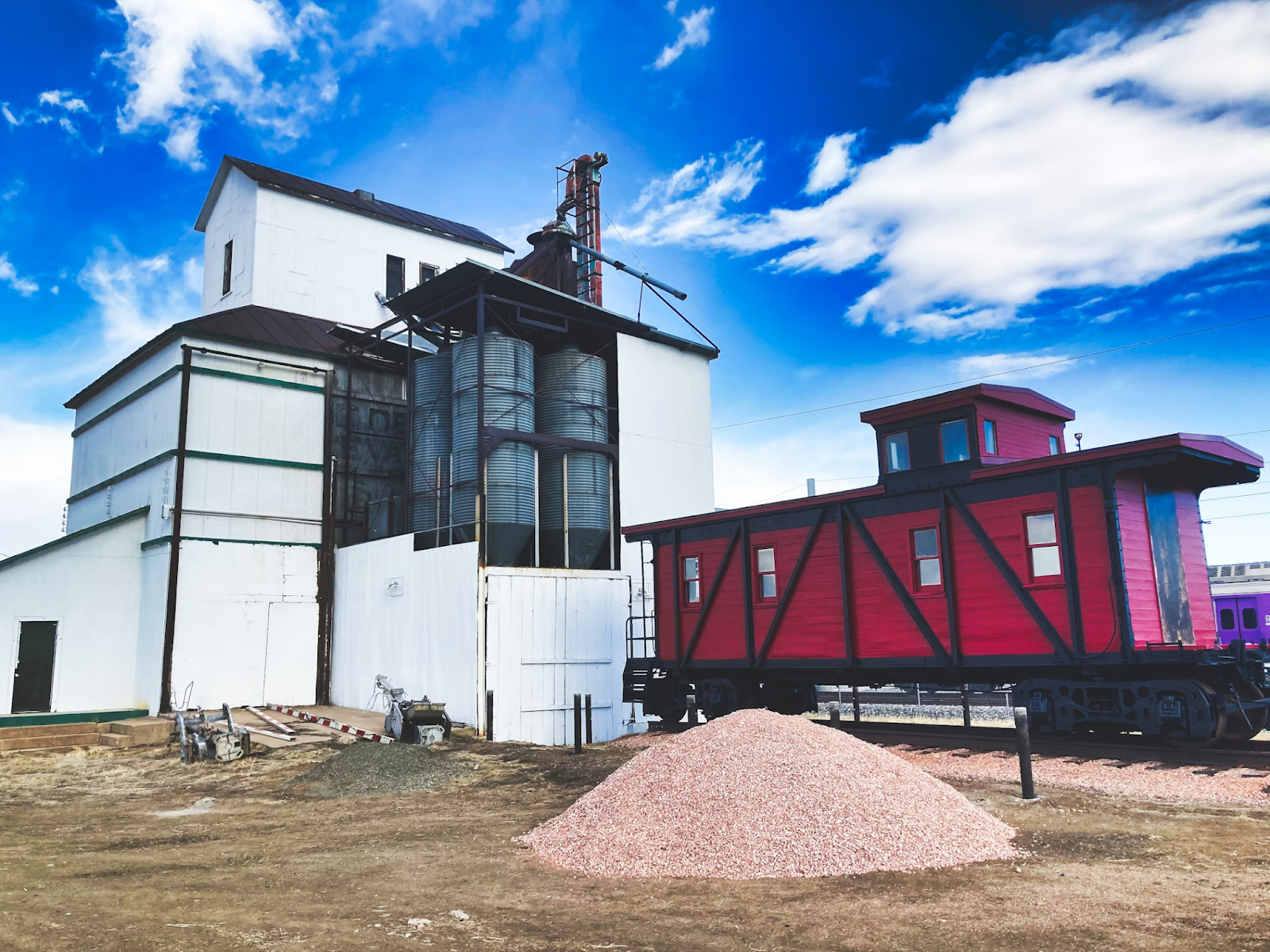
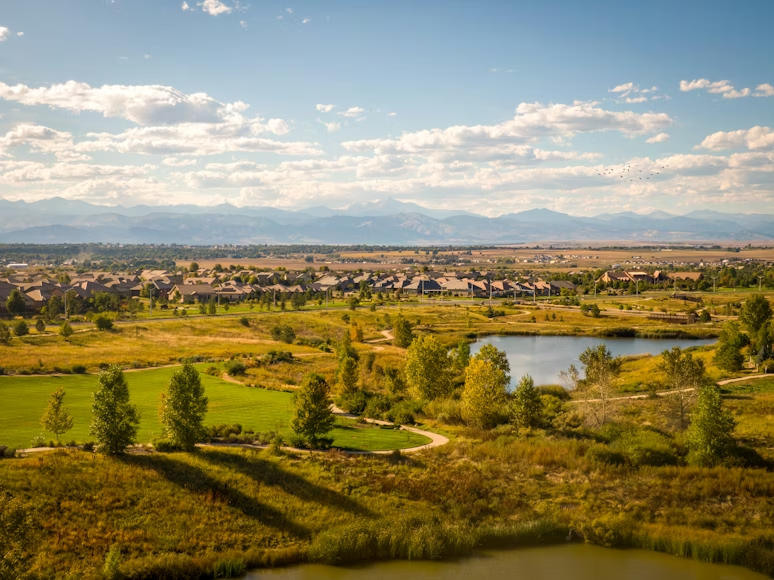
Thornton has carved out its own identity in the northern Denver metropolitan area, offering something that many urban dwellers crave but rarely find: breathing room.
Thornton has carved out its own identity in the northern Denver metropolitan area, offering something that many urban dwellers crave but rarely find: breathing room.
As Colorado's sixth-largest municipality, this city of over 140,000 residents sits at a sweet spot exactly 10 miles north of downtown Denver. Close enough to enjoy the capital's opportunities, far enough to escape its intensity.
The city stretches between two of Colorado's most prominent hubs—Denver to the south and Fort Collins to the north. Residents describe Thornton as a quiet, family-oriented bedroom community where suburban sprawl meets mountain views.
Getting to Denver:
RTD N-Line light rail: 25 minutes to Union Station
Driving: 20-30 minutes (traffic dependent)
I-25 corridor: Primary north-south route
Strategic Geography: Between the Mountains and the Metro
Thornton's geographic positioning offers distinct advantages.
The city rests within easy reach of the Rocky Mountains, providing residents with panoramic views that never get old. Northern neighborhoods showcase the best of this proximity, with newer developments designed to capitalize on those mountain vistas.
The I-25 corridor serves as the primary artery for north-south movement throughout the region. Rush hour traffic? A consistent challenge. But the location means residents can reach multiple employment centers across the Front Range—Denver, Aurora, Boulder, and even Fort Collins all fall within reasonable commuting distance.
Neighborhood Character:
North Thornton: Modern construction, newer infrastructure, contemporary amenities
South Thornton: Mature trees, established homes, more affordable entry points, character over newness
The city's role as a major commercial hub for the northern Denver area continues to expand. Population growth consistently outpaces national averages, driven by families seeking stability, affordability, and accessibility to both urban opportunities and outdoor recreation.
Analyzing Real Estate: Median Home Value, Cost of Living, and Market Trends
The numbers tell part of the story.
Key Market Metrics as per U.S. News:
Median home value: $525,295
Median household income: $104,498
The Thornton real estate market reflects broader demand for suburban stability near Denver. Pricing positions the city as more affordable than Denver or Boulder while still offering proximity to both. A solid middle-class demographic with genuine purchasing power calls this place home.
The overall cost of living remains lower than rates in neighboring Boulder or central Denver. Housing inventory varies dramatically by neighborhood—from mid-century ranch-style homes with vintage appeal to sprawling new constructions equipped with every modern convenience.
Contemporary apartment complexes in North Thornton feature amenities like fitness centers, pools, and community gathering spaces that appeal to renters seeking a lifestyle-oriented experience.
Price Breakdown by Area:
Northern neighborhoods command higher prices due to their modern infrastructure, proximity to shopping centers, and newer construction. Buyers willing to invest here gain access to the latest in home design and community planning.
Southern neighborhoods provide more affordable alternatives. The added benefits? Mature landscaping and established community character.
Property values follow the upward trajectory seen across the Front Range. Colorado's desirability shows no signs of waning, and Thornton benefits from this ongoing demand. That 3.4% unemployment rate signals economic health, further supporting real estate stability.
Education, Employment, and Economic Drivers
The Adams 12 Five Star Schools district handles primary public education for Thornton residents, serving students across four municipal wards. For families prioritizing education, the district's reputation for solid academic standards remains a key consideration when choosing neighborhoods.
Community Resources:
Library services through Anythink Libraries system
Thornton Arts & Culture Center for creative exhibits and cultural events
Programming and resources for all ages
The job market maintains healthy metrics. That 3.4% unemployment rate reflects opportunities across multiple sectors.
Major Employers:
Amazon (logistics operations)
Avaya (telecommunications)
Adams 12 Five Star Schools (education services)
City of Thornton (civic administration)
The average annual salary for the region stands at $69,140. This reflects a mix of skilled trades, professional services, and entry-level positions. While many Thornton residents commute to Denver for specialized work in healthcare, finance, and technology, the city's growing commercial sector increasingly provides local employment options.
Professional opportunities continue expanding as Thornton solidifies its role as a northern commercial center. The city attracts businesses seeking lower operating costs than Denver while maintaining easy access to the metro area's talent pool.
Outdoor Amenities: Parks, Trails, and Recreation
The numbers speak for themselves.
Parks and Recreation by the Numbers:
2,500 acres of parkland and open spaces
140 miles of connecting trails
80+ individual parks
300 days of sunshine annually
These aren't just statistics. They represent daily quality of life.
The pathways facilitate not just recreation but practical non-motorized transportation between home, work, and shopping. Parks range from small pocket parks to expansive green spaces designed for sports, gatherings, and outdoor activities.
Premier Recreation Facilities:
Margaret W. Carpenter Recreation Center
The landmark amenity features a wave pool, historic carousel, and comprehensive programming for all ages. It's the kind of place where generations overlap—kids splash in the pools while grandparents participate in fitness classes tailored to seniors.
Trail Winds Park and Open Space
Specialized facilities expand recreational options:
Dog park (community gathering spot for pet owners)
Skate park (draws youth from across the city)
Open spaces for pickup games, picnics, and outdoor activities
Sports Venues:
Dick's Sporting Goods Park (home of Colorado Rapids)
Thorncreek Golf Course
Todd Creek Golf Club
Trail systems serve multiple functions beyond recreation. They enable families to bike to school, professionals to walk to work when feasible, and residents to access shopping centers without starting the car. This connectivity enhances the suburban lifestyle by reducing dependence on vehicles for short trips.
Open spaces protect portions of the semi-arid landscape from complete urban encroachment. These preserved areas support local wildlife, provide natural stormwater management, and maintain sight lines to the mountains that define Colorado's identity.
Photo by Jessica Fadel on Unsplash
Shopping and Dining: Orchard Town Center and Beyond
Thornton contains over 25 major shopping centers within city limits.
Translation? Residents rarely travel far for necessities or entertainment.
Major Shopping Destinations:
Orchard Town Center
The flagship destination. An open-air retail and lifestyle complex where shopping blends with dining and seasonal events. More than a mall—a social hub where families gather for outdoor movies during summer, holiday festivities in winter, and regular events that create community connection.
Denver Premium Outlets
Designer brands and retail shops that attract bargain hunters from surrounding cities. The outlets serve a regional audience, making Thornton a shopping destination rather than just a place to live.
Everyday Essentials:
Costco
Target
Safeway
Specialized international markets for diverse culinary ingredients
The retail landscape prioritizes large-scale commercial centers over boutique storefronts, reflecting the car-oriented nature of the city's development.
Local Flavor:
The craft beer scene includes favorites like Mother Tucker Brewery, where residents gather for pints and conversation. Grocery shopping extends beyond standard chains—specialized markets provide ingredients for diverse culinary traditions, reflecting the city's growing demographic diversity.
Sports Venue Access (All Within 30 Minutes):
Coors Field (Colorado Rockies baseball)
Ball Arena (Denver Nuggets basketball, Colorado Avalanche hockey)
Empower Field at Mile High (Denver Broncos football)
Car ownership remains essential for accessing Thornton's spread-out commercial centers. The city's layout favors driving over walking, with shopping districts separated by residential areas and major roadways. This design pattern reflects suburban planning priorities that prioritize convenience for drivers.
Retail density remains among the highest in the northern Denver metro area. Whether searching for specialty items or handling routine shopping, Thornton residents find options close to home.
Community Culture: Family-Friendly Events and Entertainment
The annual Thornton Harvest Fest serves as the city's signature community event. This celebration brings residents together for activities, vendors, and seasonal festivities that reinforce neighborhood connections.
Events like these matter in suburban communities where people might otherwise interact primarily with immediate neighbors.
Civic Engagement:
The "Thornton 360" program facilitates citizen engagement with city government, creating channels for residents to voice concerns, participate in planning decisions, and stay informed about municipal developments.
Thornton's demographic skews heavily toward families seeking safe, stable environments for raising children. Safety ratings remain high, particularly in newer northern developments where community planning emphasizes secure environments.
Family Entertainment Options:
Topgolf: Upscale driving range entertainment with food and drinks
Boondocks Food & Fun: Arcade games, go-karts, attractions for children and teenagers
Water World: One of the nation's largest water parks (nearby)
Thornton Arts & Culture Center: Exhibits, performances, classes for creative expression
The city is divided into four wards to ensure localized representation in government. This structure aims to give residents in different areas voices in municipal decisions that affect their specific neighborhoods. Neighborhood associations take these responsibilities seriously, prioritizing maintenance, safety, and quality of life issues.
Community Spaces:
Public libraries serve multiple functions beyond book lending. They operate as quiet spaces for remote workers, study halls for students, and community gathering spots for events and programs. In an increasingly digital world, these physical spaces maintain importance as neutral ground where diverse residents can access resources and services.
The community atmosphere emphasizes quiet suburban living.
Those seeking vibrant nightlife or constant urban energy need to look elsewhere. Thornton offers predictability, stability, and the kind of environment where neighbors wave when they see each other and children play outside without constant supervision.
Practical Considerations: Traffic, Climate, and Urban Planning
Photo by Musa Haef on Unsplash
I-25 traffic generates regular frustration among commuters.
Rush hour congestion remains consistent and heavy, testing the patience of anyone traveling to Denver during peak times. The corridor serves as the primary north-south route through the region, meaning alternatives are limited.
Transportation Reality:
Car ownership isn't just convenient in Thornton. It's essential.
The city's significant geographic spread makes walking or biking impractical for most errands and activities. Public transit exists via the N-Line, but it serves only a limited portion of the city's geography. Most residents depend on personal vehicles for daily transportation.
What Thornton Lacks:
Traditional historic main street
Centralized downtown core
Walkable urban district
The city grew as a suburban bedroom community, with commercial centers scattered throughout rather than concentrated in one area. This pattern reflects post-World War II suburban development models that prioritized automobile access.
Climate and Air Quality:
The local climate is officially classified as semi-arid. This means:
Moderate precipitation
Low humidity
Significant temperature swings between day and night
Occasional wildfire smoke during summer and fall
Winter cold with occasional snow
Hot summers with afternoon thunderstorms
Air quality varies depending on weather patterns and the time of year. Proximity to the Rocky Mountains means temperature inversions can trap pollutants, particularly during winter months. Wildfire smoke from regional fires has become an increasing concern, occasionally creating unhealthy air quality days.
Nightlife and entertainment options remain limited compared to Denver. Those seeking late-night activities, diverse bar scenes, or concert venues typically head south to the capital. Thornton serves a different purpose—it's where people come home to relax, not where they go to party.
The city jurisdiction spans both Adams and Weld counties. A quirk of Colorado's municipal boundaries that occasionally complicates administrative matters but rarely affects daily life for residents.
Regional Connections: Sports, Wildlife, and Mountain Access
Denver sports venues sit roughly 30 minutes away, making home games accessible for season ticket holders and casual attendees alike.
Professional Sports Access:
Empower Field at Mile High (Denver Broncos)
Ball Arena (Denver Nuggets, Colorado Avalanche)
Coors Field (Colorado Rockies)
Residents enjoy direct access to the Rocky Mountain Arsenal National Wildlife Refuge—a unique conservation area within the metro region. This former military site has been transformed into a protected habitat for bison, deer, coyotes, and numerous bird species. The refuge provides hiking trails and wildlife viewing opportunities just minutes from suburban neighborhoods.
Mountain Recreation:
Mountain access defines Colorado living. Thornton's position facilitates weekend escapes to ski resorts, hiking trails, and mountain towns.
Multiple ski areas within two hours
Day trips feasible for powder enthusiasts
Summer hiking seasons with countless trailhead options
The city provides substantial open space relative to its population density. This commitment to preserving green space distinguishes Thornton from many suburban communities that sacrifice every available acre to development. Parks and trails maintain connection to the natural landscape that drew people to Colorado in the first place.
The Thornton Lifestyle: Who Thrives Here
Thornton suits individuals and families who value stability over constant stimulation.
Who Thrives in Thornton:
Families with Children
Safe neighborhoods, good schools, and abundant parks create an environment where parents feel comfortable raising kids. The family-oriented culture means community events, youth sports leagues, and school activities form the social foundation.
Commuters Seeking Value
Those willing to accept I-25 traffic as part of life gain significant housing value compared to Denver proper. The trade off involves time spent in the car against money saved on housing costs. For many, this calculation favors Thornton, particularly when factors like yard space and newer homes enter the equation.
Remote Professionals
A home office in a quiet neighborhood, coupled with extensive trails for midday breaks and ample sunshine for mental health, creates an appealing package for remote workers who value space and comfort without urban congestion.
What Thornton Offers:
Reliable schools that function well
Well-maintained parks
Safe streets
Stable environment for building family life
Room to breathe, literally and figuratively
What It Lacks:
Quirky individuality of smaller Colorado towns
Cultural density of Denver
Walkable historic downtown
Vibrant nightlife scene
The city continues growing at rates exceeding national averages. This expansion brings new residents, new development, and evolving character. Thornton's future likely involves continued densification in certain areas while preserving the suburban qualities that attracted current residents.
Mountain views remain a constant gift.
Looking west from many Thornton neighborhoods, the Rocky Mountains dominate the horizon with peaks that glow pink during sunrise and purple during sunset. This connection to Colorado's defining geography reminds residents why they chose to live here, even when stuck in I-25 traffic.
Making the Move: Is Thornton Right for You?
Thornton offers a balanced lifestyle for families and individuals seeking suburban stability in a growing region.
The Value Proposition:
Reasonable housing costs
Extensive recreational amenities
Proximity to Denver's opportunities
Room to breathe
Mountain views that never get old
The Honest Tradeoffs:
Car dependence is absolute
Rush hour traffic tests patience regularly
Cultural amenities remain limited
Nightlife barely registers
No walkable historic core
But for those seeking a family-friendly community with modern amenities, solid schools, and easy access to outdoor recreation, Thornton delivers. The city provides what many suburban communities promise but don't quite achieve—a genuine quality of life that balances work, family, and leisure.
Before You Decide:
Consider exploring Thornton's diverse neighborhoods. Visit established southern areas with mature trees. Check out northern developments with contemporary homes. Experience the community facilities at the Margaret W. Carpenter Recreation Center.
Drive the I-25 corridor during rush hour to understand commute realities. Walk the trails at Trail Winds Park to gauge the outdoor lifestyle potential.
Thornton continues growing and evolving, shaping its identity as a significant municipality within the northern Denver metro area. For those who call it home, the city offers something increasingly rare in Colorado's front range: space, stability, and a suburban lifestyle that still maintains connection to the mountains and opportunities that define the region.
Ready to discover what life in Thornton could offer? Start by researching neighborhoods that match your priorities—whether that's school districts, proximity to trails, or home styles that suit your needs. Visit during different seasons to experience the climate firsthand. Talk to current residents about their experiences.
The city welcomes newcomers seeking the Colorado lifestyle without the constraints of urban living. Your mountain-view mornings might be just a decision away.
Thornton has carved out its own identity in the northern Denver metropolitan area, offering something that many urban dwellers crave but rarely find: breathing room.
As Colorado‘s sixth-largest municipality, this city of over 140,000 residents sits at a sweet spot exactly 10 miles north of downtown Denver. Close enough to enjoy the capital’s opportunities, far enough to escape its intensity.
The city stretches between two of Colorado’s most prominent hubs—Denver to the south and Fort Collins to the north. Residents describe Thornton as a quiet, family-oriented bedroom community where suburban sprawl meets mountain views.
Getting to Denver:
- RTD N-Line light rail: 25 minutes to Union Station
- Driving: 20-30 minutes (traffic dependent)
- I-25 corridor: Primary north-south route
Strategic Geography: Between the Mountains and the Metro
Thornton’s geographic positioning offers distinct advantages.
The city rests within easy reach of the Rocky Mountains, providing residents with panoramic views that never get old. Northern neighborhoods showcase the best of this proximity, with newer developments designed to capitalize on those mountain vistas.
The I-25 corridor serves as the primary artery for north-south movement throughout the region. Rush hour traffic? A consistent challenge. But the location means residents can reach multiple employment centers across the Front Range—Denver, Aurora, Boulder, and even Fort Collins all fall within reasonable commuting distance.
Neighborhood Character:
- North Thornton: Modern construction, newer infrastructure, contemporary amenities
- South Thornton: Mature trees, established homes, more affordable entry points, character over newness
The city’s role as a major commercial hub for the northern Denver area continues to expand. Population growth consistently outpaces national averages, driven by families seeking stability, affordability, and accessibility to both urban opportunities and outdoor recreation.
Analyzing Real Estate: Median Home Value, Cost of Living, and Market Trends
The numbers tell part of the story.
Key Market Metrics as per U.S. News:
- Median home value: $525,295
- Median household income: $104,498
The Thornton real estate market reflects broader demand for suburban stability near Denver. Pricing positions the city as more affordable than Denver or Boulder while still offering proximity to both. A solid middle-class demographic with genuine purchasing power calls this place home.
The overall cost of living remains lower than rates in neighboring Boulder or central Denver. Housing inventory varies dramatically by neighborhood—from mid-century ranch-style homes with vintage appeal to sprawling new constructions equipped with every modern convenience.
Contemporary apartment complexes in North Thornton feature amenities like fitness centers, pools, and community gathering spaces that appeal to renters seeking a lifestyle-oriented experience.
Price Breakdown by Area:
Northern neighborhoods command higher prices due to their modern infrastructure, proximity to shopping centers, and newer construction. Buyers willing to invest here gain access to the latest in home design and community planning.
Southern neighborhoods provide more affordable alternatives. The added benefits? Mature landscaping and established community character.
Property values follow the upward trajectory seen across the Front Range. Colorado’s desirability shows no signs of waning, and Thornton benefits from this ongoing demand. That 3.4% unemployment rate signals economic health, further supporting real estate stability.
Education, Employment, and Economic Drivers
The Adams 12 Five Star Schools district handles primary public education for Thornton residents, serving students across four municipal wards. For families prioritizing education, the district’s reputation for solid academic standards remains a key consideration when choosing neighborhoods.
Community Resources:
- Library services through Anythink Libraries system
- Thornton Arts & Culture Center for creative exhibits and cultural events
- Programming and resources for all ages
The job market maintains healthy metrics. That 3.4% unemployment rate reflects opportunities across multiple sectors.
Major Employers:
- Amazon (logistics operations)
- Avaya (telecommunications)
- Adams 12 Five Star Schools (education services)
- City of Thornton (civic administration)
The average annual salary for the region stands at $69,140. This reflects a mix of skilled trades, professional services, and entry-level positions. While many Thornton residents commute to Denver for specialized work in healthcare, finance, and technology, the city’s growing commercial sector increasingly provides local employment options.
Professional opportunities continue expanding as Thornton solidifies its role as a northern commercial center. The city attracts businesses seeking lower operating costs than Denver while maintaining easy access to the metro area’s talent pool.
Outdoor Amenities: Parks, Trails, and Recreation
The numbers speak for themselves.
Parks and Recreation by the Numbers:
- 2,500 acres of parkland and open spaces
- 140 miles of connecting trails
- 80+ individual parks
- 300 days of sunshine annually
These aren’t just statistics. They represent daily quality of life.
The pathways facilitate not just recreation but practical non-motorized transportation between home, work, and shopping. Parks range from small pocket parks to expansive green spaces designed for sports, gatherings, and outdoor activities.
Premier Recreation Facilities:
Margaret W. Carpenter Recreation Center
The landmark amenity features a wave pool, historic carousel, and comprehensive programming for all ages. It’s the kind of place where generations overlap—kids splash in the pools while grandparents participate in fitness classes tailored to seniors.
Trail Winds Park and Open Space
Specialized facilities expand recreational options:
- Dog park (community gathering spot for pet owners)
- Skate park (draws youth from across the city)
- Open spaces for pickup games, picnics, and outdoor activities
Sports Venues:
- Dick’s Sporting Goods Park (home of Colorado Rapids)
- Thorncreek Golf Course
- Todd Creek Golf Club
Trail systems serve multiple functions beyond recreation. They enable families to bike to school, professionals to walk to work when feasible, and residents to access shopping centers without starting the car. This connectivity enhances the suburban lifestyle by reducing dependence on vehicles for short trips.
Open spaces protect portions of the semi-arid landscape from complete urban encroachment. These preserved areas support local wildlife, provide natural stormwater management, and maintain sight lines to the mountains that define Colorado’s identity.

Photo by Jessica Fadel on Unsplash
Shopping and Dining: Orchard Town Center and Beyond
Thornton contains over 25 major shopping centers within city limits.
Translation? Residents rarely travel far for necessities or entertainment.
Major Shopping Destinations:
Orchard Town Center
The flagship destination. An open-air retail and lifestyle complex where shopping blends with dining and seasonal events. More than a mall—a social hub where families gather for outdoor movies during summer, holiday festivities in winter, and regular events that create community connection.
Denver Premium Outlets
Designer brands and retail shops that attract bargain hunters from surrounding cities. The outlets serve a regional audience, making Thornton a shopping destination rather than just a place to live.
Everyday Essentials:
- Costco
- Target
- Safeway
- Specialized international markets for diverse culinary ingredients
The retail landscape prioritizes large-scale commercial centers over boutique storefronts, reflecting the car-oriented nature of the city’s development.
Local Flavor:
The craft beer scene includes favorites like Mother Tucker Brewery, where residents gather for pints and conversation. Grocery shopping extends beyond standard chains—specialized markets provide ingredients for diverse culinary traditions, reflecting the city’s growing demographic diversity.
Sports Venue Access (All Within 30 Minutes):
- Coors Field (Colorado Rockies baseball)
- Ball Arena (Denver Nuggets basketball, Colorado Avalanche hockey)
- Empower Field at Mile High (Denver Broncos football)
Car ownership remains essential for accessing Thornton’s spread-out commercial centers. The city’s layout favors driving over walking, with shopping districts separated by residential areas and major roadways. This design pattern reflects suburban planning priorities that prioritize convenience for drivers.
Retail density remains among the highest in the northern Denver metro area. Whether searching for specialty items or handling routine shopping, Thornton residents find options close to home.
Community Culture: Family-Friendly Events and Entertainment
The annual Thornton Harvest Fest serves as the city’s signature community event. This celebration brings residents together for activities, vendors, and seasonal festivities that reinforce neighborhood connections.
Events like these matter in suburban communities where people might otherwise interact primarily with immediate neighbors.
Civic Engagement:
The “Thornton 360” program facilitates citizen engagement with city government, creating channels for residents to voice concerns, participate in planning decisions, and stay informed about municipal developments.
Thornton’s demographic skews heavily toward families seeking safe, stable environments for raising children. Safety ratings remain high, particularly in newer northern developments where community planning emphasizes secure environments.
Family Entertainment Options:
- Topgolf: Upscale driving range entertainment with food and drinks
- Boondocks Food & Fun: Arcade games, go-karts, attractions for children and teenagers
- Water World: One of the nation’s largest water parks (nearby)
- Thornton Arts & Culture Center: Exhibits, performances, classes for creative expression
The city is divided into four wards to ensure localized representation in government. This structure aims to give residents in different areas voices in municipal decisions that affect their specific neighborhoods. Neighborhood associations take these responsibilities seriously, prioritizing maintenance, safety, and quality of life issues.
Community Spaces:
Public libraries serve multiple functions beyond book lending. They operate as quiet spaces for remote workers, study halls for students, and community gathering spots for events and programs. In an increasingly digital world, these physical spaces maintain importance as neutral ground where diverse residents can access resources and services.
The community atmosphere emphasizes quiet suburban living.
Those seeking vibrant nightlife or constant urban energy need to look elsewhere. Thornton offers predictability, stability, and the kind of environment where neighbors wave when they see each other and children play outside without constant supervision.
Practical Considerations: Traffic, Climate, and Urban Planning

Photo by Musa Haef on Unsplash
I-25 traffic generates regular frustration among commuters.
Rush hour congestion remains consistent and heavy, testing the patience of anyone traveling to Denver during peak times. The corridor serves as the primary north-south route through the region, meaning alternatives are limited.
Transportation Reality:
Car ownership isn’t just convenient in Thornton. It’s essential.
The city’s significant geographic spread makes walking or biking impractical for most errands and activities. Public transit exists via the N-Line, but it serves only a limited portion of the city’s geography. Most residents depend on personal vehicles for daily transportation.
What Thornton Lacks:
- Traditional historic main street
- Centralized downtown core
- Walkable urban district
The city grew as a suburban bedroom community, with commercial centers scattered throughout rather than concentrated in one area. This pattern reflects post-World War II suburban development models that prioritized automobile access.
Climate and Air Quality:
The local climate is officially classified as semi-arid. This means:
- Moderate precipitation
- Low humidity
- Significant temperature swings between day and night
- Occasional wildfire smoke during summer and fall
- Winter cold with occasional snow
- Hot summers with afternoon thunderstorms
Air quality varies depending on weather patterns and the time of year. Proximity to the Rocky Mountains means temperature inversions can trap pollutants, particularly during winter months. Wildfire smoke from regional fires has become an increasing concern, occasionally creating unhealthy air quality days.
Nightlife and entertainment options remain limited compared to Denver. Those seeking late-night activities, diverse bar scenes, or concert venues typically head south to the capital. Thornton serves a different purpose—it’s where people come home to relax, not where they go to party.
The city jurisdiction spans both Adams and Weld counties. A quirk of Colorado’s municipal boundaries that occasionally complicates administrative matters but rarely affects daily life for residents.
Regional Connections: Sports, Wildlife, and Mountain Access
Denver sports venues sit roughly 30 minutes away, making home games accessible for season ticket holders and casual attendees alike.
Professional Sports Access:
- Empower Field at Mile High (Denver Broncos)
- Ball Arena (Denver Nuggets, Colorado Avalanche)
- Coors Field (Colorado Rockies)
Residents enjoy direct access to the Rocky Mountain Arsenal National Wildlife Refuge—a unique conservation area within the metro region. This former military site has been transformed into a protected habitat for bison, deer, coyotes, and numerous bird species. The refuge provides hiking trails and wildlife viewing opportunities just minutes from suburban neighborhoods.
Mountain Recreation:
Mountain access defines Colorado living. Thornton’s position facilitates weekend escapes to ski resorts, hiking trails, and mountain towns.
- Multiple ski areas within two hours
- Day trips feasible for powder enthusiasts
- Summer hiking seasons with countless trailhead options
The city provides substantial open space relative to its population density. This commitment to preserving green space distinguishes Thornton from many suburban communities that sacrifice every available acre to development. Parks and trails maintain connection to the natural landscape that drew people to Colorado in the first place.
The Thornton Lifestyle: Who Thrives Here
Thornton suits individuals and families who value stability over constant stimulation.
Who Thrives in Thornton:
Families with Children
Safe neighborhoods, good schools, and abundant parks create an environment where parents feel comfortable raising kids. The family-oriented culture means community events, youth sports leagues, and school activities form the social foundation.
Commuters Seeking Value
Those willing to accept I-25 traffic as part of life gain significant housing value compared to Denver proper. The trade off involves time spent in the car against money saved on housing costs. For many, this calculation favors Thornton, particularly when factors like yard space and newer homes enter the equation.
Remote Professionals
A home office in a quiet neighborhood, coupled with extensive trails for midday breaks and ample sunshine for mental health, creates an appealing package for remote workers who value space and comfort without urban congestion.
What Thornton Offers:
- Reliable schools that function well
- Well-maintained parks
- Safe streets
- Stable environment for building family life
- Room to breathe, literally and figuratively
What It Lacks:
- Quirky individuality of smaller Colorado towns
- Cultural density of Denver
- Walkable historic downtown
- Vibrant nightlife scene
The city continues growing at rates exceeding national averages. This expansion brings new residents, new development, and evolving character. Thornton’s future likely involves continued densification in certain areas while preserving the suburban qualities that attracted current residents.
Mountain views remain a constant gift.
Looking west from many Thornton neighborhoods, the Rocky Mountains dominate the horizon with peaks that glow pink during sunrise and purple during sunset. This connection to Colorado’s defining geography reminds residents why they chose to live here, even when stuck in I-25 traffic.
Making the Move: Is Thornton Right for You?
Thornton offers a balanced lifestyle for families and individuals seeking suburban stability in a growing region.
The Value Proposition:
- Reasonable housing costs
- Extensive recreational amenities
- Proximity to Denver’s opportunities
- Room to breathe
- Mountain views that never get old
The Honest Tradeoffs:
- Car dependence is absolute
- Rush hour traffic tests patience regularly
- Cultural amenities remain limited
- Nightlife barely registers
- No walkable historic core
But for those seeking a family-friendly community with modern amenities, solid schools, and easy access to outdoor recreation, Thornton delivers. The city provides what many suburban communities promise but don’t quite achieve—a genuine quality of life that balances work, family, and leisure.
Before You Decide:
Consider exploring Thornton’s diverse neighborhoods. Visit established southern areas with mature trees. Check out northern developments with contemporary homes. Experience the community facilities at the Margaret W. Carpenter Recreation Center.
Drive the I-25 corridor during rush hour to understand commute realities. Walk the trails at Trail Winds Park to gauge the outdoor lifestyle potential.
Thornton continues growing and evolving, shaping its identity as a significant municipality within the northern Denver metro area. For those who call it home, the city offers something increasingly rare in Colorado’s front range: space, stability, and a suburban lifestyle that still maintains connection to the mountains and opportunities that define the region.
Ready to discover what life in Thornton could offer? Start by researching neighborhoods that match your priorities—whether that’s school districts, proximity to trails, or home styles that suit your needs. Visit during different seasons to experience the climate firsthand. Talk to current residents about their experiences.
The city welcomes newcomers seeking the Colorado lifestyle without the constraints of urban living. Your mountain-view mornings might be just a decision away.