Alta Ghost Town is a hauntingly beautiful Colorado mining relic near Telluride, with original structures still standing at 11,800 feet.
Few places in Colorado combine raw alpine scenery with genuine mining history quite like Alta Ghost Town. Perched at 11,800 feet in the San Juan Mountains, this atmospheric relic of Colorado's silver and gold rush era sits just ten miles south of Telluride — close enough for a day trip, remote enough to feel like a real discovery.
If you're planning a Colorado outing and want something beyond the usual tourist circuit, Alta delivers. Here's everything worth knowing before you go.
What Is Alta Ghost Town?
Alta Ghost Town is a preserved historic townsite in San Miguel County, Colorado. Active from 1877 to 1948, it served as the residential and operational hub for several high-altitude mining operations, most notably the Gold King Mine.
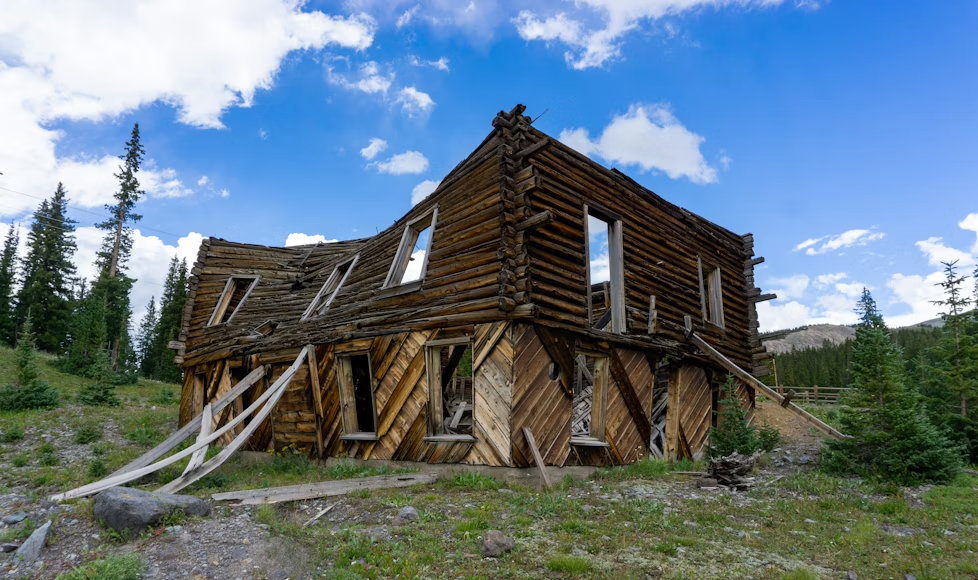
What makes Alta stand out is how much is still standing. Original wooden structures — a large multi-story boarding house, a company store, mining cabins, and a warehouse — remain on-site, weathered but intact. The townsite is listed on the National Register of Historic Places, and preservation efforts have kept it open for public viewing.
Alta peaked at around 100 residents. Modest by any measure, but the history packed into that small community is anything but.
Where Is Alta Ghost Town in Colorado?
Alta sits within the Uncompahgre National Forest in San Miguel County, roughly 10 miles south of Telluride. The townsite is accessed via Forest Service Road 632, also called Alta Lakes Road or Boomerang Road, depending on which section you're on.
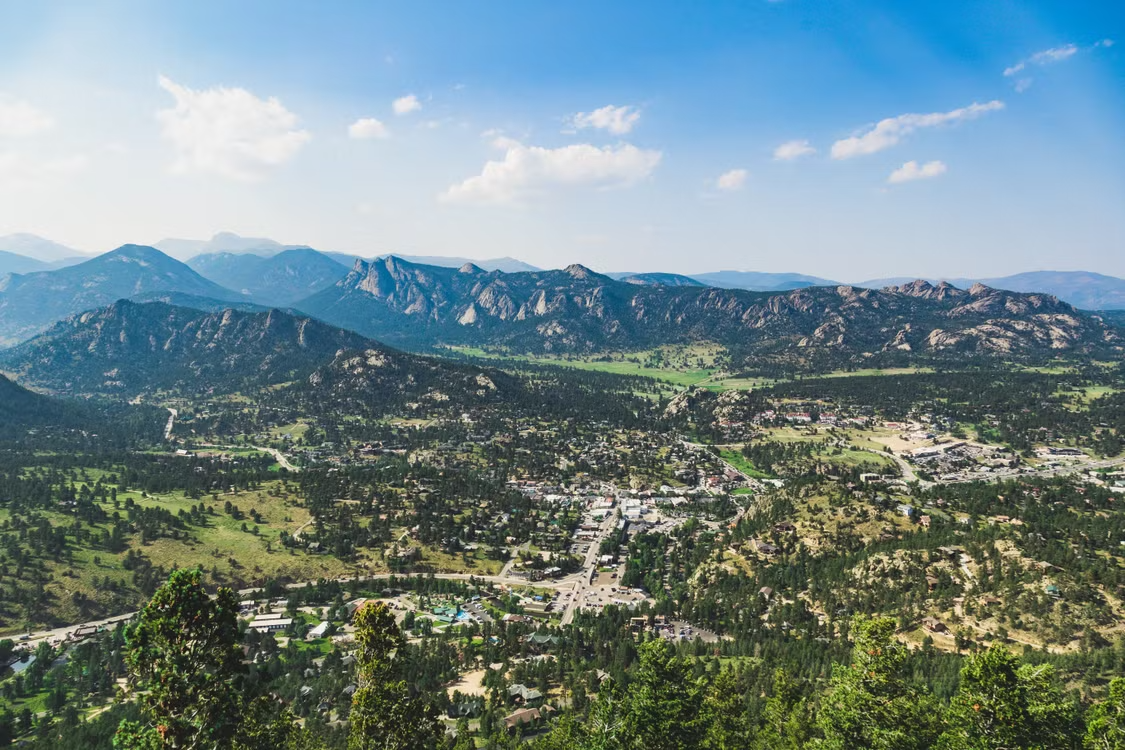
At 11,800 feet, Alta is genuinely high — and the surrounding landscape makes that elevation feel earned. Three alpine lakes known as Alta Lakes sit nearby, adding scenic texture to what's already a dramatic mountain setting.
For a broader look at off-the-beaten-path destinations in the region, 10 Hidden Gems in Colorado You Need to Visit is worth a read before planning your trip.
The History of Alta's Mining Boom
Photo by MATHEW RUPP on Unsplash
Alta's story begins in 1877 with the discovery of gold in the San Juan Mountains. That discovery set off rapid development and transformed the area into an active mining district producing gold, silver, copper, and lead.
The Gold King Mine anchored the whole operation. But Alta's place in history goes well beyond the ore it extracted. The Gold King Mine was the first industrial site in the world to use high-voltage alternating current (AC) for power. Nikola Tesla and George Westinghouse designed the system, which drew electricity from the nearby Ames Hydroelectric Power Plant. Entrepreneur L.L. Nunn collaborated with Westinghouse to make it happen.
That's not a small footnote. Alta was, in a real sense, a proving ground for the electrical infrastructure that would eventually power the modern world.
The mining district produced gold, silver, copper, and lead throughout its operational years. At its peak, around 100 people called Alta home, working and living in the boarding house and cabins that still stand today.
Why Alta Became a Ghost Town
The end came in 1948, and it came quickly.
A fire destroyed the local mill, which rendered the Gold King Mine inoperable overnight. Without the mill to process ore, there was no reason to stay. Residents packed up and left, abandoning the structures that now define the townsite.
It's a common story in Colorado mining history — towns built around a single industrial operation rarely survive when that operation collapses. What's less common is how much Alta left behind. The boarding house, cabins, and outbuildings survived the decades, giving today's visitors a tangible connection to a community that vanished in a matter of months.
What You Can Still See at Alta Today
Photo by Ben Sovine on Unsplash
Walking through Alta, several structures stand out:
The multi-story boarding house — the largest remaining building on the site, it once housed mine workers and remains the most striking landmark
The original company store — still holding its architectural details from the mining era
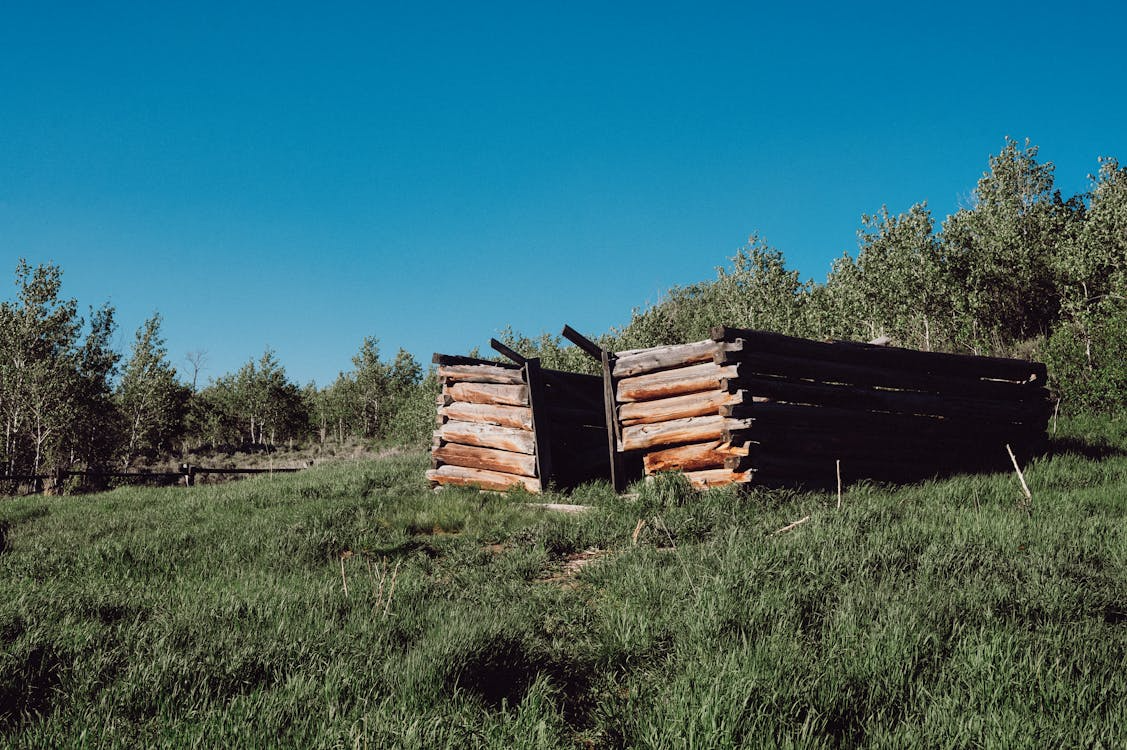
Mining cabins — several small dwellings in various states of decay, scattered across the townsite
A warehouse — which provided logistical support for the Gold King Mine during operations
Many of the cabins were constructed using timber and parts salvaged from old aerial mining tramways, a testament to the resourcefulness required at this elevation.
For photographers, Alta is exceptional. The interplay of weathered wood, mountain light, and open sky creates compositions that are hard to replicate anywhere else. Early morning visits tend to offer the best light and the fewest other visitors.
How to Get to Alta Ghost Town
Getting to Alta requires some preparation. The townsite is accessed via the unpaved Alta Lakes Road (Forest Service Road 632), and the road earns its reputation for roughness.
What you need to know about the drive:
High-clearance vehicles are strongly recommended
4-wheel drive is advised, particularly after rain or early in the season
The road is unpaved and can be rutted and rocky in sections
Allow extra time — this isn't a highway drive
The hike to the townsite itself covers about 4 miles roundtrip and is classified as moderate. Given the 11,800-foot elevation, visitors who aren't acclimated to altitude should take it slow.
Best Time to Visit Alta Ghost Town
The short answer: summer, and specifically mid-July through early September.
Alta Lakes Road typically remains closed from late autumn through late June due to snow. Even once the road opens, conditions can vary significantly by year. The summer window is relatively brief, and the weather at nearly 12,000 feet can shift fast — afternoon thunderstorms are common in July and August.
A few timing notes:
July to early September is the most reliable window for road access and clear weather
Mornings offer the best photography light and more stable conditions before afternoon storms build
Weekdays tend to be quieter than weekends
Early season visits (late June to early July) may encounter lingering snow or muddy road sections
Winter access is not available by vehicle. The road is buried under snow for most of the year, and the site is not staffed or maintained for winter visitors.
What to Know Before You Go
Alta is a historic site on private land that is open for public viewing. That distinction matters.
A few essentials:
Respect the structures. Do not enter buildings that appear structurally unsound. The boarding house and cabins have been standing for well over a century and deserve careful treatment.
Leave no trace. Pack out everything you bring in. There are no facilities on-site.
Do not remove artifacts or materials. Taking pieces of the site — however small — degrades the experience for everyone who comes after you.
Stay on established paths. Respect property boundaries within the townsite.
Check road conditions before heading out, especially early or late in the season.
Bring water and snacks. There are no services at or near the townsite.
Tell someone your plans. Cell coverage in the San Juans is limited.
Entry to the ghost town is free. The cost is just preparation.
Things to Do Near Alta Ghost Town
Photo by Caleb Jack on Unsplash
Alta works beautifully as part of a broader San Juan Mountains itinerary. Here are the natural pairings:
Alta Lakes
Three alpine lakes sit just below the ghost town and are among the most scenic spots in the area. Swimming, fishing, mountain biking, and photography are all popular here. Designated camping is available near the lakes, though overnight stays within the historic townsite itself are not permitted.
Telluride
Just 10 miles north, Telluride offers a full range of restaurants, lodging, and cultural attractions. The town's historic Victorian core is worth exploring on its own merits, and the gondola connecting Telluride to Mountain Village offers sweeping views of the valley.
Ashcroft Ghost Town
If the history at Alta leaves you wanting more, Ashcroft Ghost Town is another well-preserved Colorado mining settlement worth adding to your list.
Uncompahgre National Forest
The forest surrounding Alta offers hiking, wildlife watching, and access to some of the most dramatic high-country terrain in Colorado. The San Juan Skyway scenic byway connects many of the region's highlights.
Frequently Asked Questions
Is Alta Ghost Town worth visiting?
Absolutely. Between the well-preserved structures, the extraordinary elevation and scenery, and the genuinely fascinating history around the world's first industrial AC power system, Alta deserves a visit. The remoteness is part of the appeal.
Can you drive to Alta Ghost Town?
Yes, via Forest Service Road 632 (Alta Lakes Road). The road is unpaved and rough in sections, and a high-clearance vehicle is strongly recommended. A standard sedan will struggle.
Do you need 4WD for Alta Ghost Town?
4-wheel drive is advised, particularly if visiting early or late in the season or after heavy rain. In dry midsummer conditions, some high-clearance 2WD vehicles may manage, but 4WD removes the uncertainty.
Is Alta Ghost Town open in winter?
No. Alta Lakes Road is typically closed from late autumn through late June due to snow. Plan for a summer or early autumn visit.
What's near Alta Ghost Town?
Alta Lakes (just below the townsite), Telluride (10 miles north), and the broader Uncompahgre National Forest are the most natural pairings. The San Juan Skyway connects many of the region's highlights into a manageable loop.
Final Take
Alta Ghost Town rewards the effort it takes to get there. At nearly 12,000 feet, with original 19th-century structures still standing and a history that includes a genuine chapter in the story of modern electricity, this is a destination with real depth.
Go in summer. Bring a 4WD. Take only photographs.
If you're building out a Colorado itinerary around places that feel genuinely off the beaten path, start with the 10 Hidden Gems in Colorado You Need to Visit for more ideas, and explore more of what the state has to offer in Colorado.
Few places in Colorado combine raw alpine scenery with genuine mining history quite like Alta Ghost Town. Perched at 11,800 feet in the San Juan Mountains, this atmospheric relic of Colorado’s silver and gold rush era sits just ten miles south of Telluride — close enough for a day trip, remote enough to feel like a real discovery.
If you’re planning a Colorado outing and want something beyond the usual tourist circuit, Alta delivers. Here’s everything worth knowing before you go.
What Is Alta Ghost Town?
Alta Ghost Town is a preserved historic townsite in San Miguel County, Colorado. Active from 1877 to 1948, it served as the residential and operational hub for several high-altitude mining operations, most notably the Gold King Mine.
What makes Alta stand out is how much is still standing. Original wooden structures — a large multi-story boarding house, a company store, mining cabins, and a warehouse — remain on-site, weathered but intact. The townsite is listed on the National Register of Historic Places, and preservation efforts have kept it open for public viewing.
Alta peaked at around 100 residents. Modest by any measure, but the history packed into that small community is anything but.
Where Is Alta Ghost Town in Colorado?
Alta sits within the Uncompahgre National Forest in San Miguel County, roughly 10 miles south of Telluride. The townsite is accessed via Forest Service Road 632, also called Alta Lakes Road or Boomerang Road, depending on which section you’re on.
At 11,800 feet, Alta is genuinely high — and the surrounding landscape makes that elevation feel earned. Three alpine lakes known as Alta Lakes sit nearby, adding scenic texture to what’s already a dramatic mountain setting.
For a broader look at off-the-beaten-path destinations in the region, 10 Hidden Gems in Colorado You Need to Visit is worth a read before planning your trip.
The History of Alta’s Mining Boom
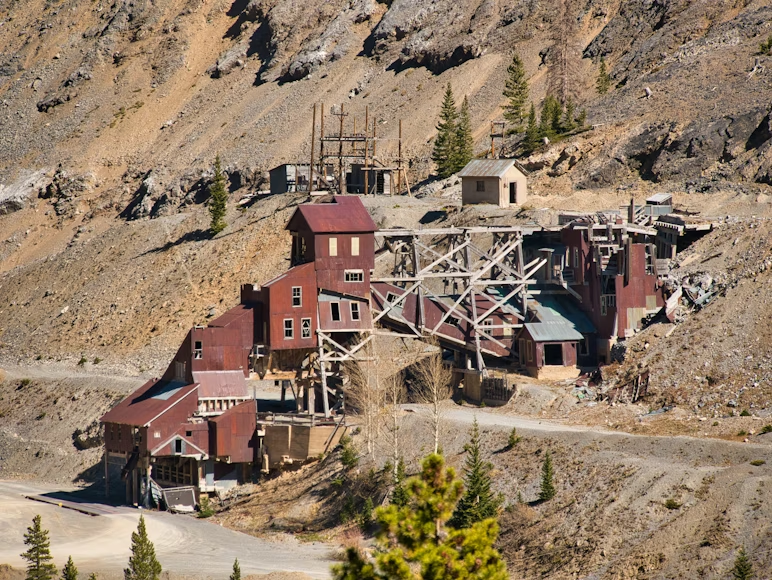
Photo by MATHEW RUPP on Unsplash
Alta’s story begins in 1877 with the discovery of gold in the San Juan Mountains. That discovery set off rapid development and transformed the area into an active mining district producing gold, silver, copper, and lead.
The Gold King Mine anchored the whole operation. But Alta’s place in history goes well beyond the ore it extracted. The Gold King Mine was the first industrial site in the world to use high-voltage alternating current (AC) for power. Nikola Tesla and George Westinghouse designed the system, which drew electricity from the nearby Ames Hydroelectric Power Plant. Entrepreneur L.L. Nunn collaborated with Westinghouse to make it happen.
That’s not a small footnote. Alta was, in a real sense, a proving ground for the electrical infrastructure that would eventually power the modern world.
The mining district produced gold, silver, copper, and lead throughout its operational years. At its peak, around 100 people called Alta home, working and living in the boarding house and cabins that still stand today.
Why Alta Became a Ghost Town
The end came in 1948, and it came quickly.
A fire destroyed the local mill, which rendered the Gold King Mine inoperable overnight. Without the mill to process ore, there was no reason to stay. Residents packed up and left, abandoning the structures that now define the townsite.
It’s a common story in Colorado mining history — towns built around a single industrial operation rarely survive when that operation collapses. What’s less common is how much Alta left behind. The boarding house, cabins, and outbuildings survived the decades, giving today’s visitors a tangible connection to a community that vanished in a matter of months.
What You Can Still See at Alta Today
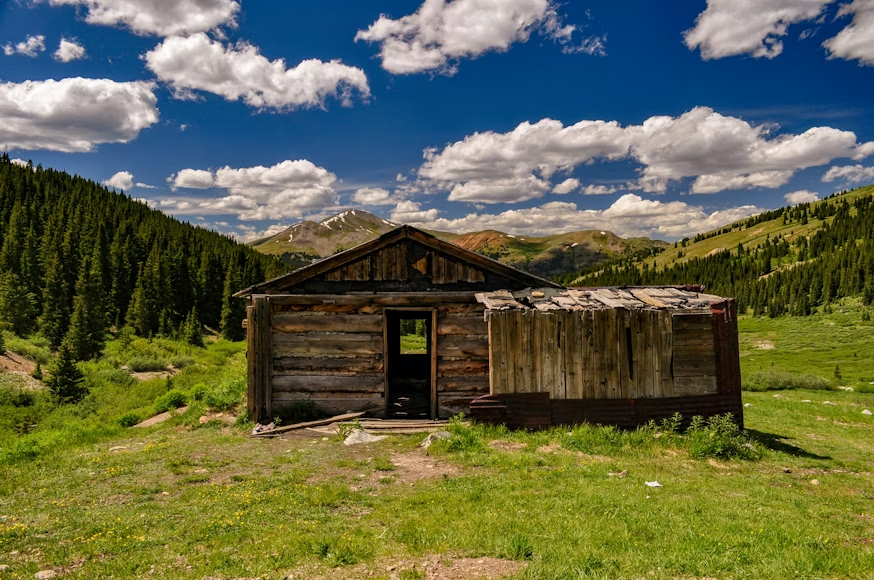
Photo by Ben Sovine on Unsplash
Walking through Alta, several structures stand out:
- The multi-story boarding house — the largest remaining building on the site, it once housed mine workers and remains the most striking landmark
- The original company store — still holding its architectural details from the mining era
- Mining cabins — several small dwellings in various states of decay, scattered across the townsite
- A warehouse — which provided logistical support for the Gold King Mine during operations
Many of the cabins were constructed using timber and parts salvaged from old aerial mining tramways, a testament to the resourcefulness required at this elevation.
For photographers, Alta is exceptional. The interplay of weathered wood, mountain light, and open sky creates compositions that are hard to replicate anywhere else. Early morning visits tend to offer the best light and the fewest other visitors.
How to Get to Alta Ghost Town
Getting to Alta requires some preparation. The townsite is accessed via the unpaved Alta Lakes Road (Forest Service Road 632), and the road earns its reputation for roughness.
What you need to know about the drive:
- High-clearance vehicles are strongly recommended
- 4-wheel drive is advised, particularly after rain or early in the season
- The road is unpaved and can be rutted and rocky in sections
- Allow extra time — this isn’t a highway drive
The hike to the townsite itself covers about 4 miles roundtrip and is classified as moderate. Given the 11,800-foot elevation, visitors who aren’t acclimated to altitude should take it slow.
Best Time to Visit Alta Ghost Town
The short answer: summer, and specifically mid-July through early September.
Alta Lakes Road typically remains closed from late autumn through late June due to snow. Even once the road opens, conditions can vary significantly by year. The summer window is relatively brief, and the weather at nearly 12,000 feet can shift fast — afternoon thunderstorms are common in July and August.
A few timing notes:
- July to early September is the most reliable window for road access and clear weather
- Mornings offer the best photography light and more stable conditions before afternoon storms build
- Weekdays tend to be quieter than weekends
- Early season visits (late June to early July) may encounter lingering snow or muddy road sections
Winter access is not available by vehicle. The road is buried under snow for most of the year, and the site is not staffed or maintained for winter visitors.
What to Know Before You Go
Alta is a historic site on private land that is open for public viewing. That distinction matters.
A few essentials:
- Respect the structures. Do not enter buildings that appear structurally unsound. The boarding house and cabins have been standing for well over a century and deserve careful treatment.
- Leave no trace. Pack out everything you bring in. There are no facilities on-site.
- Do not remove artifacts or materials. Taking pieces of the site — however small — degrades the experience for everyone who comes after you.
- Stay on established paths. Respect property boundaries within the townsite.
- Check road conditions before heading out, especially early or late in the season.
- Bring water and snacks. There are no services at or near the townsite.
- Tell someone your plans. Cell coverage in the San Juans is limited.
Entry to the ghost town is free. The cost is just preparation.
Things to Do Near Alta Ghost Town
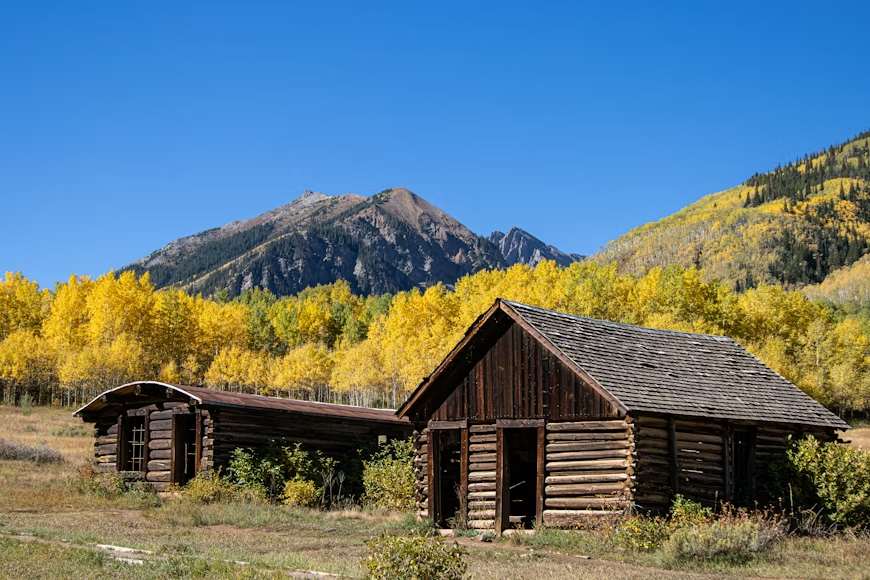
Photo by Caleb Jack on Unsplash
Alta works beautifully as part of a broader San Juan Mountains itinerary. Here are the natural pairings:
Alta Lakes
Three alpine lakes sit just below the ghost town and are among the most scenic spots in the area. Swimming, fishing, mountain biking, and photography are all popular here. Designated camping is available near the lakes, though overnight stays within the historic townsite itself are not permitted.
Telluride
Just 10 miles north, Telluride offers a full range of restaurants, lodging, and cultural attractions. The town’s historic Victorian core is worth exploring on its own merits, and the gondola connecting Telluride to Mountain Village offers sweeping views of the valley.
Ashcroft Ghost Town
If the history at Alta leaves you wanting more, Ashcroft Ghost Town is another well-preserved Colorado mining settlement worth adding to your list.
Uncompahgre National Forest
The forest surrounding Alta offers hiking, wildlife watching, and access to some of the most dramatic high-country terrain in Colorado. The San Juan Skyway scenic byway connects many of the region’s highlights.
Frequently Asked Questions
Is Alta Ghost Town worth visiting?
Absolutely. Between the well-preserved structures, the extraordinary elevation and scenery, and the genuinely fascinating history around the world’s first industrial AC power system, Alta deserves a visit. The remoteness is part of the appeal.
Can you drive to Alta Ghost Town?
Yes, via Forest Service Road 632 (Alta Lakes Road). The road is unpaved and rough in sections, and a high-clearance vehicle is strongly recommended. A standard sedan will struggle.
Do you need 4WD for Alta Ghost Town?
4-wheel drive is advised, particularly if visiting early or late in the season or after heavy rain. In dry midsummer conditions, some high-clearance 2WD vehicles may manage, but 4WD removes the uncertainty.
Is Alta Ghost Town open in winter?
No. Alta Lakes Road is typically closed from late autumn through late June due to snow. Plan for a summer or early autumn visit.
What’s near Alta Ghost Town?
Alta Lakes (just below the townsite), Telluride (10 miles north), and the broader Uncompahgre National Forest are the most natural pairings. The San Juan Skyway connects many of the region’s highlights into a manageable loop.
Final Take
Alta Ghost Town rewards the effort it takes to get there. At nearly 12,000 feet, with original 19th-century structures still standing and a history that includes a genuine chapter in the story of modern electricity, this is a destination with real depth.
Go in summer. Bring a 4WD. Take only photographs.
If you’re building out a Colorado itinerary around places that feel genuinely off the beaten path, start with the 10 Hidden Gems in Colorado You Need to Visit for more ideas, and explore more of what the state has to offer in Colorado.