From hiking the Flatirons to sipping local brews, the best things to do in Boulder, Colorado are as varied as they are unforgettable.
Boulder, Colorado is one of those places that earns its reputation the moment you arrive. Perched at 5,430 feet where the plains stretch wide, and the Rocky Mountain foothills rise sharply to the west, the city enjoys more than 300 days of sunshine a year. That's not just good weather — it's a way of life. For anyone curious about what makes Boulder such a compelling destination, the answer lives in the intersection of breathtaking scenery, world-class academia, and a food and culture scene that punches well above its size.
The University of Colorado Boulder, founded in 1876, anchors the city's identity as a hub for research, innovation, and intellectual curiosity. But Boulder holds its history just as carefully as its future. The architecture downtown, the preserved open spaces, and the thriving arts community all reflect a city that knows exactly what it wants to be.
The Flatirons and Chautauqua Park: Where the Adventure Begins
No introduction to Boulder is complete without the Flatirons. These five massive, slanted rock formations along the city's western edge are approximately 300 million years old — ancient stone that juts sharply into the sky and forms one of the most iconic silhouettes in all of Colorado. They're visible from almost anywhere in town, which means visitors are never quite allowed to forget how spectacular the setting really is.
Chautauqua Park, established in 1898 as part of a national education and cultural retreat movement, sits at the base of these formations. Today, it serves as the primary gateway into the surrounding wilderness. Some quick highlights:
40+ miles of maintained trails for every skill level
Direct access to the Flatirons base, with wide, well-marked paths
Historic cottages and a dining hall that give the park its old-Colorado charm
Free public access year-round
Whether the goal is a casual morning stroll or a full-day climb, Chautauqua delivers. Trails fan out through meadows and forests, offering views of the valley below and the peaks above. Go early on weekends — the parking lot fills quickly, and the golden morning light on those reddish-brown rock faces is worth every extra minute of effort.
Photo by Deepak Adhikari on Unsplash
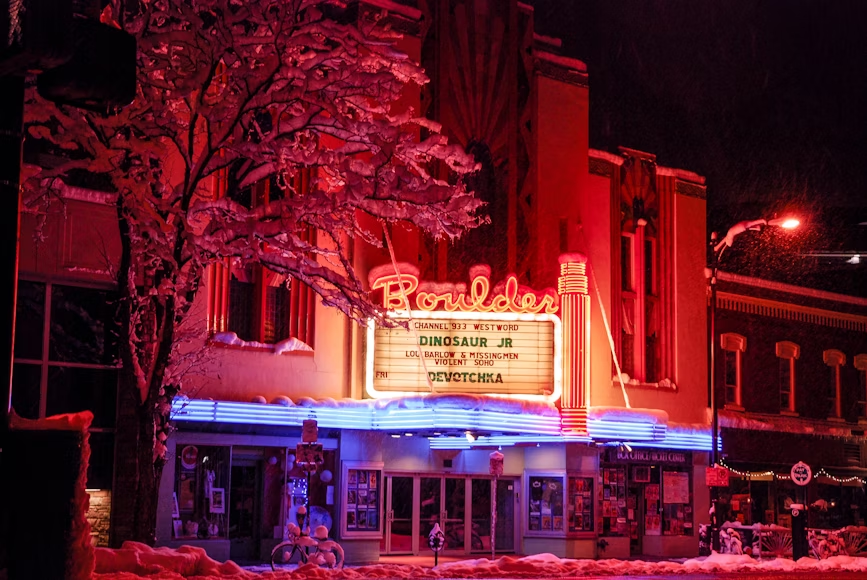
Four blocks of pedestrian-friendly brick-paved walkway, lined with 19th-century storefronts that have been carefully preserved and lovingly repurposed — Pearl Street Mall is where Boulder comes to life. Local boutiques, independent restaurants, coffee shops, and galleries share the space with an ever-rotating cast of street performers.
On any given afternoon, a jazz musician might be playing next to a magician running a shell game. It's lively without being overwhelming. The architecture alone makes a slow stroll worthwhile, but the people-watching is equally compelling.
For those who want to cover more ground, GetYourGuide offers a Boulder Joyride eBike Tour starting at $95 per person. The two-hour excursion makes it easy to see more of the city without the guesswork, and the "Reserve now & pay later" option means flexible trip planning is built right in.
The Boulder Creek Path and Eldorado Canyon
The Boulder Creek Path is a seven-mile paved trail threading directly through the center of the city. It connects the University of Colorado campus to the mountain canyons to the west, and it's the kind of infrastructure that makes a city genuinely livable. Cyclists, joggers, dog walkers, and commuters all share the route — shaded by riparian trees in summer and absolutely stunning in the fall.
Further south, Eldorado Canyon State Park brings things up a notch. With more than 500 technical rock climbing routes carved into high-quality sandstone walls, it attracts climbers from across the globe.
For non-climbers, guided eBike tours through the canyon offer another way in. These tours use fat-tire electric cruiser bikes with throttles, which means steep canyon inclines become entirely manageable. Every booking includes:
A helmet
A 20-ounce water bottle
Expert local guide leadership throughout
It's an effortless way to take in rugged terrain without rugged effort.
The Boulder Dushanbe Teahouse and Local Parks
Photo by Matthew Williams on Unsplash
Few buildings in Boulder carry as much story as the Boulder Dushanbe Teahouse. It was a handcrafted gift from Boulder's sister city of Dushanbe, Tajikistan, and more than 40 artists spent years creating its intricate carved ceilings, ornate paintings, and decorative tilework before everything was shipped to Colorado and assembled here. The result is extraordinary — a cultural landmark that serves tea, hosts events, and quietly reminds visitors that this city has deep, meaningful ties to the wider world.
Nearby, Boulder Falls offers a quick and rewarding detour. The 70-foot waterfall sits just off the main highway into Boulder Canyon, accessible via a short trail that delivers a cool, misty payoff. North Boulder Park serves as a popular meeting point for guided city tours, making it a convenient starting point for first-time visitors getting their bearings.
Museums and the National Center for Atmospheric Research
Designed by architect I.M. Pei, the Mesa Lab at the National Center for Atmospheric Research (NCAR) is a building worth visiting for the architecture alone. Its geometric forms echo the surrounding reddish rock formations in a way that feels intentional and elegant. Inside, free climate exhibits explore atmospheric science, weather patterns, and global environmental change through interactive displays that are genuinely engaging for adults and kids alike.
A few other stops worth noting:
Boulder Museum of Contemporary Art occupies a renovated 1906 warehouse and charges just $2 admission for adults, making rotating exhibitions of regional and international art highly accessible
Fiske Planetarium on the CU campus features a 65-foot diameter dome with advanced digital projection technology, offering immersive shows that take audiences through the solar system in high resolution
Spending half a day across these three spots covers science, contemporary art, and the cosmos. Not a bad afternoon.
Boulder's Food Scene and Craft Breweries
The Boulder County Farmers Market runs on Saturdays and Wednesdays from April through November, adjacent to Central Park. USA Today voted it the best farmers market in the nation, and it earns that distinction through the quality of its vendors, the variety of seasonal produce, and the festive atmosphere that draws both locals and visitors week after week.
The craft food and drink scene extends well beyond the market:
Avery Brewing Company keeps 30 different beers on tap in its taproom, with something for every palate and plenty of regional specialties to discover
Celestial Seasonings, the largest specialty tea manufacturer in North America, offers free 45-minute guided tours of its production facility — a surprisingly fascinating behind-the-scenes experience
Eldorado Canyon eBike tours include a scheduled stop for artisanal ice cream, which turns out to be an excellent way to end a morning in the foothills
Boulder takes its food seriously, and it shows.
Best Time to Visit Boulder
Photo by Logan Gutierrez on Unsplash
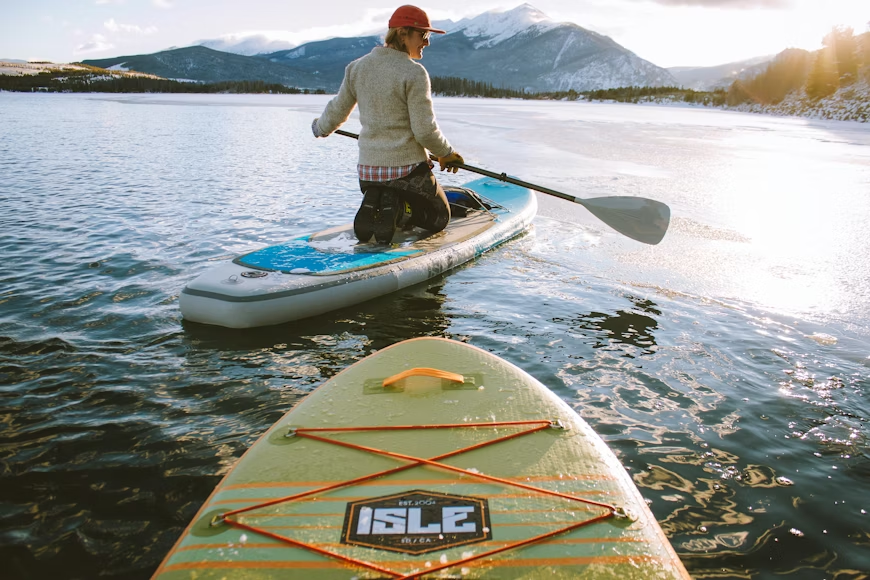
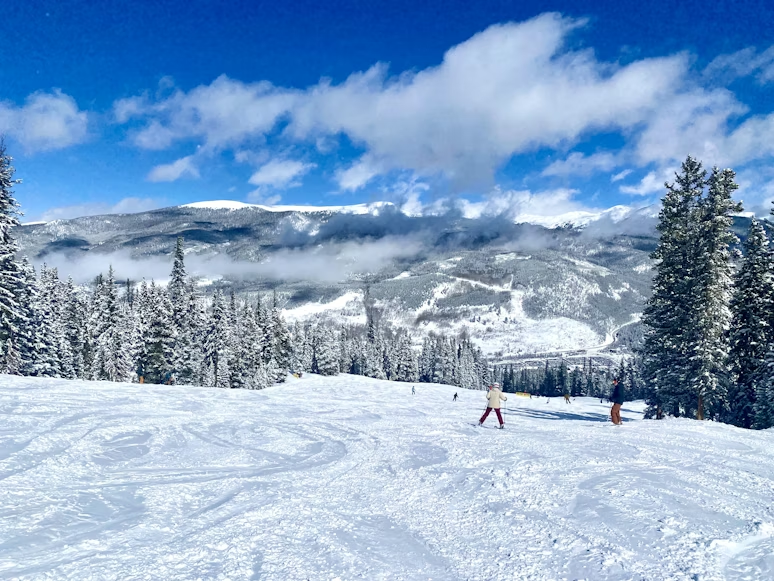
Honestly, Boulder holds up well in every season, but a few stand out. Summer brings long days, warm temperatures, and peak trail conditions, though popular spots like Chautauqua can get crowded by mid-morning. Fall is arguably the sweet spot — cooler air, thinner crowds, and the kind of golden foliage that makes every hike feel cinematic. Winter opens up snowshoeing and cross-country skiing in the nearby mountains, while spring signals the return of the Farmers Market and wildflower season on the trails. Whenever the visit lands, Boulder tends to deliver.
Travel Tips for Planning a Boulder Visit
Boulder rewards a little preparation. Understanding what the city is like before arriving makes it easier to plan confidently and make the most of every day spent there.
A few practical things to keep in mind:
Elevation awareness. At 5,430 feet, Boulder sits high enough that altitude can affect energy levels, especially in the first day or two. Flagstaff Mountain, just above the city, reaches 6,983 feet and offers sweeping views of the Continental Divide from the summit.
Hydration. Carry at least 20 ounces of water during any outdoor activity. The dry air and elevation accelerate dehydration faster than most people expect.
Booking flexibility. GetYourGuide's "Reserve now & pay later" option is useful for activities where local weather might influence plans. Most Boulder activities offer a full refund with at least 24 hours' notice.
Instant confirmation. Selecting tours with instant booking confirmation removes the uncertainty of waiting for approval and makes last-minute planning smoother.
Multilingual 24/7 support is available through GetYourGuide for any last-minute changes or questions.
Getting Around Boulder
Boulder is remarkably easy to navigate without a car. The city's extensive bike lane network connects most major attractions, and the Boulder Creek Path does double duty as both a scenic trail and a practical commuter route. The HOP, SKIP, JUMP, and BOUND bus lines run frequently and cover the most popular areas, including Pearl Street, CU campus, and the Hill neighborhood. Ride-shares are widely available, and most of the downtown core is entirely walkable. For visitors staying a few days, renting a bike — electric or standard — is one of the best decisions to make early in the trip.
Your Boulder Adventure Awaits
Boulder has a way of exceeding expectations for travelers at every pace — whether that means summiting a trail before breakfast or spending an entire afternoon drifting between teahouses, breweries, and bookshops. Start planning the visit, book the tour or photoshoot that looks most appealing, and show up ready to be surprised by how much one city can hold.
Boulder, Colorado is one of those places that earns its reputation the moment you arrive. Perched at 5,430 feet where the plains stretch wide, and the Rocky Mountain foothills rise sharply to the west, the city enjoys more than 300 days of sunshine a year. That’s not just good weather — it’s a way of life. For anyone curious about what makes Boulder such a compelling destination, the answer lives in the intersection of breathtaking scenery, world-class academia, and a food and culture scene that punches well above its size.
The University of Colorado Boulder, founded in 1876, anchors the city’s identity as a hub for research, innovation, and intellectual curiosity. But Boulder holds its history just as carefully as its future. The architecture downtown, the preserved open spaces, and the thriving arts community all reflect a city that knows exactly what it wants to be.
The Flatirons and Chautauqua Park: Where the Adventure Begins
No introduction to Boulder is complete without the Flatirons. These five massive, slanted rock formations along the city’s western edge are approximately 300 million years old — ancient stone that juts sharply into the sky and forms one of the most iconic silhouettes in all of Colorado. They’re visible from almost anywhere in town, which means visitors are never quite allowed to forget how spectacular the setting really is.
Chautauqua Park, established in 1898 as part of a national education and cultural retreat movement, sits at the base of these formations. Today, it serves as the primary gateway into the surrounding wilderness. Some quick highlights:
- 40+ miles of maintained trails for every skill level
- Direct access to the Flatirons base, with wide, well-marked paths
- Historic cottages and a dining hall that give the park its old-Colorado charm
- Free public access year-round
Whether the goal is a casual morning stroll or a full-day climb, Chautauqua delivers. Trails fan out through meadows and forests, offering views of the valley below and the peaks above. Go early on weekends — the parking lot fills quickly, and the golden morning light on those reddish-brown rock faces is worth every extra minute of effort.
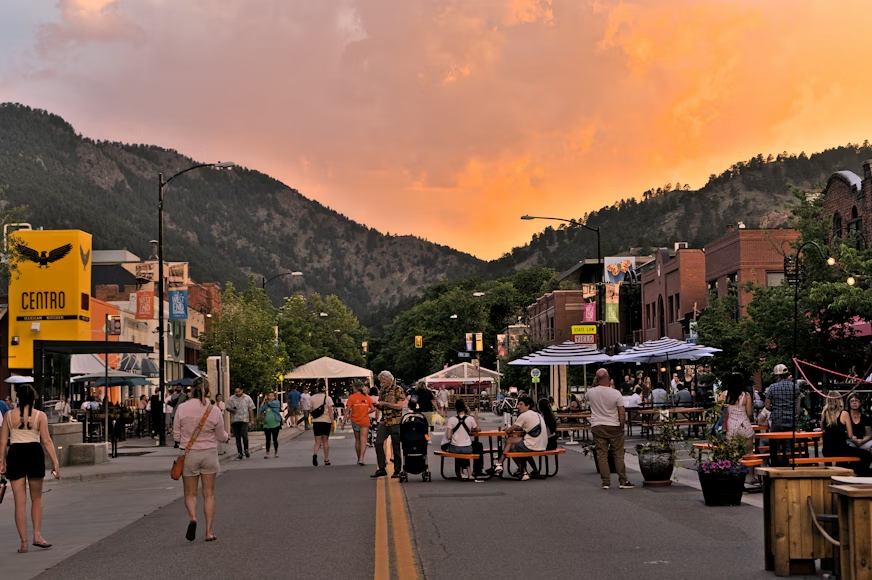
Photo by Deepak Adhikari on Unsplash
Four blocks of pedestrian-friendly brick-paved walkway, lined with 19th-century storefronts that have been carefully preserved and lovingly repurposed — Pearl Street Mall is where Boulder comes to life. Local boutiques, independent restaurants, coffee shops, and galleries share the space with an ever-rotating cast of street performers.
On any given afternoon, a jazz musician might be playing next to a magician running a shell game. It’s lively without being overwhelming. The architecture alone makes a slow stroll worthwhile, but the people-watching is equally compelling.
For those who want to cover more ground, GetYourGuide offers a Boulder Joyride eBike Tour starting at $95 per person. The two-hour excursion makes it easy to see more of the city without the guesswork, and the “Reserve now & pay later” option means flexible trip planning is built right in.
The Boulder Creek Path and Eldorado Canyon
The Boulder Creek Path is a seven-mile paved trail threading directly through the center of the city. It connects the University of Colorado campus to the mountain canyons to the west, and it’s the kind of infrastructure that makes a city genuinely livable. Cyclists, joggers, dog walkers, and commuters all share the route — shaded by riparian trees in summer and absolutely stunning in the fall.
Further south, Eldorado Canyon State Park brings things up a notch. With more than 500 technical rock climbing routes carved into high-quality sandstone walls, it attracts climbers from across the globe.
For non-climbers, guided eBike tours through the canyon offer another way in. These tours use fat-tire electric cruiser bikes with throttles, which means steep canyon inclines become entirely manageable. Every booking includes:
- A helmet
- A 20-ounce water bottle
- Expert local guide leadership throughout
It’s an effortless way to take in rugged terrain without rugged effort.
The Boulder Dushanbe Teahouse and Local Parks
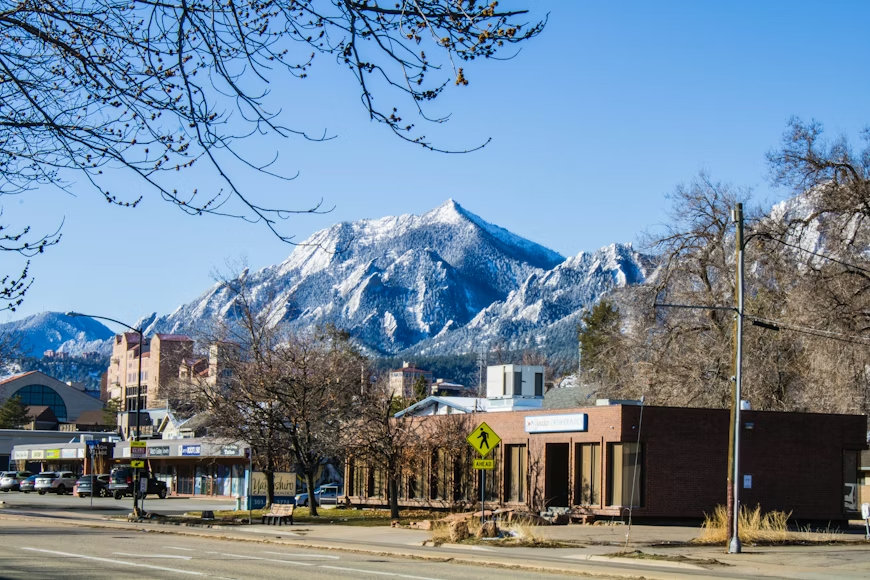
Photo by Matthew Williams on Unsplash
Few buildings in Boulder carry as much story as the Boulder Dushanbe Teahouse. It was a handcrafted gift from Boulder’s sister city of Dushanbe, Tajikistan, and more than 40 artists spent years creating its intricate carved ceilings, ornate paintings, and decorative tilework before everything was shipped to Colorado and assembled here. The result is extraordinary — a cultural landmark that serves tea, hosts events, and quietly reminds visitors that this city has deep, meaningful ties to the wider world.
Nearby, Boulder Falls offers a quick and rewarding detour. The 70-foot waterfall sits just off the main highway into Boulder Canyon, accessible via a short trail that delivers a cool, misty payoff. North Boulder Park serves as a popular meeting point for guided city tours, making it a convenient starting point for first-time visitors getting their bearings.
Museums and the National Center for Atmospheric Research
Designed by architect I.M. Pei, the Mesa Lab at the National Center for Atmospheric Research (NCAR) is a building worth visiting for the architecture alone. Its geometric forms echo the surrounding reddish rock formations in a way that feels intentional and elegant. Inside, free climate exhibits explore atmospheric science, weather patterns, and global environmental change through interactive displays that are genuinely engaging for adults and kids alike.
A few other stops worth noting:
- Boulder Museum of Contemporary Art occupies a renovated 1906 warehouse and charges just $2 admission for adults, making rotating exhibitions of regional and international art highly accessible
- Fiske Planetarium on the CU campus features a 65-foot diameter dome with advanced digital projection technology, offering immersive shows that take audiences through the solar system in high resolution
Spending half a day across these three spots covers science, contemporary art, and the cosmos. Not a bad afternoon.
Boulder’s Food Scene and Craft Breweries
The Boulder County Farmers Market runs on Saturdays and Wednesdays from April through November, adjacent to Central Park. USA Today voted it the best farmers market in the nation, and it earns that distinction through the quality of its vendors, the variety of seasonal produce, and the festive atmosphere that draws both locals and visitors week after week.
The craft food and drink scene extends well beyond the market:
- Avery Brewing Company keeps 30 different beers on tap in its taproom, with something for every palate and plenty of regional specialties to discover
- Celestial Seasonings, the largest specialty tea manufacturer in North America, offers free 45-minute guided tours of its production facility — a surprisingly fascinating behind-the-scenes experience
- Eldorado Canyon eBike tours include a scheduled stop for artisanal ice cream, which turns out to be an excellent way to end a morning in the foothills
Boulder takes its food seriously, and it shows.
Best Time to Visit Boulder
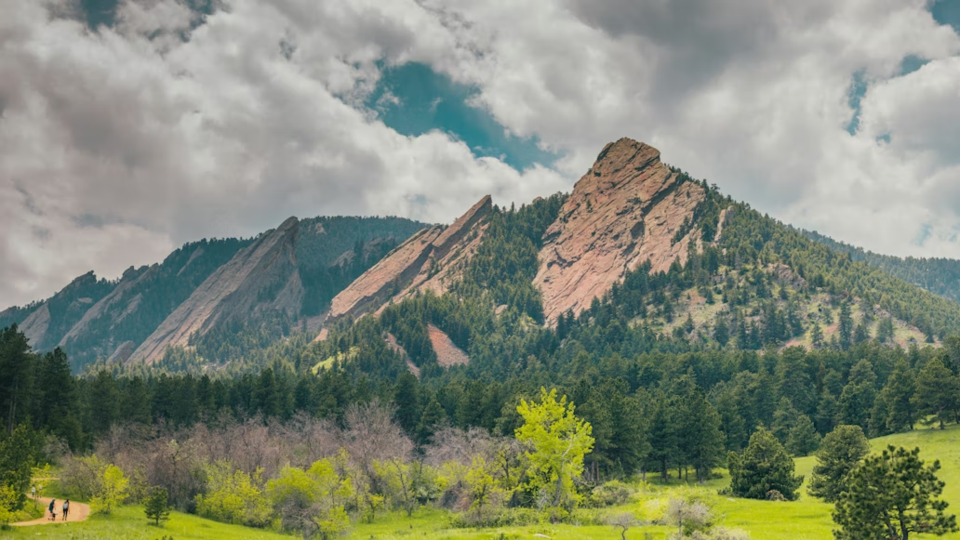
Photo by Logan Gutierrez on Unsplash
Honestly, Boulder holds up well in every season, but a few stand out. Summer brings long days, warm temperatures, and peak trail conditions, though popular spots like Chautauqua can get crowded by mid-morning. Fall is arguably the sweet spot — cooler air, thinner crowds, and the kind of golden foliage that makes every hike feel cinematic. Winter opens up snowshoeing and cross-country skiing in the nearby mountains, while spring signals the return of the Farmers Market and wildflower season on the trails. Whenever the visit lands, Boulder tends to deliver.
Travel Tips for Planning a Boulder Visit
Boulder rewards a little preparation. Understanding what the city is like before arriving makes it easier to plan confidently and make the most of every day spent there.
A few practical things to keep in mind:
- Elevation awareness. At 5,430 feet, Boulder sits high enough that altitude can affect energy levels, especially in the first day or two. Flagstaff Mountain, just above the city, reaches 6,983 feet and offers sweeping views of the Continental Divide from the summit.
- Hydration. Carry at least 20 ounces of water during any outdoor activity. The dry air and elevation accelerate dehydration faster than most people expect.
- Booking flexibility. GetYourGuide’s “Reserve now & pay later” option is useful for activities where local weather might influence plans. Most Boulder activities offer a full refund with at least 24 hours’ notice.
- Instant confirmation. Selecting tours with instant booking confirmation removes the uncertainty of waiting for approval and makes last-minute planning smoother.
- Multilingual 24/7 support is available through GetYourGuide for any last-minute changes or questions.
Getting Around Boulder
Boulder is remarkably easy to navigate without a car. The city’s extensive bike lane network connects most major attractions, and the Boulder Creek Path does double duty as both a scenic trail and a practical commuter route. The HOP, SKIP, JUMP, and BOUND bus lines run frequently and cover the most popular areas, including Pearl Street, CU campus, and the Hill neighborhood. Ride-shares are widely available, and most of the downtown core is entirely walkable. For visitors staying a few days, renting a bike — electric or standard — is one of the best decisions to make early in the trip.
Your Boulder Adventure Awaits
Boulder has a way of exceeding expectations for travelers at every pace — whether that means summiting a trail before breakfast or spending an entire afternoon drifting between teahouses, breweries, and bookshops. Start planning the visit, book the tour or photoshoot that looks most appealing, and show up ready to be surprised by how much one city can hold.