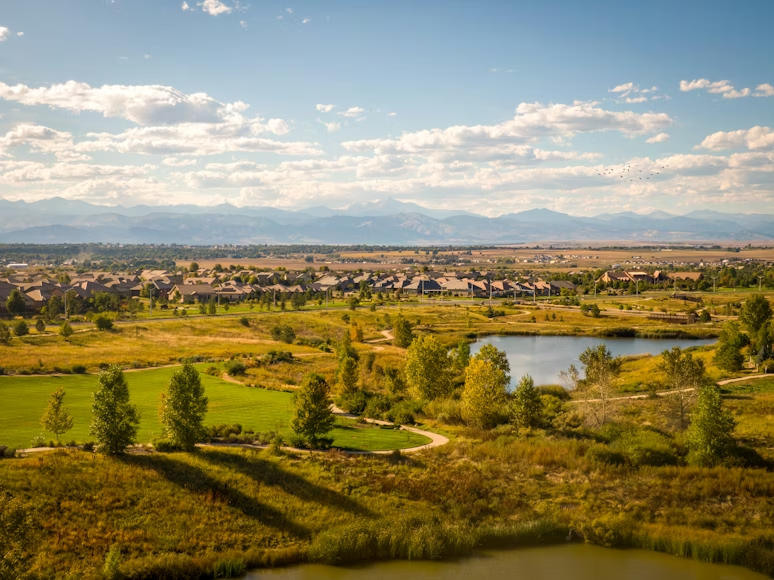
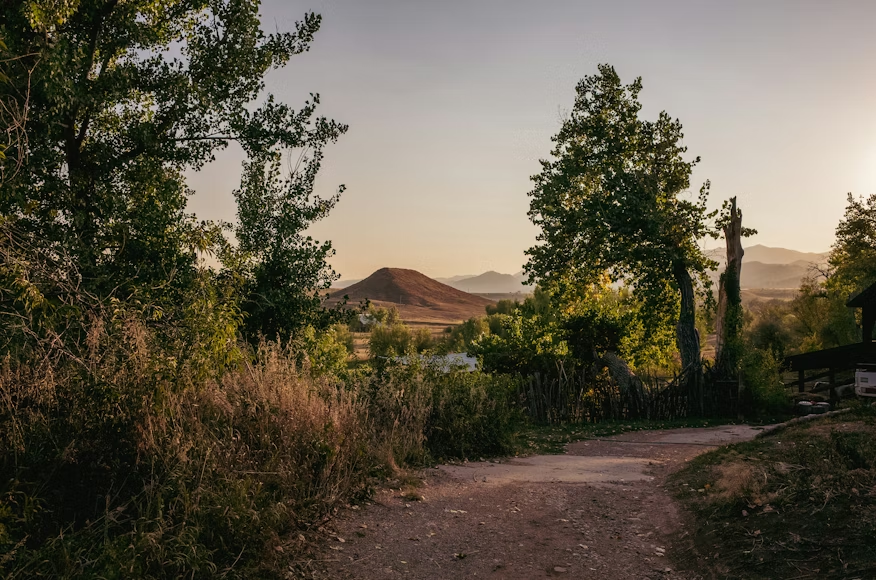
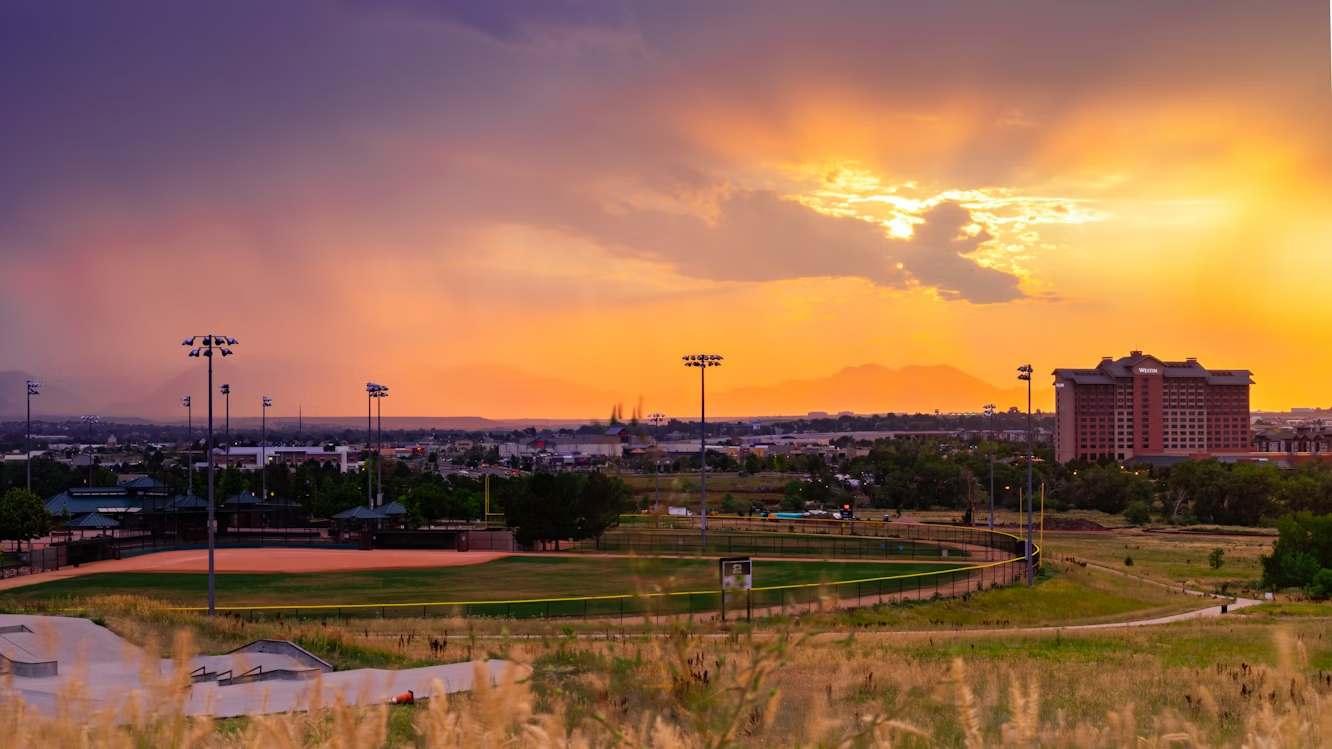
Summer in Colorado is when the state truly comes alive. Snow melts from the highest mountain passes, wildflowers blanket alpine meadows, and long sunny days create endless opportunities for outdoor adventure.
Whether you’re planning to hike in Rocky Mountain National Park, drive Trail Ridge Road, explore charming mountain towns, or relax by an alpine lake, summer is one of the best times to experience everything Colorado has to offer.
Here are 10 unforgettable things to do during a Colorado summer.
What Colorado Looks Like in Summer
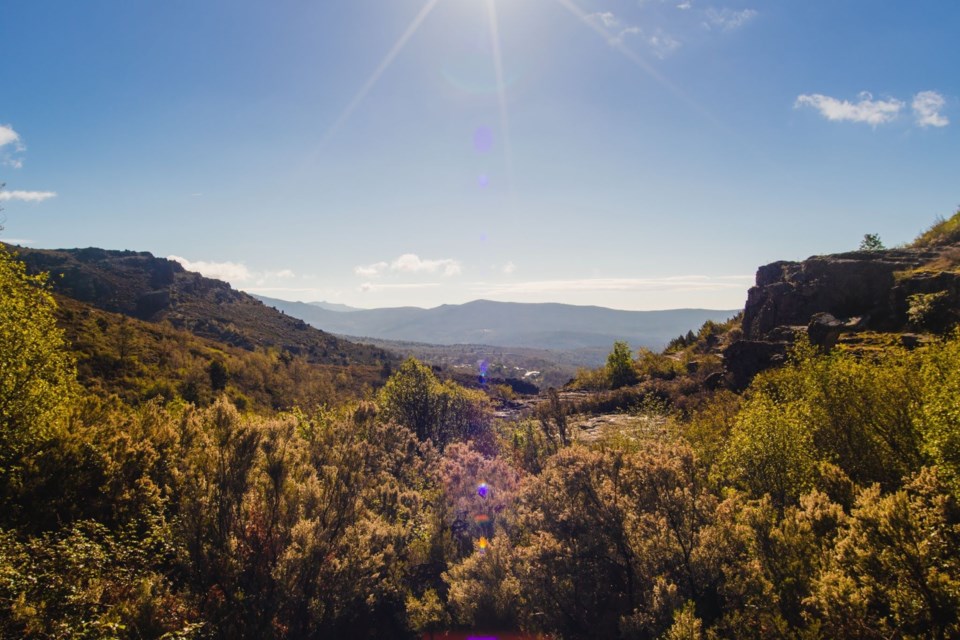
Snow retreats from the highest mountain passes, alpine lakes become accessible again, and wildflowers spread across meadows that spent much of the year buried beneath winter storms. Long daylight hours stretch outdoor adventures well into the evening, while cool mountain mornings create a welcome contrast to the heat found in many other parts of the country. Colorado is known for abundant sunshine, especially in drier areas such as Pueblo and Grand Junction, but the often-repeated “300 days of sunshine” claim is more of a tourism slogan than a precise statewide climate statistic.
Colorado’s average elevation sits around 6,800 feet — the highest of any U.S. state — and that altitude shapes nearly every part of the summer experience. The air is drier, the sunshine feels stronger, and temperatures can vary dramatically between mountain towns and the Front Range. The state is also home to 58 peaks that rise above 14,000 feet, more than any other state in the country, giving every Colorado summer vacation a dramatic, larger-than-life backdrop.
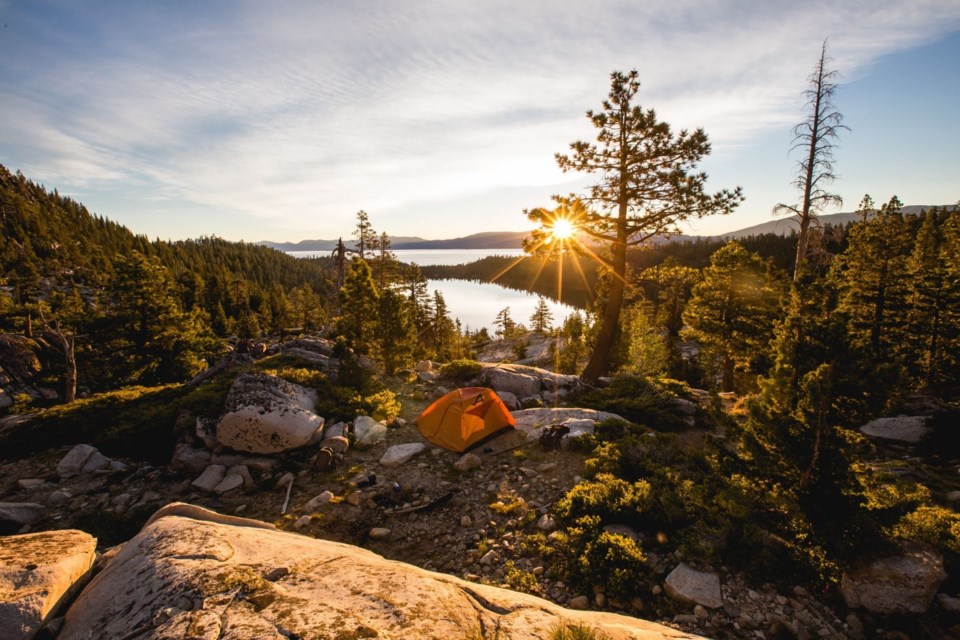
Whether you’re planning a hiking trip to Rocky Mountain National Park, which features more than 350 miles of hiking trails, alpine lakes, wildlife viewing, and some of Colorado’s most iconic mountain scenery, a weekend exploring mountain towns, or simply looking for local events near Longmont, summer offers The following sections explore the best things to do in Colorado in summer, from iconic outdoor adventures to hidden gems worth seeking out.
Why Summer Is One of the Best Times to Visit Colorado
Colorado in the summer unlocks access that other seasons simply cannot offer. Mountain passes that remain closed for months under snow reopen by mid-June, including Trail Ridge Road — the highest continuous paved through-road in the U.S. at 12,183 feet — making vast stretches of the Rockies reachable by car. Wildflowers blanket alpine meadows from July through early August, temperatures at elevation stay mild even when Front Range cities grow warm, and long daylight hours leave plenty of time for a full day of Colorado outdoor adventures. Colorado is known for sunny weather, but the often-repeated “300 days of sunshine” claim is better treated as a tourism slogan than a precise statewide climate statistic.
Colorado’s four national parks are generally at their most accessible in summer, though specific roads, tours, and reservation requirements can vary by park. One important practical note for planning your Colorado summer vacation: For 2026, timed entry reservations at Rocky Mountain National Park are required from May 22 through October 12 for most areas during peak daytime hours, while Bear Lake Road reservations run through October 18. So booking in advance is essential. With those details in mind, Rocky Mountain National Park is the natural place to begin.
- Open mountain passes — Trail Ridge Road and other high routes become fully accessible
- Wildflower season — peak blooms arrive in July and August at higher elevations
- Festivals and events — outdoor concerts, fairs, and cultural gatherings fill the calendar
- Long daylight hours — extended evenings give hikers and sightseers more time outdoors
Understanding Colorado’s Summer Climate
One of the biggest surprises for first-time visitors is how much Colorado’s climate changes depending on elevation. Along the Front Range — including Longmont, Boulder, and Denver — summer afternoons often reach the mid-80s and low 90s, while mountain towns such as Estes Park, Breckenridge, and Telluride stay significantly cooler, with mornings frequently starting in the 40s or 50s. The Western Slope, including Grand Junction, tends to be hotter and drier, creating yet another version of summer within the same state.
Colorado summers are also known for their predictable weather patterns: sunny mornings followed by afternoon thunderstorms, especially in the mountains. That’s why experienced hikers start early and aim to be below treeline by midday. This combination of varied climates, dramatic landscapes, and easy access to everything from alpine peaks and wildflower meadows to deserts and sand dunes is what makes summer in Colorado so unique. Whether you’re exploring Rocky Mountain National Park, visiting Great Sand Dunes National Park, or relaxing in one of the state’s natural hot springs, every region offers a different way to experience the season.
What to Avoid When Planning a Summer Trip to Colorado
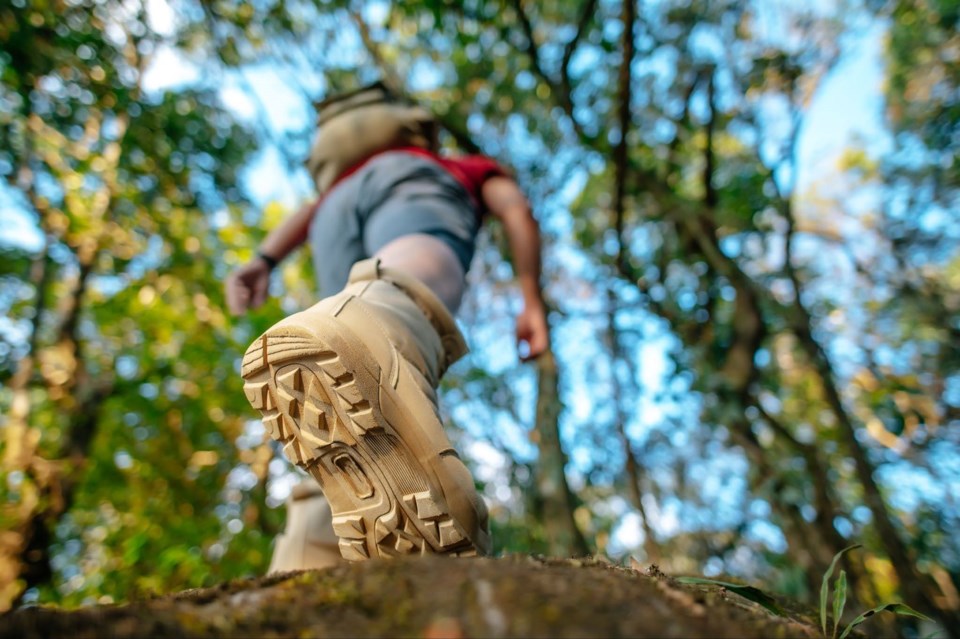
Altitude, afternoon thunderstorms, and seasonal access windows are the three most common sources of poor trip planning for a Colorado summer vacation. With an average state elevation of about 6,800 feet, altitude sickness is a real concern — especially for visitors arriving from sea level. Colorado’s highest peak, Mount Elbert, stands at 14,433 feet, making it the second-highest summit in the contiguous United States, and even moderate high-altitude hikes demand proper acclimatization before you lace up on day one.
When hiking in Colorado, keep in mind that afternoon thunderstorms sweep through the mountains from June through August, and most experienced hikers aim to be below treeline by noon. Timed entry reservations at Rocky Mountain National Park — required from May 22 through mid-October — sell out weeks in advance during peak season, and booking late often means missing access entirely to one of Colorado’s most visited summer destinations, where the headwaters of the Colorado River originate. Whether you’re planning scenic drives in Colorado or a high-country Colorado summer getaway, avoiding these common mistakes will make a significant difference in your experience.
- No timed entry reservation — Arriving at Rocky Mountain National Park without a reservation during peak season means you may be turned away at the gate entirely.
- Planning high-altitude hikes on day one of arrival — Acclimatization before attempting 14ers or exposed alpine trails is practical, not optional.
- Ignoring weather forecasts — Afternoon thunderstorms develop quickly and can turn a summit hike into a dangerous situation without warning.
- Assuming all mountain passes are open without checking — Some high passes remain closed into June or beyond, which can derail road trip routes and scenic drive plans if you haven’t verified current conditions.
Average Summer Temperatures
|
Region |
Typical Summer Highs |
|
Longmont & Front Range |
80°F–92°F |
|
Estes Park |
70°F–78°F |
|
Breckenridge |
65°F–75°F |
|
Grand Junction |
88°F–96°F |
Colorado’s Four National Parks: A Summer Overview
Colorado is home to four national parks, and each one offers a dramatically different experience. Rocky Mountain National Park, already covered in detail above, anchors the northern part of a Colorado summer vacation. Mesa Verde National Park, a UNESCO World Heritage Site and International Dark Sky Park, protects the cultural heritage of 27 Pueblos and Tribes through its remarkably preserved cliff dwellings — ranger-led tours require advance reservations, and the park can be reached by calling 970-529-4465. Great Sand Dunes National Park, located in the San Luis Valley, contains the tallest sand dunes in North America, some rising up to 750 feet, with Medano Creek running seasonally at the base of the dunes during late spring and early summer.
Black Canyon of the Gunnison rounds out the four, offering a dramatic, narrow canyon with 2,000-foot walls that sees far fewer crowds than the other parks and is accessible from Montrose. Colorado’s diverse landscapes include alpine lakes, dense forests, high-desert canyons, grasslands, and even towering sand dunes, all within a single state — and nowhere is that variety more evident than across these four parks.
Passing through all four on a single Colorado road trip is entirely feasible and forms the backbone of one of the most varied Colorado summer vacation itineraries in the country. For anyone deciding on the best places to visit in Colorado in summer, building an itinerary around all four national parks offers an unmatched cross-section of what makes this state extraordinary.
Packing for Colorado means preparing for changing conditions; a sunny morning can quickly turn into a rainy afternoon, and temperatures often drop dramatically after sunset.
Essentials include:
- Lightweight layers
- SPF 50+ sunscreen
- Sunglasses and a hat
- Reusable water bottle
- Light rain jacket
- Hiking shoes or sturdy footwear
Even during July, temperatures above 10,000 feet can feel surprisigly cool.
1. Explore the Rocky Mountain National Park
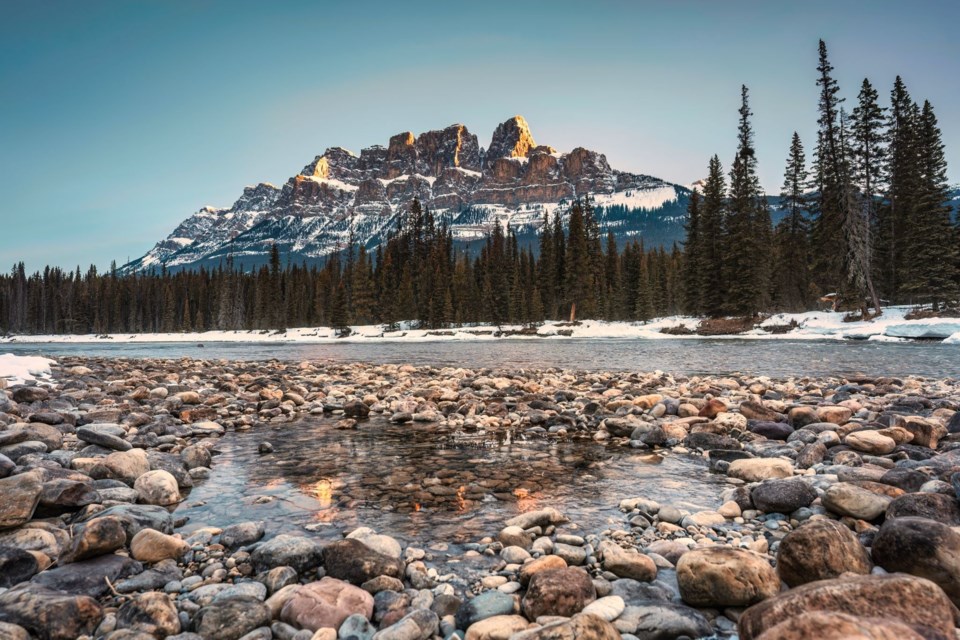
Located about an hour from Longmont, the park offers more than 350 miles of hiking trails, alpine lakes, wildlife viewing opportunities, and some of the most iconic mountain scenery in the United States.
Popular hikes include Bear Lake, Alberta Falls, and Emerald Lake. Visitors regularly spot elk, mule deer, marmots, and other wildlife throughout the park.
Timed-entry reservations are required during much of the summer season, so planning ahead is essential.
2. Drive Trail Ridge Road
Connecting Estes Park and Grand Lake, Trail Ridge Road is the highest continuous paved through-road in the United States.
The route climbs above 12,000 feet and crosses open alpine tundra, creating panoramic views that feel completely different from anything found at lower elevations.
Several overlooks provide opportunities to stop, take photos, and appreciate Colorado’s vast mountain landscapes.
3. Hike to Alpine Lakes
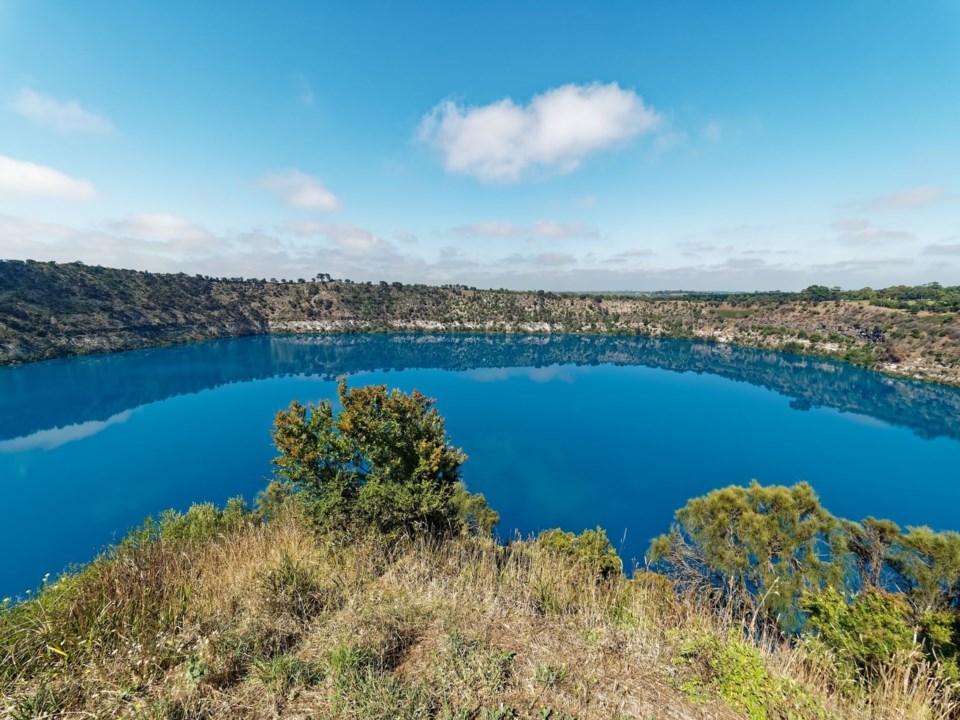
Colorado’s alpine lakes are among its most rewarding summer destinations. Emerald Lake in Rocky Mountain National Park remains one of the state’s most popular hikes, while Blue Lakes near Ouray offer spectacular scenery surrounded by wildflowers and high peaks.
For many visitors, reaching an alpine lake is the quintessential Colorado summer experience.
4. Experience Colorado’s Hot Springs
Popular options include:
- Glenwood Hot Springs
- Strawberry Park Hot Springs
- Mount Princeton Hot Springs
Each combines mountain scenery with naturally heated pools, creating a uniquely Colorado experience. Travelers looking for a more rustic adventure can also explore some of Colorado’s free hot springs, where natural pools are surrounded by forests, rivers, and mountain views.
5. See Wildflowers in Bloom
Wildflower season typically peaks between mid-July and early August at higher elevations. Crested Butte, often called the Wildflower Capital of Colorado, is one of the best destinations for viewing colorful alpine meadows.
Yankee Boy Basin near Ouray is another favorite, offering stunning mountain scenery alongside vibrant seasonal blooms.
6. Attend a Concert at Red Rocks Amphitheatre
Located just outside Denver, this natural amphitheater hosts major concerts throughout the summer while surrounded by towering sandstone formations.
Many visitors arrive early to hike the nearby Trading Post Trail before the show begins.
7. Go Whitewater Rafting
The Arkansas River remains Colorado’s most popular rafting destination, while Clear Creek offers exciting trips closer to Denver. If you’re planning to spend extra time in the city before or after your adventure, there are also plenty of free things to do in Denver that make it easy to explore the area on a budget.
Families often choose calmer sections of the Colorado River near Glenwood Springs.
8. Visit Colorado’s Mountain Towns
Breckenridge combines historic charm with outdoor recreation. Aspen delivers world-class scenery and cultural events. Telluride offers dramatic landscapes and a packed summer festival calendar.
Estes Park serves as the gateway to Rocky Mountain National Park and makes an excellent day trip from Longmont.
9. Spend a Day on the Water
Popular spots include:
- Grand Lake
- Union Reservoir
- Lake Dillon
- Lake Irwin
Kayaking, paddleboarding, boating, and fishing are all popular throughout the season.
10. Take a Scenic Colorado Road Trip
The Million Dollar Highway, Peak to Peak Scenic Byway, and San Juan Skyway showcase everything from alpine tundra to dramatic canyon landscapes.
These routes are ideal for travelers who want to experience multiple regions of the state in a single trip.
Why Longmont Makes a Great Summer Base
Longmont sits in one of the most strategic locations in Colorado.
Visitors can easily reach Rocky Mountain National Park, Estes Park, Boulder, and Denver while avoiding some of the higher lodging costs found in major tourist destinations.
The city also offers its own outdoor attractions, including Union Reservoir, McIntosh Lake, and Left Hand Creek Park.
For travelers looking to combine local experiences with larger Colorado adventures, Longmont provides an excellent home base.
Summer Events in Longmont
The community calendar includes events such as Longmont Faire, Longmont FarmFest, Summer Concerts in the Park, and seasonal farmers’ markets featuring local vendors and producers.
August also brings the Boulder County Fair, one of Colorado’s most recognizable county fair traditions, complete with rodeos, live entertainment, agricultural exhibits, and family-friendly activities.
Colorado’s Four National Parks
Colorado is home to four national parks:
- Rocky Mountain National Park
- Mesa Verde National Park
- Great Sand Dunes National Park
- Black Canyon of the Gunnison National Park
Each offers a completely different landscape, making it possible to experience alpine peaks, ancient cliff dwellings, towering sand dunes, and dramatic canyon scenery within a single state.
What to Expect Month by Month
|
Month |
Best For |
|
June |
Rafting, scenic drives, and early hiking |
|
July |
Wildflowers, alpine lakes, hiking |
|
August |
Festivals, road trips, outdoor recreation |
|
September |
Aspen colors, fewer crowds, hiking |
Final Thoughts
Summer in Colorado offers an incredible variety of experiences, from hiking alpine trails and exploring national parks to attending outdoor concerts and discovering charming mountain towns.
If you’re planning a weekend getaway from Longmont or a longer Colorado road trip, the combination of mountain scenery, outdoor adventure, and local events makes summer one of the most rewarding times to visit the Centennial State.