Gilman, Colorado, stands as one of the most haunting reminders of the mining boom-and-bust cycle that defined much of Colorado's industrial history.
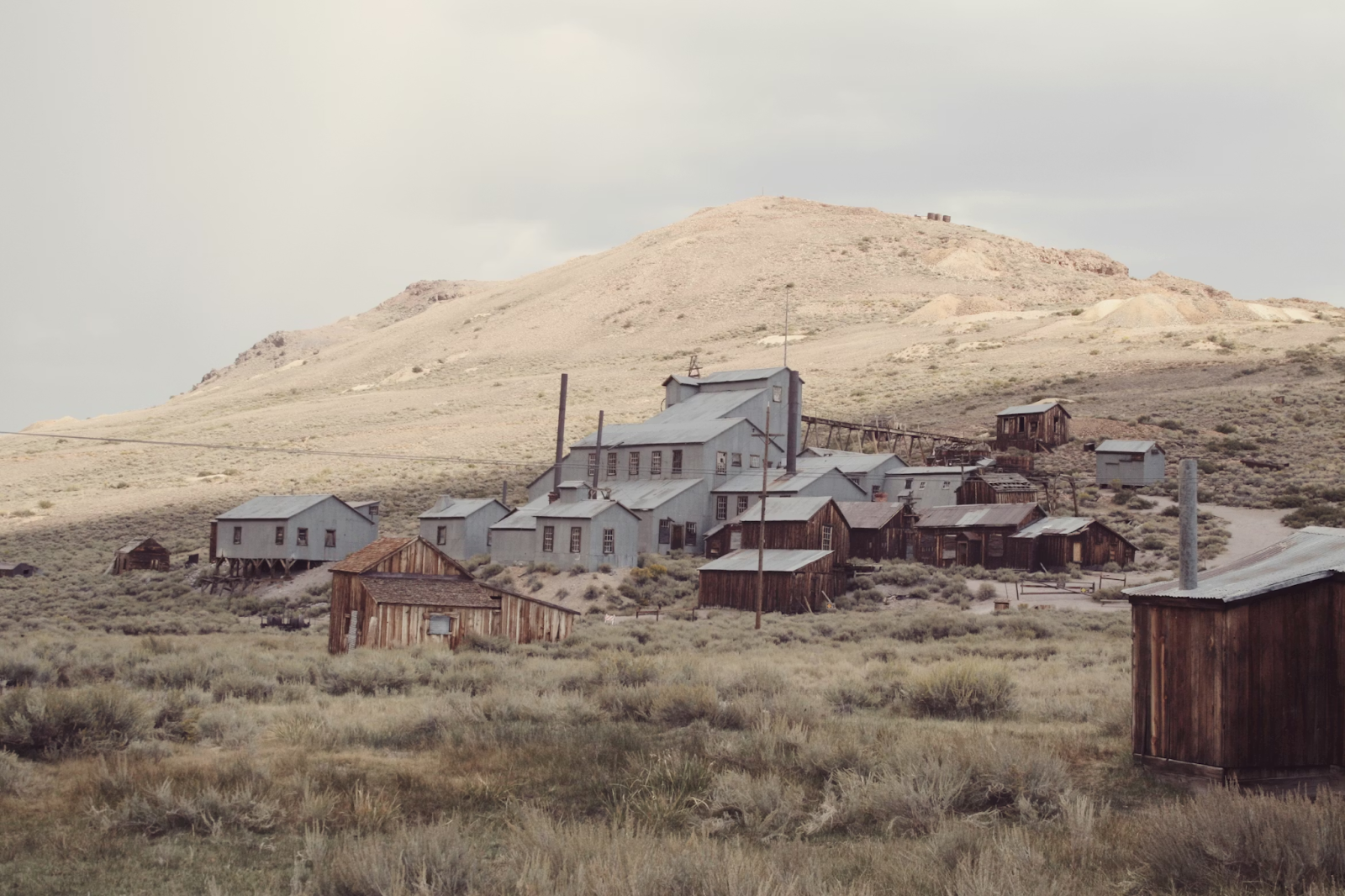
Gilman, Colorado, stands as one of the most haunting reminders of the mining boom-and-bust cycle that defined much of Colorado's industrial history. Perched precariously on a 600-foot cliff overlooking the Eagle River at an elevation of 8,950 feet, this abandoned mining town tells a story that goes far beyond rusted buildings and broken windows.
In 1984, the Environmental Protection Agency issued a specific order that changed everything. The evacuation happened abruptly. Residents packed up their lives and left behind modest homes that could easily pass for structures in any modern suburban neighborhood. The town froze in time, but not by choice. The forced exodus was driven by contamination so severe that staying became impossible.
Where Gilman Is Located in Colorado
Finding Gilman on a map is easy. Getting inside is another story entirely.
The town occupies a dramatic position in Eagle County, roughly 12 miles southeast of Avon. It clings to the flank of Battle Mountain, situated along the route between Grand Junction and Denver. Drive along U.S. Highway 24, and the remnants become visible from the road. That visibility is both a blessing and a curse because it tempts people to try getting closer.
Geographic Details:
County: Eagle County
Proximity: 12 miles southeast of Avon, Colorado
Landmark: Flank of Battle Mountain
Visibility: Visible from U.S. Highway 24
The location itself commands attention. From Highway 24, Gilman presents a striking silhouette against Battle Mountain's slopes. The dramatic clifftop setting would earn it a spot among Colorado's most beautiful places if not for the contamination that makes it forbidden. Up close, though, the scenic beauty gives way to something far more sobering.
How Gilman Began as a Mining Community
The story starts with Judge D.D. Belden, who discovered the Belden Mine in May 1879. Think about that timing. The American West was still being mapped. Fortunes were being made overnight. And here was Belden, stumbling onto what would become a major mineral deposit in the Colorado wilderness.
By 1886, during the height of the Colorado Silver Boom, the town was officially founded under the name Clinton. The silver rush brought people flooding in. Within just over a decade, by 1899, the community had grown to support approximately 300 residents. That might not sound like much by modern standards, but for a remote mountain settlement in the late 1800s, it was thriving.
Infrastructure followed the population. The Gilman Enterprise newspaper started publishing, documenting the daily lives and fortunes of the townspeople. Schools opened. Businesses sprouted. The town became self-contained, shaped entirely by the demands and rhythms of the mining industry that gave it life. Everything revolved around what came out of those mines.
The Zinc Mining Operations That Shaped the Town
Silver might have started Gilman's story, but zinc wrote most of its chapters.
When the New Jersey Zinc Company arrived in 1912, they transformed Gilman's economic foundation. Zinc became the primary driver, the reason the town not only survived but expanded well into the 20th century. The operations eventually positioned Gilman as Colorado's center for lead and zinc production. The scale of extraction became industrial and comprehensive.
The mines pulled out more than just zinc and lead, though. Copper, silver, and gold also emerged from Battle Mountain's depths, demonstrating the remarkable mineral diversity of the site. For decades, these operations provided steady employment and kept families housed and fed. The mines seemed inexhaustible. They weren't.
Environmental Contamination and EPA Involvement
Here's where the story takes its darkest turn.
Every ton of ore extracted left behind waste. The environmental cost of those mining operations accumulated silently for decades. By the time anyone started measuring the damage, it was catastrophic. In 1986, the Environmental Protection Agency designated the entire site as a Superfund location due to extensive toxic pollutants and widespread groundwater contamination.
The numbers tell part of the story. Approximately 8 million tons of mining waste contributed to the designation. Eight. Million. Tons. Let that sink in for a moment.
Mine runoff consistently poisoned the town's groundwater with deadly toxins. The very water flowing beneath residents' homes became hazardous. Federal intervention became not just advisable but mandatory. The EPA doesn't hand out Superfund designations lightly. When they do, it means the contamination poses serious, immediate risks to human health. Gilman qualified without question.
Why Gilman Was Abandoned
The environmental findings didn't leave room for negotiation.
Residents received eviction notices in 1984 due to the EPA mandate concerning unsafe living conditions. Battle Mountain Corporation, which owned much of the property by then, evicted the remaining residents. The post office closed its doors for the final time in 1985, marking the official end of Gilman as a functioning community.
People left quickly. Personal belongings stayed behind. Furniture remained in houses. The departure was so abrupt that Gilman became a snapshot of mid-1980s life, preserved in decay. The town stands as a cautionary tale about the consequences of unregulated industry and the human cost of prioritizing profit over environmental protection. Gilman's residents didn't choose to leave. They were forced out by contamination their employers created.
Current Ownership and Access Restrictions
Let's be absolutely clear about this: Gilman is private property, and trespassing is illegal.
The entire town remains strictly off-limits to the public. Security patrols the area. Fences block access points. Signs warn would-be explorers that entry is prohibited. Despite the restrictions, the site has attracted commercial interest over the years. In 2007, The Ginn Company proposed plans to develop a private ski resort on the property, demonstrating that even a contaminated Superfund site can hold value in the right context.
For those curious about Gilman, there's exactly one legal option: stop at the highway pull-off on Highway 24 and view the ruins from a distance. That's it. Bring binoculars if needed, but do not attempt to enter. Colorado has plenty of hidden gems worth discovering, where exploration is both legal and safe. Gilman isn't one of them.
⚠️ WARNING: TRESPASSING IS ILLEGAL AND DANGEROUS
Entering the Gilman site is strictly prohibited due to private ownership and severe environmental hazards. Violators face legal consequences including fines and arrest. The area contains toxic substances that pose immediate health risks. The structures are unstable and present fall hazards, collapsing floors, and sharp debris. Do not attempt to enter under any circumstances.
Photo by Johannes Beilharz on Unsplash
What Remains of Gilman Today
Time and weather have not been kind to Gilman's structures.
The ground throughout the townsite is carpeted with broken glass and rusty nails, creating hazards with every step. Many floors in the abandoned buildings are rotting through or rusting away entirely, creating sudden drop-offs into darkness below. These aren't sturdy old buildings weathering gracefully. They're disintegrating death traps.
Modern human interference has added another layer to the site's complex legacy. Young trespassers have tagged old walls with graffiti, marking territory in a town where no one should be. The vandalism serves as evidence that despite the warnings, despite the fences, people still risk entry. They shouldn't. The dangers are real, not exaggerated.
Gilman today is a dangerous testament to urban decay and environmental negligence. The site is contaminated, crumbling, and off-limits for excellent reasons.
Common Myths and Misconceptions About Gilman
Many people think of Gilman as an ancient ghost town from the Old West era. The reality is different.
Gilman is better described as a "modern ghost town." People lived here in the 1980s. They had electricity, running water, and television. The town operated during the space age, not the stagecoach era. Understanding this distinction matters because it emphasizes how recent the industrial contamination really is.
Cleanup of the Superfund site concluded in 2000, but that doesn't mean the area is safe or accessible. The land remains private property, and the industrial reality of what happened here overshadows any mythical past. This isn't Deadwood or Tombstone. This is a 20th-century industrial site where people lived, worked, and were eventually forced to flee due to contamination.
The town's legacy deserves to be understood accurately, not romanticized into something it never was.
Plan Your Colorado Adventures Responsibly
Gilman's story reminds us that not every abandoned place is meant to be explored. Colorado welcomes visitors to spectacular national parks and countless other destinations where stunning landscapes meet legal access and genuine safety. Choose those places instead.
If Gilman fascinates you, learn about it from a distance. Research its history. Read accounts from former residents. Study the environmental impact and the lessons it teaches about industrial responsibility. Respect the boundaries that exist for your safety and the property rights of others.
Colorado offers countless opportunities for adventure and exploration. Make sure your adventures don't put you in legal jeopardy or physical danger. Visit the places that want you there, and leave the restricted sites alone. Gilman will continue standing on its cliff, a visible reminder of what happens when industry proceeds without accountability. Let that be enough.
Want a ghost town you can actually visit? Check out Ashcroft Ghost Town.
Gilman, Colorado, stands as one of the most haunting reminders of the mining boom-and-bust cycle that defined much of Colorado‘s industrial history. Perched precariously on a 600-foot cliff overlooking the Eagle River at an elevation of 8,950 feet, this abandoned mining town tells a story that goes far beyond rusted buildings and broken windows.
In 1984, the Environmental Protection Agency issued a specific order that changed everything. The evacuation happened abruptly. Residents packed up their lives and left behind modest homes that could easily pass for structures in any modern suburban neighborhood. The town froze in time, but not by choice. The forced exodus was driven by contamination so severe that staying became impossible.
Where Gilman Is Located in Colorado
Finding Gilman on a map is easy. Getting inside is another story entirely.
The town occupies a dramatic position in Eagle County, roughly 12 miles southeast of Avon. It clings to the flank of Battle Mountain, situated along the route between Grand Junction and Denver. Drive along U.S. Highway 24, and the remnants become visible from the road. That visibility is both a blessing and a curse because it tempts people to try getting closer.
Geographic Details:
- County: Eagle County
- Proximity: 12 miles southeast of Avon, Colorado
- Landmark: Flank of Battle Mountain
- Visibility: Visible from U.S. Highway 24
The location itself commands attention. From Highway 24, Gilman presents a striking silhouette against Battle Mountain’s slopes. The dramatic clifftop setting would earn it a spot among Colorado’s most beautiful places if not for the contamination that makes it forbidden. Up close, though, the scenic beauty gives way to something far more sobering.
How Gilman Began as a Mining Community
The story starts with Judge D.D. Belden, who discovered the Belden Mine in May 1879. Think about that timing. The American West was still being mapped. Fortunes were being made overnight. And here was Belden, stumbling onto what would become a major mineral deposit in the Colorado wilderness.
By 1886, during the height of the Colorado Silver Boom, the town was officially founded under the name Clinton. The silver rush brought people flooding in. Within just over a decade, by 1899, the community had grown to support approximately 300 residents. That might not sound like much by modern standards, but for a remote mountain settlement in the late 1800s, it was thriving.
Infrastructure followed the population. The Gilman Enterprise newspaper started publishing, documenting the daily lives and fortunes of the townspeople. Schools opened. Businesses sprouted. The town became self-contained, shaped entirely by the demands and rhythms of the mining industry that gave it life. Everything revolved around what came out of those mines.
The Zinc Mining Operations That Shaped the Town
Silver might have started Gilman’s story, but zinc wrote most of its chapters.
When the New Jersey Zinc Company arrived in 1912, they transformed Gilman’s economic foundation. Zinc became the primary driver, the reason the town not only survived but expanded well into the 20th century. The operations eventually positioned Gilman as Colorado’s center for lead and zinc production. The scale of extraction became industrial and comprehensive.
The mines pulled out more than just zinc and lead, though. Copper, silver, and gold also emerged from Battle Mountain’s depths, demonstrating the remarkable mineral diversity of the site. For decades, these operations provided steady employment and kept families housed and fed. The mines seemed inexhaustible. They weren’t.
Environmental Contamination and EPA Involvement
Here’s where the story takes its darkest turn.
Every ton of ore extracted left behind waste. The environmental cost of those mining operations accumulated silently for decades. By the time anyone started measuring the damage, it was catastrophic. In 1986, the Environmental Protection Agency designated the entire site as a Superfund location due to extensive toxic pollutants and widespread groundwater contamination.
The numbers tell part of the story. Approximately 8 million tons of mining waste contributed to the designation. Eight. Million. Tons. Let that sink in for a moment.
Mine runoff consistently poisoned the town’s groundwater with deadly toxins. The very water flowing beneath residents’ homes became hazardous. Federal intervention became not just advisable but mandatory. The EPA doesn’t hand out Superfund designations lightly. When they do, it means the contamination poses serious, immediate risks to human health. Gilman qualified without question.
Why Gilman Was Abandoned
The environmental findings didn’t leave room for negotiation.
Residents received eviction notices in 1984 due to the EPA mandate concerning unsafe living conditions. Battle Mountain Corporation, which owned much of the property by then, evicted the remaining residents. The post office closed its doors for the final time in 1985, marking the official end of Gilman as a functioning community.
People left quickly. Personal belongings stayed behind. Furniture remained in houses. The departure was so abrupt that Gilman became a snapshot of mid-1980s life, preserved in decay. The town stands as a cautionary tale about the consequences of unregulated industry and the human cost of prioritizing profit over environmental protection. Gilman’s residents didn’t choose to leave. They were forced out by contamination their employers created.
Current Ownership and Access Restrictions
Let’s be absolutely clear about this: Gilman is private property, and trespassing is illegal.
The entire town remains strictly off-limits to the public. Security patrols the area. Fences block access points. Signs warn would-be explorers that entry is prohibited. Despite the restrictions, the site has attracted commercial interest over the years. In 2007, The Ginn Company proposed plans to develop a private ski resort on the property, demonstrating that even a contaminated Superfund site can hold value in the right context.
For those curious about Gilman, there’s exactly one legal option: stop at the highway pull-off on Highway 24 and view the ruins from a distance. That’s it. Bring binoculars if needed, but do not attempt to enter. Colorado has plenty of hidden gems worth discovering, where exploration is both legal and safe. Gilman isn’t one of them.
⚠️ WARNING: TRESPASSING IS ILLEGAL AND DANGEROUS
Entering the Gilman site is strictly prohibited due to private ownership and severe environmental hazards. Violators face legal consequences including fines and arrest. The area contains toxic substances that pose immediate health risks. The structures are unstable and present fall hazards, collapsing floors, and sharp debris. Do not attempt to enter under any circumstances.
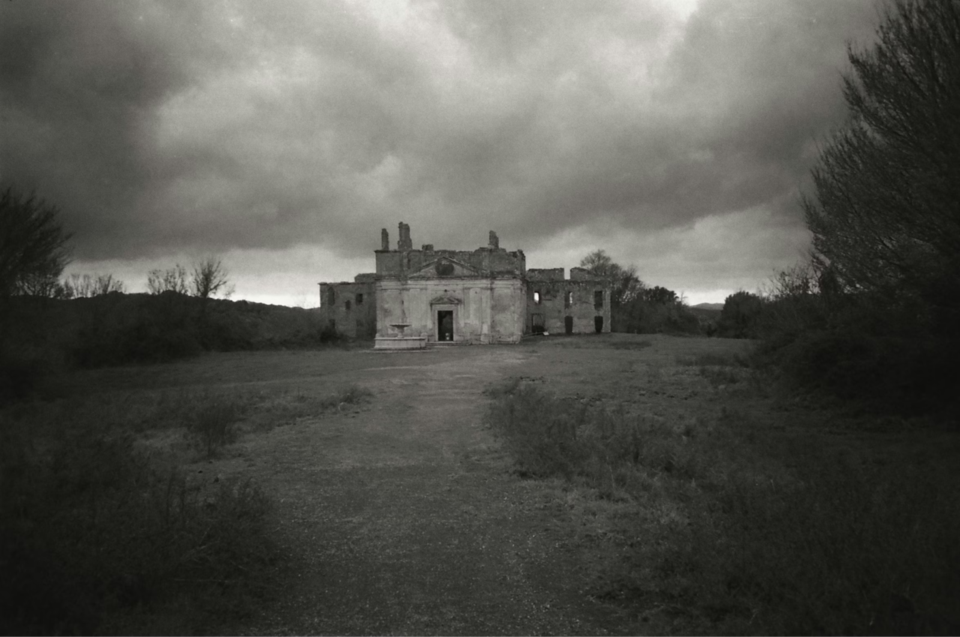
Photo by Johannes Beilharz on Unsplash
What Remains of Gilman Today
Time and weather have not been kind to Gilman’s structures.
The ground throughout the townsite is carpeted with broken glass and rusty nails, creating hazards with every step. Many floors in the abandoned buildings are rotting through or rusting away entirely, creating sudden drop-offs into darkness below. These aren’t sturdy old buildings weathering gracefully. They’re disintegrating death traps.
Modern human interference has added another layer to the site’s complex legacy. Young trespassers have tagged old walls with graffiti, marking territory in a town where no one should be. The vandalism serves as evidence that despite the warnings, despite the fences, people still risk entry. They shouldn’t. The dangers are real, not exaggerated.
Gilman today is a dangerous testament to urban decay and environmental negligence. The site is contaminated, crumbling, and off-limits for excellent reasons.
Common Myths and Misconceptions About Gilman
Many people think of Gilman as an ancient ghost town from the Old West era. The reality is different.
Gilman is better described as a “modern ghost town.” People lived here in the 1980s. They had electricity, running water, and television. The town operated during the space age, not the stagecoach era. Understanding this distinction matters because it emphasizes how recent the industrial contamination really is.
Cleanup of the Superfund site concluded in 2000, but that doesn’t mean the area is safe or accessible. The land remains private property, and the industrial reality of what happened here overshadows any mythical past. This isn’t Deadwood or Tombstone. This is a 20th-century industrial site where people lived, worked, and were eventually forced to flee due to contamination.
The town’s legacy deserves to be understood accurately, not romanticized into something it never was.
Plan Your Colorado Adventures Responsibly
Gilman’s story reminds us that not every abandoned place is meant to be explored. Colorado welcomes visitors to spectacular national parks and countless other destinations where stunning landscapes meet legal access and genuine safety. Choose those places instead.
If Gilman fascinates you, learn about it from a distance. Research its history. Read accounts from former residents. Study the environmental impact and the lessons it teaches about industrial responsibility. Respect the boundaries that exist for your safety and the property rights of others.
Colorado offers countless opportunities for adventure and exploration. Make sure your adventures don’t put you in legal jeopardy or physical danger. Visit the places that want you there, and leave the restricted sites alone. Gilman will continue standing on its cliff, a visible reminder of what happens when industry proceeds without accountability. Let that be enough.
Want a ghost town you can actually visit? Check out Ashcroft Ghost Town.