Longmont has no shortage of parks, but Golden Ponds Nature Area occupies a different category entirely.
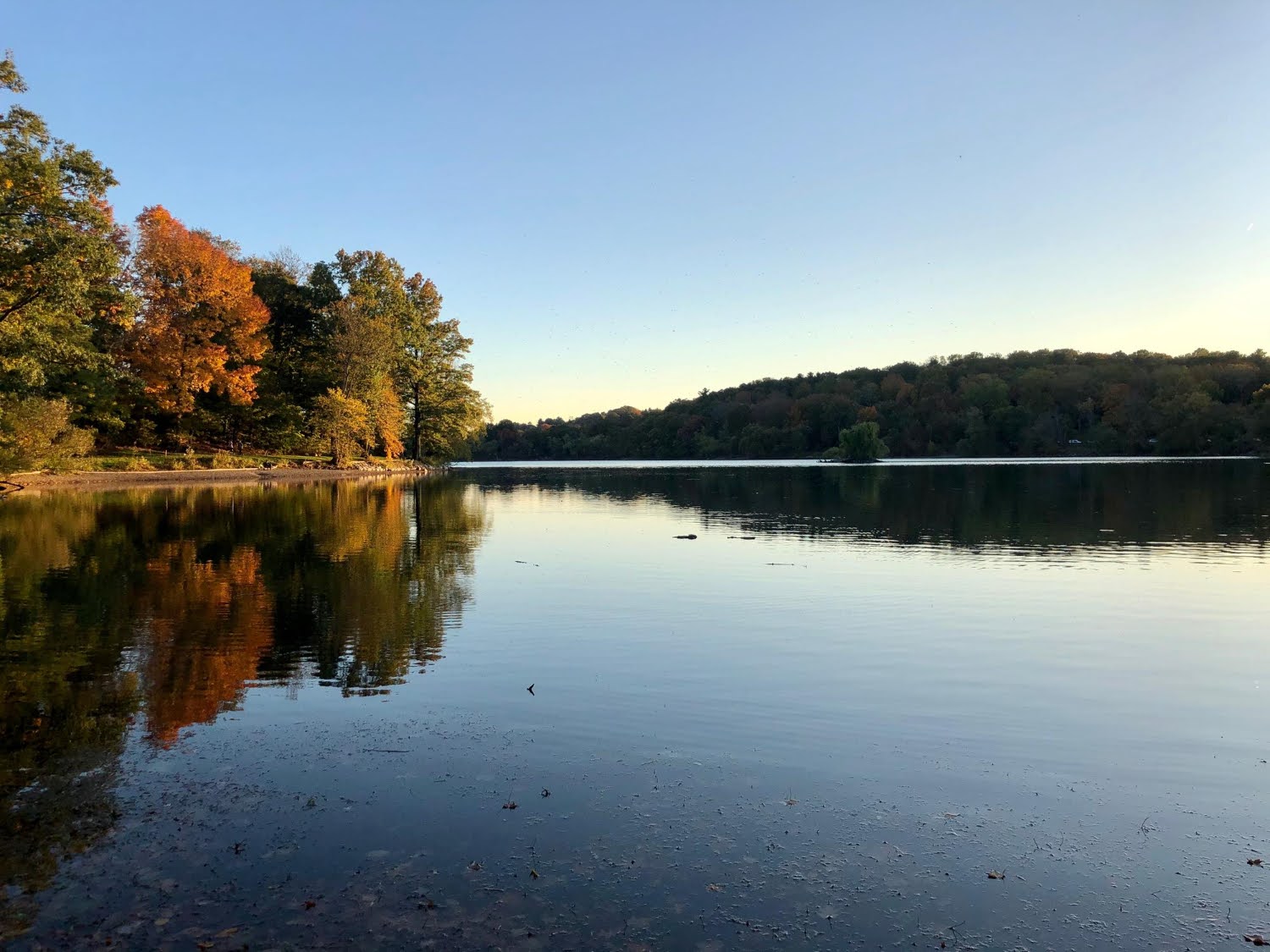
Longmont has no shortage of parks, but Golden Ponds Nature Area occupies a different category entirely. This 88-acre preserve at the western edge of the city feels removed from urban life in a way that manicured neighborhood parks simply cannot replicate. Four ponds spanning 56 acres of water surface, 2.6 miles of accessible trails, and wildlife that ranges from bald eagles to ospreys make it one of the Front Range's quieter treasures.
The park sits at 2651 3rd Ave, where the St. Vrain Greenway begins its westward reach. You can arrive in minutes from most parts of Longmont, yet once you're walking the gravel paths with Longs Peak framed against the sky, the city feels surprisingly distant.
How a Gravel Pit Became a Nature Area
Golden Ponds didn't always look like this. Before the trails and stocked fishing ponds, this land served as an industrial gravel mining operation run by Vernon Golden and his family. The mining eventually concluded, leaving behind excavated pits and disturbed earth.
The V.V. Golden Foundation chose to donate the property to the City of Longmont rather than sell it for development. That decision transformed what could have become another commercial lot into permanent public green space. The city converted the old mining pits into the four interconnected ponds that now define the area, and Golden Ponds Nature Area officially opened in 1990.
A bronze sculpture along the path just west of the parking area commemorates this history. It depicts "Vern" helping a small boy fish, a quiet tribute to the family whose generosity made the park possible.
The 2013 Flood and What Came After
The severe flooding that struck Longmont in 2013 hit Golden Ponds hard. Water surged through the area, damaging trails, infrastructure, and the carefully restored landscape that had developed over two decades.
The restoration effort that followed took years to complete. Workers repaired trails, rebuilt amenities, and improved accessibility features throughout the park. The replacement of the easternmost pond's spillway wrapped up in 2018, marking one of the final major projects.
The park that emerged from this process is even better than it was before, with improved accessibility and more resilient infrastructure.
What to Do at Golden Ponds: A Complete Activity Guide
Photo by EyeEm on Freepik
Golden Ponds excels at offering accessible outdoor experiences. Unlike destinations that require athletic ability or expensive equipment, this park welcomes everyone from serious anglers to families with young children to visitors simply seeking a peaceful walk.
The following activities represent the best of what Golden Ponds has to offer. Each provides a different way to experience this urban nature area.
Explore Miles of Accessible Trails
The 2.6-mile trail network winds between the four ponds, along sections of St. Vrain Creek, and past a small waterfall. The mostly gravel surface stays relatively flat with minimal elevation gain, making it manageable for visitors of varying fitness levels.
What distinguishes these trails is their accessibility. The entire 2.6-mile network is handicap accessible, a feature that expanded during the post-flood restoration. Wheelchairs, strollers, and mobility devices can navigate the full loop rather than being limited to a token accessible section near the parking lot.
The park also functions as the western trailhead for the St. Vrain Greenway. If 2.6 miles isn't enough, you can continue east along the greenway for a longer outing.
Cast a Line in Stocked Waters
Photo by Hryshchyshen on Freepik
The four ponds are regularly stocked with bass and perch, creating legitimate fishing opportunities without leaving city limits. You don't need a boat or specialized gear to have a productive outing here. While these ponds aren't among the best lakes for swimming in Colorado, they offer something equally valuable for anglers and wildlife watchers.
An ADA-accessible fishing pier extends over the water, ensuring anglers with mobility limitations can fish from a proper platform rather than navigating uneven shoreline. For those who want to get on the water, belly boats are the only watercraft permitted on the ponds.
The bronze Vern sculpture near the parking lot depicts exactly this kind of experience: an older figure helping a young person learn to fish. It's a fitting image for a park where families regularly introduce children to the basics of casting and patience.
Discover Remarkable Bird Diversity
Photo by EyeEm on Freepik
The combination of open water, shoreline vegetation, and mature trees draws an impressive variety of birds to Golden Ponds. You don't need specialized knowledge or expensive optics to enjoy watching them, though binoculars certainly help.
Great blue herons are among the most visible residents, often standing motionless at the water's edge or stalking slowly through the shallows. Cormorants dry their wings on exposed branches.
Pelicans appear regularly, their size and distinctive bills making them impossible to miss. Bald eagles visit the area as well, sometimes perching in trees overlooking the ponds.
The waterfowl population shifts with the seasons. Canada geese and mallard ducks maintain a year-round presence, but winter brings additional duck species to the ponds. Spring transforms the skies above the water when all six of Colorado's swallow species arrive in late April and May, swarming over the surface to feed on insects. Summer brings ospreys that actively fish the ponds, diving dramatically to snatch prey from the water.
Wildlife sightings tend to be more common near dawn and dusk, when animals are active, and fewer visitors are present. An early morning walk offers your best chance of catching herons hunting or eagles surveying the water from their perches.
Amenities
Golden Ponds provides the infrastructure for comfortable extended visits. Nine picnic shelters are scattered throughout the park, offering shaded spots for lunch or simply a place to rest. Two restrooms serve visitors.
The views deserve mention as well. Longs Peak and the Front Range mountains are visible from various points in the park, providing a dramatic backdrop that rivals some of the most beautiful places in Colorado.
Planning Your Trip to Golden Ponds
To help you plan your perfect outing to Golden Ponds, here are a few essential tips:
Hours: The park welcomes visitors year-round, operating from one hour before sunrise to one hour after sunset, allowing ample time for exploration.
Admission: Enjoy free entrance to the park, making it an accessible option for everyone in our town to visit.
Parking: A large paved parking lot is available at the trailhead, ensuring convenient access for all visitors arriving by car.
Wildlife Viewing: Plan your visit around dawn or dusk, as wildlife sightings are more common during these quieter hours, avoiding the times the park can be busy.
Pet Policy: Dogs are welcome in the nature area but must be kept on a leash, ensuring a safe and enjoyable experience for all visitors.
Camping: Please note that camping is not permitted within the park grounds, preserving the natural habitat for daily use.
Directions: From I-25, exit west on CO 119/Firestone Blvd. to easily find the park's parking lot at the end of 3rd Avenue after turning from Hover St.
Golden Ponds proves you don't need to drive into the mountains for a genuine nature experience. What started as a gravel pit has become one of Longmont's most valuable public spaces, a place where families fish, eagles hunt, and the Front Range rises in the distance. If you're looking for more things to do in Longmont, this park belongs at the top of your list.
So pack a lunch, leash up the dog, and see for yourself what 88 acres of restored wetland has to offer.
Longmont has no shortage of parks, but Golden Ponds Nature Area occupies a different category entirely. This 88-acre preserve at the western edge of the city feels removed from urban life in a way that manicured neighborhood parks simply cannot replicate. Four ponds spanning 56 acres of water surface, 2.6 miles of accessible trails, and wildlife that ranges from bald eagles to ospreys make it one of the Front Range’s quieter treasures.
The park sits at 2651 3rd Ave, where the St. Vrain Greenway begins its westward reach. You can arrive in minutes from most parts of Longmont, yet once you’re walking the gravel paths with Longs Peak framed against the sky, the city feels surprisingly distant.
How a Gravel Pit Became a Nature Area
Golden Ponds didn’t always look like this. Before the trails and stocked fishing ponds, this land served as an industrial gravel mining operation run by Vernon Golden and his family. The mining eventually concluded, leaving behind excavated pits and disturbed earth.
The V.V. Golden Foundation chose to donate the property to the City of Longmont rather than sell it for development. That decision transformed what could have become another commercial lot into permanent public green space. The city converted the old mining pits into the four interconnected ponds that now define the area, and Golden Ponds Nature Area officially opened in 1990.
A bronze sculpture along the path just west of the parking area commemorates this history. It depicts “Vern” helping a small boy fish, a quiet tribute to the family whose generosity made the park possible.
The 2013 Flood and What Came After
The severe flooding that struck Longmont in 2013 hit Golden Ponds hard. Water surged through the area, damaging trails, infrastructure, and the carefully restored landscape that had developed over two decades.
The restoration effort that followed took years to complete. Workers repaired trails, rebuilt amenities, and improved accessibility features throughout the park. The replacement of the easternmost pond’s spillway wrapped up in 2018, marking one of the final major projects.
The park that emerged from this process is even better than it was before, with improved accessibility and more resilient infrastructure.
What to Do at Golden Ponds: A Complete Activity Guide
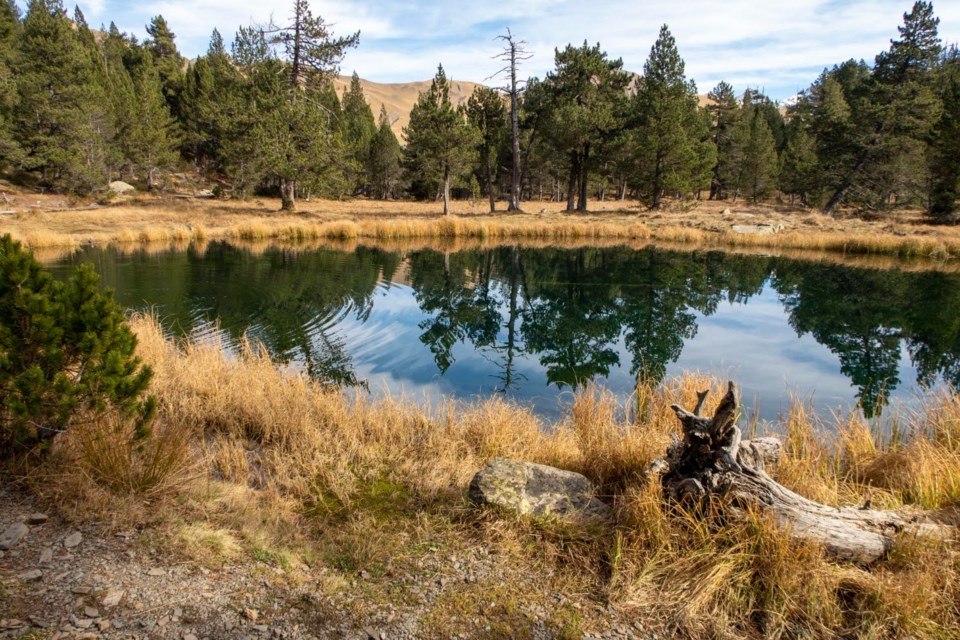
Photo by EyeEm on Freepik
Golden Ponds excels at offering accessible outdoor experiences. Unlike destinations that require athletic ability or expensive equipment, this park welcomes everyone from serious anglers to families with young children to visitors simply seeking a peaceful walk.
The following activities represent the best of what Golden Ponds has to offer. Each provides a different way to experience this urban nature area.
Explore Miles of Accessible Trails
The 2.6-mile trail network winds between the four ponds, along sections of St. Vrain Creek, and past a small waterfall. The mostly gravel surface stays relatively flat with minimal elevation gain, making it manageable for visitors of varying fitness levels.
What distinguishes these trails is their accessibility. The entire 2.6-mile network is handicap accessible, a feature that expanded during the post-flood restoration. Wheelchairs, strollers, and mobility devices can navigate the full loop rather than being limited to a token accessible section near the parking lot.
The park also functions as the western trailhead for the St. Vrain Greenway. If 2.6 miles isn’t enough, you can continue east along the greenway for a longer outing.
Cast a Line in Stocked Waters
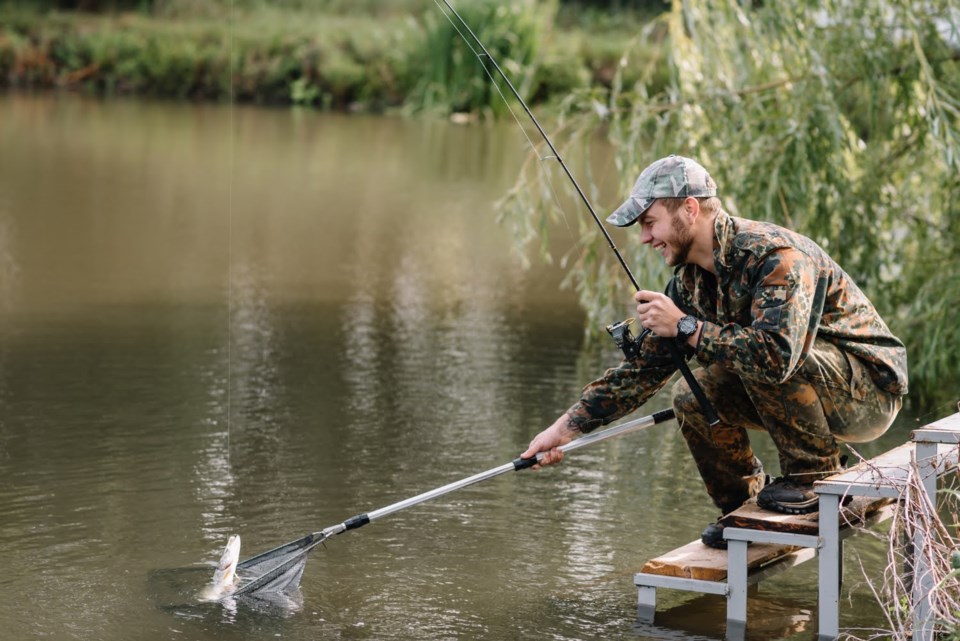
Photo by Hryshchyshen on Freepik
The four ponds are regularly stocked with bass and perch, creating legitimate fishing opportunities without leaving city limits. You don’t need a boat or specialized gear to have a productive outing here. While these ponds aren’t among the best lakes for swimming in Colorado, they offer something equally valuable for anglers and wildlife watchers.
An ADA-accessible fishing pier extends over the water, ensuring anglers with mobility limitations can fish from a proper platform rather than navigating uneven shoreline. For those who want to get on the water, belly boats are the only watercraft permitted on the ponds.
The bronze Vern sculpture near the parking lot depicts exactly this kind of experience: an older figure helping a young person learn to fish. It’s a fitting image for a park where families regularly introduce children to the basics of casting and patience.
Discover Remarkable Bird Diversity
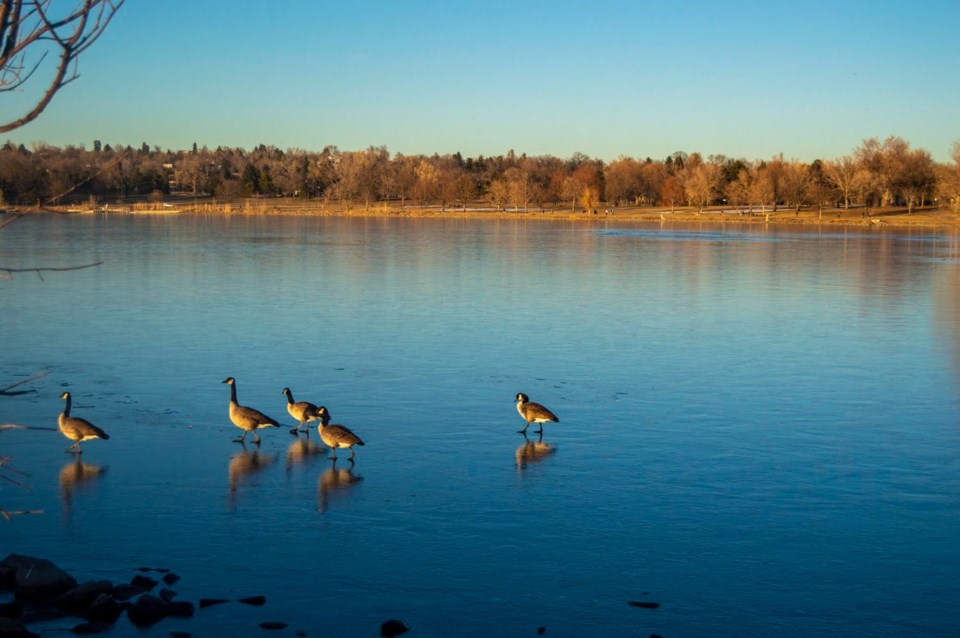
Photo by EyeEm on Freepik
The combination of open water, shoreline vegetation, and mature trees draws an impressive variety of birds to Golden Ponds. You don’t need specialized knowledge or expensive optics to enjoy watching them, though binoculars certainly help.
Great blue herons are among the most visible residents, often standing motionless at the water’s edge or stalking slowly through the shallows. Cormorants dry their wings on exposed branches.
Pelicans appear regularly, their size and distinctive bills making them impossible to miss. Bald eagles visit the area as well, sometimes perching in trees overlooking the ponds.
The waterfowl population shifts with the seasons. Canada geese and mallard ducks maintain a year-round presence, but winter brings additional duck species to the ponds. Spring transforms the skies above the water when all six of Colorado’s swallow species arrive in late April and May, swarming over the surface to feed on insects. Summer brings ospreys that actively fish the ponds, diving dramatically to snatch prey from the water.
Wildlife sightings tend to be more common near dawn and dusk, when animals are active, and fewer visitors are present. An early morning walk offers your best chance of catching herons hunting or eagles surveying the water from their perches.
Amenities
Golden Ponds provides the infrastructure for comfortable extended visits. Nine picnic shelters are scattered throughout the park, offering shaded spots for lunch or simply a place to rest. Two restrooms serve visitors.
The views deserve mention as well. Longs Peak and the Front Range mountains are visible from various points in the park, providing a dramatic backdrop that rivals some of the most beautiful places in Colorado.
Planning Your Trip to Golden Ponds
To help you plan your perfect outing to Golden Ponds, here are a few essential tips:
- Hours: The park welcomes visitors year-round, operating from one hour before sunrise to one hour after sunset, allowing ample time for exploration.
- Admission: Enjoy free entrance to the park, making it an accessible option for everyone in our town to visit.
- Parking: A large paved parking lot is available at the trailhead, ensuring convenient access for all visitors arriving by car.
- Wildlife Viewing: Plan your visit around dawn or dusk, as wildlife sightings are more common during these quieter hours, avoiding the times the park can be busy.
- Pet Policy: Dogs are welcome in the nature area but must be kept on a leash, ensuring a safe and enjoyable experience for all visitors.
- Camping: Please note that camping is not permitted within the park grounds, preserving the natural habitat for daily use.
- Directions: From I-25, exit west on CO 119/Firestone Blvd. to easily find the park’s parking lot at the end of 3rd Avenue after turning from Hover St.
Golden Ponds proves you don’t need to drive into the mountains for a genuine nature experience. What started as a gravel pit has become one of Longmont’s most valuable public spaces, a place where families fish, eagles hunt, and the Front Range rises in the distance. If you’re looking for more things to do in Longmont, this park belongs at the top of your list.
So pack a lunch, leash up the dog, and see for yourself what 88 acres of restored wetland has to offer.