When the Front Range starts to bake in July, the smartest move is, naturally, to drive uphill. Colorado’s mountain towns run 20 to 30°F cooler than Denver in the heart of summer, which turns a triple-digit afternoon on the plains into a sweater-optional evening at 9,000 feet. Adventure, relaxation, shopping, dining, live music: summertime in these towns delivers all of it without the lift lines or the cold.
This guide covers ten towns worth visiting, specifically in summer, chosen on four practical criteria: how easy each one is to reach, how much there is to do once the snow melts, how much genuine character the place holds, and how well it handles overnight guests.
Let’s get into it.
Why These Mountain Towns Shine in Summer
Wildflower season peaks late June through mid-July at elevation, and timing a trip around that window delivers the most dramatic landscapes Colorado has to offer. The warm months also fill the calendar with festivals built around music, food, art, and beer, the high-country answer to Denver’s marquee summer food festival down on the plains. Altitude does most of the cooling work: Breckenridge sits at 9,600 feet along Main Street, and that elevation keeps summer afternoons reliably mild, a pattern shared across nearly every town here.
There is one consistent watch-out worth stating up front. Severe afternoon thunderstorms are common above treeline from July into August, so the safe rhythm is simple: start any hike before mid-morning and be off exposed ridges by early afternoon. That single habit shapes how every trip on this list should be planned.
Longmont as Your Starting Line
Longmont makes a natural launch point for most of these destinations. Two of them, Nederland and Estes Park, sit close enough for a relaxed round trip in a single day, and both connect to the Peak-to-Peak National Scenic Byway, one of the prettiest stretches of pavement in the state. The longer-haul towns to the south and west take more planning, but even those start with the same drive out of town. Distances below are measured from Denver for easy comparison, with Longmont drive times noted where they matter most.
Estes Park — Gateway to Rocky Mountain National Park
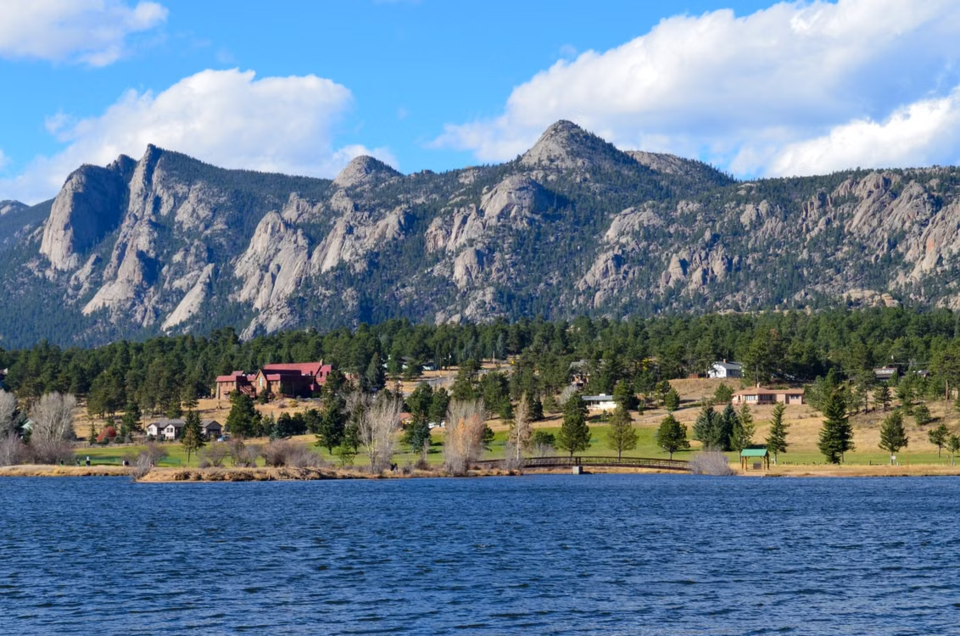
Photo by Andrew Patrick
Elevation: 7,522 ft · About 70 miles from Denver · 33 miles (45 minutes) from Longmont
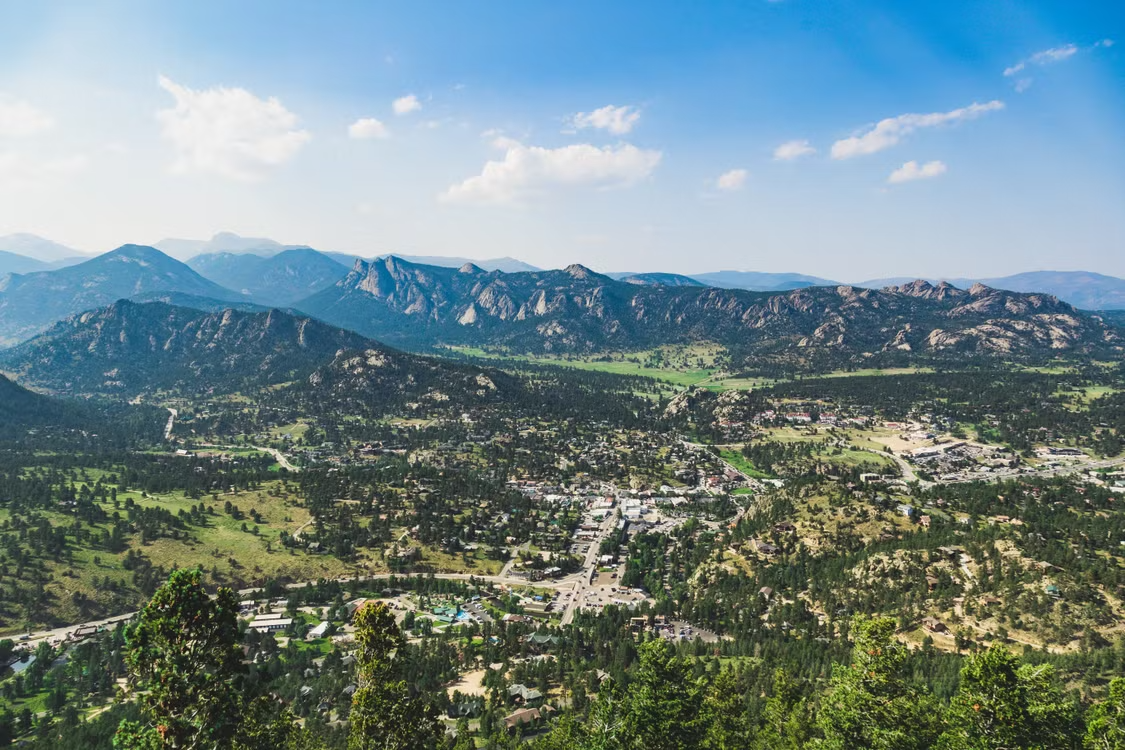
Estes Park is the quintessential Colorado mountain town, set right at the doorstep of Rocky Mountain National Park. Elk wander through downtown on their own schedule, creating the kind of traffic jam nobody minds. Summer is the park’s headline season: alpine trails open up, Trail Ridge Road climbs above the clouds, and long daylight makes early starts easy. The historic Stanley Hotel, the property that inspired Stephen King’s The Shining, adds a layer of cultural intrigue to an otherwise outdoorsy town.
Top summer things to do: hike to Bear Lake or Emerald Lake inside the national park, drive Trail Ridge Road for tundra views, walk the downtown Riverwalk along the Big Thompson, rent a kayak or paddleboard on Lake Estes, and watch for elk at dusk near the golf course.
Where to eat and drink: Bird & Jim serves modern mountain plates on Moraine Avenue, and Smokin’ Dave’s BBQ & Taphouse is the long-running local pick for ribs and a cold beer. Ed’s Cantina handles margaritas and riverside tacos.
Where to stay: options span budgets, from family cabins and the YMCA of the Rockies on the affordable end ($, with bunk-style and cabin rooms), to riverside motels and inns in the mid-range ($$), up to the landmark Stanley Hotel for a splurge ($$$).
One honest watch-out: summer and fall are the busiest seasons here, and Rocky Mountain National Park often uses a timed-entry reservation system during peak summer months. Check the latest requirements on recreation.gov before visiting.
Best for: families and first-time national park visitors.
Breckenridge — Most Walkable Ski Mountain Town in Summer
Elevation: 9,600 ft · About 85 miles from Denver · Roughly 2 hours from Longmont via I-70
Winter skiing made Breckenridge famous, and summer reveals its sunnier personality. The Victorian-era Main Street fills with flowers and patio diners, while the ski slopes convert into a network of mountain-biking trails that wind past wildflower meadows and abandoned mining structures. This former gold-mining camp has reinvented itself into one of the most visited resort towns in the country, and its compact, flat downtown makes it one of the easiest to explore on foot.
Top summer things to do: ride the free BreckConnect Gondola up to Peaks 7 and 8, mountain bike or hike the trails above town, float or paddle the Blue River, browse Main Street’s shops and galleries, and time a visit around the Independence Day celebration or the Breckenridge Beer Festival.
Where to eat and drink: Hearthstone Restaurant occupies a Victorian house and leans upscale, Breckenridge Brewery & Pub pours the hometown beer, and the Breckenridge Distillery offers whiskey tastings and tours.
Where to stay: The Bivvi Hostel covers the budget end with dorm and private rooms plus a hot tub ($), the Fireside Inn blends B&B charm with hostel pricing ($-$$), Beaver Run Resort suits families with pools and slope access ($$), and Gravity Haus brings a stylish, social vibe ($$-$$$).
One honest watch-out: Breckenridge is a workable day trip from Longmont, but the drive runs closer to two hours each way, and parking and crowds peak on summer weekends. An overnight lets you actually enjoy the place.
Best for: couples and history lovers who want walkable charm with festivals on tap.
Steamboat Springs — Rodeos, Rivers, and Hot Springs
Elevation: 6,732 ft · About 160 miles from Denver · Roughly 3 hours from Longmont
Steamboat Springs stands apart for something most visitors underestimate: its mountain-biking terrain ranks among the best in the state. The town also leans into water and Western culture all summer long, from Yampa River tubing to the genuinely photogenic Hot Air Balloon Rodeo and the Art in the Park festival. Strawberry Park Hot Springs and Fish Creek Falls anchor the two essential non-biking stops.
Top summer things to do: tube or raft the Yampa River through the heart of town, soak at Strawberry Park Hot Springs, hike to Fish Creek Falls, ride the gondola up Mount Werner, and try stand-up paddleboarding on the calmer river stretches and nearby reservoirs.
Where to eat and drink: Mahogany Ridge Brewery & Grill handles handcrafted beer and American plates downtown, Freshies is the go-to breakfast counter, and Aurum offers a more polished riverside dinner.
Where to stay: the family-owned Rabbit Ears Motel is a beloved budget pick across from Old Town Hot Springs ($), Strawberry Park rents rustic cabins and a converted train caboose for something memorable ($-$$), and the Steamboat Grand covers the upscale resort end ($$$).
One honest watch-out: this is an overnight, not a day trip. The drive from Denver runs close to three hours, and longer from Longmont.
Best for: families and cyclists who want river time and a soak at day’s end.
Telluride — Festivals and Box-Canyon Scenery
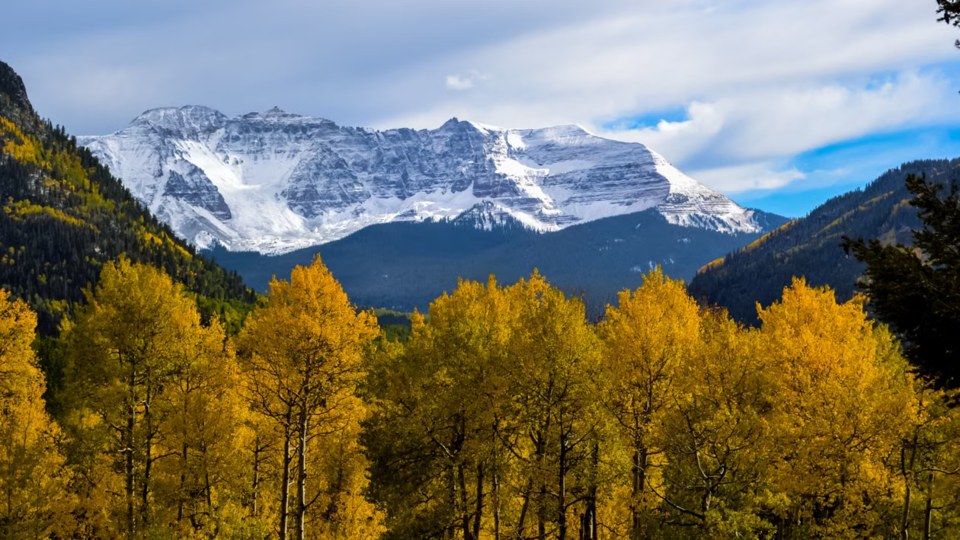
Photo by Terry Agar
Elevation: 8,750 ft · About 330 miles from Denver · Roughly 6 hours from the Front Range
Telluride sits at the end of Colorado Avenue, cradled by 13,000-foot peaks on three sides inside a box canyon so dramatic it looks rendered in 4K. Summer brings wildflower explosions and a festival calendar that punches far above the town’s size, including the Telluride Bluegrass Festival, the Wine Festival, and Blues & Brews. The famous free gondola connecting town to Mountain Village runs daily, and the surrounding area holds nearly 100 trails.
Top summer things to do: ride the free gondola for sunset views, hike to Bridal Veil Falls or along the Jud Wiebe Trail, catch a summer festival, explore the historic Main Street district, and mountain bike the alpine singletrack.
Where to eat and drink: Brown Dog Pizza has won championships in Italy for its Detroit-style pies and stays refreshingly affordable for the town, La Cocina de Luz serves organic Mexican near the gondola, and the historic 1895 bar inside the New Sheridan Hotel pours local beer with serious character.
Where to stay: tent camping in Telluride Town Park keeps costs down within walking distance of the action ($), the historic New Sheridan Hotel anchors Main Street ($$-$$$), and the European-style Lumière up in Mountain Village handles the high end ($$$).
One honest watch-out: this is one of the furthest destinations on the list. The six-hour drive demands a multi-night stay, so budget your time and lodging accordingly.
Best for: couples and festival-goers chasing scenery that justifies the miles.
Ouray — The Switzerland of Colorado
Elevation: 7,792 ft · About 310 miles from Denver · Roughly 5.5 to 6 hours from the Front Range
Ouray earns its nickname through geography rather than marketing. High rock walls rise on three-and-a-half sides of town, forming a natural amphitheater that frames every street view. With no ski resort to flatten its character, Ouray has kept its turn-of-the-century mining-town feel, and summer is the season to soak in its natural hot springs while taking in the scenery.
Top summer things to do: soak at the Ouray Hot Springs Pool, hike the Perimeter Trail that loops the whole town, walk to Box Canyon Falls, book a Yankee Boy Basin Jeep tour for high-country wildflowers, and browse the historic Main Street shops and galleries.
Where to eat and drink: Maggie’s Kitchen is the budget-friendly burger counter locals send you to, the rooftop at Ouray Brewery pours house beer over picnic-table views, and BrickHouse 737 is the town’s nicer night-out option.
Where to stay: the Ouray Riverside Resort and nearby campgrounds cover the value end ($-$$), Box Canyon Lodge & Hot Springs offers mid-range rooms with private soaking tubs ($$), and the grand 1886 Beaumont Hotel & Spa, which has hosted everyone from Theodore Roosevelt to Oprah Winfrey, is the historic splurge ($$$).
One honest watch-out: Ouray is reached via the Million Dollar Highway, a route with hairpin turns and stretches without guardrails. Nervous drivers should know that before committing to the road.
Best for: couples and Jeep-tour enthusiasts who want hot springs framed by jagged peaks.
Crested Butte — Wildflower Capital of Colorado
Elevation: 8,909 ft · About 230 miles from Denver · Roughly 4 hours from the Front Range
Crested Butte holds the title of “Wildflower Capital of Colorado,” and the surrounding meadows back it up during the peak July window. The National Trust for Historic Preservation named it one of its “Dozen Distinctive Destinations,” so the historic credibility matches the visual reputation. With a population around 1,500 and a remote setting south of Gunnison, it delivers a quieter experience than the Front Range towns, which is exactly the point.
Top summer things to do: arrive for the annual Wildflower Festival in July, photograph the meadows along Gothic Road and Schofield Pass, mountain bike the lift-served trails at Crested Butte Mountain Resort, raft Taylor Canyon between Gunnison and town, and stroll the colorful Victorian storefronts along Elk Avenue.
Where to eat and drink: the Secret Stash is the famous, fun pizza spot, Slogar serves skillet-fried chicken family-style in a historic building, McGill’s handles hearty breakfasts before a big day, and Soupçon covers intimate fine dining.
Where to stay: the eco-friendly Old Town Inn pairs budget rates with a hot tub and great breakfast ($-$$), the 1919-built Elk Mountain Lodge offers historic B&B charm two blocks off Elk Avenue ($$), and the Elevation Hotel & Spa near the lifts is the upscale, family-friendly choice ($$-$$$).
One honest watch-out: the remote location is the trade-off for the quiet. Plan two nights minimum, and note that a car is essential for moving between downtown and the mountain base.
Best for: photographers, hikers, and couples who want scenery without the crowds.
Salida — Whitewater and a Creative District
Elevation: About 7,000 ft · About 145 miles from Denver · Roughly 2.5 hours from Longmont
Salida sits along the Arkansas River with more than 300 days of sunshine a year, a stat that holds up against anything on the Front Range. Every June during spring runoff, the town hosts FIBArk (“First in Boating on the Arkansas”), America’s oldest whitewater festival, four days of river racing, live music, and mountain culture. Beyond the river, Salida holds Colorado’s largest National Historic District and was the state’s first Certified Colorado Creative District.
Top summer things to do: raft or kayak the Arkansas River through Browns Canyon, watch or enter the FIBArk races in June, walk the free self-guided First Friday Art Walks, soak at the nearby Salida Hot Springs, and wander the gallery-lined downtown.
Where to eat and drink: Amícas serves wood-fired pizza and house beer, Moonlight Pizza & Brewpub is another local favorite, and the Boathouse Cantina overlooks the river.
Where to stay: the warm, hiker-friendly Simple Lodge & Hostel covers budgets ($), the design-forward Amigo Motor Lodge offers renovated rooms and vintage Airstreams ($$), and the century-old Palace Hotel anchors downtown by the river ($$).
One honest watch-out: Salida is small, and many businesses close early. Plan dinner before things wind down, especially midweek.
Best for: rafters, art lovers, and budget travelers looking for an honest alternative to Aspen or Vail.
Silverton — Remote, Historic, Reached by Train
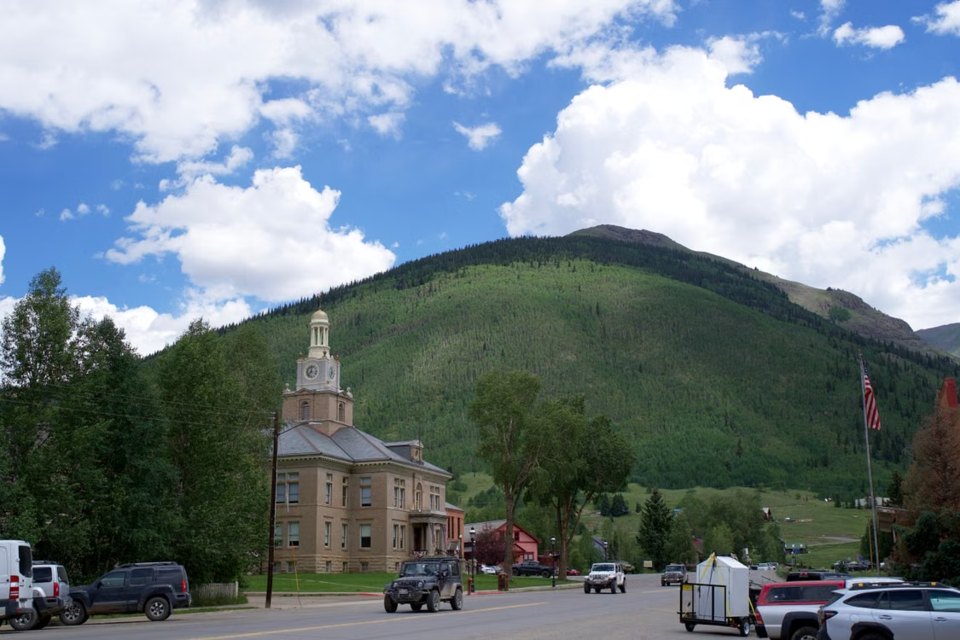
Photo by Strange Happenings
Elevation: 9,318 ft · About 340 miles from Denver · Roughly 6 hours from the Front Range
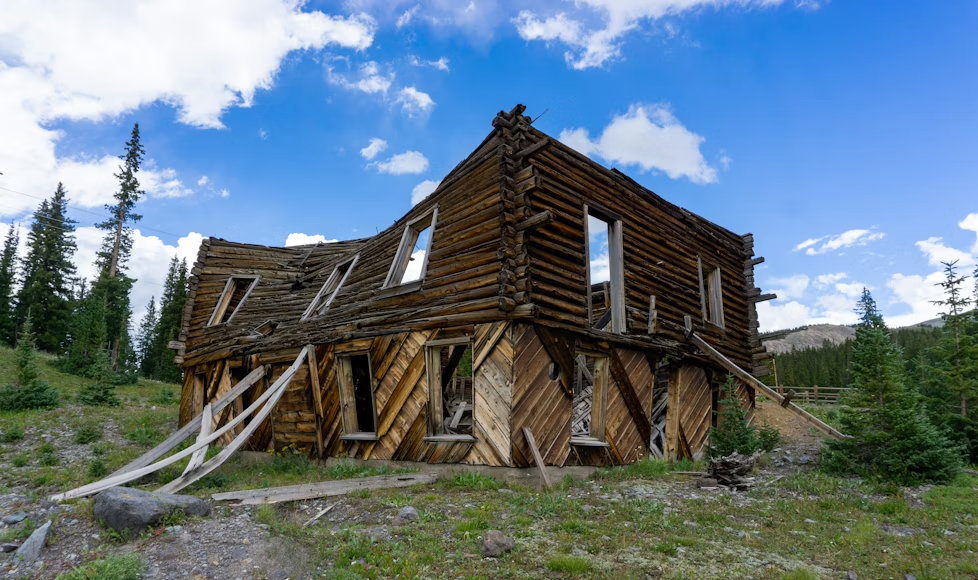
Silverton sits at 9,318 feet with fewer than 700 permanent residents, yet it carries serious Colorado history. The entire town sits on the National Register of Historic Places, and both the town and the Durango & Silverton Narrow Gauge Railroad became National Historic Landmarks in 1961. The coal-fired steam train pulls vintage cars through the Animas River Canyon along a route unchanged since 1882.
Top summer things to do: ride the Durango & Silverton Narrow Gauge Railroad, one of the most spectacular train trips in North America; drive the 4×4 Alpine Loop toward Lake City; hike near the seven 14ers within 15 miles of town; tour a historic mine; and catch a staged gunfight on Blair Street.
Where to eat and drink: Handlebars Food & Saloon serves family-friendly plates in a Wild West room, Golden Block Brewery pours pizza and house beer, and Avalanche Brewing Company names its beers after town history.
Where to stay: the Triangle Motel and Prospector Motel cover the value end ($-$$), the fully restored 1883 Grand Imperial Hotel offers Victorian rooms around $170 a night ($$), and the boutique-modern Wyman Hotel is the upscale pick ($$-$$$).
One honest watch-out: this is a multi-day destination. Limited services, a remote setting. Many visitors choose train-and-bus combo packages, though traditional round-trip train service is also available depending on the schedule. Book the train well ahead, since it sells out constantly.
Best for: history buffs, train fans, and 14er hikers willing to go the distance.
Aspen — Summer Culture Beyond the Ski Label
Elevation: 8,000 ft · About 220 miles from Denver · Roughly 3 to 3.5 hours via Independence Pass (Typically 4+ hours from the Front Range in summer traffic)
Aspen is home to four ski mountains, but the summer version surprises first-time visitors. The Maroon Bells nearby rank as the most photographed location in Colorado, and the cultural calendar gives the town intellectual weight beyond its luxury reputation, anchored by the Aspen Music Festival and the Aspen Ideas Festival.
Top summer things to do: shuttle to the Maroon Bells for that postcard view, hike to Crater Lake or up Aspen Mountain, catch a performance at the Aspen Music Festival, ride or e-bike the Rio Grande Trail, and browse the galleries and gear shops downtown.
Where to eat and drink: the White House Tavern, set in an 1883 miner’s cabin, turns out one of the best crispy chicken sandwiches in town, Meat & Cheese covers playful mid-range shared plates, and the historic J-Bar inside Hotel Jerome has been the local hangout for over a century. For budget bites, Big Wrap and Grateful Deli keep things affordable.
Where to stay: the part-hostel, part-motel St. Moritz Lodge is the value surprise around $175 a night ($-$$), the Limelight Hotel suits families with a pool and included breakfast ($$-$$$), and the 1889 Hotel Jerome is the historic luxury anchor ($$$).
One honest watch-out: Maroon Bells access runs via a mandatory shuttle to control traffic, so reserve that early. Summer access over Independence Pass is seasonal and closed in winter, which shapes your route and timing.
Best for: culture lovers, foodies, and hikers who want festivals alongside the trails.
Nederland — Best Colorado Mountain Day Trip from Longmont
Elevation: 8,228 ft · About 45 miles from Denver · 32 miles (about 50 minutes) from Longmont
Nederland sits along the Peak-to-Peak National Scenic Byway, a short climb up the canyon from Boulder, which makes it the most direct and scenic connector between Longmont and the high Front Range. Four distinct draws cluster in one compact, funky town: the hand-carved Carousel of Happiness, Eldora Mountain (five miles away), the Wild Bear Mountain Ecology Center, and Barker Reservoir. With a population just above 1,500, it offers genuine mountain texture without a long drive or an overnight commitment.
Top summer things to do: ride the Carousel of Happiness, hike into the Indian Peaks Wilderness from the Hessie Trailhead toward Lost Lake, paddle or fish at Barker Reservoir, browse the eclectic downtown shops, and catch NedFest, the multi-day August music festival.
Where to eat and drink: Kathmandu Restaurant serves affordable, well-loved Nepali and Indian plates, Crosscut Pizzeria & Taphouse handles wood-fired pizza and craft beer, Busey Brews smokes nearly everything on its menu, and Salto Coffee Works is the cozy local coffee stop.
Where to stay: Most visitors treat Nederland as a day trip, but the in-town Boulder Creek Lodge offers cabin-style rooms with breakfast included ($-$$), and Forest Service campgrounds like Kelly Dahl sit just minutes away for tent and RV nights ($).
One honest watch-out: the Peak-to-Peak is a winding road, so the 32-mile drive takes longer than the mileage suggests. Allow extra time, especially behind summer traffic.
Best for: day-trippers, families, and hikers who want a real mountain town close to home.
Quick-Reference Comparison Colorado Mountain Table
|
Town |
Best For |
Distance from Denver |
Elevation |
Crowd Level |
|
Estes Park |
Families, wildlife, RMNP |
~70 mi |
7,522 ft |
High |
|
Breckenridge |
Couples, history, festivals |
~85 mi |
9,600 ft |
High |
|
Steamboat Springs |
Families, bikers, hot springs |
~160 mi |
6,732 ft |
Medium |
|
Telluride |
Festivals, scenery, couples |
~330 mi |
8,750 ft |
Medium |
|
Ouray |
Couples, Jeep tours, hot springs |
~310 mi |
7,792 ft |
Low |
|
Crested Butte |
Photographers, hikers, couples |
~230 mi |
8,909 ft |
Low |
|
Salida |
Rafters, art lovers, budget |
~145 mi |
~7,000 ft |
Low |
|
Silverton |
History buffs, train fans, 14er hikers |
~340 mi |
9,318 ft |
Low |
|
Aspen |
Culture lovers, foodies, hikers |
~220 mi |
8,000 ft |
High |
|
Nederland |
Day-trippers, families, hikers |
~45 mi |
8,228 ft |
Low |
Which Mountain Scenery Is Right for You?
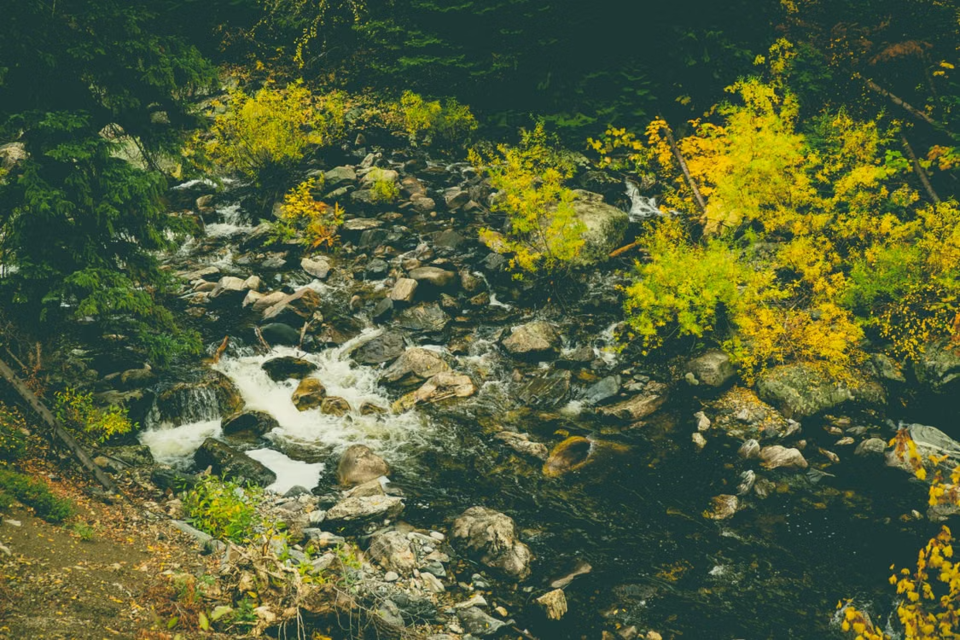
Photo by Todd Willett
If you are traveling with young kids, point the car toward Estes Park, Breckenridge, or Steamboat Springs, where paved trails, gondolas, and river access keep small legs happy.
If you want the shortest possible drive, Longmont, Nederland, and Estes Park are your same-day answers, with Allenspark as a quiet third option along the way.
If you are chasing wildflowers and photography, Crested Butte during the July peak is the headliner, with Telluride close behind.
If hot springs are the goal, Ouray and Steamboat Springs both reward the soak.
If you want culture, festivals, and dining, Aspen and Telluride carry the strongest calendars.
If you are watching the budget, Salida and Nederland deliver the most character per dollar.
Best Time to Visit Colorado
June brings green valleys and roaring whitewater from spring runoff, ideal for rafters and FIBArk fans, though snow can still linger on high passes and some alpine trails. July is peak everything: wildflowers at their height, full festival calendars, and the warmest, longest days, which also means the biggest crowds and the need to book early. August stays warm and beautiful while easing slightly on crowds, with NedFest, balloon rodeos, and late-summer events still in full swing. Across all three months, plan around those reliable afternoon thunderstorms.
How to Get There
Most of these towns start with a drive west or southwest from the Front Range. From Longmont, the Peak-to-Peak National Scenic Byway threads north to south through Nederland, Allenspark, and on toward Estes Park, making a single scenic loop out of two day trips. For the resort towns along I-70, expect heavier weekend traffic and plan an early departure. The mountain passes add both beauty and caution: the Million Dollar Highway into Ouray and Silverton features hairpins and unguarded drops, and Independence Pass into Aspen is seasonal and closes in winter. Several towns sit far enough out, including Telluride, Ouray, Silverton, and Crested Butte, that they only make sense as multi-night trips.
Booking Ahead
Summer fills these towns fast, so reserve early. Timed-entry permits for Rocky Mountain National Park sell out weeks in advance in July and August through recreation.gov. Lodging near Estes Park can require 12 to 16 weeks of lead time for peak summer, Telluride and Crested Butte want 8 to 12 weeks, especially around festival weekends, and Steamboat Springs and Breckenridge need 6 to 10 weeks for solid selection. Popular restaurants and the Durango & Silverton train book out well ahead, too, so lock in the non-negotiables before you finalize dates.
Altitude Prep
Many of these towns sit above 8,000 feet, and most mountain rentals land between 7,000 and 10,000 feet. Mild altitude symptoms, including headache, fatigue, and disrupted sleep, are common on the first day. Schedule low-intensity activities on arrival, drink plenty of water, ease up on alcohol the first night, and give your body a day to adjust before tackling a big hike. Anyone with cardiovascular or respiratory concerns should consult a doctor before traveling to an elevation.
What to Pack for a Mountain Summer Trip
A mountain summer wardrobe looks different from a city one. Daytime highs sit pleasantly and mildly, but evenings cool fast, so layers matter more than heavy coats: a fleece or light jacket, a packable rain shell for those afternoon storms, and a warm layer for after sunset. Add sturdy hiking shoes, high-SPF sunscreen, and a brimmed hat (the sun is stronger at altitude), a refillable water bottle, and sunglasses. Toss in a swimsuit for the hot springs and reservoirs, and keep a small daypack ready for trailhead starts.
FAQs About the Best Mountains in Colorado to Visit
What are the best Colorado mountain towns near Denver?
For travelers looking to minimize drive time, Nederland, Estes Park, and Breckenridge are among the best mountain towns near Denver. Nederland sits less than an hour from Longmont, Estes Park provides direct access to Rocky Mountain National Park, and Breckenridge offers a larger resort-town atmosphere with festivals, dining, and outdoor recreation.
What is the best Colorado mountain town for hot springs?
Ouray and Steamboat Springs are the top choices for travelers seeking hot springs. Ouray combines natural soaking pools with dramatic mountain scenery, while Steamboat Springs offers access to Strawberry Park Hot Springs and a wider range of outdoor activities. Salida is another excellent option for visitors who want hot springs alongside rafting and a walkable downtown.
What is the most charming mountain town in Colorado?
Ouray holds the strongest claim. Its vistas rank among the most awe-inspiring in the Rockies, and summer brings lush greenery alongside natural hot springs set against jagged peaks and steep valley walls. Telluride and Crested Butte follow closely, each with a distinct visual identity and a well-preserved historic core.
What Colorado mountain towns are best for families in summer?
Breckenridge and Steamboat Springs rank highest for families with young children. Both offer well-developed summer infrastructure, including gondola rides, paved trails, river access, and kid-oriented events, with good proximity to medical services. Estes Park also works beautifully for families who want a national park experience.
Which Colorado mountain town is least crowded in summer?
Crested Butte draws the least traffic relative to its scenery, thanks to a population around 1,500 and a remote location south of Gunnison that filters out casual day-trippers. Silverton is even quieter, with fewer than 700 permanent residents, though its limited services call for careful planning before you arrive.
How far are Colorado mountain towns from Denver?
Distances vary widely. Estes Park sits about 70 miles away, roughly 90 minutes. Breckenridge is about 85 miles via I-70. Crested Butte, Ouray, and Silverton all fall in the 230 to 340-mile range and require multi-day planning. Telluride, at roughly six hours southwest, is the furthest on this list.
Are Colorado mountain towns cold in summer?
Daytime temperatures are generally mild and pleasant at altitude. Breckenridge’s average July highs are around 70°F at 9,600 feet, and Crested Butte averages mid-70s highs. Evenings cool considerably, with Ouray dropping to around 50°F after sunset even in peak summer. Travelers from sea level should also prepare for the effects of elevation. Pack a jacket regardless of the season.
Day Trips, Overnights, and the Local Route
For Longmont travelers, three destinations work as realistic same-day round trips: Nederland and Estes Park, plus the small, peaceful village of Allenspark along the way, which makes an easy add-on for a quiet lunch or a trailhead start. The drive itself is part of the reward: the route rolls through Lyons and its summer festival scene before the Peak-to-Peak National Scenic Byway strings all three towns together into one continuous mountain loop out of Longmont.
The rest of the list earns an overnight or more. Breckenridge is doable in a day but far better with a night to enjoy Main Street after the crowds thin. Telluride, Ouray, Silverton, and Crested Butte all warrant two nights minimum, given remote locations and drive times that eat most of a single day. Steamboat Springs, Salida, and Aspen reward a weekend, with enough river time, festivals, and trails to fill it.
These are the roads Longmont locals actually drive, not a list pulled from aggregated data. The Longmont Leader’s recommendations come from people who know which passes close, which restaurants close early, and which trailheads fill by 9 a.m., so use this guide to build the real trip, not just to dream about it.
Start Planning Your Summer Escape
The cooler air is waiting just up the hill. Pick the town that matches your weekend, whether that is a 45-minute run to Estes Park or a long haul to the box canyon at Telluride, then lock in your lodging and any timed-entry permits before the July rush. For more Colorado trip ideas, route tips, and seasonal coverage, keep reading the Longmont Leader, and tell us in the comments which mountain town tops your summer list.