Some places just hit different. Chautauqua Park is one of them. Tucked at the base of the Flatirons in Boulder, this National Historic Landmark.
Some places just hit different. Chautauqua Park is one of them.
Tucked at the base of the Flatirons in Boulder, this National Historic Landmark draws hikers, history buffs, and families looking for everything from challenging summit climbs to lazy afternoon picnics on the meadow. With more than 5,800 traveler reviews and a consistent spot in the top 1% of Boulder attractions, visitors have made their verdict clear: this is the number one thing to do in the city.
But what makes Chautauqua truly special goes deeper than stunning views.
This is the only Chautauqua west of the Mississippi River that has operated continuously since its founding in 1898. That unbroken legacy of education, arts, and recreation transforms a visit here into something richer than your typical trailhead stop. You're walking through living history.
Built in 40 Days, Preserved for Generations
The Colorado Chautauqua emerged during an era when communities across America established gathering places for summer learning, music, and intellectual exchange. Boulder's version came together fast. The historic Dining Hall was constructed in just 40 days during that founding summer, built at a cost of $11,000.
Talk about commitment.
The foresight extended beyond construction. The day after the grand opening, the city of Boulder purchased the surrounding land, kicking off what would become a sustained open space preservation effort that continues today. This early action secured Chautauqua's future, ensuring that generations of Colorado residents and visitors would have access to these trails and cultural programs.
For those curious about the full scope of offerings, the Colorado Chautauqua Association provides details on lodging, events, and educational programming.
Those Flatirons, Though
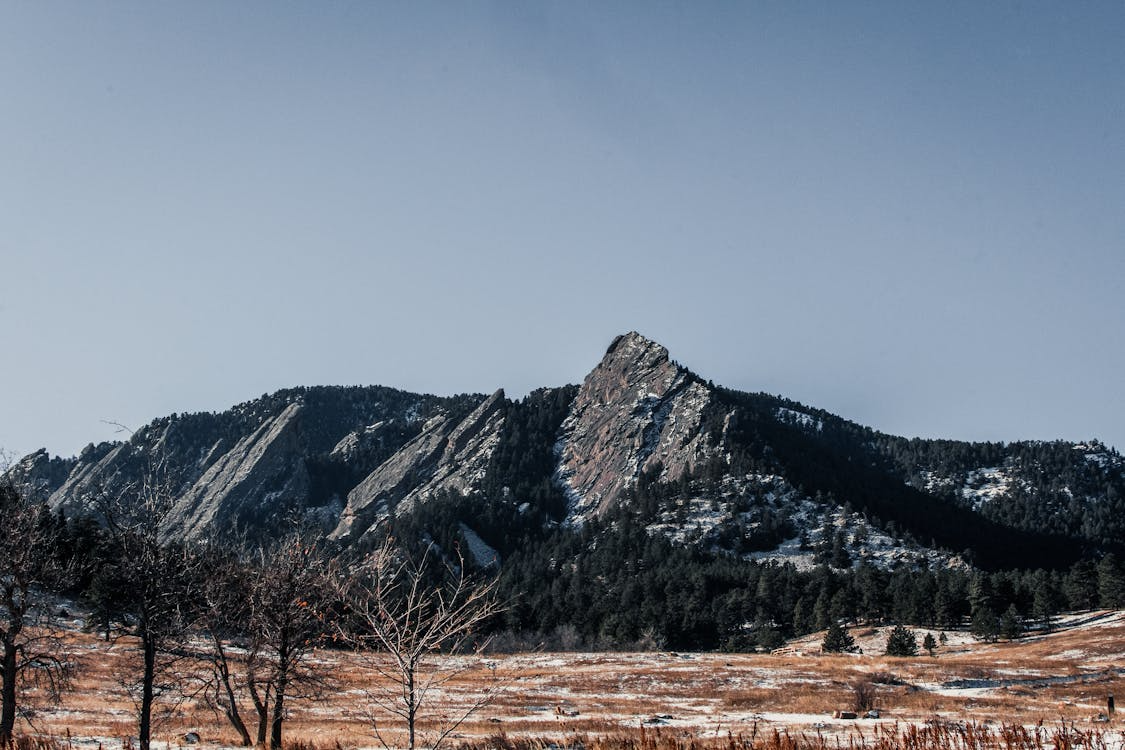
Let's be honest: the Flatirons steal the show. These tilted sandstone slabs, thrust upward millions of years ago along the mountain front, catch morning light and afternoon shadows in ways that transform throughout the day. Reviewers consistently describe the views as breathtaking, and the formations have become synonymous with Boulder itself.
Technical climbers scale the Third Flatiron's exposed faces while families snap photos from the meadow below. The scenery works at every distance.
Trails for Every Kind of Adventurer
The Chautauqua Trailhead opens up 40 miles of hiking trails. Casual walker? Experienced mountaineer? There's something here for you.
The Bluebell-Baird Trail offers a moderate outing with serene creek views, perfect for those seeking exercise without technical challenges. Hikers craving something more demanding gravitate toward the Royal Arch Trail, a strenuous climb that rewards the effort with a natural rock arch formation framing views of the plains below. The Mesa Trail stretches south from Chautauqua, connecting to other open spaces and serving up expansive panoramas along its length.
Pro tip: early morning starts tend to offer the best conditions. Cooler temperatures, thinner crowds, softer light on the rock faces.
Photo by Luke Scarpino on Unsplash
Every Season Brings Something New
Chautauqua adapts beautifully to Boulder's distinct seasons.
Winter transforms the meadows into sledding territory, while the trails offer cold-weather hiking for those with proper gear. Keep an eye out for Delilah, a vintage orange VW bus that serves as a mobile visitor center at the trailhead, dispensing trail guidance year-round. Summer brings the highest visitor counts along with the fullest event calendar, but also requires strategic planning, particularly around parking. Paid parking kicks in on weekends and holidays from Memorial Day weekend through Labor Day.
Music Under the Rafters
The historic Chautauqua Auditorium, constructed entirely of wood, has earned a reputation for exceptional acoustics that musicians prize. The venue serves as the primary home for the Colorado Music Festival, drawing performers and audiences to its intimate setting throughout the summer season.
Next door, the Community House (built in 1918) hosts films, forums, and educational events on a smaller scale. Together, these venues keep the Chautauqua movement's original mission alive: bringing arts and learning to everyone.
Let's Talk Parking (Yes, Really)
Here's the truth: parking can make or break a Chautauqua visit, especially during peak season. Traveler reviews frequently describe summer weekend parking as a nightmare. They're not exaggerating.
Paid parking applies to green parking areas, the Ranger Cottage lot, and along Baseline Road at $2.50 per hour during the regulated season.
The good news? The Park-to-Park shuttle offers a stress-free alternative. This free service operates on summer weekends from 8 AM to 8 PM, with buses running every 15 minutes. Taking the shuttle removes the frustration of circling for spots and reduces congestion at the trailhead. Designated accessible parking spots are located near the Chautauqua Green for visitors who need them.
Weekday visits? Generally much calmer, with more available parking and fewer people on the trails.
Beyond the Trails
Chautauqua packs in more than hiking. The grounds feature a playground with bronze sculptures of local wildlife (look for pieces titled Sleepy Bear and Mila the fox), tennis courts, and a demonstration garden.
A few rules keep the park running smoothly. Dogs must remain on a hand-held leash at all times unless displaying a specific City of Boulder Voice and Sight tag. Curious about local flora and fauna? The Ranger Cottage provides brochures detailing wildflowers and wildlife, perfect for developing an informed appreciation of the ecosystem.
Your Turn
The Flatirons are calling. The historic auditorium is waiting. Those 40 miles of trails aren't going to hike themselves.
Pack water, check the weather, and consider arriving early to claim your spot on the trail. Explore more of what makes Boulder special, and discover why this corner of Colorado has been drawing visitors for more than 125 years. See you on the mountain.
Some places just hit different. Chautauqua Park is one of them.
Tucked at the base of the Flatirons in Boulder, this National Historic Landmark draws hikers, history buffs, and families looking for everything from challenging summit climbs to lazy afternoon picnics on the meadow. With more than 5,800 traveler reviews and a consistent spot in the top 1% of Boulder attractions, visitors have made their verdict clear: this is the number one thing to do in the city.
But what makes Chautauqua truly special goes deeper than stunning views.
This is the only Chautauqua west of the Mississippi River that has operated continuously since its founding in 1898. That unbroken legacy of education, arts, and recreation transforms a visit here into something richer than your typical trailhead stop. You’re walking through living history.
Built in 40 Days, Preserved for Generations
The Colorado Chautauqua emerged during an era when communities across America established gathering places for summer learning, music, and intellectual exchange. Boulder’s version came together fast. The historic Dining Hall was constructed in just 40 days during that founding summer, built at a cost of $11,000.
Talk about commitment.
The foresight extended beyond construction. The day after the grand opening, the city of Boulder purchased the surrounding land, kicking off what would become a sustained open space preservation effort that continues today. This early action secured Chautauqua’s future, ensuring that generations of Colorado residents and visitors would have access to these trails and cultural programs.
For those curious about the full scope of offerings, the Colorado Chautauqua Association provides details on lodging, events, and educational programming.
Those Flatirons, Though
Let’s be honest: the Flatirons steal the show. These tilted sandstone slabs, thrust upward millions of years ago along the mountain front, catch morning light and afternoon shadows in ways that transform throughout the day. Reviewers consistently describe the views as breathtaking, and the formations have become synonymous with Boulder itself.
Technical climbers scale the Third Flatiron’s exposed faces while families snap photos from the meadow below. The scenery works at every distance.
Trails for Every Kind of Adventurer
The Chautauqua Trailhead opens up 40 miles of hiking trails. Casual walker? Experienced mountaineer? There’s something here for you.
The Bluebell-Baird Trail offers a moderate outing with serene creek views, perfect for those seeking exercise without technical challenges. Hikers craving something more demanding gravitate toward the Royal Arch Trail, a strenuous climb that rewards the effort with a natural rock arch formation framing views of the plains below. The Mesa Trail stretches south from Chautauqua, connecting to other open spaces and serving up expansive panoramas along its length.
Pro tip: early morning starts tend to offer the best conditions. Cooler temperatures, thinner crowds, softer light on the rock faces.
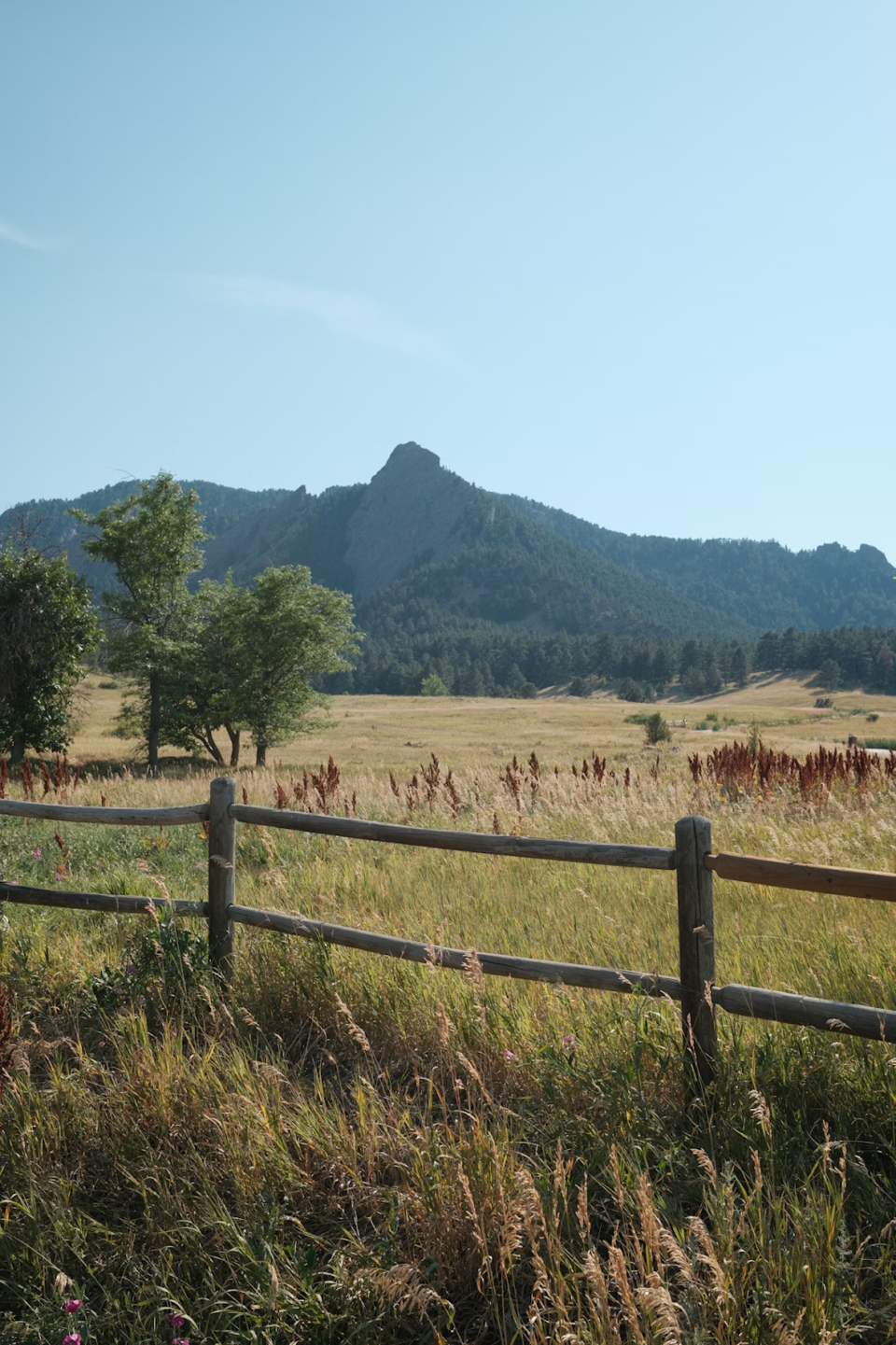
Photo by Luke Scarpino on Unsplash
Every Season Brings Something New
Chautauqua adapts beautifully to Boulder’s distinct seasons.
Winter transforms the meadows into sledding territory, while the trails offer cold-weather hiking for those with proper gear. Keep an eye out for Delilah, a vintage orange VW bus that serves as a mobile visitor center at the trailhead, dispensing trail guidance year-round. Summer brings the highest visitor counts along with the fullest event calendar, but also requires strategic planning, particularly around parking. Paid parking kicks in on weekends and holidays from Memorial Day weekend through Labor Day.
Music Under the Rafters
The historic Chautauqua Auditorium, constructed entirely of wood, has earned a reputation for exceptional acoustics that musicians prize. The venue serves as the primary home for the Colorado Music Festival, drawing performers and audiences to its intimate setting throughout the summer season.
Next door, the Community House (built in 1918) hosts films, forums, and educational events on a smaller scale. Together, these venues keep the Chautauqua movement’s original mission alive: bringing arts and learning to everyone.
Let’s Talk Parking (Yes, Really)
Here’s the truth: parking can make or break a Chautauqua visit, especially during peak season. Traveler reviews frequently describe summer weekend parking as a nightmare. They’re not exaggerating.
Paid parking applies to green parking areas, the Ranger Cottage lot, and along Baseline Road at $2.50 per hour during the regulated season.
The good news? The Park-to-Park shuttle offers a stress-free alternative. This free service operates on summer weekends from 8 AM to 8 PM, with buses running every 15 minutes. Taking the shuttle removes the frustration of circling for spots and reduces congestion at the trailhead. Designated accessible parking spots are located near the Chautauqua Green for visitors who need them.
Weekday visits? Generally much calmer, with more available parking and fewer people on the trails.
Beyond the Trails
Chautauqua packs in more than hiking. The grounds feature a playground with bronze sculptures of local wildlife (look for pieces titled Sleepy Bear and Mila the fox), tennis courts, and a demonstration garden.
A few rules keep the park running smoothly. Dogs must remain on a hand-held leash at all times unless displaying a specific City of Boulder Voice and Sight tag. Curious about local flora and fauna? The Ranger Cottage provides brochures detailing wildflowers and wildlife, perfect for developing an informed appreciation of the ecosystem.
Your Turn
The Flatirons are calling. The historic auditorium is waiting. Those 40 miles of trails aren’t going to hike themselves.
Pack water, check the weather, and consider arriving early to claim your spot on the trail. Explore more of what makes Boulder special, and discover why this corner of Colorado has been drawing visitors for more than 125 years. See you on the mountain.